

8 Signs You Might Need Dental Implants (Even If You're Not in Pain)
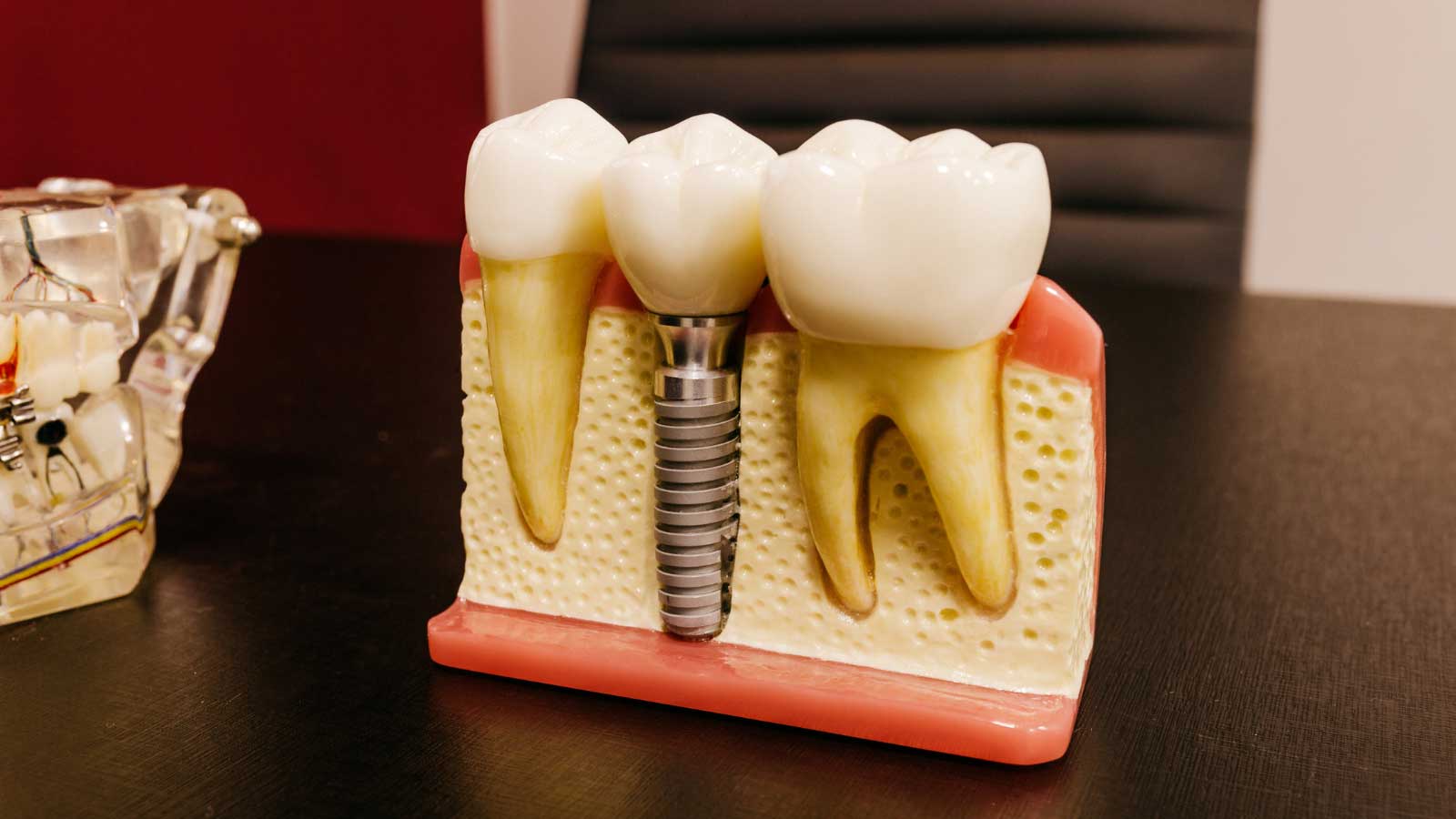
Many of us deal with loose, shifting, or missing teeth and assume the problem can wait because nothing hurts. Others notice changes in how they chew or how their bite feels but ignore them since the discomfort is mild or easy to work around. These quiet issues can build pressure on the rest of your teeth and slowly affect your confidence, function, and long-term oral health.
Dental problems often move slowly, so it can be hard to connect small changes with something as significant as dental implants. You may not feel pain, but you might see early signs that something deeper is going on under the surface. When teeth lose support, the bone weakens, and everyday tasks like chewing and speaking become harder, often unnoticed until the damage progresses.
If you have been noticing these subtle shifts, this guide will help you understand what they mean. We will look at eight signs that may indicate it’s time to consider dental implants. Each sign gives you a clear picture of what your mouth may be trying to tell you and how early action protects you from larger problems down the line.
Table of Contents
- Why Pain Is Not Always an Indicator of Whether You Need Dental Implants
- 8 Clear Signs It’s Time to Consider Dental Implants
- Sign #1: You Have One or More Missing Teeth Creating Gaps in Your Smile
- Sign #2: Your Adjacent Teeth Are Shifting or Becoming Loose
- Sign #3: You Experience Difficulty Chewing Certain Foods
- Sign #4: Your Dentures or Bridges No Longer Fit Properly or Feel Uncomfortable
- Sign #5: You Have Severe Tooth Decay or Damage Beyond Repair
- Sign #6: You Notice Jawbone Deterioration or Facial Structure Changes
- Sign #7: You Suffer from Chronic Gum Disease That Has Compromised Your Teeth
- Sign #8: You Want a Permanent Solution That Prevents Future Dental Problems
- How Renovo Endodontic Studio Can Help You Restore Your Smile and Oral Health
- Schedule Your Consultation Today

Why Pain Is Not Always an Indicator of Whether You Need Dental Implants
Pain is not a reliable signal of dental health because many serious problems begin quietly. A tooth can be damaged, infected, or failing without triggering discomfort, especially if the nerve has already weakened or died. Bone loss also happens slowly, and most people do not feel it until the structure of their jaw or smile visibly changes.
Some patients have missing teeth but feel no pain, even though their remaining teeth are under increased stress every day. Gaps in the mouth shift the bite and strain the jaw, yet the imbalance rarely causes early pain. Dentures and bridges can hide these problems for a while. They may feel fine even as the bone underneath them continues to shrink.
This is why timing matters. Silent dental issues can progress and lead to more complex treatment if ignored. Pain shows up late. Stability changes early. Paying attention to structural signs increases your chances of keeping your smile healthy. Early evaluation creates more options. Acting sooner prevents deeper problems.
8 Clear Signs It’s Time to Consider Dental Implants

Dental implants can offer a lasting solution for many dental issues, but how do you know when it’s time to consider them? The need for dental implants often arises not from pain, but from a gradual decline in oral health.
In this section, we’ll explore eight signs that can indicate it’s time to think about dental implants, even if you’re not in pain.
Sign #1: You Have One or More Missing Teeth Creating Gaps in Your Smile
Missing teeth create gaps that can affect both your appearance and oral health. These spaces can lead to bigger problems down the road. When a tooth is missing, it alters the alignment of your remaining teeth, making them more prone to shifting. A dental implant restores the natural look of your smile while preventing these shifts.
More than just aesthetics, missing teeth can impact how your bite functions. The gaps left by lost teeth can lead to issues with chewing and speaking, even though these problems might not be immediately noticeable. Dental implants can fill those gaps, improving both function and appearance, and providing a natural solution.
If you have gaps in your smile, dental implants could be the right choice for restoring both form and function. A dental implant prevents long-term oral complications and provides a permanent fix for those gaps in your smile.
Sign #2: Your Adjacent Teeth Are Shifting or Becoming Loose
When you lose a tooth, the surrounding teeth begin to shift in an attempt to fill the space left behind. Over time, this can cause misalignment and bite issues. If your adjacent teeth are becoming loose or shifting, it’s a clear sign that something needs to be done. Ignoring this could lead to more serious dental issues in the future.
Shifting teeth doesn’t just affect your appearance; it can also cause pain and discomfort. Misaligned teeth can affect how you chew and speak. If you’re dealing with tooth pain caused by a cracked tooth or tooth sensitivity due to misalignment, dental implants can provide a stable, long-term solution.
A dental implant can stabilize your surrounding teeth and restore proper alignment. This treatment can prevent further shifting and reduce the risk of complications caused by tooth misalignment.
Sign #3: You Experience Difficulty Chewing Certain Foods
Difficulty chewing is often one of the first signs that something’s wrong with your teeth or jaw. Even though you may not experience serious challenges, struggling with certain foods can affect your quality of life. This may be due to missing, damaged, or compromised chewing surfaces.
Chewing problems can also arise if your remaining teeth are shifting or becoming loose. When this happens, your ability to bite down evenly is compromised, making it difficult to eat a wide variety of foods. Dental implants provide a stable base for your teeth, restoring your ability to chew comfortably.
If you’re finding it hard to chew certain foods, dental implants could help restore normal function to your mouth. With implants, you can eat the foods you love without any discomfort or difficulty.
Sign #4: Your Dentures or Bridges No Longer Fit Properly or Feel Uncomfortable
If you wear dentures or bridges, you may have noticed that they don’t fit as well as they used to. Over time, dentures can slip or irritate, while bridges may loosen, making them uncomfortable to wear. This discomfort can make daily activities like eating and speaking a challenge.
The fit of dentures or bridges can also change when teeth are missing for an extended period. When this happens, dentures and bridges can feel loose or uncomfortable. Dental implants can offer a more secure, comfortable solution, since they fuse directly with the jawbone.
If your dentures or bridges no longer fit correctly or are causing discomfort, it’s time to consider dental implants. Implants offer a stable solution that feels more like your natural teeth, making daily life much easier.
Sign #5: You Have Severe Tooth Decay or Damage Beyond Repair
Severe tooth decay or damage can compromise the structure and function of your teeth. In some cases, a filling or root canal may not be enough to save a tooth. If a tooth is beyond repair, the best solution may be to extract it and replace it with a dental implant.
When a tooth becomes too decayed or damaged, it can become a source of ongoing problems. This can lead to pain, infection, or more damage to surrounding teeth. Dental implants provide a long-term solution by replacing the decayed or damaged tooth, offering stability and preventing further complications.
If you’re dealing with a tooth that can’t be saved, a dental implant is the most effective option for restoring both function and appearance. It’s a lasting solution that prevents the issues from worsening.
Sign #6: You Notice Jawbone Deterioration or Facial Structure Changes
Jawbone deterioration can occur when teeth are missing or damaged for an extended period. Without the stimulation that healthy teeth provide, the bone in your jaw can begin to shrink. This can lead to changes in your facial structure, such as a sunken appearance or a receding chin.
Jawbone loss can also make it more challenging to place traditional dentures or bridges. As the bone deteriorates, these prosthetics may no longer fit properly, causing discomfort or instability. Dental implants, on the other hand, help stimulate the jawbone, preventing further deterioration and preserving your facial structure.
If you’ve noticed changes in your facial appearance or jawbone structure, dental implants can restore both your oral health and facial aesthetics. By preserving the bone, implants can maintain your appearance and prevent further bone loss.
Sign #7: You Suffer from Chronic Gum Disease That Has Compromised Your Teeth
Chronic gum disease can damage the soft tissues and bone around your teeth, leading to tooth loss or instability. If left untreated, gum disease can progress, weakening the foundation of your teeth and leading to further complications. Gum disease progresses quietly, so you may not notice early structural changes even when your mouth feels normal.
As gum disease advances, it can create pockets in the gums and cause teeth to become loose. If you’re dealing with gum disease that has compromised your teeth, dental implants could help restore your smile and oral function. Implants provide a stable foundation for your teeth, even when gum disease has caused significant damage.
If chronic gum disease has damaged your teeth, it’s essential to seek a solution before the situation worsens. Dental implants can help you restore both your teeth and gum health, giving you a fresh start.
Sign #8: You Want a Permanent Solution That Prevents Future Dental Problems
Many people seek dental implants because they offer a permanent solution to missing or damaged teeth. Unlike dentures or bridges, dental implants are designed to last for decades, helping prevent future dental issues. They also help maintain the integrity of your jawbone and prevent bone loss.
Dental implants are ideal for people looking for a long-term solution that doesn’t require ongoing maintenance or adjustments. Once placed, they act just like natural teeth, providing stability, function, and a boost to your overall oral health.
If you’re managing dental anxiety and want a permanent solution that solves not only the current issue but also prevents future dental problems, dental implants could be the right choice for you. With proper care, they can last a lifetime, helping your smile stay strong and healthy.
How Renovo Endodontic Studio Can Help You Restore Your Smile and Oral Health

At Renovo Endodontic Studio, we specialize in comprehensive dental care that addresses a range of oral health concerns, including dental implant needs. Our team of experts takes a personalized approach to restore both the form and function of your smile.
Whether you’re dealing with missing teeth, jawbone deterioration, or chronic gum disease, we are equipped to provide you with a permanent solution tailored to your needs.
Here’s how we can help you:
- Provide a thorough consultation and examination to assess your specific needs.
- Offer state-of-the-art implant technology for precise and efficient treatment.
- Ensure a comfortable and supportive environment to ease any concerns.
- Collaborate with top specialists to handle complex cases, including those involving gum disease or bone loss.
- Guide you through every step of the process, from planning to post-treatment care.
Dental implants are an investment in your long-term oral health. Our trusted endodontists are here to help restore your smile and improve your quality of life, giving you the confidence to smile again.
Schedule Your Consultation Today
Don’t wait until your oral health issues become more complicated. If you’re experiencing any of the signs that you may need dental implants, taking action now can help prevent future problems and restore your smile.
At Renovo Endodontic Studio, we’re ready to provide expert care with the latest techniques in dental implants.
Our team of trusted endodontists will guide you through a detailed consultation to understand your needs and determine the best course of action. Schedule your consultation today and take the first step toward restoring your smile and your confidence.


