

Dos and Don’ts After Wisdom Tooth Removal: Full Recovery Checklist
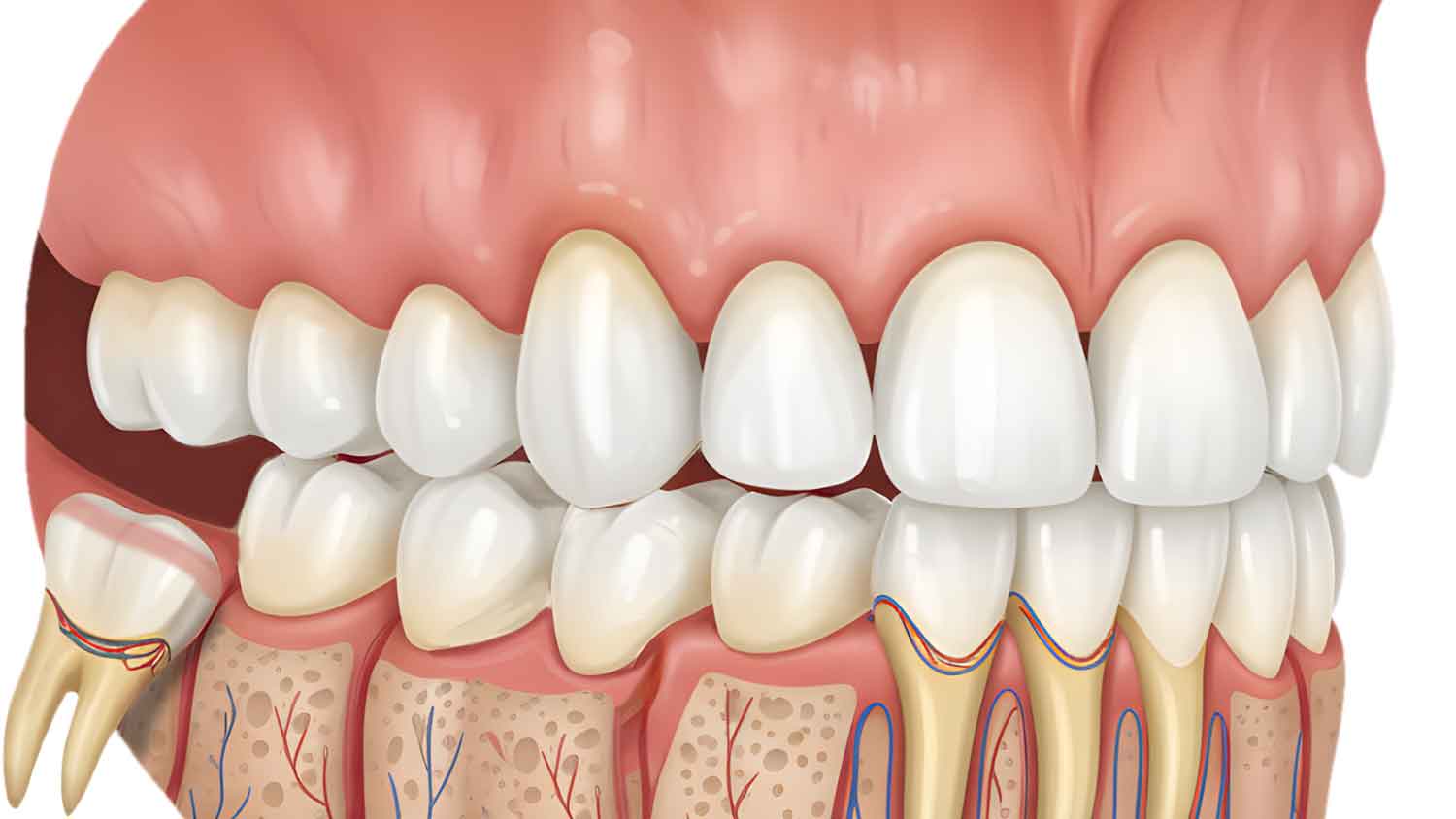
Undergoing a wisdom tooth extraction can be a stressful experience, especially with the swelling, pain, and discomfort that often follow. The days after your tooth extraction are crucial for recovery. If you don’t manage the healing process correctly, you could face complications that prolong your discomfort or even affect your oral health long-term.
Understanding the proper steps to take during this recovery phase can make all the difference. In this guide, we’ll cover the dos and don’ts of post-wisdom tooth removal care. By following these guidelines, you can ensure a smoother recovery and reduce the risk of complications such as infections or dry socket.
To help you, we’ll walk you through what to do and what to avoid after your wisdom tooth extraction in this guide. Stick with these tips, and you’ll be on track for a faster and more comfortable recovery.
Table of Contents
- What Is Wisdom Tooth Removal, and Why Is Post-Operative Care So Important?
- The Dos After Wisdom Tooth Removal for Optimal Healing
- Apply Ice Packs to Reduce Swelling
- Take All Medications Exactly as Prescribed
- Maintain Gentle but Consistent Oral Hygiene
- Eat Soft, Nutrient-Rich Foods and Stay Hydrated
- Rest and Keep Your Head Elevated
- The Don’ts After Wisdom Tooth Removal That Can Slow Healing
- Do Not Use Straws, Smoke, or Create Suction
- Avoid Hard, Crunchy, or Spicy Foods
- Skip Intense Exercise and Heavy Lifting
- Never Skip Follow-Up Appointments or Ignore Warning Signs
- Avoid Touching or Disturbing the Surgical Area
- How Renovo Endodontic Studio Supports Your Recovery Journey

What Is Wisdom Tooth Removal, and Why Is Post-Operative Care So Important?
Wisdom tooth removal is a standard procedure that involves extracting one or more of the third molars located at the back of your mouth. These teeth often need to be removed because they are impacted, meaning they don’t fully emerge from the gums or cause pain, infection, or other dental problems. In some cases, wisdom teeth may also be removed to prevent potential future complications.
Post-operative care is critical to ensure that the extraction site heals properly and that your recovery is smooth. Proper care helps reduce the risk of infection, bleeding, or severe swelling, allowing you to return to your routine more quickly.
Essential pointers to know here are:
- Swelling is common after a wisdom tooth extraction and can be reduced with ice and proper positioning.
- Bleeding should stop within a few hours, but if it persists, you may need to follow specific guidelines.
- Taking prescribed medications at the correct intervals helps control pain and prevent infection.
- Keeping the surgical site clean without disturbing it promotes faster healing and reduces the risk of infection.
After your surgery, the first few days are vital for healing. Skipping any care instructions can lead to complications that prolong your recovery. Post-operative care is key to minimizing pain, swelling, and infection risk.
By following these steps carefully, you can ensure that you heal efficiently and avoid unnecessary setbacks.
The Dos After Wisdom Tooth Removal for Optimal Healing

Healing after wisdom tooth removal requires careful attention. Following the proper steps can reduce discomfort and speed up recovery. Let’s explore the key dos to help you recover smoothly and stay on track during this critical period.
Apply Ice Packs to Reduce Swelling
Swelling is a regular part of the healing process after wisdom tooth extraction. Applying ice packs to the outside of your face helps control this problem. Make sure to apply ice for 20-minute intervals, removing it for 20 minutes to prevent skin and nerve damage.
Swelling is common after extraction and typically peaks within the first 48 hours. Applying ice for 20-minute intervals can help manage this.
Properly managing this is crucial to your recovery. It not only affects your comfort but also helps ensure healing occurs efficiently, without complications.
Take All Medications Exactly as Prescribed
Your dentist will provide you with a customized dental treatment plan that includes medications to help manage pain and prevent infection. These medications are essential for maintaining comfort and keeping the extraction site clean. Following the prescribed schedule will help you avoid pain spikes and keep the healing process on track.
Pain medications are designed to be taken at regular intervals. If you wait too long to take your next dose, you might experience unnecessary discomfort. Antibiotics, if prescribed, should also be taken as directed to prevent any infections from taking root in the surgical site.
Your dentist or oral surgeon may also recommend over-the-counter options to complement your prescription. But always stick to your plan and never skip a dose, as it could disrupt your recovery.
Maintain Gentle but Consistent Oral Hygiene
Proper oral hygiene is vital, but it’s essential to be gentle during the initial stages of healing. Brushing your teeth is still important, but avoid the areas where your teeth were removed for at least the first 24 hours. Gently brush the rest of your mouth to prevent food and bacteria from accumulating.
Once it’s safe to brush the extraction site, use a soft-bristled toothbrush and be gentle. You can also rinse with a saltwater solution to help keep the area clean without disturbing the healing tissue. Be mindful not to use any harsh mouthwashes or alcohol-based mouthwashes, as they can irritate the area.
Maintaining oral hygiene while protecting the surgical site is key to avoiding infections. Follow your dentist’s advice on the best techniques to ensure your mouth stays clean during the healing process.
Eat Soft, Nutrient-Rich Foods and Stay Hydrated
After surgery, your body needs nutrients to heal, but eating can be challenging due to mouth tenderness. Stick to soft foods like yogurt, mashed potatoes, and smoothies for the first few days. These foods are not only easy to eat but also provide the vitamins and minerals your body needs for recovery.
Staying hydrated is just as important. Drink plenty of water throughout the day to keep your body functioning optimally. Avoid hot liquids, such as coffee or tea, for the first few days, as they can increase swelling and irritation around the surgical site.
Proper diet and hydration are essential for a quick recovery. A balanced diet will help your body repair itself and reduce the risk of complications.
Rest and Keep Your Head Elevated
Rest is crucial during the recovery process, especially in the first few days. Your body needs energy to heal, and sleeping allows it to focus on repair. Make sure to get plenty of rest and take naps if necessary. It’s also essential to sleep with your head elevated during the first few nights to minimize swelling.
Use extra pillows to keep your head elevated, which can help reduce swelling around the extraction sites. Sleeping in a semi-upright position will also relieve pressure on your jaw, allowing your body to focus on healing rather than dealing with additional discomfort.
By prioritizing rest and elevating your head while sleeping, you’ll help your body heal faster. It’s easy to forget how important rest is, but it plays a significant role in your recovery.
The Don’ts After Wisdom Tooth Removal That Can Slow Healing

While following the dos is crucial, avoiding specific actions is essential to ensure proper healing. There are a few everyday habits and behaviors that can interfere with recovery. Let’s take a look at what you should avoid to keep your healing process on track.
Do Not Use Straws, Smoke, or Create Suction
Using straws, smoking, or engaging in any activities that create suction in your mouth can disrupt the healing process. The suction can dislodge the blood clot that forms at the extraction site, leading to a painful condition known as dry socket. This condition delays healing and can result in severe pain.
Smoking is particularly harmful after wisdom tooth removal. The heat from tobacco and the suction involved can significantly increase your chances of developing complications. Refrain from smoking entirely for at least 72 hours post-surgery, as it can also increase the risk of infection.
Be mindful of any activities that involve sucking motions. Whether it’s sipping through a straw or even excessive spitting, these can all disrupt your recovery and lead to unnecessary pain.
Avoid Hard, Crunchy, or Spicy Foods
Your mouth needs time to heal, and eating hard, crunchy, or spicy foods can irritate and damage the healing tissue. Hard foods like chips, nuts, and raw vegetables can easily disturb the surgical site. These foods can also get stuck in the extraction site, which may cause discomfort or increase the risk of infection.
Spicy foods can also irritate the soft tissue and make the area more sensitive. Hot foods or drinks should be avoided during the first few days, as they can exacerbate swelling and discomfort. Stick to soft, mild foods that are easy on your healing mouth.
By refraining from hard, crunchy, or spicy foods, you give your body the time and space it needs to recover fully without any unnecessary complications.
Skip Intense Exercise and Heavy Lifting
It might be tempting to jump back into your regular activities, but heavy lifting or intense physical exercise can be counterproductive. When you engage in vigorous physical activity, your blood pressure rises, which can worsen swelling, bleeding, and discomfort around the extraction sites. Physical exertion can also cause your body to become dehydrated, slowing down the healing process.
Continuity of dental care is essential, which means you need to follow your dentist’s guidelines even after surgery. If you resume strenuous activities too soon, you risk complications that can prolong your recovery. Taking it easy for the first few days is essential.
By avoiding heavy lifting and intense activity, you reduce the likelihood of setbacks and make sure that your healing process remains uninterrupted.
Never Skip Follow-Up Appointments or Ignore Warning Signs
After your wisdom tooth removal, follow-up appointments are crucial for monitoring your progress and ensuring that everything is healing as expected. Skipping these appointments can lead to missed complications, such as infections or issues with the extraction site. If you notice any unusual symptoms like prolonged bleeding, excessive pain, or fever, it’s essential to seek professional help immediately.
Ignoring warning signs can complicate the healing process and prolong recovery. Always reach out to your dentist or oral surgeon if you have any concerns during your recovery. It’s better to be cautious and seek advice early on rather than wait for a problem to worsen.
These check-ups ensure that any potential issues are addressed promptly, helping you recover as quickly and smoothly as possible.
Avoid Touching or Disturbing the Surgical Area
One of the most tempting things to do after a tooth extraction is to poke at the surgical site. Whether you use your tongue or your fingers, disturbing the area can delay healing and increase the risk of infection. It’s essential to keep the extraction site undisturbed to allow the blood clot to form and promote healing.
Touching or prodding the area can also irritate or introduce bacteria. Even with the best intentions, you might accidentally disrupt the healing tissue and create complications that delay recovery.
Stay mindful and refrain from touching the surgical site. Let it heal on its own to minimize complications and ensure the best possible recovery.
How Renovo Endodontic Studio Supports Your Recovery Journey

At Renovo Endodontic Studio, we understand that the days following your wisdom tooth removal are critical for a smooth recovery. Our trusted endodontists provide not only top-tier surgical care but also support throughout the healing process.
We ensure you have access to the proper guidance and follow-up care to minimize complications and speed recovery. Our team takes the time to explain each step of the healing process and provides personalized advice tailored to your needs.
Here’s how we help you recover fully:
- We offer clear post-operative instructions that help you understand what to do and what to avoid during your recovery.
- Our team monitors your progress during follow-up visits to ensure everything is healing as expected.
- We provide personalized pain management strategies to make sure you’re as comfortable as possible during recovery.
- If complications arise, we’re available for immediate consultations to address any concerns or issues promptly.
Your recovery is just as important to us as the surgery itself. At Renovo Endodontic Studio, we’re here every step of the way. Our trusted endodontists ensure you feel supported during the healing process. With our guidance, you can rest assured that your recovery will be as smooth and quick as possible.


