

Dental Trauma in Adults: What to Do If You Crack or Lose a Tooth
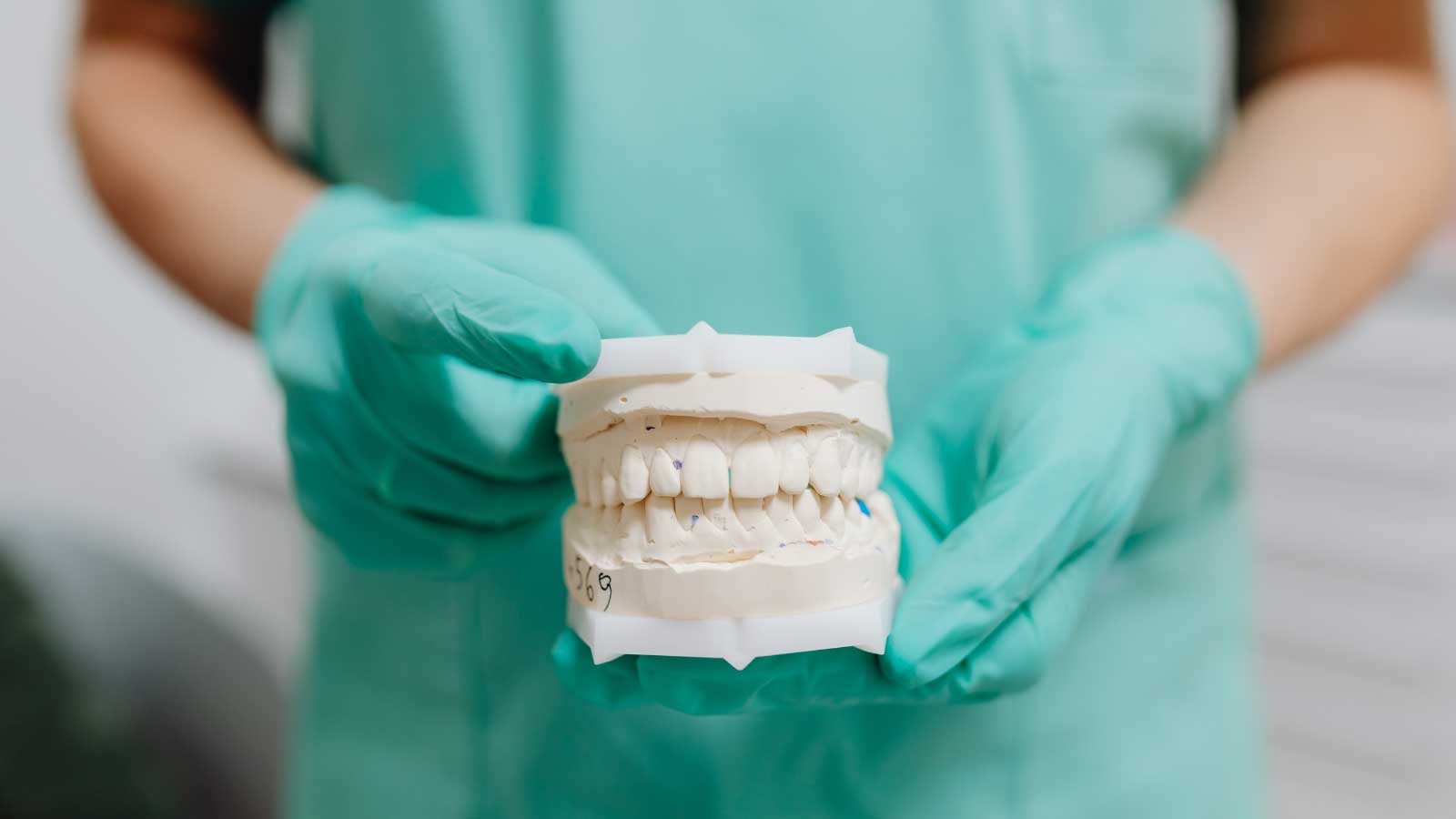
A sudden fall, a sports collision, or biting down the wrong way can leave you with a cracked or missing tooth in an instant. The shock and panic are natural as you wonder if the damage is permanent or if you’re handling the situation correctly while waiting for professional care.
Dental injuries are more common than many adults realize, with over five million teeth knocked out each year in the U.S., not to mention countless cracks and fractures. This guide explains how to manage dental trauma in adults, from identifying the type of injury to taking immediate, time-sensitive steps that can save your natural tooth.
Table of Contents
- Types of Dental Trauma That Require Immediate Attention
- What to Do if You Crack a Tooth
- Assess the Severity of the Crack
- Rinse and Protect the Damaged Area
- Manage Pain and Swelling
- Avoid Actions That Worsen the Damage
- What to Do if You Lose a Tooth
- Handle the Tooth by the Crown Only
- Gently Rinse Without Scrubbing
- Keep the Tooth Moist Until Treatment
- Act Within the 30-Minute Window
- When to Seek Emergency Dental Care
- Call Renovo Endodontic Studio for Help

Types of Dental Trauma That Require Immediate Attention
Not all dental injuries are the same, and the type of trauma you experience determines how urgently you need treatment. Some injuries cause visible damage to the tooth’s surface, while others affect the root or surrounding bone structure.
Understanding what you’re dealing with helps you take the right action and communicate effectively with your endodontist when you call for an appointment.
Dental trauma in adults typically falls into several categories, each with different levels of urgency:
- Craze lines: Tiny, superficial cracks in the enamel that don’t extend into the tooth structure. These rarely cause pain and usually don’t require emergency treatment.
- Fractured cusps: Breaks that occur around dental fillings, typically affecting the chewing surface. These may or may not cause pain depending on how close the fracture gets to the nerve.
- Cracked teeth: Vertical cracks that extend from the chewing surface toward the root. These can worsen rapidly if left untreated and often cause sharp pain when chewing or sensitivity to temperature changes.
- Split teeth: A cracked tooth that has progressed into two distinct segments. This severe damage usually results from an untreated crack and may require the extraction of one or both portions.
- Vertical root fractures: Cracks that begin in the root and extend upward toward the chewing surface. These often present with minimal symptoms initially but can progress to infection of the surrounding bone and gum tissue.
- Avulsed teeth (knocked-out teeth): Complete displacement of the tooth from its socket. This injury requires the fastest response, as reimplantation success rates drop significantly after 30 minutes outside the mouth.
- Luxated teeth: Teeth that have been loosened, pushed into the socket, or pushed out of alignment but remain attached. These injuries often involve damage to the periodontal ligament and surrounding tissues.
- Root fractures: Horizontal breaks in the root that may not be visible without X-ray imaging. The location of the fracture determines treatment options and long-term prognosis.
The severity of your symptoms doesn’t always match the seriousness of the injury. A vertical root fracture might cause only mild discomfort initially, yet it poses a significant threat to your tooth’s survival. Conversely, a minor chip might bleed and cause an alarm but require only cosmetic repair.
When in doubt, contact an endodontist for an evaluation. A quick assessment using 3D imaging can reveal damage invisible to the naked eye and guide the most effective treatment approach.
What to Do if You Crack a Tooth

A cracked tooth demands quick thinking and careful action. The steps you take immediately after the injury can prevent further damage and improve your chances of saving the tooth. Here’s exactly what to do in those critical first moments.
Assess the Severity of the Crack
Look in a mirror with good lighting and examine the damage. Note whether you see a visible crack line, if pieces have broken off, and how much pain you’re experiencing. A small surface chip feels different from a deep crack that causes shooting pain when you bite down.
The crack’s location matters, too, as vertical cracks that run toward the gum line are more serious than horizontal chips on the chewing surface.
Your symptoms indicate the severity of the injury. Temperature sensitivity often means the crack has reached the dentin layer. Sharp pain when biting suggests the damage extends toward the pulp where nerves live.
This assessment helps your endodontist prepare for the type of cracked tooth repair you’ll need.
Rinse and Protect the Damaged Area
Gently rinse your mouth with warm water to clean the area and remove debris. Avoid alcohol-based mouthwash, as it causes stinging on exposed tooth surfaces. If you notice bleeding from the gums, apply gentle pressure with clean gauze until it stops.
Protect the tooth from further damage until you see an endodontist. If a sharp edge cuts your tongue or cheek, cover it with dental wax or sugar-free gum. Avoid chewing on the affected side entirely. Every bite risks deepening the crack in the tooth.
Manage Pain and Swelling
Over-the-counter pain relievers provide effective temporary relief. Ibuprofen works well for dental pain because it addresses both discomfort and inflammation. Follow the dosage instructions carefully. Acetaminophen serves as an alternative if ibuprofen isn’t an option for you.
Apply a cold compress to your cheek near the injured tooth. Use an ice pack wrapped in a thin cloth for 15 to 20 minutes at a time, with 20-minute breaks between applications. This combination of oral pain relief and cold therapy keeps you comfortable until professional treatment can begin.
Avoid Actions That Worsen the Damage
Certain foods can turn a treatable crack into an extraction case. Skip hard foods like nuts, ice, and crusty bread. Avoid sticky foods that pull at tooth fragments. Even soft foods cause problems if they require significant chewing force.
Temperature extremes trigger pain and may expand the crack. Hot coffee and ice-cold drinks stress the fracture line as the tooth contracts and expands. Stick to room-temperature foods and beverages. Avoid habits like nail-biting or using your teeth to open packages.
What to Do if You Lose a Tooth

A knocked-out tooth creates an urgent situation, but staying calm gives you the best outcome. The tooth remains viable for reimplantation if you act correctly within a narrow time window. Every step in the next few minutes affects whether your endodontist can save it.
Handle the Tooth by the Crown Only
Pick up the tooth immediately, but grab it only by the crown, the white part visible in your mouth. Never touch the root, the yellowish portion below the gum line. The root surface contains delicate periodontal ligament cells, which your body needs to reattach the tooth.
Touching or rubbing the root kills these cells, reducing the likelihood of reimplantation success.
If the tooth landed in dirt, resist the urge to wipe it clean with your fingers or a cloth. Fabric fibers and friction damage the root just as much as the debris. Hold it gently by the crown edges only and handle it as little as possible.
Gently Rinse Without Scrubbing
If visible dirt covers the tooth, rinse it briefly under cool running water for no more than 10 seconds. Hold it by the crown and let water flow over the root. Never use soap, toothpaste, alcohol, or peroxide. These substances kill the living cells that enable reimplantation.
Never scrub the root, even if it looks dirty. Scrubbing destroys the periodontal ligament fibers that your bone needs to accept the tooth back. Your endodontist has sterile solutions to clean it safely before reimplantation.
While recovery from tooth extraction is manageable when necessary, preserving your natural tooth remains the goal.
Keep the Tooth Moist Until Treatment
A knocked-out tooth dies quickly when it dries out. Root cells survive only in a moist environment, and even minutes of air exposure can cause irreversible damage. Getting the tooth wet immediately is just as urgent as reaching the endodontist.
The best option is to place the tooth back in its socket yourself. Insert it root-first, and bite down softly on the gauze to hold it in place. If reinsertion isn’t possible, tuck it between your cheek and gum. Milk works as an alternative storage solution because its composition matches the natural environment around roots.
Saline is a second choice, and plain water is a last resort.
Act Within the 30-Minute Window
Time determines everything with a knocked-out tooth. Success rates exceed 90% when the tooth returns to its socket within five minutes. After 30 minutes, rates drop significantly. Beyond 60 minutes, the probability falls to roughly 50% even under ideal conditions.
Call an endodontist immediately and explain that you have a knocked-out adult tooth. Most practices prioritize these emergencies and will see you within the hour. Keep the tooth moist during transport. Acting with urgency gives your natural tooth the best chance of survival.
When to Seek Emergency Dental Care
Some dental injuries can wait until regular office hours, but others require same-day treatment to save your tooth. Knowing the difference helps you make the right call. When trauma involves significant pain, visible damage, or a knocked-out tooth, time becomes your most valuable resource.
Seek emergency dental care immediately if you experience any of the following:
- A completely knocked-out permanent tooth. Reimplantation success depends on treatment within 30 to 60 minutes.
- Severe, uncontrolled bleeding from the mouth. Minor bleeding after trauma is normal, but bleeding that won’t stop with pressure needs professional attention.
- A tooth that has shifted position or feels extremely loose. Luxated teeth require stabilization to heal correctly.
- Intense pain that over-the-counter medication doesn’t relieve. This often indicates nerve involvement or infection.
- Visible cracks extending below the gum line. These fractures worsen quickly and threaten the tooth’s survival.
- Swelling in the face, jaw, or gums near the injured tooth. Swelling can indicate infection or significant soft-tissue damage.
- Difficulty opening or closing your mouth after the injury. This may indicate jaw involvement that needs evaluation.
- A broken tooth with sharp edges can cause cuts to your tongue, cheek, or lips. These wounds can become infected without proper treatment.
Delaying care after severe dental trauma leads to complications that limit your treatment options. Infections can develop within days of an untreated injury. Cracks continue to spread with regular mouth movements and temperature changes.
Trusted endodontists have the training and technology to assess damage and act quickly and accurately. Getting seen quickly protects both your tooth and your overall oral health.
Call Renovo Endodontic Studio for Help

Dental trauma feels overwhelming, but you don’t have to figure it out alone. Renovo Endodontic Studio specializes in treating cracked, fractured, and knocked-out teeth using advanced 3D imaging and microsurgical techniques.
Our team responds to emergency cases promptly because minutes matter. With locations in Schaumburg, Elgin, Downers Grove, and Rockford, expert care is never far away.
Your natural tooth is worth saving whenever possible, and our endodontists have the skills to give you the best chance at keeping it. We offer same-day emergency appointments for trauma cases and work closely with your general dentist to coordinate follow-up care.
Contact Renovo Endodontic Studio today or call your nearest location to schedule an urgent evaluation. Fast action now means better outcomes for your smile.


