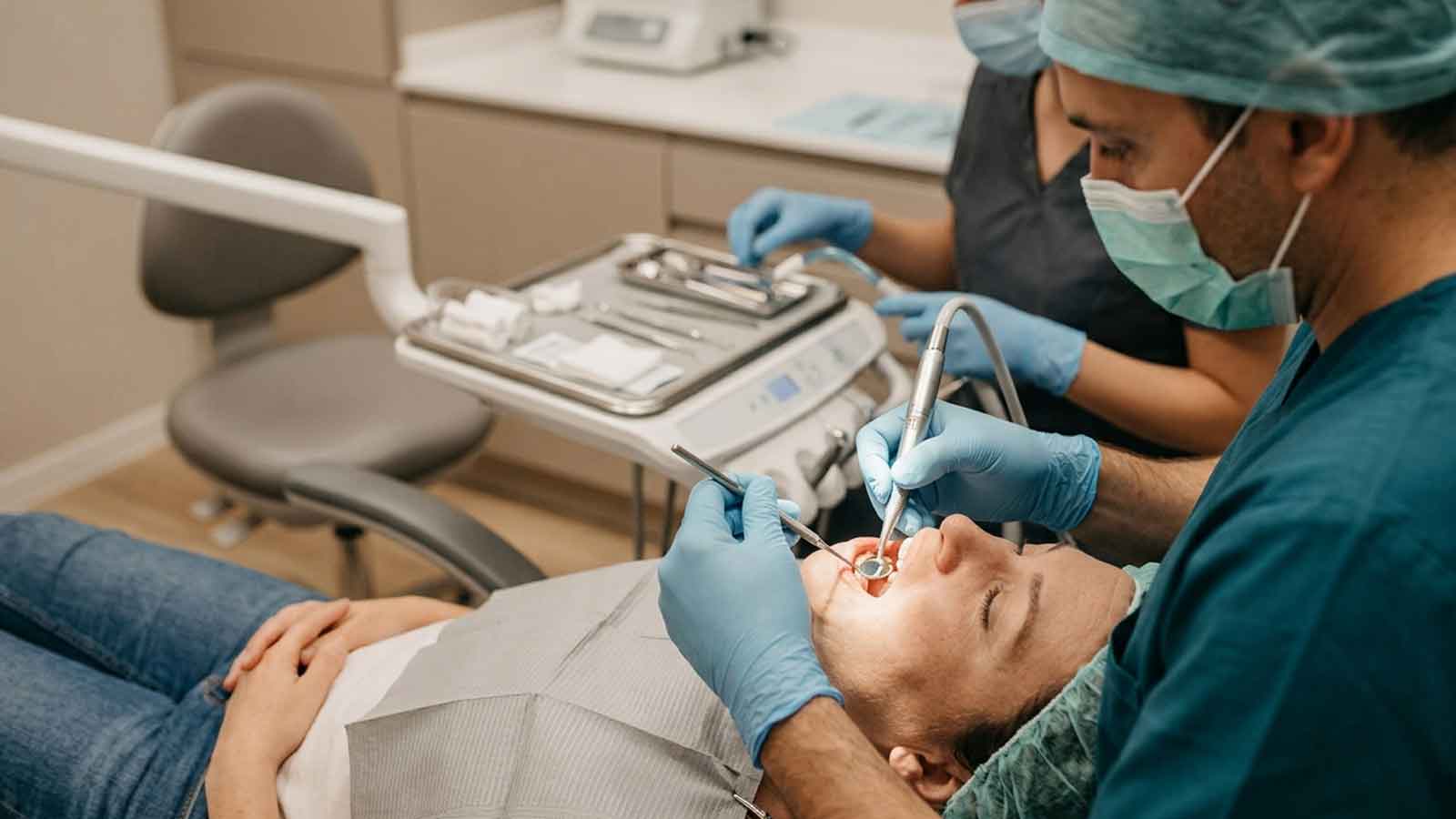
An apicoectomy is a microsurgical procedure that removes the infected tip of a tooth root and the surrounding tissue, then seals the end of the root while leaving the crown and remaining root intact. The procedure provides direct surgical access to the root end, allowing the endodontist to treat persistent infection at its source.
This microsurgical approach can help preserve a natural tooth when infection persists at the root tip despite previous treatment. Our patient’s guide to apicoectomy explains the procedure from the patient’s perspective.
When Is an Apicoectomy Necessary?
An apicoectomy may be necessary when a tooth that has already had root canal treatment still shows signs of infection or inflammation near the root tip. Symptoms can include tenderness when biting, a persistent ache near the gumline or an area on an X-ray that has not healed as expected after treatment.
Persistent inflammation around the root tip, sometimes called apical periodontitis, is one possible reason for an apicoectomy procedure. The endodontist reviews your symptoms, previous treatment and diagnostic imaging to determine the source of the problem and whether surgery is appropriate.
In some cases, calcium deposits can narrow the canal to the point where instruments used during non-surgical retreatment cannot reach the root end. Surgery provides direct access to clean and seal the affected area.
The tooth must also have enough healthy structure to remain functional after treatment. A vertical root fracture, extensive structural damage or a poor long-term restorative outlook may make apicoectomy surgery less appropriate. Depending on the cause of the problem and the condition of the tooth, nonsurgical retreatment or tooth extraction may sometimes provide a better treatment option.
Approach
Best suited for
Access point
Retreatment
Infection that can be addressed through the existing root canal system
Through the crown
Apicoectomy
Persistent infection near the root tip when retreatment is not practical or has not resolved the problem
Through the gum, at the root apex
Extraction
Severe root fracture or insufficient tooth structure for long-term function
Removal of the tooth
Patients weighing retreatment against surgery often ask about durability, and our article on how long a retreated root canal lasts addresses that question directly.
How Does an Apicoectomy Procedure Work?
An apicoectomy procedure follows a carefully planned sequence designed to remove infection, seal the root end and preserve healthy root structure. The endodontist may use 3D imaging and a surgical microscope to evaluate the root and surrounding bone before and during treatment.
Evaluate the tooth: The endodontist reviews your symptoms, previous treatment and imaging. Cone beam computed tomography, when appropriate, provides a three-dimensional view of the root tip, surrounding bone and nearby structures to support precise treatment planning.
Numb the treatment area: Local anesthesia numbs the tooth and surrounding gum to keep you comfortable during the procedure.
Access the root tip: The endodontist creates a small opening in the gum to reach the bone and affected root end.
Remove infected tissue and the root tip: Using magnification, the endodontist removes inflamed or infected tissue and resects a small portion of the root tip. The surgical microscope can also help identify features such as an untreated canal or a small root fracture.
Prepare and seal the root end: Fine ultrasonic instruments prepare a small space at the end of the canal. The endodontist then places a biocompatible sealing material at the root end to prevent bacteria from re-entering the canal.
Close the surgical site: The gum is repositioned and closed with sutures (stitches).
Your endodontist provides detailed aftercare instructions before you leave.
Why Choose Renovo for Apicoectomy Surgery?
Renovo Endodontic Studio provides specialized endodontic care for patients who need treatment beyond a standard root canal. Our endodontists complete additional years of training focused exclusively on the interior of the tooth and the tissues surrounding the root, and they perform microsurgical procedures regularly rather than occasionally.
Technology supports that training at every stage. Cone beam computed tomography reveals root anatomy and bone detail that a two-dimensional X-ray cannot show, the surgical operating microscope brings the resected root surface into high magnification, and ultrasonic instrumentation shapes the root end with precision. Each tool serves a specific purpose in a procedure measured in millimeters.
Renovo Endodontic Studio also works closely with referring dentists when patients need complex endodontic care. Clear communication helps the referring dentist understand the recommended treatment and supports continuity of care. In complex cases, combined non-surgical and surgical endodontic treatment may be considered when the condition of the tooth calls for more than one approach.
Sedation Options for Patient Comfort
Anxiety about a second procedure on a previously treated tooth is common, and sedation makes that procedure manageable for patients who need it. Nitrous oxide provides light relaxation that wears off quickly, allowing most patients to drive themselves home. Oral conscious sedation offers a deeper level of calm for longer or more involved appointments.
For patients who require general anesthesia, a visiting dental anesthesiologist administers and monitors care at the practice. Our team reviews your medical history and comfort level during the consultation, then recommends the option that fits the procedure and the patient. Our sedation therapy page covers each option in greater detail.
What Should I Expect After an Apicoectomy?
Mild swelling, tenderness or bruising around the surgical site can occur during the first few days after apicoectomy surgery. These symptoms generally improve as the gum begins to heal, and the area may feel more comfortable within the first week or two. Following your post-operative care instructions closely supports that early healing.
Healing around the root tip and surrounding bone takes longer. The outcome of an apicoectomy is evaluated over time through symptom improvement and follow-up imaging. Signs of healing may include reduced discomfort, improvement in the tissues around the root and progressive bone healing.
The endodontist may continue monitoring the tooth for several months after the apicoectomy procedure to evaluate how the area is responding. Our detailed information on apicoectomy healing and recovery explains the recovery process in greater detail.
Schedule Your Apicoectomy Consultation
Persistent discomfort after root canal treatment deserves a professional evaluation, especially when symptoms continue or return. An endodontic assessment can identify the source of the problem and determine whether apicoectomy surgery, retreatment or another treatment option is appropriate.
Renovo Endodontic Studio schedules apicoectomy evaluations at our Illinois locations for patients in pain and for dentists referring persistent root-end cases. Call our team or request an appointment online, and our experienced specialists will review the tooth, explain the findings and outline the recommended next step before any surgery is scheduled.
Apicoectomy
FAQs
How long does an apicoectomy take?
Most apicoectomies are completed in a single visit lasting roughly 60 to 90 minutes, depending on which tooth is involved and how much bone sits over the root tip. Front teeth generally require less chair time than molars, where the roots run deeper and closer to other structures. Our specialists confirm the expected length at the planning visit, once the imaging shows what the surgery needs to address.
Will I need a new crown after an apicoectomy?
No. The crown of the tooth stays untouched during the procedure, since the surgery reaches the root tip through the gum rather than through the biting surface. An existing crown or filling only needs replacing if it was already failing or if decay turns up underneath it during the exam.
How much does an apicoectomy cost?
Cost varies by tooth, by the complexity of the root anatomy and by whether 3D imaging or sedation is part of the treatment plan. Molars generally cost more than front teeth because the roots are more difficult to access. Our team provides a written estimate after the consultation, once the imaging shows exactly what the procedure involves.
Does insurance cover an apicoectomy?
Yes, most dental plans include some level of coverage for endodontic surgery, though the percentage and the annual maximum vary by policy. Our team verifies your benefits before treatment and provides an estimate of what the plan is expected to pay, and our insurance and financial information page outlines the plans we accept. Payment options are available for any remaining balance.
Can an apicoectomy be performed twice on the same tooth?
Yes, a second apicoectomy is possible in select cases, though success becomes less predictable once a first surgery has failed to resolve the infection. The decision rests on how much healthy root and bone remain and on what repeat imaging reveals about the cause of the failure. Extraction with a tooth replacement plan often becomes the more reliable option at that stage.
What should I eat after apicoectomy?
Stick to soft, cool foods for the first two or three days and chew on the opposite side of the mouth to keep pressure off the surgical site. Yogurt, eggs, soft pasta, and smoothies eaten with a spoon rather than a straw work well during that window. Return to a normal diet once chewing on the treated side feels comfortable again, usually within about a week.