

How Long Do Dental Implants Last? Lifespan, Failures & Care Tips
Many patients worry about how long their dental implants will remain stable, especially if they’ve had previous dental work fail. Concerns about durability, pain, cost, and long-term maintenance often surface once the idea of implant treatment becomes real.
These questions are valid because implants involve both your oral health and your quality of life.
Understanding the actual lifespan of dental implants helps address these concerns. It sets clear expectations and gives you a clearer picture of how well implants perform compared to other tooth-replacement options. It also highlights the factors that influence longevity, from bone health to daily habits.
In this guide, we’ll look at how long dental implants last, the common failures patients should watch for, and the care tips that keep implants functioning for decades.
Table of Contents
- What Are Dental Implants, and How Do They Work?
- Dental Implant Lifespan & Contributing Factors
- Common Reasons Why Dental Implants Fail and Warning Signs You Should Know
- Titanium vs. Zirconia Implants and How Their Lifespans Compare
- Essential Care Tips to Maximize Your Dental Implant Longevity
- How Renovo Endodontic Studio Can Help

What Are Dental Implants, and How Do They Work?
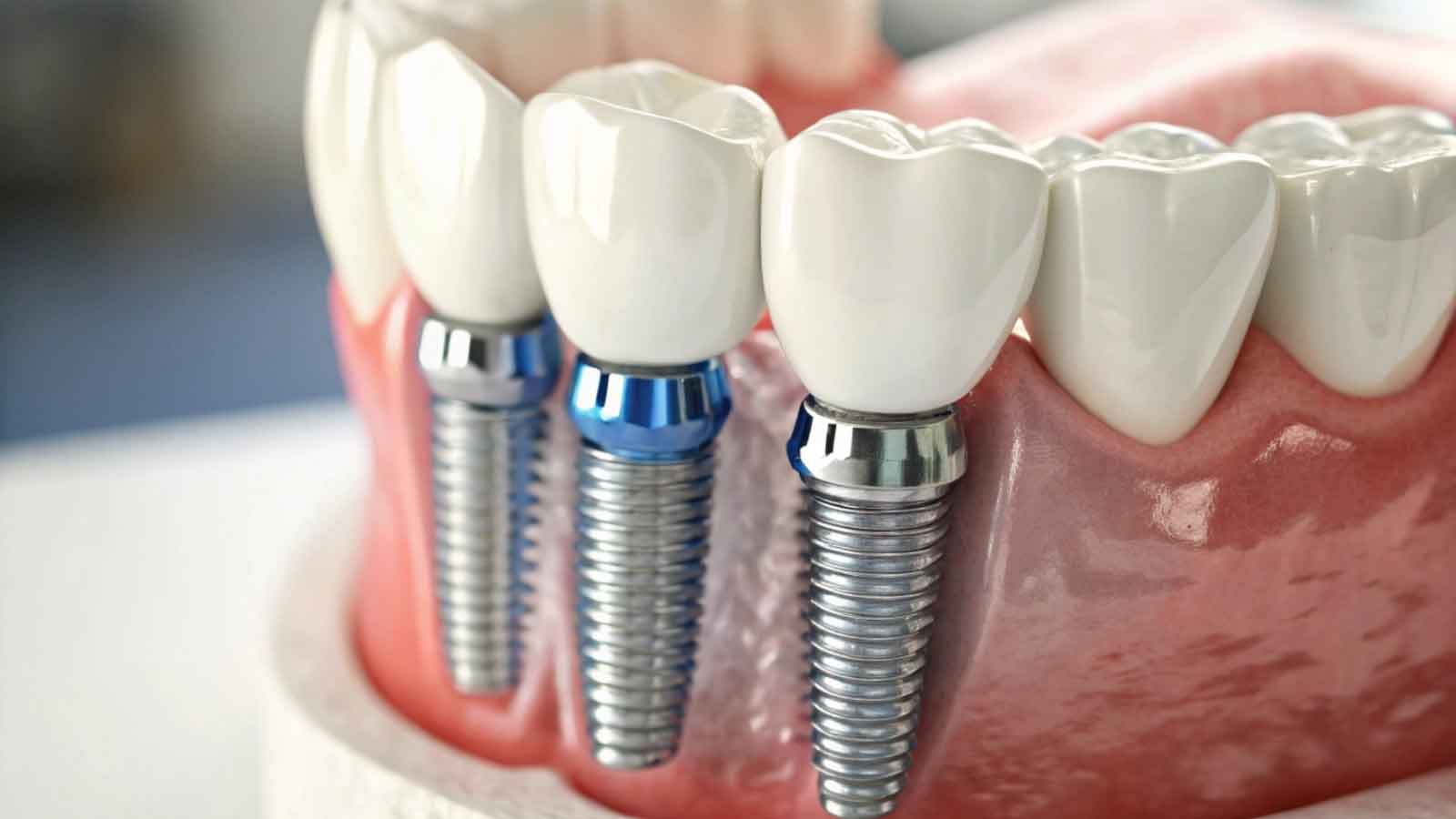
Dental implants replace missing tooth roots with biocompatible posts placed in the jawbone. These posts act as stable anchors for crowns, bridges, or dentures. Each implant includes a titanium or zirconia post, a connecting abutment, and the final restoration.
Together, these parts restore function, appearance, and bite stability.
After the implant is placed, the bone begins to fuse with the post through a process called osseointegration. This bond locks the implant into place and creates a foundation strong enough to handle chewing forces.
Once healed, the abutment and final restoration are attached, allowing the implant to function like a natural tooth.
Dental Implant Lifespan & Contributing Factors
Dental implants can last several decades, and many patients keep them for life when they maintain strong oral hygiene and stable bone support. Their expected lifespan often reaches 20 to 30 years, with the implant post lasting the longest and the crown needing replacement sooner.
Several factors influence how dependable they remain, which is why implants do not have a universal lifespan for every patient.
Key factors that shape durability include:
- Quality and density of the jawbone that holds the implant
- Daily hygiene habits and consistency with plaque control
- Gum health and history of periodontal issues
- Bite pressure, clenching patterns, and nighttime grinding
- Smoking or tobacco use that slows healing
- Medical conditions like diabetes or osteoporosis
- Previous dental trauma or treatments, such as fixing a cracked tooth
Long-term success depends on stability, inflammation control, and routine checkups. Good habits support the tissues around the implant.
Minor issues need early attention. Prevention always works better than treatment. Implants last longest when your dental team monitors them regularly.
Common Reasons Why Dental Implants Fail and Warning Signs You Should Know

Implants fail when bone does not fuse well, when bacteria cause inflammation around the implant, or when excessive force damages the supporting tissues. Medical conditions, poor hygiene, and smoking also raise the risk of long-term complications. Some failures start small, which makes early detection important.
Warning signs to watch for include:
- Gum tenderness or swelling around the implant
- Bleeding when brushing the area
- A loose or shifting sensation when biting
- Persistent discomfort or a change in how the implant feels
Recognizing these signs early helps protect both the implant and the surrounding bone. Prompt treatment prevents further damage. Regular checkups catch problems sooner. The following sections will break down more specific care steps and risk factors you should understand.
Titanium vs. Zirconia Implants and How Their Lifespans Compare
Titanium and zirconia implants both offer strong, dependable tooth-replacement options, but their long-term performance differs slightly based on material, strength, and how they interact with your bone and gums.
- Titanium implants have been used for decades and have the most research supporting their longevity. Their durability, flexibility, and strong osseointegration give them a typical lifespan of 25 years or more, often lasting a lifetime with consistent care. Titanium also handles bite pressure well, making it suitable for most patients.
- Zirconia implants are metal-free and preferred by patients who want a more holistic or aesthetic option. While zirconia integrates well with bone, current data show that it may be slightly more prone to fractures because it is more rigid than titanium. Their lifespan still averages 15 to 20+ years, but long-term studies are fewer because they are newer to the market.
Your expected implant lifespan depends more on bone health, hygiene, and habits than on material alone. But understanding these differences helps you make an informed decision that matches your goals, preferences, and long-term oral health needs.
Essential Care Tips to Maximize Your Dental Implant Longevity
Dental implants stay healthier for longer when you maintain consistent home care and protect the tissues around them. Daily brushing, careful flossing, and routine cleanings form the foundation of long-term success. These steps keep bacteria under control and reduce the risk of inflammation or bone loss.
You also protect your implant by managing medical conditions, breaking harmful habits, and following your dentist’s specific guidance. Patients who struggle with dental visits can benefit from tips for managing dental anxiety, since delaying care can increase risks.
Key care practices that support implant longevity include:
- Daily plaque removal using a soft toothbrush and low-abrasive paste
- Flossing or using interdental cleaners designed for implant safety
- Routine dental checkups that monitor bone health and gum stability
- Wearing night guards if you grind or clench
- Avoiding smoking and limiting hard foods that strain the crown
Long-lasting implants depend on stable gums, strong bone, and early intervention. Healthy habits reduce complications. Minor problems stay manageable when you address them quickly. Consistency matters more than perfection.
How Renovo Endodontic Studio Can Help
Renovo Endodontic Studio supports patients by protecting the bone and soft tissues surrounding dental implants. Our practice focuses on diagnosing inflammation early, treating infections that threaten implant stability, and preserving natural tooth structure whenever possible.
This approach strengthens overall oral health and lowers the risk of future implant complications. Patients also gain peace of mind knowing they are supported by trusted endodontists who specialize in managing complex dental conditions.
Our team provides comprehensive care through:
- Advanced 3D imaging that guides precise diagnostic planning
- Minimally invasive treatments that protect surrounding tissues
- Collaborative care that supports both implant planning and long-term health
- Evidence-based procedures that address infections near implant sites
Renovo helps maintain a stable foundation for any implant you already have or plan to receive. Early evaluation prevents long-term issues. Clear communication enables you to understand each step. Strong clinical support leads to better outcomes.


