


A failed root canal does not always mean losing the tooth. Root canal retreatment in Chicago, IL, offers a dependable way to resolve what the first procedure left behind and keep the natural tooth in place. At Renovo Endodontic Studio, our specialists combine high-resolution imaging with refined instruments and a deliberate clinical approach, correcting what the original treatment missed and preserving your natural tooth rather than removing it.
Why Treated Teeth Need Retreatment
Root canals help many patients relieve infection, protect their natural teeth, and maintain long-term oral health. However, a treated tooth can develop new problems months or years later. When pain, swelling, or signs of infection return, identifying the cause helps determine the right next step.
Several factors can cause a previously treated tooth to need another evaluation:
- Missed Canals: Narrow, curved, or complex canals may not have been fully cleaned during the first procedure.
- Returning Infection: Bacteria can re-enter the tooth through a cracked, loose, or worn crown.
- Late Restoration: Waiting too long to place a permanent crown can leave the tooth vulnerable to contamination.
- Broken Instruments: A small file fragment may block part of the canal and limit proper cleaning or sealing.
- Calcified Passages: Hardened canal spaces can make it difficult to reach and treat the full root canal system.
If a previously treated tooth continues to hurt or shows signs of reinfection, root canal retreatment in Chicago, IL, addresses the source of the problem and preserves the natural tooth. Renovo Endodontic Studio uses detailed 3D imaging to evaluate the tooth, locate the issue, and plan treatment with greater precision.
Our Root Canal Retreatment Process
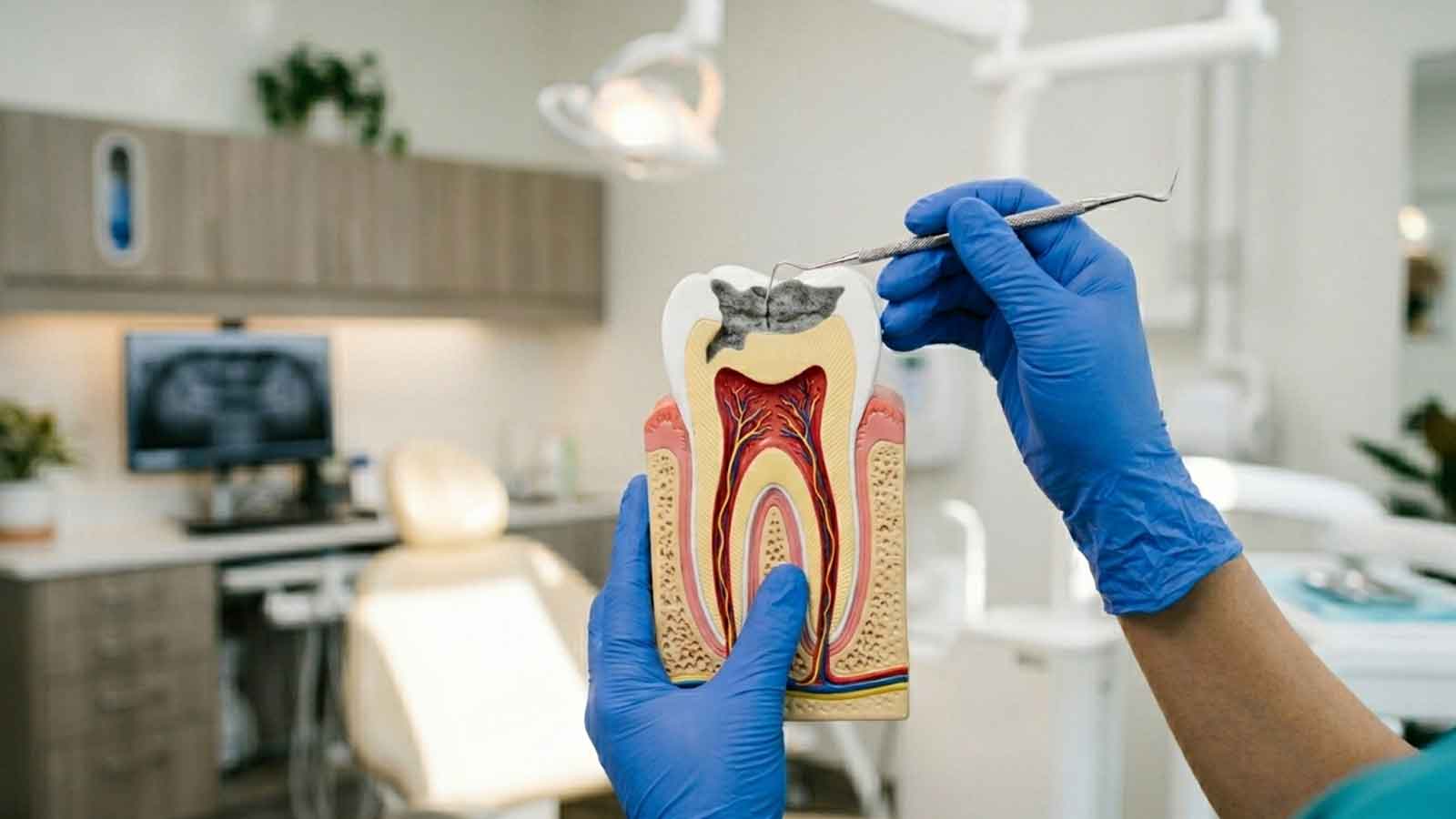
Root canal retreatment in Chicago, IL, begins with finding out why the first treatment did not resolve the problem. Our endodontic specialists evaluate the tooth carefully before reopening it, so they can identify infection, missed anatomy, or other issues that may affect long-term healing.
Our practice uses advanced imaging, operating microscopes, and precise techniques to treat complex cases with a higher level of detail than a general dental setting typically allows.
Step 1: Accessing the Tooth Again
Before treatment begins, your specialist fully numbs the area for comfort. They then remove the existing crown or filling to reach the root canal system while preserving as much healthy tooth structure as possible.
Step 2: Removing the Original Filling
Once the canals are accessible, your specialist removes the previous filling material, often gutta-percha. Operating microscopes magnify and illuminate the inside of the tooth, helping the specialist locate narrow canals, hidden anatomy, or areas that need additional care.
Step 3: Disinfecting Each Canal
After removing the old material, our specialist reshapes, cleans, and disinfects each canal. Retreatment often allows the endodontist to address canals that were missed, blocked, or difficult to treat during the first procedure.
If a dental injury contributed to the tooth’s condition, our team can incorporate trauma management into the same treatment plan.
Step 4: Resealing and Restoring
Once the canals are clean and dry, your specialist fills them with new biocompatible material and seals the space to help protect the tooth from new bacteria. A temporary restoration closes the tooth at the end of the visit.
Your general dentist later places a permanent crown or final restoration to protect the tooth and restore normal chewing function.
Recovery
In the days following retreatment, mild soreness or sensitivity is normal as the surrounding tissue settles, and most patients manage it with over-the-counter pain relievers and the aftercare guidance we provide. Your specialist may arrange follow-up imaging to confirm the tooth is healing as expected. For a fuller picture of long-term results, our guide on how long a retreated root canal lasts explains what to expect.
When Retreatment Isn’t the Answer
Root canal retreatment in Chicago, IL, can help many patients keep a previously treated tooth. However, not every tooth is a good candidate.
In these cases, your specialist gives you a clear, honest explanation of what they find and which options make the most sense for your oral health.
Common reasons a tooth may not qualify for retreatment include:
- Vertical Root Fracture: A crack that runs down the root and usually cannot be repaired.
- Severe Bone Loss: Infection has damaged too much of the bone that supports the tooth.
- Insufficient Tooth Structure: The tooth no longer has enough healthy material to support a crown.
- Persistent Apical Infection: Infection near the root tip may need microsurgery, such as an apicoectomy (a minor surgery to remove the infected root tip), instead of nonsurgical retreatment.
When taking the tooth out makes more sense, our team also performs tooth extraction, and we can review implant options to rebuild your smile once you’ve healed. Clear, transparent treatment planning is part of our standard approach.
What Makes Renovo Endodontic Studio Different
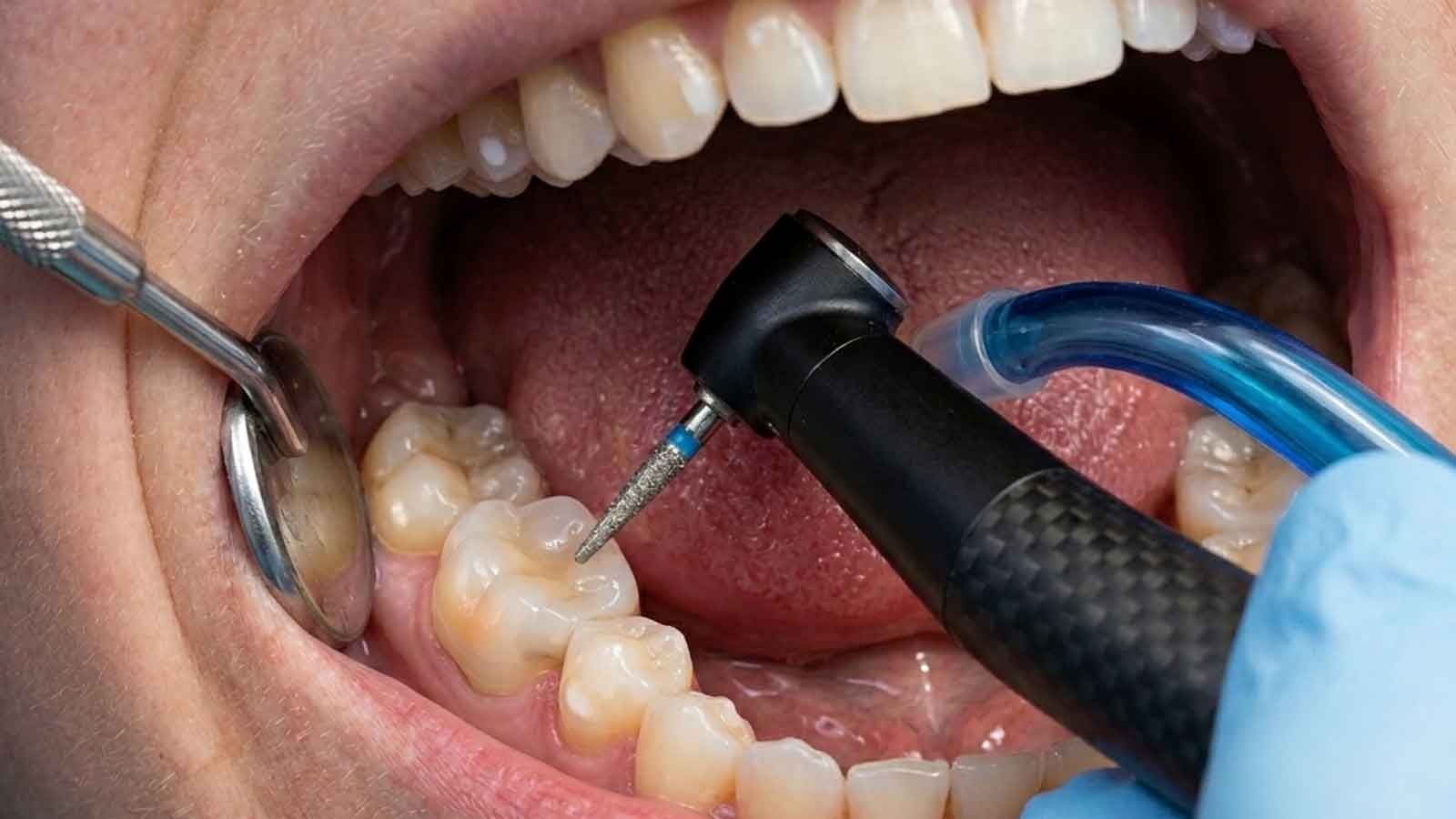
Retreatment is some of the most exacting work in endodontics. It demands specialist training, precise diagnostics, and real experience handling anatomy already altered by previous treatment.
At Renovo Endodontic Studio, endodontic retreatment in Chicago, IL, is carried out by providers who have built entire careers around saving teeth.
A Specialist-Only Practice
Every provider at Renovo Endodontic Studio finished an accredited endodontic residency on top of dental school, so this is not an occasional task. It’s the core of what they do each day. That depth matters most when a case involves complex anatomy, a previous treatment that did not deliver, or a patient still anxious after a difficult first experience.
Imaging That Reveals What’s Hidden
We rely on cone-beam computed tomography (CBCT), a 3D scan capturing cross-sectional views of the tooth and surrounding bone. Standard 2D X-rays frequently miss the additional canals, hairline fractures, or bone shifts behind a failure. CBCT removes the guesswork and gives your specialist the complete picture before root canal retreatment in Chicago, IL, gets underway.
Instruments Built for Tough Cases
Operating microscopes are standard on every retreatment our endodontists perform, not a selective upgrade. GentleWave technology is also available at select locations. Together, these tools meaningfully improve outcomes in complex retreatment cases.
Sedation for Anxious Patients
Many patients seeking retreatment carry anxiety from a difficult first procedure. We offer sedation options, including oral conscious sedation and, at applicable locations, nitrous oxide, to keep you comfortable throughout. Your care team reviews the right option with you before treatment begins.
Schedule Your Consultation Now
When an already-treated tooth causes pain, swelling, or worry, delaying treatment only allows the problem to progress. Renovo Endodontic Studio serves Chicago patients from convenient locations in Schaumburg, Elgin, Downers Grove, and Rockford, caring for patients throughout Northern Illinois.
Reach out today to schedule your consultation and learn whether your tooth can be saved.
FAQs about Root Canal Retreatment in Chicago
Is Root Canal Retreatment Worth It?
Yes. When enough tooth structure remains and the infection can be reached, root canal retreatment in Chicago, IL, is usually worth it. Keeping the natural tooth is almost always preferable to extraction and replacement, and a tooth that recovers after a second treatment can serve you well for years with proper care.
How Many Times Can a Root Canal Be Retreated?
A root canal can generally be redone once or twice, depending on the condition of the tooth and what caused the original failure. Beyond that, endodontic microsurgery or removal may be the more appropriate option. Your specialist studies the tooth carefully before recommending any direction.
Can a Root Canal Fail Two Years Later?
Yes. A root canal can break down months or even years afterward. Late failures often come from new decay, a failing restoration, or a missed canal that allowed bacteria to accumulate undetected. Retreatment targets that delayed source directly.
How Painful Is Root Canal Retreatment?
For most people in Chicago, IL, root canal retreatment is usually comparable to the original root canal. The tooth is fully numbed before work begins, and sedation is available for patients with genuine anxiety. Any soreness afterward is usually mild and settles within a few days.
How Long Does Root Canal Retreatment Take to Heal?
Surface soreness tends to ease within three to five days. Complete healing of the bone and tissue around the root can take several months, which is why follow-up X-rays are taken afterward. Most patients return to their usual routine the day after treatment.
How Do I Find a Root Canal Retreatment Specialist in Chicago?
Look for a board-eligible or board-certified endodontist who handles retreatment regularly and works with CBCT imaging and operating microscopes. Renovo Endodontic Studio serves Chicago patients and focuses specifically on saving treated teeth. You can book a consultation to have your tooth evaluated before any work is scheduled.


