

Types of Dental Implants: Which One Is Right for Your Smile?
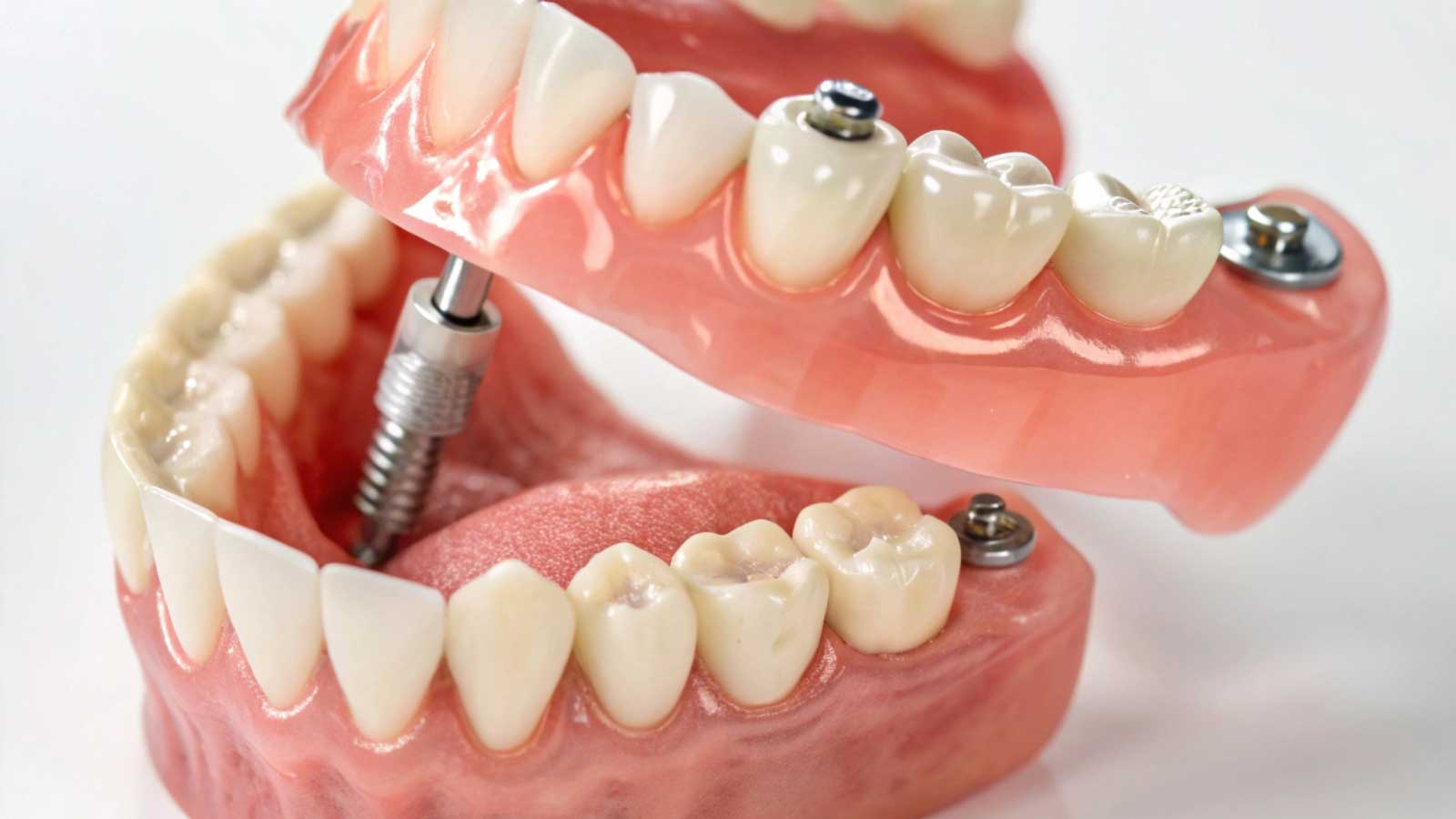
If you’re missing a tooth or several, you may be facing challenges with your smile, eating, or even speaking. Dental implants provide a reliable solution, but choosing the right type can be confusing. With several options available, it’s essential to know which implant is best suited for your oral health and lifestyle.
In this blog, we’ll explore the different types of dental implants and how each one serves specific needs. Whether you’re looking for a single-tooth replacement or a full-arch restoration, the right implant can restore your confidence and function.
By the end of this post, you’ll have a better understanding of which type of dental implant is right for your smile.
Dental implants are a long-term solution that can change the way you look and feel. Let’s dive into the different options and help you make an informed decision.
Table of Contents
- What Are Dental Implants and How Do They Work?
- The Main Types of Dental Implants Based on Placement Method
- Endosteal Implants: The Most Common and Versatile Option
- Subperiosteal Implants: A Solution for Patients with Insufficient Bone
- Zygomatic Implants: An Advanced Option for Severe Upper Jaw Bone Loss
- Types of Dental Implants Based on Restoration and Tooth Replacement
- Fixed Implants for Permanent Single or Multiple Tooth Replacement
- Removable Implants for Flexible Denture Solutions
- Implant-Supported Bridges for Replacing Several Consecutive Teeth
- Implant-Supported Dentures for Full Arch Restoration
- Which Dental Implant Is Right for You?
- Call us Today

What Are Dental Implants and How Do They Work?
Dental implants are titanium posts or frames that are surgically placed into your jawbone to act as a stable foundation for artificial teeth, such as crowns, bridges, or dentures. Unlike other tooth replacement options, implants fuse with your bone, making them a long-lasting and secure solution.
When considering dental implants, here are some key features and benefits to understand:
- Durable foundation: Implants integrate with the jawbone through a process called osseointegration, creating stability comparable to natural tooth roots.
- Versatile restoration: They can support single crowns, multiple teeth, bridges, or even full-arch dentures.
- Long-term benefits: Implants help prevent bone loss, maintain facial structure, and restore natural chewing and speaking function.
The procedure begins with surgically placing the implant into the jawbone. Over time, the bone fuses with the implant, anchoring it firmly in place. Once healed, a crown, bridge, or denture is attached to complete your tooth replacement.
Some additional advantages of dental implants include:
- Natural appearance: Implant restorations look and feel like real teeth.
- Enhanced oral function: Patients regain the ability to chew and speak comfortably.
- Longevity: With proper care, implants can last a lifetime.
Dental implants provide an effective solution for missing teeth, combining both functional and aesthetic benefits to restore your smile and confidence.
The Main Types of Dental Implants Based on Placement Method
Dental implants are categorized by where and how they are placed in the jaw. The main types of implants vary in their placement techniques, offering solutions for different patient needs. Depending on the condition of your jawbone and the nature of your tooth loss, one method may be more suitable than the others.
Endosteal Implants: The Most Common and Versatile Option
Endosteal implants are the most widely used type of dental implant. They are placed directly into the jawbone, where they fuse with the bone over time, creating a stable base for artificial teeth. Typically, these implants are made of titanium, a material known for its strong bonding to bone tissue.
The procedure involves surgically inserting the implant into the jawbone. After a healing period, a post is attached to the implant, and a crown, bridge, or denture is placed on top. Endosteal implants are suitable for patients with healthy jawbones and can replace one or multiple teeth.
Key benefits of endosteal implants include:
- High success rate: Proven to be reliable and long-lasting for most patients.
- Versatility: Can support single crowns, bridges, or even full-arch restorations.
- Natural appearance and function: Closely mimics the look and feel of real teeth.
- Bone preservation: Helps maintain jawbone health by preventing bone loss after tooth extraction.
Endosteal implants provide a durable, functional, and aesthetically pleasing solution for tooth replacement, making them an excellent choice for most patients.
Subperiosteal Implants: A Solution for Patients with Insufficient Bone
Subperiosteal implants are an option for patients who do not have sufficient bone to support an endosteal implant. Unlike endosteal implants, subperiosteal implants rest on the jawbone, above the gum tissue. This type of implant is ideal for those with bone loss that makes traditional implants unfeasible.
The procedure for subperiosteal implants involves placing a metal frame under the gum tissue. Over time, the gums heal, and the implant becomes firmly anchored. If you’ve been told why dentists refer patients to an endodontist due to concerns about bone health, subperiosteal implants may offer a suitable alternative.
Subperiosteal implants are a good solution for those with significant bone loss. They offer a secure tooth-replacement option that does not require bone grafting.
Zygomatic Implants: An Advanced Option for Severe Upper Jaw Bone Loss
Zygomatic implants are used in cases of severe bone loss in the upper jaw, particularly when other implant options are no longer viable. These implants are anchored in the zygomatic bone, or cheekbone, rather than the jawbone. This makes them a suitable choice for patients who have lost significant bone mass in the upper jaw but still need a secure foundation for implants.
The procedure for placing zygomatic implants is more complex, as it involves securing the implants into the cheekbone. This option eliminates the need for bone grafts in many cases, allowing patients with extensive bone loss to get a stable restoration. Zygomatic implants are typically used for full arch replacements in patients who would otherwise not be candidates for traditional implants.
Zygomatic implants provide a solution for patients with advanced bone loss in the upper jaw. They offer a way to restore oral health and aesthetics without grafting.
Types of Dental Implants Based on Restoration and Tooth Replacement

Dental implants can also be classified based on the type of restoration they support. Different implant restorations are designed to meet the needs of patients who need to replace a single tooth, multiple teeth, or an entire arch.
Choosing the proper restoration will depend on your specific oral health requirements and preferences.
Fixed Implants for Permanent Single or Multiple Tooth Replacement
Fixed implants are an excellent solution for replacing either a single tooth or several teeth. These implants involve a titanium post surgically placed in the jawbone, providing a secure foundation for crowns or bridges. Once the implant has fused, a permanent restoration is attached, offering a functional and aesthetic replacement for missing teeth.
This option provides a permanent and stable solution without the need for removable dentures. Fixed implants are ideal for those seeking a long-term, maintenance-free restoration that behaves like natural teeth. They are designed to last for many years, with proper care and maintenance.
Fixed implants provide the most natural feel and appearance for tooth replacement. They offer a reliable, permanent solution for patients who want to restore their smile and bite function.
Removable Implants for Flexible Denture Solutions
Removable implant-supported dentures are designed for patients who need to replace multiple teeth but prefer a removable option. These implants provide support for dentures, making them more stable and comfortable than traditional dentures. The implants are placed in the jawbone, and the dentures are securely attached to them, preventing slippage.
This solution offers greater flexibility compared to fixed implants. Patients can remove the dentures for cleaning or during sleep, making them easier to maintain. Removable implants are an excellent choice for those who want the stability of implants but still need the convenience of removable dentures.
Removable implants offer the best of both worlds. They provide the comfort and stability of implants while allowing patients the flexibility to remove their dentures when needed.
Implant-Supported Bridges for Replacing Several Consecutive Teeth
Implant-supported bridges are ideal for patients who need to replace several consecutive missing teeth. Instead of relying on adjacent teeth for support, as with traditional bridges, implant-supported bridges use dental implants to anchor the bridge securely. This method preserves the health of the surrounding teeth and provides a more stable solution.
The process involves placing two or more implants in the jawbone, followed by attaching a bridge to fill the gap left by missing teeth. Implant-supported bridges are strong, functional, and comfortable, offering a long-term solution for replacing multiple teeth. These bridges help prevent the shifting of adjacent teeth, a common issue with traditional bridges.
With the latest advancement in digital dentistry, implant-supported bridges can now be designed and placed with even more precision and efficiency. This ensures a better fit and more natural-looking results, helping patients maintain symmetry across multiple missing teeth.
Implant-Supported Dentures for Full Arch Restoration
Implant-supported dentures offer a solution for patients who need to replace a complete set of upper or lower teeth. Unlike traditional dentures, which rely on adhesives, implant-supported dentures are anchored by implants placed in the jawbone. This creates a more stable, comfortable fit, reducing the risk of slippage while eating or speaking.
The implants securely hold the dentures in place, allowing greater comfort and function. Implant-supported dentures are designed for patients who need to restore an entire arch of teeth but want the added security of implants. This type of restoration supports fuller facial contours and allows patients to enjoy the full function of their teeth without worrying about dentures moving or causing discomfort.
Implant-supported dentures are ideal for patients seeking complete arch restoration with the stability and security of implants. They offer a long-term solution that enhances both comfort and oral function.
Which Dental Implant Is Right for You?
Choosing the right dental implant depends on several factors, including your oral health, jawbone condition, and personal preferences. If you have enough healthy bone, endosteal implants are often the best option.
However, if you’ve experienced bone loss, subperiosteal or zygomatic implants may be better suited to your needs. Consulting with a professional can help determine the best type based on these factors.
Here are key factors to consider when choosing a dental implant:
- The amount of healthy jawbone available for implant placement
- Your overall oral health, including the health of your gums
- The location and number of teeth that need to be replaced
- Your personal goals for aesthetics and functionality
- Any previous dental work that may influence your treatment options
At Renovo Endodontic Studio, we guide you through selecting the best dental implant for your needs. As leading endodontists, we take a personalized approach to ensure your implant choice aligns with your long-term oral health goals.
Call us Today

If you’re considering dental implants, it’s essential to get professional guidance to ensure the best results. Our team at Renovo Endodontic Studio is here to help you choose the right implant option and provide a seamless treatment experience.
Whether you’re missing a single tooth or need a complete arch restoration, we can create a custom plan tailored to your needs.
Take the next step toward restoring your smile by scheduling a consultation with us today. Our team of experts will guide you through the process, ensuring you feel confident at every step.


