

What Actually Happens During a Root Canal? A Step-by-Step Timeline
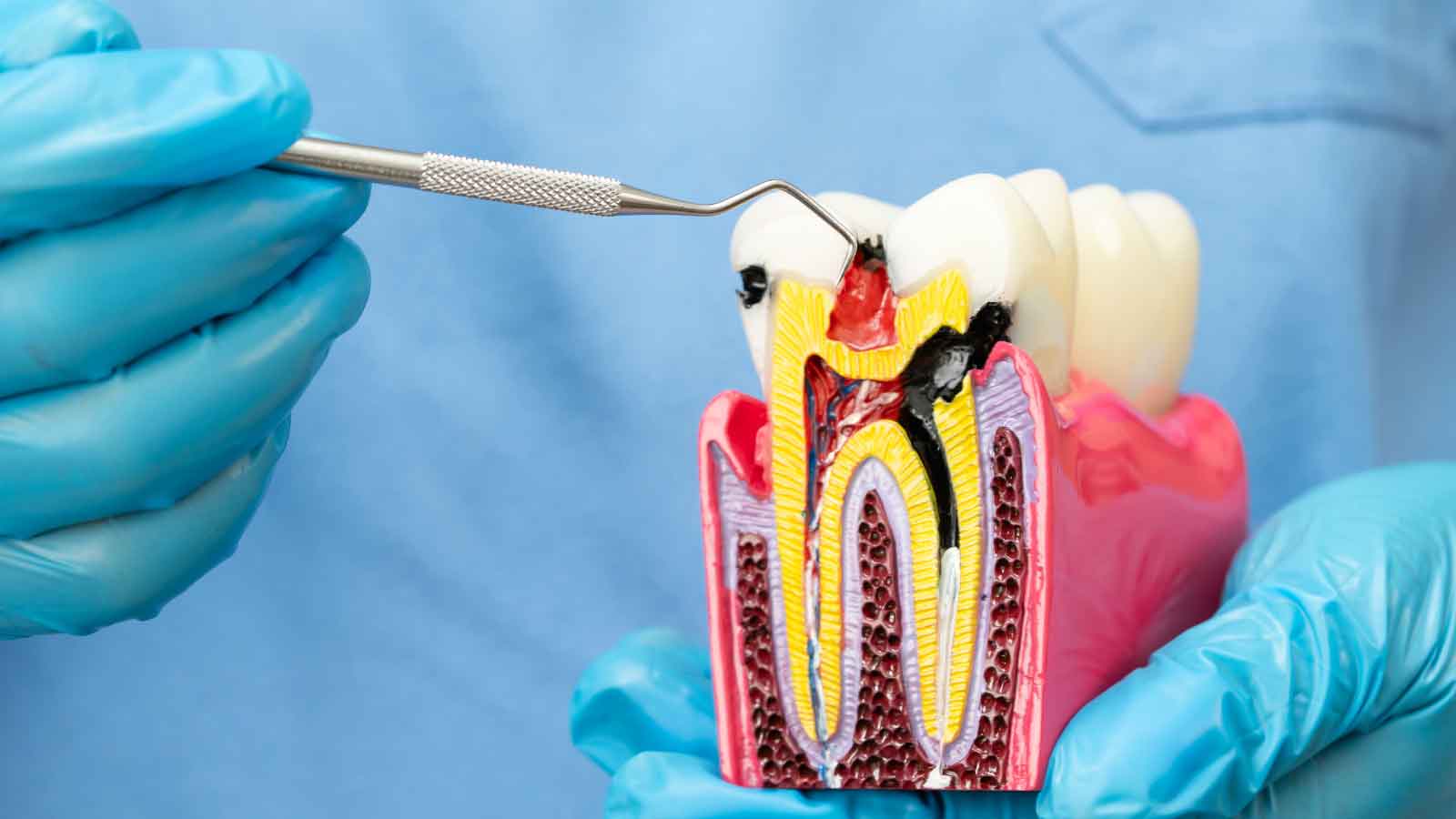
Most people dread hearing the words “you need a root canal,” and it happens more than you think. That fear is usually rooted in myths rather than reality. The truth is, modern root canal treatment is a precise, pain-relieving procedure that leaves many patients feeling no worse than getting a filling.
To help you learn more about this, we will cover exactly what happens during root canal treatment, how long each stage takes, what makes some cases more complex than others, and how to manage anxiety before you sit down in the chair. Read on for a clear look at every stage, start to finish.
Table of Contents
- What Is a Root Canal Treatment?
- The Step-by-Step Timeline of a Root Canal Treatment
- What Makes a Root Canal More Complex?
- Managing Anxiety Before and During a Root Canal
- Talk to Your Endodontist Beforehand
- Know What to Expect at Each Step
- Use Relaxation Techniques in the Chair
- Ask About Sedation Options
- How Renovo Endodontic Studio Can Help
- Frequently Asked Questions
- What Is the Step-by-Step Process of a Root Canal?
- Is a Root Canal a Minor Surgery?
- How Many Days of Rest Are Needed After a Root Canal?
- How Painful Is a Root Canal on a Scale of 1 to 10?
- How Do You Stay Calm During a Root Canal?
- How Long Does a Root Canal Take?
- Can a Root Canal Fail?

What Is a Root Canal Treatment?
A root canal is a dental procedure that removes infected or damaged tissue from inside a tooth, then cleanses and seals the inner canals to stop infection and preserve the natural tooth structure. It’s performed when the soft tissue inside the tooth, called the pulp, becomes inflamed or infected due to deep decay, a crack, or trauma.
In simpler terms, this treatment is a tooth-saving procedure that eliminates infection and relieves pain without removing the tooth.
Left untreated, a pulp infection spreads. It can reach the surrounding bone, cause an abscess, and eventually make extraction the only option. A root canal stops that process early and gives the tooth a full, functional future.
The Step-by-Step Timeline of a Root Canal Treatment
Root canal treatment typically takes between 60 and 90 minutes, though complex cases may require two visits. The procedure follows a clear sequence, and every stage has a specific purpose.
Here is a breakdown of what happens at each step:
| Stage | What Happens |
| Step 1: Diagnosis and Imaging | X-rays or CBCT scans map the shape and condition of the root canals and confirm the extent of damage before any treatment begins. |
| Step 2: Numbing and Isolation | A local anesthetic is administered to completely numb the tooth and surrounding tissue. A rubber dam is placed to keep the area clean and dry throughout the procedure. |
| Step 3: Accessing the Tooth | A small opening is made through the crown of the tooth to reach the pulp chamber below. |
| Step 4: Removing the Pulp | Specialized hand and rotary files remove the infected or dead pulp tissue from the chamber and each canal. |
| Step 5: Cleaning and Shaping | The canals are flushed with antiseptic irrigation solutions to eliminate remaining bacteria, then shaped with files to prepare them for filling material. |
| Step 6: Filling and Sealing | Each canal is filled with gutta-percha, a biocompatible rubber-like material, then sealed with adhesive cement to prevent reinfection. |
| Step 7: Temporary Filling | A temporary filling covers the access opening to protect the tooth while it heals before the final restoration is placed. |
| Step 8: Final Restoration | At a follow-up appointment, a permanent crown or filling is placed to restore the tooth’s strength and function. |
Each stage builds on the last. Skipping or rushing any step increases the risk of complications, which is why specialist-level precision at every phase matters for long-term success.
For a closer look at what to expect after the procedure, read this:
👉 Root Canal Recovery: Timeline, Healing Stages, and When to Call Your Dentist.
What Makes a Root Canal More Complex?
Not every root canal follows the same path. Some teeth are straightforward, and treatment can be completed in a single appointment. Others present anatomical or clinical challenges that require more time, advanced imaging, and specialist-level experience.
Several factors can make treatment more involved:
- Canal Count: Back molars typically have three to four canals, while front teeth often have just one. More canals mean more work and a longer appointment.
- Curved or Narrow Canals: Canals that curve sharply or taper significantly are harder to clean thoroughly and carry a higher risk of instrument fatigue during shaping.
- Calcified Canals: Years of irritation can cause calcium deposits to narrow or completely block a canal, making it difficult to locate and treat without 3D imaging.
- Prior Treatment History: Teeth that have had a previous root canal or restoration may have posts, separated instruments, or altered anatomy that complicates retreatment.
- Severity of Infection: Advanced infections with significant bone involvement may require additional appointments to clear the infection before the canals are sealed fully.
Understanding these variables is part of what endodontists are specifically trained to manage. In cases where a previous root canal treatment didn’t hold, retreatment remains an option worth exploring before considering extraction.
Managing Anxiety Before and During a Root Canal

Dental anxiety is real, and root canals carry more fear than almost any other procedure. Most of that fear stems from uncertainty about what the procedure actually involves. There are practical, proven ways to manage it before and during treatment so the experience doesn’t feel bigger than it actually is.
Talk to Your Endodontist Beforehand
Call ahead and let the team know you’re anxious. A good endodontist will walk you through every step before starting, answer your questions honestly, and adjust the pace of treatment to keep you comfortable.
You can also ask what sensations are normal during each phase. Knowing that pressure during filling is expected, or that the numbing injection is the most uncomfortable part, takes a lot of the surprise out of the appointment. Most patients say the anticipation is worse than the procedure itself.
Know What to Expect at Each Step
Anxiety spikes when things feel unpredictable. Reading through the step-by-step timeline above puts you in control of the experience before you even arrive. When you understand what each sound and sensation means, small moments that might otherwise feel alarming become easy to place.
It also helps to know that you can signal your provider to stop at any point. Most endodontists use a simple hand signal system so patients never feel trapped in the chair. That small sense of control makes a measurable difference for anxious patients.
Use Relaxation Techniques in the Chair
Controlled breathing, listening to music through earbuds, or simply focusing on a fixed point on the ceiling can lower your nervous system response during treatment. These aren’t just distractions. Slow, deliberate breathing actively reduces the physical stress response and makes the body easier to keep still.
Renovo Endodontic Studio’s leading endodontists keep the environment calm and quiet, with the pace of treatment adjusted to what each patient actually needs. If you need a moment to reset mid-procedure, just signal, and the team will pause.
Ask About Sedation Options
If standard anxiety management isn’t enough, sedation dentistry is a legitimate option worth asking about. Nitrous oxide works quickly and wears off fast, making it a good fit for mild to moderate anxiety. Oral sedation and IV sedation are available for patients who need a deeper level of relaxation, particularly for longer or more complex appointments.
Sedation doesn’t mean being unconscious. Most patients remain aware and responsive throughout, just far more relaxed than they’d be otherwise. There’s no need to push through severe anxiety when sedation can make the entire experience manageable at every stage.
How Renovo Endodontic Studio Can Help

Renovo Endodontic Studio is a specialty practice focused on one goal: saving teeth through expert endodontic care. With locations in Schaumburg, Elgin, Downers Grove, and Rockford, our practice brings specialist-level skill close to home for patients across Northern Illinois.
Here is what sets our practice apart for patients facing a root canal:
- Endodontic Specialists Only: Every provider at Renovo completed advanced residency training beyond dental school, with a focus exclusively on root canal treatment, retreatment, and microsurgery.
- 3D CBCT Imaging: Cone-beam imaging provides the team with a precise, three-dimensional view of canal anatomy before treatment begins, reducing guesswork in complex cases.
- Operating Microscopes: High-magnification microscopes provide a level of detail that standard dental equipment cannot match, especially in calcified or curved canals.
- Sedation Options Available: We offer sedation dentistry for anxious patients, making treatment accessible even for those who have avoided care for years.
- Trusted by Illinois Patients: With thousands of positive Google reviews, Renovo’s reputation for gentle, high-quality care speaks for itself.
Ready to move forward? Schedule a consultation with Renovo Endodontic Studio and get a clear treatment plan from a specialist who can answer every question before you sit in the chair.
Frequently Asked Questions
What Is the Step-by-Step Process of a Root Canal?
A root canal follows eight stages: diagnosis and imaging, numbing and isolation, accessing the tooth, removing the pulp, cleaning and shaping the canals, filling and sealing, placing a temporary filling, and finishing with a permanent crown or restoration. Each stage is designed to fully clear the infection and protect the tooth in the long term.
Is a Root Canal a Minor Surgery?
A root canal is not classified as surgery. It is a non-surgical endodontic procedure performed through the crown of the tooth, with no incisions or stitches involved. Endodontic surgery, such as an apicoectomy, is a separate procedure reserved for cases where a standard root canal cannot fully resolve the problem.
How Many Days of Rest Are Needed After a Root Canal?
Most patients return to normal activities the same day or within 24 hours. Mild soreness and sensitivity around the treated tooth are common for two to three days. Avoiding hard or crunchy foods on that side of the mouth during the first few days helps the tooth heal without added stress.
How Painful Is a Root Canal on a Scale of 1 to 10?
For most patients, the procedure itself rates around a 1 to 2 on a pain scale. The local anesthetic eliminates sensation during treatment, so patients mostly feel pressure rather than pain. The days following treatment may bring mild discomfort in the range of 2 to 4, which typically resolves with over-the-counter pain medication.
How Do You Stay Calm During a Root Canal?
Telling your endodontist about your anxiety before the appointment is one of the most effective steps. During the procedure, controlled breathing, music through earbuds, and agreeing on a hand signal to pause treatment can all help. For patients with significant anxiety, sedation is a practical option that makes the experience far more comfortable.
How Long Does a Root Canal Take?
A straightforward root canal on a front tooth can take as little as 60 minutes. Molars with multiple canals or more complex anatomy typically take 90 minutes or longer. Cases involving severe infection, calcified canals, or retreatment may require two appointments to complete properly.
Can a Root Canal Fail?
Root canal treatment has a high success rate, but reinfection or treatment failure can occur, usually due to a new crack, an undetected canal, or a delayed permanent restoration. When a root canal does fail, retreatment by an endodontist is often the best path to saving the tooth before extraction becomes necessary.


