

10 Questions to Ask Your Endodontist Before a Root Canal
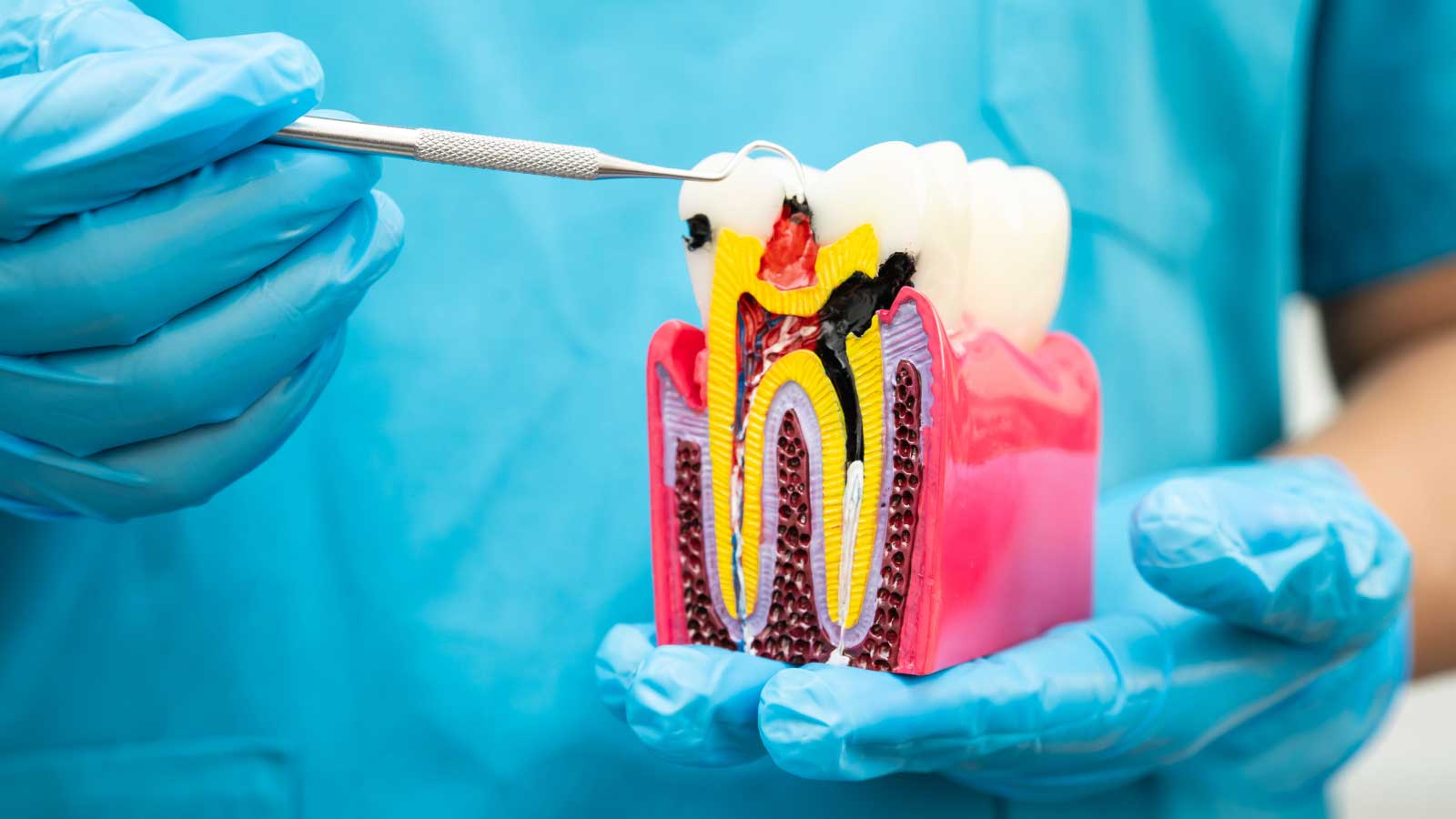
Getting a root canal treatment can feel overwhelming, especially when you don’t know what to expect. The more prepared you are for your appointment, the more confident and at ease you’ll feel throughout the process.
Here, you’ll find the most important questions to bring to your consultation, from what the procedure involves and how pain is managed, to what recovery looks like and what happens if something goes wrong down the road.
Table of Contents
- Why Asking the Right Questions Matters
- Questions to Ask Before Your Root Canal
- 1. Is a Root Canal Actually Necessary for My Tooth?
- 2. What Is the Success Rate for My Specific Situation?
- 3. How Long Will the Procedure Take?
- 4. How Will You Manage My Pain During the Procedure?
- 5. What Sedation Options Are Available to Me?
- 6. Can I Go Back to Work After a Root Canal?
- 7. Will I Need a Crown After the Procedure?
- 8. What Should I Expect During Recovery?
- 9. What Will This Cost and What Does My Insurance Cover?
- 10. What Happens If the Root Canal Doesn’t Succeed?
- How Can Renovo Endodontic Studio Help?
- Go Into Your Appointment Prepared

Why Asking the Right Questions Matters
Showing up to your endodontic appointment with questions isn’t a sign of doubt. It’s a sign of a patient who takes their dental health seriously. Your endodontist expects it, and a good one will welcome it.
Knowing what to ask helps you stay calm, make clearer decisions, and avoid surprises. Here are six reasons why asking questions before treatment makes a real difference:
- Reduces Anxiety: Understanding what will happen step by step takes the fear out of the unknown.
- Clarifies the Diagnosis: Asking about the necessity confirms you and your provider are aligned on the treatment plan.
- Sets Realistic Expectations: You’ll know what’s normal to feel after the procedure and what’s not.
- Helps You with Planning: Knowing the timeline lets you arrange time off work or childcare without stress.
- Protects Your Budget: Getting clear on cost and coverage upfront prevents financial surprises afterward.
- Opens the Door to Better Care: Patients who ask questions often get more thorough explanations and personalized guidance.
When you walk in prepared, your endodontist can focus less on general reassurance and more on your specific situation. That makes for a smoother, more productive appointment all around.
Questions to Ask Before Your Root Canal
Not all questions are created equal. These ten cover the clinical, practical, and financial details that matter most before you sit down in the chair. Each one targets a different aspect of your care, so nothing gets overlooked.
1. Is a Root Canal Actually Necessary for My Tooth?
This is the most important question to start with. A root canal is recommended when the pulp inside your tooth is infected or severely damaged, but you deserve a clear explanation of why your specific tooth needs treatment and what the infection looks like.
Ask your endodontist what diagnostic tools they used to reach that conclusion. At Renovo Endodontic Studio, 3D digital imaging provides a detailed view of the tooth structure, making the diagnosis far more precise than a standard X-ray alone.
2. What Is the Success Rate for My Specific Situation?
Root canal treatment has a general success rate above 90%, but your individual result depends on factors specific to your tooth. Location, severity of infection, root anatomy, and whether this is a first treatment or a retreatment all affect the prognosis.
Knowing what to ask an endodontist at this stage means going beyond the general statistics. Ask your provider which factors in your case could influence the outcome and what a realistic long-term result for your tooth looks like.
3. How Long Will the Procedure Take?
Most root canals are completed in one to two visits, but the actual time in the chair varies. Factors such as the number of canals in the tooth, the complexity of the root anatomy, and the presence of significant infection can all affect the length of the appointment.
Ask your endodontist for an honest estimate so you can plan your day accordingly. Knowing you may need two to three hours, or that a follow-up visit is likely, helps you avoid being caught off guard.
4. How Will You Manage My Pain During the Procedure?
This is the question most patients want answered, but sometimes feel hesitant to ask. Modern root canal treatment is performed under local anesthesia, meaning you should feel pressure but not pain during the procedure.
If you’ve had experiences where anesthesia didn’t work as expected, bring that up. Your endodontist can adjust the approach, use supplemental anesthesia, or take additional steps to make sure you’re fully numb before anything begins.
5. What Sedation Options Are Available to Me?
Pain management and sedation are two separate things. Local anesthesia handles physical sensation. Sedation handles anxiety, and for many patients, the fear of the procedure is harder to manage than the procedure itself.
Ask about nitrous oxide, oral sedation, and whether IV sedation is available. Renovo Endodontic Studio offers sedation options tailored to patient comfort, which is especially helpful for those with significant dental anxiety or a sensitive gag reflex.
6. Can I Go Back to Work After a Root Canal?
Most patients return to normal activity the same day or the next day. Mild soreness is manageable with OTC medication. Sedated patients may need the rest of the day off. Physically demanding jobs may warrant an extra day of recovery before returning to work.
7. Will I Need a Crown After the Procedure?
In most cases, yes. Once the pulp is removed, the tooth becomes more brittle and more vulnerable to fracture, particularly in back teeth that experience heavy chewing pressure. A crown provides the structural support needed to keep the tooth functional in the long term.
Ask your endodontist when the crown should be placed and how to coordinate that step with your general dentist. Delaying the crown after a root canal is one of the most common reasons treated teeth fail, so getting a clear timeline is worth it.
8. What Should I Expect During Recovery?
Some soreness and mild sensitivity in the days following treatment is completely normal. Understanding the root canal recovery timeline helps you separate what’s expected from what warrants a call back to the office.
Most patients return to normal activity within a day or two. Ask specifically about what pain level is acceptable, what over-the-counter options can help, and what symptoms, like swelling that gets worse or pain that doesn’t fade after several days, should prompt you to follow up.
9. What Will This Cost and What Does My Insurance Cover?
Cost is one of the most common reasons patients delay treatment, and delayed treatment almost always leads to a more complex and expensive situation down the road. Ask for a clear breakdown of the procedure cost and confirm how your insurance applies before the appointment.
Find out if the practice is in-network with your plan and what out-of-pocket expenses you can expect. Renovo’s team is experienced in helping patients understand their coverage and explore payment options so cost doesn’t become a barrier to necessary care.
10. What Happens If the Root Canal Doesn’t Succeed?
This question is about planning, not pessimism. Even with a high success rate, some teeth need retreatment or additional intervention down the line. Knowing your options ahead of time removes the panic if that situation arises.
Ask your endodontist about retreatment candidacy, whether endodontic surgery, like an apicoectomy, might apply in your case, and under what circumstances extraction would be considered. A provider who gives you a clear, honest answer to this question is one you can trust with your long-term care.
How Can Renovo Endodontic Studio Help?
Renovo Endodontic Studio was built around one goal: giving patients the specialist-level care their teeth deserve, in a setting where they actually feel comfortable. The leading endodontists at Renovo Endodontic Studio bring advanced training, modern technology, and a patient-first approach to every procedure.
Here’s what sets the Renovo experience apart from a general dental visit:
- Specialist-Only Focus: Every provider at Renovo Endodotic Studio is an endodontic specialist, not a generalist who adds root canal therapy to a full-service menu.
- Microscope-Assisted Procedures: Surgical microscopes allow for a level of precision that simply isn’t possible with the naked eye.
- 3D Digital Imaging: Cone-beam imaging provides a comprehensive view of root anatomy and infection before treatment begins, eliminating guesswork.
- Same-Day Emergency Appointments: Severe tooth pain doesn’t wait for a convenient opening, and neither does Renovo’s team.
- Sedation Options for Anxious Patients: From nitrous oxide to oral sedation, comfort during treatment is treated as a clinical priority, not an afterthought.
With locations in Schaumburg, Elgin, Downers Grove, and Rockford, specialist endodontic care is accessible no matter where you are in the Chicagoland area.
Go Into Your Appointment Prepared
Knowing what to ask puts you in a far better position, not just to get through the procedure, but to make a confident, informed decision about your dental health. Renovo Endodontic Studio’s team is ready to answer every question on this list and any others you bring through the door.
Schedule your consultation today and take the first step toward saving your tooth with the care it deserves.


