

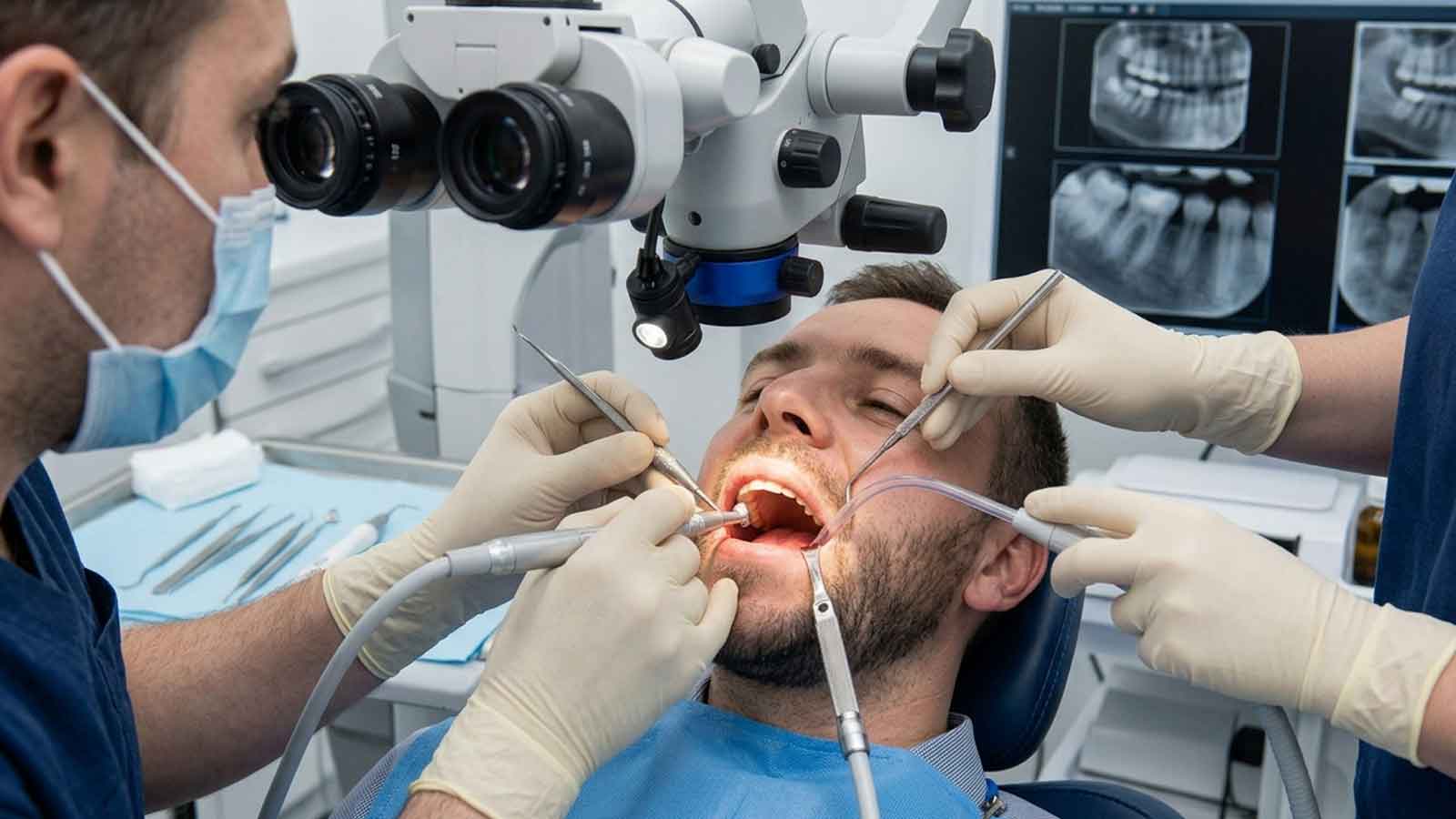
Pain or tenderness that returns after a root canal does not automatically mean the tooth requires extraction. Apicoectomy surgery in Downers Grove, IL, targets persistent infection at the root tip through a microsurgical approach designed to preserve the natural tooth when its structure supports further treatment. Renovo Endodontic Studio provides specialist apicoectomy care at our Downers Grove office, with treatment recommendations based on advanced imaging and the condition of the individual tooth.
What Is an Apicoectomy?
An apicoectomy procedure is a type of endodontic surgery used to treat infection or inflammation that remains around the tip of a tooth root after root canal treatment. The procedure focuses on the root tip, also called the root apex, rather than reopening the tooth through the crown.
The goal of an apicoectomy in Downers Grove is to address the affected area while preserving the natural tooth when its structure and long-term outlook support treatment. Our patient’s guide to apicoectomy explains what the surgery involves in practical terms.
When Is an Apicoectomy Necessary?
Not every symptom after root canal treatment requires surgery. An apicoectomy in Downers Grove may be considered when infection or inflammation remains near the root tip, and nonsurgical treatment cannot effectively reach or resolve the problem.
Your endodontist evaluates the condition of the tooth, previous treatment, symptoms and diagnostic findings to determine if the tooth can be predictably preserved with surgery.
Signs that may require further evaluation include:
- Tenderness when biting: Pain or sensitivity in a specific tooth when you chew or apply pressure.
- Persistent ache near the gumline: Ongoing or returning discomfort after the expected recovery period.
- Swelling or a recurring gum bump: Localized swelling near the affected tooth that may drain and return.
- Persistent changes on imaging: An area near the root tip that has not healed as expected after previous treatment.
Ongoing inflammation around the root tip is known as apical periodontitis. These findings do not automatically mean you need an apicoectomy procedure, but they can help your endodontist determine which treatment options deserve consideration.
When Nonsurgical Retreatment Cannot Reach the Problem
Nonsurgical retreatment may not always provide reliable access to the affected portion of the tooth. Calcified (hardened and narrowed) canals can prevent instruments from reaching the root tip. Posts, existing restorations or complex root anatomy can also make access through the crown difficult.
In these situations, a Downers Grove apicoectomy allows the endodontist to approach the affected area from the root side instead. This surgical route can provide direct access when treating the canal again from inside the tooth is not practical.
Persistent infection after previous treatment may also lead an endodontist to consider surgery when the tooth otherwise has a favorable long-term outlook. Learn more about available root canal retreatment options, or read about combined non-surgical and surgical endodontic treatment when a case calls for more than one approach.
When an Apicoectomy May Not Be Recommended
Surgery is not appropriate for every previously treated tooth. The tooth needs enough healthy structure and support to function after treatment.
A vertical root fracture, severe structural damage or an unfavorable restorative outlook may make surgery less predictable. In these cases, your endodontist may recommend a cracked tooth evaluation, nonsurgical retreatment when possible, or extraction when the tooth cannot be predictably preserved.
Retreatment, Apicoectomy, and Extraction Compared
The recommended treatment depends on where the problem is located and whether the tooth has enough healthy structure to remain functional.
| Approach | May be considered when | Access point |
| Retreatment | Infection reachable through the existing root canal system | Through the crown |
| Apicoectomy | Persistent infection near the root tip when retreatment is impractical or has already failed | Through the gum at the root end |
| Extraction | The tooth has a severe fracture or does not have enough structure or support for predictable long-term function | The tooth is removed |
Patients weighing retreatment against surgery often ask about durability, and our article on how long a retreated root canal lasts addresses that question directly.
How Does an Apicoectomy Procedure Work?
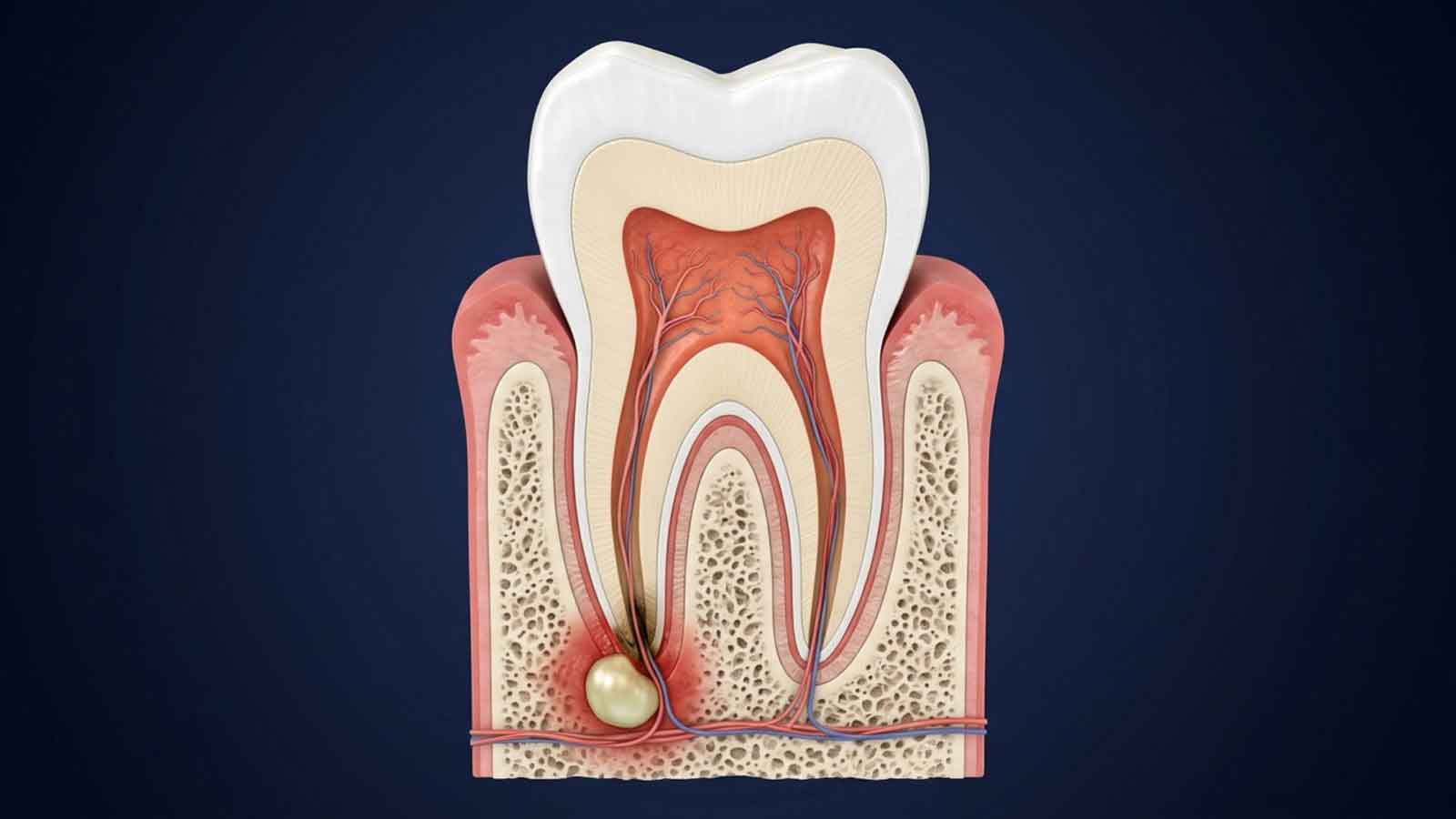
An apicoectomy in Downers Grove is planned around the anatomy of the affected tooth and the structures surrounding it. Imaging and magnification shape the surgical approach at every stage.
Imaging and Surgical Planning
When additional detail is needed, cone beam computed tomography, or CBCT, provides a three-dimensional view of the tooth, surrounding bone and nearby anatomy. Renovo Endodontic Studio uses 3D imaging when it can provide useful information for diagnosis or surgical planning.
Traditional dental X-rays provide a two-dimensional view and remain an important diagnostic tool. CBCT can provide additional information about complex root anatomy, bone changes and the location of the affected area when the case requires a more detailed view.
Step-by-Step Apicoectomy Procedure
A typical apicoectomy procedure includes the following steps:
- Evaluate the tooth: Your endodontist reviews your symptoms, treatment history and diagnostic images to confirm the treatment plan.
- Numb the area: Your endodontist uses local anesthesia to numb the tooth, gum and surrounding tissues.
- Reach the root tip: The endodontist makes a small opening in the gum to access the affected root and surrounding bone.
- Remove the affected tissue and root tip: Using magnification, the endodontist removes inflamed or infected tissue along with a small portion of the root apex.
- Prepare and seal the root end: The endodontist uses specialized ultrasonic instruments (precision tools that use high-frequency vibration to prepare the root end), then places a biocompatible material to seal it.
- Close the surgical site: The endodontist repositions the gum tissue and closes the area with sutures (stitches).
Before you leave the office, the team provides aftercare instructions for protecting the surgical site and supporting early healing.
Sedation During Apicoectomy Surgery in Downers Grove
Patients receiving apicoectomy surgery can discuss available sedation options if dental anxiety or treatment needs make additional support appropriate. Renovo Endodontic Studio considers your medical history and comfort level when discussing sedation.
- Nitrous Oxide: Provides light relaxation while allowing you to remain awake and responsive. Its effects typically wear off quickly after treatment.
- Oral Conscious Sedation: Provides a deeper level of relaxation for patients with greater dental anxiety or longer appointments. You will need a responsible adult to drive you home.
- General Anesthesia: May be considered for severe dental anxiety, certain medical needs or more complex treatment. When used, a visiting dental anesthesiologist administers and monitors the anesthesia.
What Should I Expect After an Apicoectomy?
Recovery after an apicoectomy in Downers Grove happens gradually. Early recovery focuses on healing of the gum tissue, while the bone around the treated root generally takes longer to heal.
The First Two Weeks
Mild swelling, tenderness or bruising can occur during the first few days after surgery. Cold compresses, recommended medications, and proper home care can help manage discomfort.
Most patients notice improvement as the surgical area heals. Following Renovo Endodontic Studio’s post-operative care instructions can help protect the area during early recovery.
Bone Healing and Follow-Up X-Rays
The bone around the treated root tip may continue healing for several months. Your endodontist can use follow-up dental X-rays to evaluate changes around the surgical area instead of relying on symptoms alone.
Signs of progress may include less tenderness, healthier surrounding tissue and visible bone formation near the treated root. Patients can also read more about apicoectomy healing and recovery or review our overview on understanding apicoectomy before or after treatment.
Why Choose Renovo Endodontic Studio in Downers Grove?
A Downers Grove apicoectomy requires careful diagnosis, specialty training and precise microsurgical treatment. Renovo Endodontic Studio provides local access to endodontists who focus on treating conditions involving root canals and the tissues surrounding tooth roots.
- Specialist training and focused experience: Endodontists complete advanced specialty training after dental school and regularly evaluate previously treated teeth, including complex cases that may require endodontic microsurgery.
- Advanced diagnostic and microsurgical technology: The Downers Grove office uses cone beam CT (CBCT) imaging for three-dimensional surgical planning and operating microscopes for enhanced magnification during microsurgical procedures.
- Care at our Downers Grove office: Patients can receive specialty endodontic care at our Downers Grove location, which also serves nearby communities including Westmont, Lisle, Woodridge, Lombard and Oak Brook. Visit our Downers Grove office page for location and appointment information.
- Coordination with referring dentists: Renovo Endodontic Studio communicates relevant findings and treatment information with referring dentists to support coordinated care before and after surgery.
Schedule Your Apicoectomy Consultation in Downers Grove

Renovo Endodontic Studio provides evaluations for apicoectomy surgery in Downers Grove, IL at our local specialty office. Schedule an appointment to have an endodontist examine the affected tooth and explain the recommended next step. Call our team or request an appointment online to discuss your treatment options.
Frequently Asked Questions about Apicoectomy in Downers Grove
How long does an apicoectomy take in Downers Grove?
Most apicoectomy appointments take about 60 to 90 minutes and are completed in one visit. Treatment time varies based on the tooth, root anatomy and surgical complexity.
Will I need a new crown after an apicoectomy?
Usually, no. The procedure does not normally require replacement of a healthy existing crown simply because surgery was performed. A crown or filling may need separate treatment if your endodontist identifies decay, damage or another restorative problem.
How much does an apicoectomy cost in Downers Grove?
The cost of a Downers Grove apicoectomy depends on the tooth being treated, case complexity and the services included in your treatment plan. Renovo Endodontic Studio provides an estimate after your evaluation so you can review the expected cost before treatment.
Does dental insurance cover an apicoectomy?
Coverage varies by dental insurance plan. Some policies may cover part of the surgery, subject to deductibles, annual maximums and individual plan terms. Contact Renovo Endodontic Studio for information about accepted plans and estimated patient costs, or review our insurance and financial information page.
Can an apicoectomy be performed twice on the same tooth?
Yes, a second apicoectomy procedure may be possible in selected cases. Your endodontist will evaluate the remaining root structure, surrounding bone and why the problem returned or did not heal as expected. If repeat surgery does not provide a favorable outlook, the endodontist will explain other treatment options.
What should I eat after an apicoectomy?
Choose soft foods during the first few days after surgery and chew away from the surgical site. Avoid straws until your endodontist says you can use them, and gradually return to your normal diet as comfort improves.


