

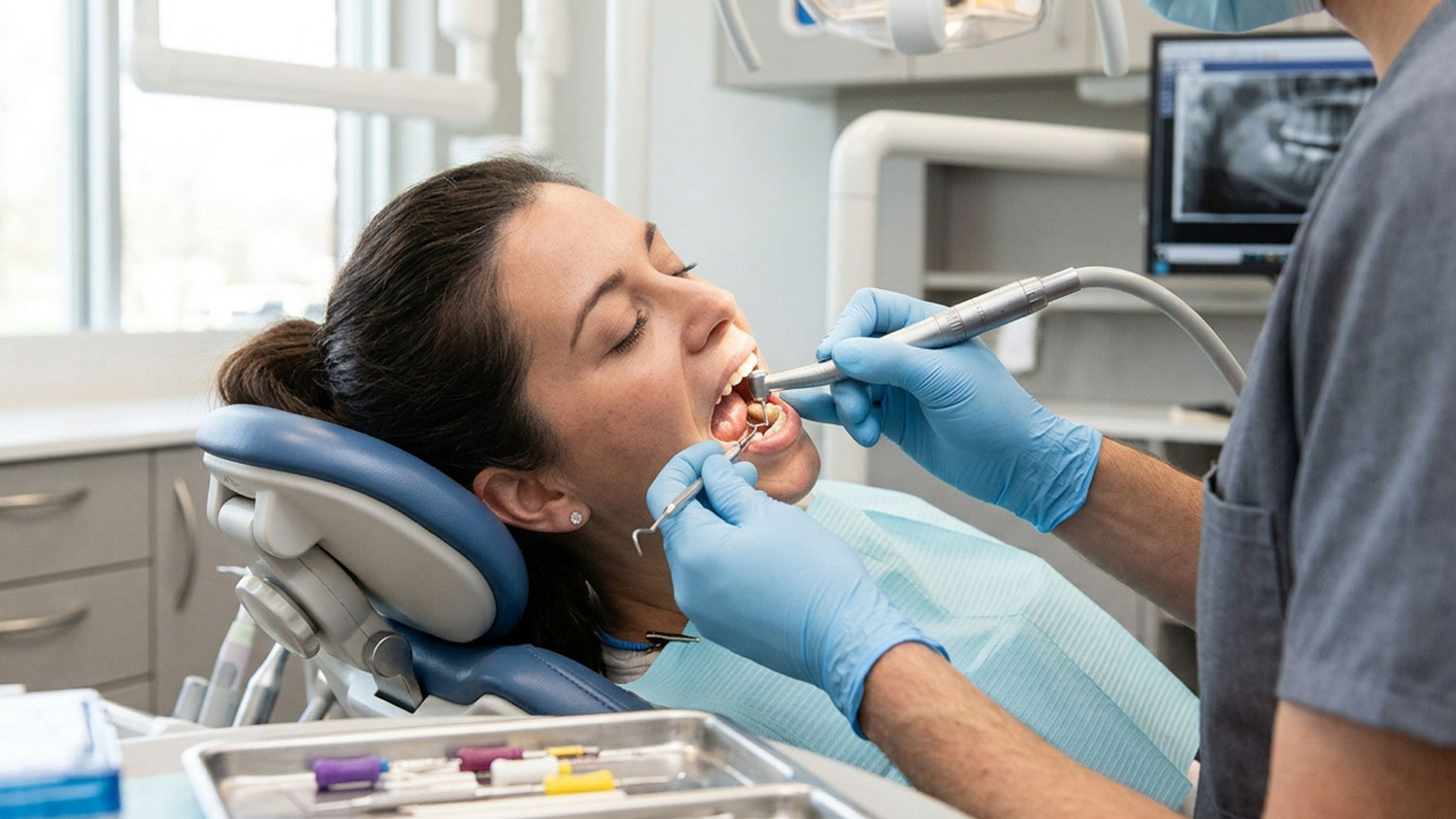
When pain or signs of infection return after root canal treatment, the source of the problem often involves the tissue surrounding the root tip. Apicoectomy surgery in Elgin, IL, provides direct surgical access to this area, addressing persistent infection and supporting long-term preservation of the natural tooth. Renovo Endodontic Studio provides specialist care for patients considering an apicoectomy in Elgin, with treatment recommendations based on the condition of the tooth and your long-term oral health.
What Is an Apicoectomy?
An apicoectomy is a microsurgical procedure that targets infection or inflammation persisting at the tip of a tooth root after previous root canal treatment. Rather than reopening the tooth through the crown, the endodontist accesses the root end directly through the gum tissue.
This may allow the endodontist to treat problems that are difficult or impossible to reach through the existing root canal system. For some patients, an apicoectomy in Elgin may help retain a previously treated tooth when nonsurgical treatment is not appropriate.
Our patient’s guide to apicoectomy and our article on understanding apicoectomy provide additional information about the treatment.
When Is an Apicoectomy Necessary?
Patients being evaluated for an apicoectomy in Elgin may have symptoms or findings such as:
- Tenderness when biting: The treated tooth remains sensitive or painful when pressure is applied.
- Persistent discomfort near the gumline: Aching or tenderness develops around the area of the treated root.
- Persistent changes on imaging: Follow-up imaging shows that the area around the root tip has not healed as expected.
- Recurring swelling or drainage: A small swollen area or drainage point on the gum disappears and later returns.
The endodontist considers your symptoms, dental history, clinical examination and diagnostic imaging together before recommending treatment. Surgery may also be considered when calcification (mineral deposits that harden and narrow the canal), posts, restorations or other obstacles make nonsurgical retreatment difficult or could place the tooth at unnecessary risk.
When Is Retreatment or Extraction a Better Option?
An apicoectomy is not appropriate for every previously treated tooth. The endodontist considers whether enough healthy tooth structure remains and whether surgery offers a reasonable path toward keeping the tooth. Patients weighing their options often ask how long a retreated root canal lasts before deciding.
| Approach | May be considered when | Access point |
| Retreatment | The source of the problem can be reached through the existing root canal system | Through the crown |
| Apicoectomy | Infection or inflammation persists near the root tip, and nonsurgical retreatment is not appropriate or has not resolved the problem | Through the gum near the root tip |
| Extraction | The tooth has severe structural damage, a vertical root fracture, or a poor restorative outlook | Removal of the tooth |
How Does an Apicoectomy Procedure Work?
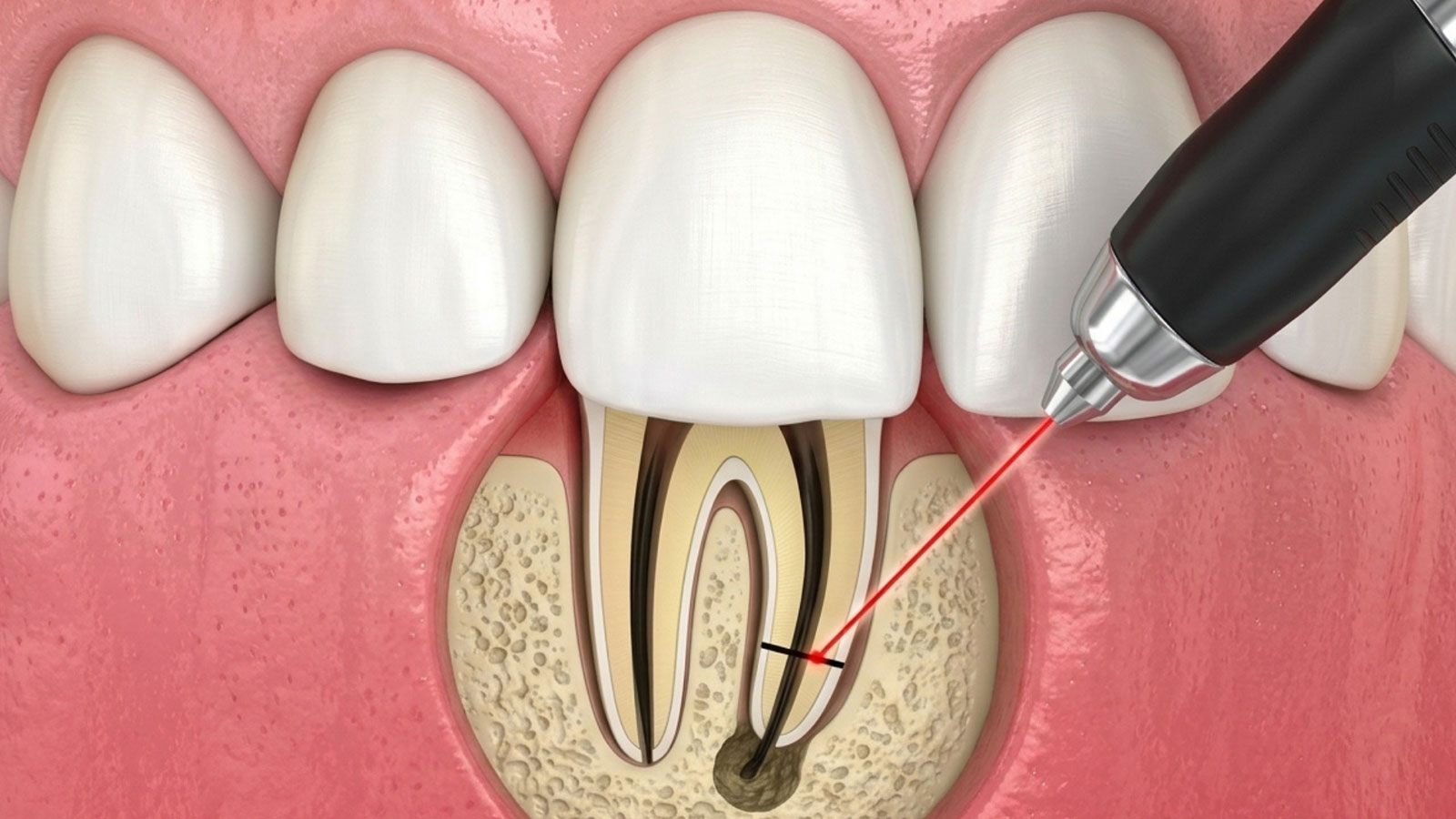
An apicoectomy procedure follows a precise, step-by-step process. Most procedures are completed in a single appointment. The endodontist plans the surgical approach based on the tooth and surrounding anatomy.
Imaging and Surgical Planning
Cone beam computed tomography, or CBCT, creates a three-dimensional view of the tooth root, surrounding bone and nearby structures. This detailed view helps the endodontist assess root anatomy, locate areas of concern and plan the surgical approach.
Because apicoectomy surgery involves a very small treatment area, careful planning helps the endodontist work with greater precision.
The Six Stages of Surgery
- Evaluate the tooth: A surgical operating microscope helps the endodontist closely examine the treated surface for small anatomical details or fractures.
- Numb the treatment area: Local anesthesia numbs the tooth and surrounding gum tissue to keep you comfortable during the procedure.
- Access the root tip: The endodontist makes a small opening in the gum to reach the bone and affected area.
- Remove inflamed tissue and the root tip: The endodontist removes diseased tissue and a small portion of the root.
- Prepare and seal the root end: Fine ultrasonic instruments prepare the area before the endodontist seals it with a biocompatible material.
- Close the surgical site: The gum tissue is repositioned and secured with sutures so healing can begin.
What Sedation Options Are Available for an Apicoectomy?
Some patients feel anxious about undergoing another procedure on a previously treated tooth. Sedation options may help make treatment more comfortable.
Nitrous oxide provides mild relaxation and wears off relatively quickly. Oral conscious sedation may be considered for patients who need a deeper level of relaxation. For cases where general anesthesia is appropriate, a visiting dental anesthesiologist administers care on-site.
The team reviews your medical history, treatment needs and comfort level before recommending a sedation option. Our sedation therapy page explains the available choices in more detail.
Why Do Elgin Patients Choose Renovo Endodontic Studio?
Patients seeking an Elgin apicoectomy receive care from endodontists who focus on complex root canal treatment and microsurgery. Renovo Endodontic Studio combines specialist training with technology designed to support precise diagnosis and treatment.
- Specialized Endodontic Training: Our endodontists complete advanced training focused on diagnosing and treating conditions inside the tooth and around the root. This experience supports the precision required for endodontic microsurgery.
- Surgical Microscope Technology: The Elgin team uses operating microscopes for enhanced magnification and illumination during microsurgical treatment.
- Cone Beam 3D Imaging: The Elgin office uses CBCT (cone beam computed tomography) to produce detailed three-dimensional views of the tooth, root anatomy, and surrounding bone, supporting precise surgical planning.
- Coordinated Care With Referring Dentists: Renovo Endodontic Studio communicates findings and treatment recommendations with referring dental offices when appropriate. This coordination helps maintain continuity before and after surgery.
- Serving Elgin and the Surrounding Fox River Valley: Our Elgin office serves patients from Elgin and surrounding communities, including South Elgin, Bartlett, Streamwood, Carpentersville and the Dundee area. Many patients also travel to the office from communities along the Randall Road corridor.
For patients who need apicoectomy surgery in Elgin, IL, our team provides specialist care with clear recommendations based on the condition of the tooth.
What Should I Expect After an Apicoectomy?
Recovery happens in stages. Early soreness usually improves within days, while bone healing continues for several months after an apicoectomy in Elgin.
The First Two Weeks
Mild swelling, tenderness or bruising around the surgical area is common during the first few days. These symptoms usually improve as healing progresses, and many patients notice steady improvement within one to two weeks.
Following your post-operative care instructions can help protect the surgical site and support early healing. Your endodontist will also let you know when to return for suture removal or a follow-up visit if needed.
Long-Term Healing and Follow-Up Imaging
Bone healing around the treated area takes place over several months. Your endodontist monitors this process through your symptoms, clinical exams and follow-up imaging. Our article on the apicoectomy procedure, risks, and healing tips explains what to watch for during this period.
Signs of progress may include less tenderness, healthier surrounding tissue and gradual bone healing. Follow-up may continue for several months so the endodontist can confirm that the area is healing as expected.
Book Your Apicoectomy Evaluation in Elgin, IL
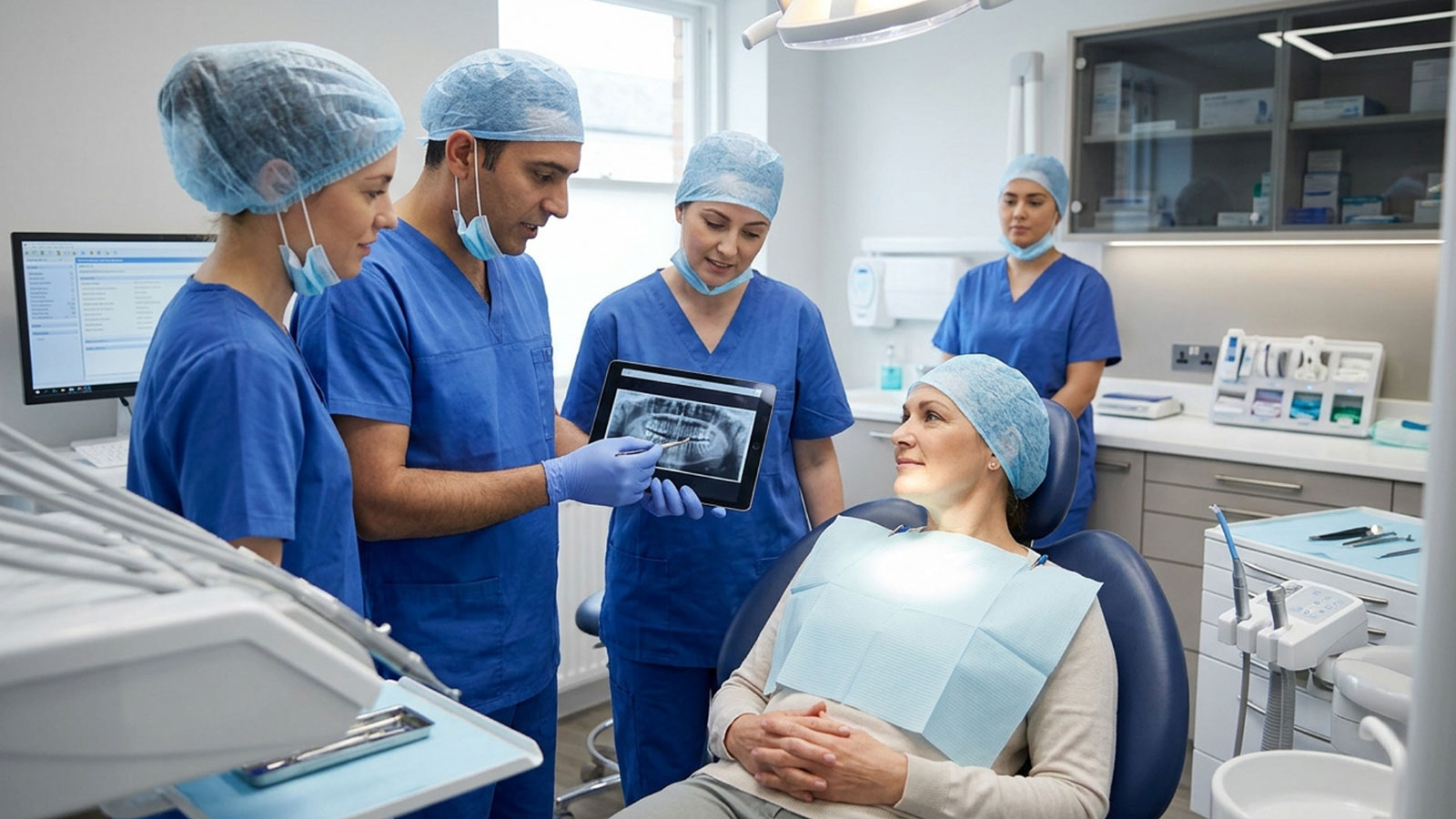
Renovo Endodontic Studio provides specialist evaluations for patients considering an apicoectomy in Elgin. Our endodontists assess the tooth, explain the findings clearly and determine the most appropriate next step.
Call Renovo Endodontic Studio or request an appointment online. The Elgin team can help you understand whether surgery is appropriate for your tooth and what to expect from treatment.
Frequently Asked Questions about Apicoectomy in Elgin, IL
How long does an apicoectomy take?
Most procedures take about 60 to 90 minutes. Front teeth may require less time than molars because molars often have more complex root anatomy and may be harder to access. The amount of bone covering the affected area can also influence treatment time. Your endodontist can give you a more specific estimate based on the planned treatment.
Will I need a new crown after an apicoectomy?
No. The procedure reaches the affected area through the gum, so the existing crown or restoration can often remain in place. If the crown is damaged, leaking or affected by decay, your endodontist may recommend replacement and coordinate care with your general dentist.
How much does an apicoectomy cost in Elgin, IL?
The cost varies based on the tooth, surgical complexity and treatment plan. Molars may require more complex treatment because they often have multiple roots. Renovo Endodontic Studio provides a treatment estimate after determining the recommended treatment.
Does insurance cover an apicoectomy?
Yes. Most dental plans cover endodontic surgery, though the percentage paid and the annual maximum differ by policy. Our Elgin front desk verifies your benefits before treatment and tells you what the plan is expected to pay, and our insurance information page lists the plans we accept. Payment options cover any remaining balance.
Can an apicoectomy be performed twice on the same tooth?
In some cases, yes. A second apicoectomy procedure may be considered if enough healthy tooth and bone remain and the source of the problem can still be treated surgically. Your endodontist will review new imaging and discuss whether repeat surgery, retreatment or extraction is the most appropriate option for the tooth.
What should I eat after apicoectomy?
Choose soft, cool foods for the first two or three days after your surgery and chew on the opposite side to keep pressure off the surgical site. Yogurt, eggs, soft pasta and smoothies eaten with a spoon are good choices. Avoid straws because suction can disturb the healing tissue. Your endodontist will let you know when you can gradually return to your normal diet.


