

A root canal that was completed months or years ago should not still ache when you bite down. When symptoms return, the problem usually sits in the bone and tissue surrounding the very tip of the root, beyond the reach of the original treatment. Apicoectomy surgery in Rockford, IL, opens direct surgical access to that area, removing the infected root end and sealing the canal from behind. Our specialists at Renovo Endodontic Studio’s Rockford office map your root anatomy with 3D imaging before recommending surgery, retreatment, or another approach.
What Is an Apicoectomy?
An apicoectomy is a form of root-end microsurgery used when inflammation or infection remains near the tip of a tooth root after root canal treatment. Instead of reopening the tooth from the biting surface, your endodontist approaches the root tip through a small opening in the gum.
During the apicoectomy procedure, your endodontist removes the affected tissue and a small portion of the root tip. Your endodontist then cleans and seals the root end with a biocompatible material to help prevent bacteria from re-entering the canal.
The procedure focuses on the affected area while preserving as much of your natural tooth as possible. If you need an apicoectomy in Rockford, this focused approach allows your endodontist to treat the root end without reopening the entire canal system. Our patient’s guide to apicoectomy explains the procedure and recovery process in more detail.
When Is an Apicoectomy Recommended?
An apicoectomy in Rockford may be recommended when your previously treated tooth continues to show signs of infection or inflammation and nonsurgical retreatment cannot predictably address the problem. The decision depends on the location of the problem, the condition of your root canal system, and how much healthy tooth structure remains.
Some cases call for more than one approach. Combined non-surgical and surgical endodontic treatment may be appropriate when your tooth requires both internal cleaning and root-end surgery, and our article on how long a retreated root canal lasts addresses the durability question patients raise most often.
What Signs May Indicate a Tooth Needs an Apicoectomy?
Problems at the root end can develop gradually and may appear months or years after your original root canal. Signs that may warrant an endodontic evaluation include:
- Tenderness when biting: Your treated tooth feels sore or produces a localized ache when you chew.
- Persistent gum soreness: Tenderness near the root area continues even when the tooth itself does not hurt constantly.
- A recurring gum bump: A small swelling develops near the tooth, drains, disappears, and later returns.
- Persistent changes on an X-ray: An area around the root tip does not heal as expected after root canal treatment.
- Blocked canal access: Calcification (mineral deposits that harden and narrow the canal) or other obstructions prevent instruments from reaching part of the canal during nonsurgical retreatment.
Persistent inflammation around the root tip may indicate that your original treatment did not fully resolve the problem. Your endodontist can determine if an apicoectomy in Rockford is appropriate based on your tooth’s condition and the location of the remaining problem.
When Is Retreatment, Apicoectomy, or Extraction Recommended?
Not every tooth with symptoms after a root canal needs surgery. Your endodontist evaluates where the problem is located, how your tooth was previously treated, and how much healthy structure remains for long-term function.
| Approach | Best suited for | Access point |
| Non-surgical retreatment | The source of infection can be reached through the existing canal system | Through the crown |
| Apicoectomy procedure | The problem is concentrated near the root tip and nonsurgical retreatment is not practical or has already been attempted | Through the gum, at the root apex (the very tip of the root) |
| Extraction | The tooth has a vertical root fracture, severe structural damage, or cannot be predictably restored | Removal of the tooth |
An apicoectomy in Rockford is not appropriate for every tooth. If your tooth cannot be predictably restored, your endodontist may recommend extraction instead of surgery. Learn more about treatment choices in our guide to retreatment options when a root canal fails.
How Does an Apicoectomy Procedure Work?
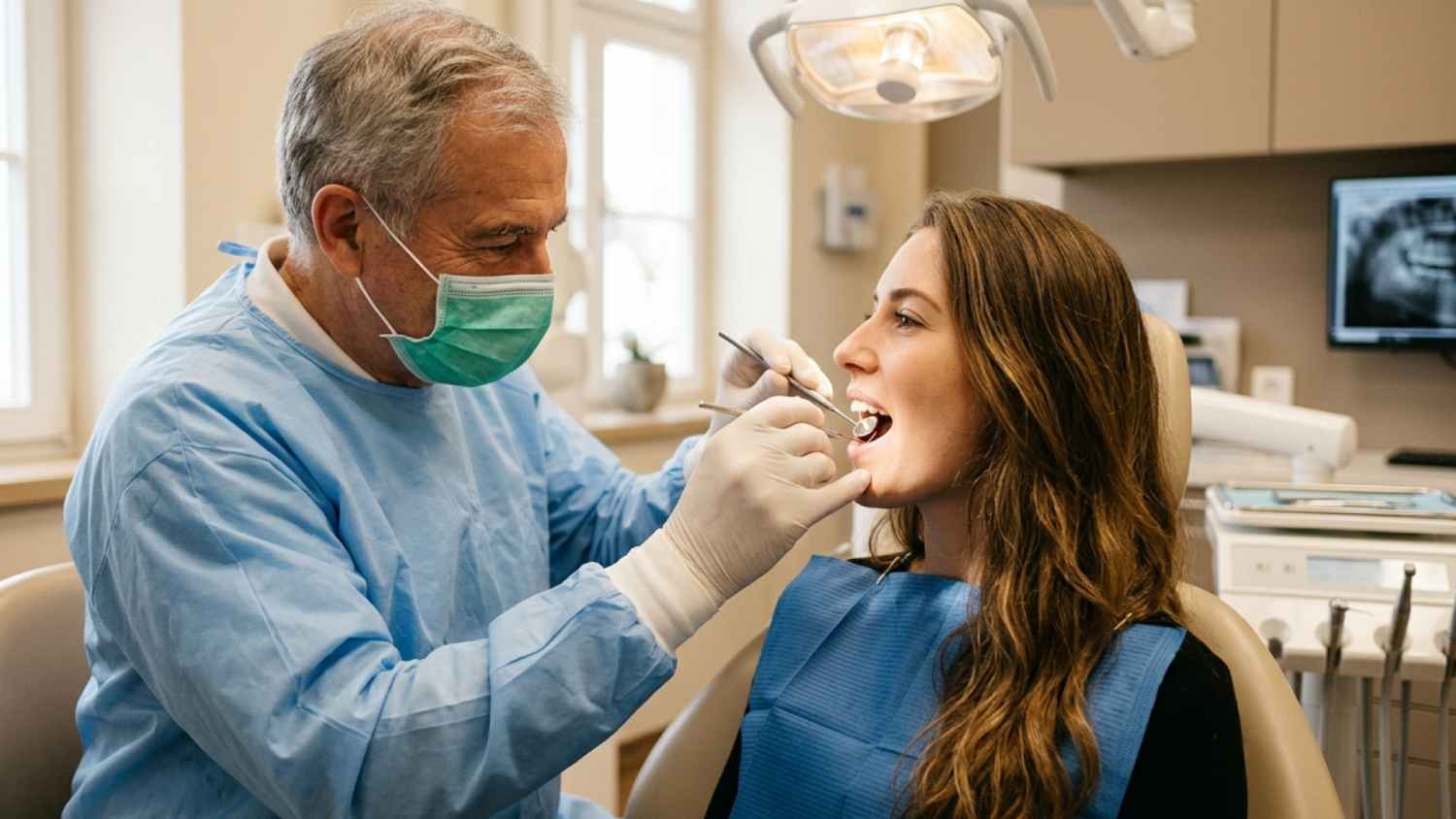
Diagnostic imaging guides the surgical approach for each apicoectomy procedure. Cone beam computed tomography, or CBCT, can provide a three-dimensional view of your root, surrounding bone, and nearby structures when additional detail is needed for surgical planning.
What Happens During an Apicoectomy?
The procedure generally follows these steps:
- Surgical Planning: Your endodontist uses the available diagnostic images to plan access to the affected root end.
- Local Anesthesia: Your endodontist thoroughly numbs the treatment area to keep you comfortable during the procedure.
- Root-End Access: Your endodontist makes a small opening in the gum to reach the bone surrounding the affected root tip.
- Tissue Removal and Root Resection (removal of a small portion of the root tip): Your endodontist removes inflamed or infected tissue along with the affected root end.
- Root-End Preparation and Sealing: Ultrasonic instruments (precision tools that use high-frequency vibration to prepare the root end) shape the end of the canal before your endodontist places a biocompatible material to seal it.
- Closure: Your endodontist repositions and secures the gum tissue with sutures (stitches) to support initial tissue healing.
A surgical operating microscope gives your endodontist a highly magnified view of the root surface during apicoectomy surgery in Rockford, IL. This can reveal small canal branches, untreated anatomy, or cracks that may not have been visible during your original root canal treatment.
What Sedation Options Are Available?
Some patients want additional support beyond local anesthesia during apicoectomy surgery in Rockford, IL. Renovo Endodontic Studio can discuss available sedation options based on your medical history, treatment needs, and level of dental anxiety.
Options may include:
- Nitrous Oxide: Provides mild relaxation and wears off quickly after treatment.
- Oral Conscious Sedation: Offers a deeper level of relaxation for patients who need more support during treatment.
- General Anesthesia: When appropriate, a visiting dental anesthesiologist administers and monitors general anesthesia on-site for patients who require a higher level of sedation.
Sedation is not necessary for every procedure. Your endodontist will review the appropriate option with you before treatment.
Why Choose Renovo Endodontic Studio in Rockford?
A Rockford apicoectomy requires detailed knowledge of root anatomy, precise surgical technique, and experience managing complex endodontic conditions. Renovo Endodontic Studio provides specialist care for patients who need advanced root canal and root-end treatment at the Rockford office.
Key reasons patients choose Renovo Endodontic Studio for an apicoectomy in Rockford include:
- Endodontic Specialty Training: Our endodontists complete advanced education beyond dental school focused on diagnosing and treating conditions involving the dental pulp, root canals, and tissues surrounding the roots.
- Experience With Surgical Endodontics: Our specialists regularly manage complex root canal and root-end cases that may require microsurgical treatment.
- Cone Beam 3D Imaging: The Rockford office uses CBCT imaging for three-dimensional surgical planning and detailed evaluation of root anatomy and surrounding bone.
- Surgical Microscope Technology: The Rockford team uses operating microscopes for enhanced magnification during microsurgical procedures.
- Rockford Office Access: You can receive evaluation, treatment planning, and surgical endodontic care at Renovo Endodontic Studio’s Rockford location, which serves Loves Park, Machesney Park, Belvidere, and Cherry Valley.
- Coordinated Care: Renovo Endodontic Studio communicates relevant findings and treatment information with your general dentist when needed so restorative care can continue without unnecessary gaps. Dentists sending complex root-end cases can review our referral process.
What Should I Expect After an Apicoectomy?
Recovery after an apicoectomy in Rockford involves short-term gum healing followed by slower bone repair.
The First Week After Surgery
Mild swelling, tenderness, and bruising can occur during the first few days after your surgery. Many patients become more comfortable over the following week as the gum tissue begins to heal.
To protect the surgical area:
- Chew on the opposite side: This reduces pressure near the treatment site.
- Avoid vigorous rinsing: Follow your endodontist’s instructions so you do not disturb the healing tissue.
- Keep the area clean: Use the cleaning method recommended by your care team.
- Follow medication instructions: Take prescribed or recommended medications as directed.
- Attend your follow-up visit: Your endodontist can check the surgical site and remove sutures when appropriate.
Following your endodontist’s instructions can help protect the surgical site during early healing. Our post-operative care instructions provide additional guidance for the first days after treatment.
How Long Does Bone Healing Take?
The gum tissue heals much faster than the bone surrounding the root tip. Bone repair can continue for several months after an apicoectomy in Rockford.
Your endodontist may use follow-up X-rays to compare the treated area over time. Improvement in your symptoms, along with signs of bone healing around the root tip, helps your endodontist evaluate how the tooth is responding to treatment.
Later follow-up visits focus on bone healing and the long-term response of your treated tooth. Our guides to understanding apicoectomy and the apicoectomy procedure, risks, and healing tips explain the recovery process in more detail.
Schedule Your Apicoectomy Consultation in Rockford, IL
If your previously treated tooth continues to cause problems, your endodontist can determine the most appropriate next step. At Renovo Endodontic Studio, you receive a focused evaluation of the tooth, your previous treatment, and current findings.
Our endodontists explain what they find and recommend care based on the condition of your tooth. If surgery is appropriate, the team will review the treatment plan and next steps with you.
Request an appointment online or contact our team to arrange an evaluation.
Frequently Asked Questions
How long does an apicoectomy take?
Most procedures take about 60 to 90 minutes, though the timing can vary based on your tooth and root anatomy. The planned surgical approach helps your endodontist estimate how long your treatment may take.
How much does an apicoectomy cost in Rockford?
The cost of an apicoectomy in Rockford varies based on the tooth being treated, the complexity of the root structure, and any additional services needed. Renovo Endodontic Studio provides a treatment estimate after your evaluation.
Does insurance cover an apicoectomy?
Some dental insurance plans may cover part of the cost of endodontic surgery, but coverage varies by policy. Renovo Endodontic Studio can provide information about accepted plans and estimated patient costs. Visit our insurance information page for more details.
Will I need a new crown after an apicoectomy?
No. Your endodontist reaches the root tip through the gum rather than through the biting surface, so your existing crown or restoration usually stays in place. Replacement becomes necessary only when the restoration was already failing or when decay is found underneath it during your examination.
Can an apicoectomy be performed twice on the same tooth?
Yes, a second surgery is possible in select cases, though the outcome becomes less predictable once a first procedure has not resolved the infection. The decision depends on how much healthy root and bone remain and on what repeat imaging shows about the cause of the original failure. Extraction with a tooth replacement plan may become the more reliable option at that point.
How do I know if I need an apicoectomy or root canal retreatment?
The location and cause of the remaining problem usually guide the recommendation. Nonsurgical retreatment may be appropriate when the source can be reached through your existing canal system, and the procedure may be considered when the problem is concentrated near the root end and cannot be predictably addressed from inside the tooth.
What should I eat after an apicoectomy?
Choose soft, cool foods for the first two or three days and chew on the opposite side of your mouth to keep pressure off the surgical site. Yogurt, eggs, soft pasta, and smoothies eaten with a spoon rather than a straw work well during that period. Return to a normal diet once chewing on the treated side feels comfortable, usually within about a week.
Is an apicoectomy painful?
Local anesthesia numbs the treatment area during the procedure, so you should not feel sharp pain while your endodontist works. Temporary discomfort after the procedure is normal, and your endodontist will provide aftercare instructions and recommend appropriate pain relief based on your needs.


