


Persistent pain, swelling, or signs of infection after root canal treatment may indicate a condition that non-surgical retreatment alone cannot resolve. Apicoectomy surgery in Schaumburg, IL, targets the source of the problem at the root tip through a focused microsurgical procedure. At Renovo Endodontic Studio’s Schaumburg location near the Woodfield corridor, our endodontists evaluate each case using advanced 3D imaging and clinical assessment to determine if apicoectomy is the appropriate next step.
What Is an Apicoectomy and When Is It Needed in Schaumburg?
An apicoectomy is a microsurgical endodontic procedure that removes the infected tip of a tooth root and the surrounding inflamed tissue. After removing the affected area, the endodontist seals the root end with a biocompatible material to help protect the tooth from further bacterial entry.
The procedure focuses on the area near the root tip where inflammation or infection may remain after previous root canal treatment. Complex canal anatomy, including narrow branches or curved roots, can limit the effectiveness of non-surgical retreatment. An apicoectomy procedure allows the endodontist to directly treat the affected root area while preserving the healthy portion of the tooth. Our patient’s guide to apicoectomy explains the treatment in patient-friendly terms.
Unlike root canal treatment, which involves reopening the tooth through the crown to clean and reseal the existing canal system, an apicoectomy approaches the affected area through the gum tissue. Each procedure addresses a different type of post-treatment complication, and the recommendation depends on where the problem is located and the condition of the tooth.
When an Apicoectomy May Be Recommended
An apicoectomy may be recommended when a tooth continues to show signs of inflammation or infection after previous root canal treatment. During your consultation, Renovo Endodontic Studio reviews your symptoms, dental history, and diagnostic findings to determine if a Schaumburg apicoectomy is appropriate.
Signs that may require additional evaluation include:
- Pain or tenderness when biting: Discomfort when chewing or applying pressure may indicate ongoing irritation around the treated tooth.
- Persistent gum sensitivity or pressure: Continued pressure or tenderness near the tooth may suggest that the area needs further assessment.
- Swelling that returns: Repeated swelling or drainage near the gumline may require additional evaluation.
- Changes on follow-up X-rays: Your endodontist may identify changes around the root tip that require further treatment.
Preserving the natural tooth depends on several factors, including the condition of the remaining root, surrounding bone, and overall tooth stability. These signs do not automatically mean surgery is necessary. Your specialist evaluates the condition of the tooth before recommending the next step, and some cases call for combined non-surgical and surgical endodontic treatment.
When an Apicoectomy May Not Be Recommended
Surgery is not the right path for every tooth. Certain structural conditions reduce the likelihood that an apicoectomy will restore long-term function, and your endodontist identifies these during the diagnostic evaluation.
Your specialist may recommend retreatment or extraction instead when the tooth presents:
- A vertical root fracture: A crack extending along the length of the root compromises the seal that surgery is designed to create. A cracked tooth evaluation confirms the extent of the fracture.
- Severe structural damage: Extensive decay or loss of tooth structure limits what surgical treatment can accomplish.
- Insufficient remaining tooth structure: The tooth needs enough healthy structure above and below the gumline to support a restoration after treatment.
- An unfavorable long-term restorative outlook: When the tooth cannot reliably support a crown or serve its function over time, extraction with a replacement plan often produces a more predictable result.
Identifying these conditions before surgery protects you from a procedure unlikely to resolve the problem. Our article on what to do when a root canal fails reviews the alternatives in greater detail.
Apicoectomy, Retreatment, and Extraction Compared
Each treatment option addresses different situations. Your endodontist considers the condition of the tooth, surrounding bone, and long-term outlook before recommending a treatment plan.
| Approach | Best Suited For | Access Point |
| Nonsurgical retreatment | Infection that can be reached through the existing canal system | Through the crown |
| Apicoectomy | Persistent infection near the root tip when surgery provides better access | Through the gum, at the root apex (the tip of the root) |
| Extraction | Teeth with severe damage, fractures, or limited ability to support long-term function | Removal of the tooth |
An apicoectomy is not the right choice for every tooth. Renovo Endodontic Studio recommends treatment based on the outlook for the tooth and how practical preservation remains. Patients comparing surgery against endodontic retreatment often ask about durability, and our article on how long a retreated root canal lasts answers that question.
How Does an Apicoectomy Procedure Work in Schaumburg?
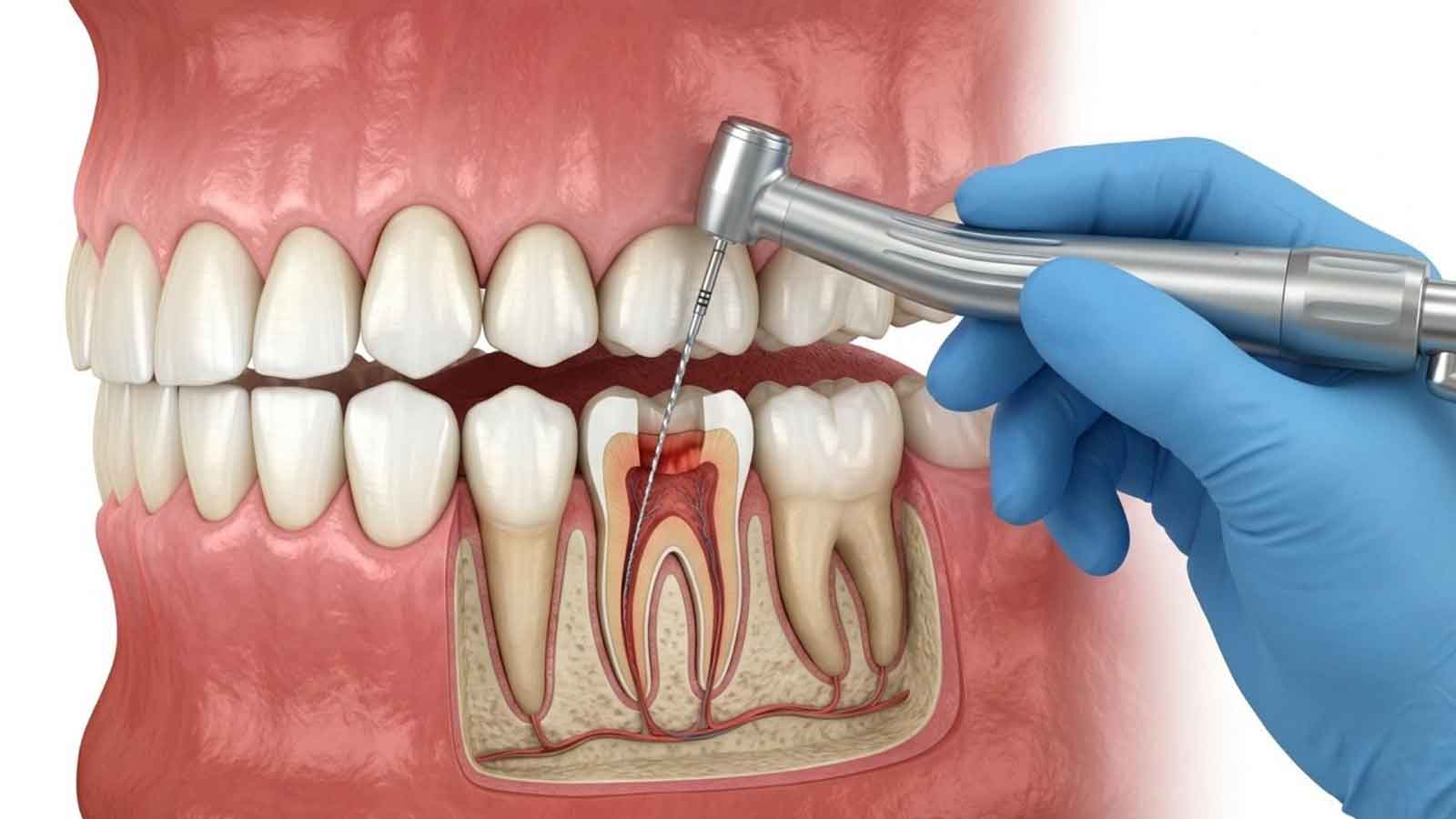
An apicoectomy in Schaumburg follows a carefully planned process to remove the affected root area, seal the root end, and support the health of the remaining tooth structure. Renovo Endodontic Studio uses specialized diagnostic tools and microsurgical techniques to help specialists perform treatment with careful attention to the tooth’s anatomy.
Steps During an Apicoectomy
- Consultation and evaluation: Your specialist reviews your symptoms, previous dental treatment, and 3D imaging findings to understand the condition of the tooth and determine the appropriate treatment approach.
- Comfort preparation: Local anesthesia keeps the treatment area comfortable during the procedure. Sedation options may also be available for patients who experience dental anxiety or need additional support.
- Accessing the root area: The endodontist creates a small opening in the gum tissue to reach the area around the affected root tip.
- Removing the affected tissue: The specialist removes the infected root tip and surrounding inflamed tissue while protecting the healthy portions of the tooth.
- Sealing the root end: The root end is cleaned and sealed with a biocompatible material designed to help prevent bacteria from entering the treated area.
- Closing the area: The gum tissue is repositioned and secured with sutures (stitches) to support proper healing.
Before leaving the office, your specialist provides aftercare instructions and explains what to expect during recovery after your procedure.
Sedation Options for Patient Comfort
Some patients feel nervous about having another procedure after previous dental treatment. Renovo Endodontic Studio offers sedation options to help patients feel more comfortable during their procedure.
Available options may include:
- Nitrous oxide: A mild sedation option that helps patients feel relaxed while remaining awake.
- Oral conscious sedation: Medication that provides a deeper level of relaxation for patients who need additional support.
- General anesthesia: Available for select cases, administered on-site by a visiting dental anesthesiologist.
Your specialist reviews your health history, treatment needs, and comfort preferences before recommending the most appropriate option.
What Should I Expect After an Apicoectomy?
Recovery after an apicoectomy in Schaumburg happens in stages. The gum tissue typically heals within the first few weeks, while the bone around the treated root continues to recover over a longer period. Renovo Endodontic Studio provides post-treatment guidance so patients understand what to expect during healing.
The First Week After Surgery
Mild swelling, tenderness, or sensitivity around the treatment area can occur during the first few days after an apicoectomy procedure. Most patients experience gradual improvement as the gum tissue begins to heal.
Following your post-operative care instructions can support recovery. Your care plan may include using cold compresses, taking recommended medications, and keeping the area clean with gentle brushing.
Long-Term Healing and Follow-Up
The bone surrounding the root tip requires more time to heal than the gum tissue. Your endodontist evaluates recovery through follow-up visits, clinical exams, and your overall symptoms.
Healing may involve reduced discomfort and improvement around the treated area over time. Renovo Endodontic Studio monitors your progress and provides guidance throughout the recovery process.
For additional details about recovery expectations, patients can review our guide to understanding apicoectomy and our article covering the apicoectomy procedure, risks, and healing tips.
Why Choose Renovo Endodontic Studio in Schaumburg?
Choosing a specialist for an apicoectomy in Schaumburg matters when a tooth requires surgical endodontic care. Renovo Endodontic Studio combines specialized training, microsurgical techniques, and patient-focused care to help patients explore options for preserving their natural teeth.
Patients choose our Schaumburg practice for:
- Specialized endodontic expertise: Our specialists receive advanced training focused on diagnosing and treating conditions involving the inside of the tooth and surrounding root structures. This focused experience allows our team to manage complex cases that require specialized care.
- Microsurgical experience: Apicoectomy treatment requires careful attention to small anatomical details. Our team uses specialized techniques designed to help access and treat the affected root area while protecting healthy tooth structure.
- Detailed treatment planning: Our specialists map the root anatomy and surrounding bone before apicoectomy surgery in Schaumburg, IL begins, then plan the surgical approach around the specific structures involved. This preparation supports precise treatment during the procedure itself.
- Specialized technology: Renovo Endodontic Studio uses tools that support accurate diagnosis and treatment, including:
- Cone Beam Computed Tomography (CBCT): Provides detailed views of root anatomy and surrounding structures to support treatment planning.
- Surgical Operating Microscope: Provides magnification that helps specialists examine the treatment area in greater detail.
- Ultrasonic Instrumentation: Precision tools that use high-frequency vibration to prepare the root end during microsurgical treatment.
- Collaborative dental care: We work with referring dentists to coordinate treatment and share important updates throughout the process. This collaboration helps support continued care after your procedure.
Our Schaumburg office also welcomes patients traveling in from Hoffman Estates, Palatine, Rolling Meadows, Arlington Heights, and Elk Grove Village.
Book Your Apicoectomy Consultation in Schaumburg
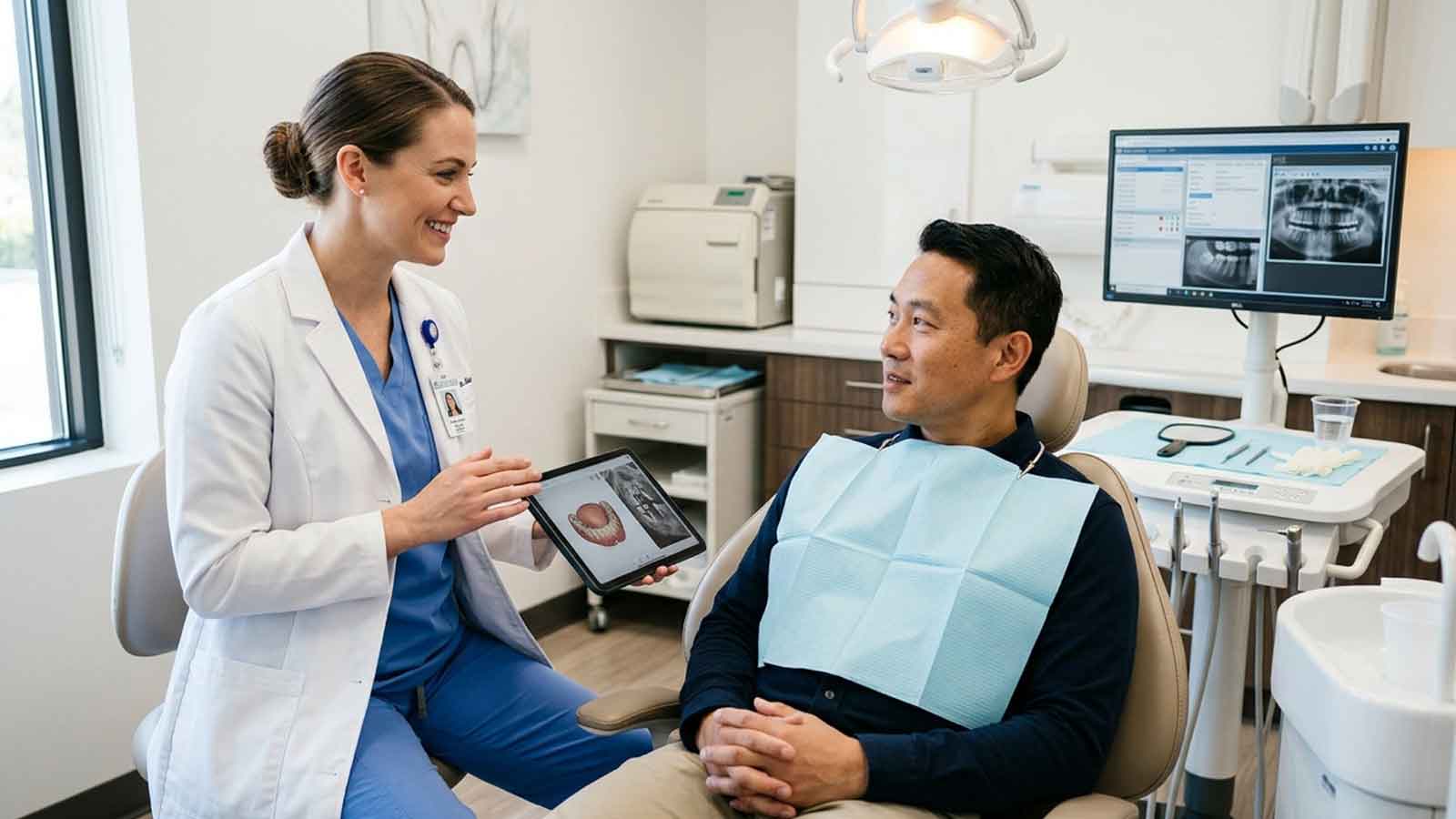
Persistent discomfort after a root canal may require a closer evaluation from an endodontic specialist. A consultation helps identify the cause of the issue and determine if a Schaumburg apicoectomy, retreatment, or another treatment option is appropriate.
Renovo Endodontic Studio provides specialized evaluations for patients throughout Schaumburg and the surrounding northwest suburbs. Our team reviews your symptoms, examines the tooth, and explains your options so you can make an informed decision about your care.
Visit our Schaumburg office near the Woodfield area or request an appointment online to schedule your consultation. The first step is a thorough evaluation to determine if apicoectomy is the most appropriate treatment for your tooth.
Frequently Asked Questions
How long does an apicoectomy take in Schaumburg?
Most apicoectomy procedures take about 60 to 90 minutes to complete. The exact timing depends on factors such as the location of the tooth, root anatomy, and the complexity of treatment. Your endodontist will explain what to expect during your consultation.
Will I need a new crown after an apicoectomy in Schaumburg?
Usually, an apicoectomy does not require a new crown. The procedure reaches the root tip through the gum tissue, so the existing crown or filling typically remains in place. Your endodontist evaluates the condition of your restoration and recommends replacement only if it needs attention.
How much does an apicoectomy cost in Schaumburg?
The cost of an apicoectomy in Schaumburg depends on factors such as the tooth being treated, the complexity of the procedure, and any additional services involved. Renovo Endodontic Studio provides a clear estimate after your consultation and explains the expected costs before treatment begins.
Can an apicoectomy be performed twice on the same tooth?
Yes, a second apicoectomy is possible in select cases, though the outcome becomes less predictable once a first surgery has not resolved the infection. Your endodontist reviews how much healthy root and bone remain and what repeat imaging shows about the cause of the failure. Extraction with a tooth replacement plan often becomes the more reliable option at that stage.
Does insurance cover an apicoectomy in Schaumburg?
Many dental insurance plans provide coverage for endodontic procedures, but coverage varies by plan. Renovo Endodontic Studio reviews your benefits and helps explain your estimated patient costs before treatment. Visit our insurance page for more information about accepted plans and payment details.
What should I eat after an apicoectomy in Schaumburg?
Soft foods are recommended during the first few days after an apicoectomy procedure. Foods such as yogurt, eggs, soft pasta, and smoothies eaten with a spoon can help you stay comfortable while the area heals. Avoid chewing near the treatment site and follow your post-operative instructions for a smoother recovery.


