

Do You Really Need a Root Canal? 7 Signs It’s Time to See a Specialist
That persistent toothache keeps coming back. It may throb at night when you’re trying to sleep, or hot coffee sends a sharp zing through your jaw that lingers for minutes. You’ve been ignoring it, hoping it will go away on its own. But deep down, you’re wondering if something more serious is happening inside your tooth.
The truth is, tooth pain rarely resolves without treatment. When the soft tissue inside your tooth becomes infected or damaged, your body sends clear warning signals. Recognizing these signs early can mean the difference between saving your natural tooth and losing it entirely.
Root canal treatment offers a way to eliminate infection while preserving the tooth you were born with.
In this guide, we’ll walk through seven signs that indicate you may need to see a root canal specialist. Understanding these symptoms helps you make informed decisions about your oral health and know when it’s time to seek professional care.
Table of Contents
- What Is a Root Canal Treatment?
- Seven Signs You Need a Root Canal
- Persistent Tooth Pain That Worsens
- Lingering Sensitivity to Hot Foods
- Prolonged Sensitivity to Cold
- Swollen or Tender Gums
- Tooth Discoloration or Darkening
- Pain When Chewing or Biting
- A Cracked or Chipped Tooth
- Why Choose Renovo Endodontic Studio?
- Schedule Your Root Canal Consultation Today

What Is a Root Canal Treatment?
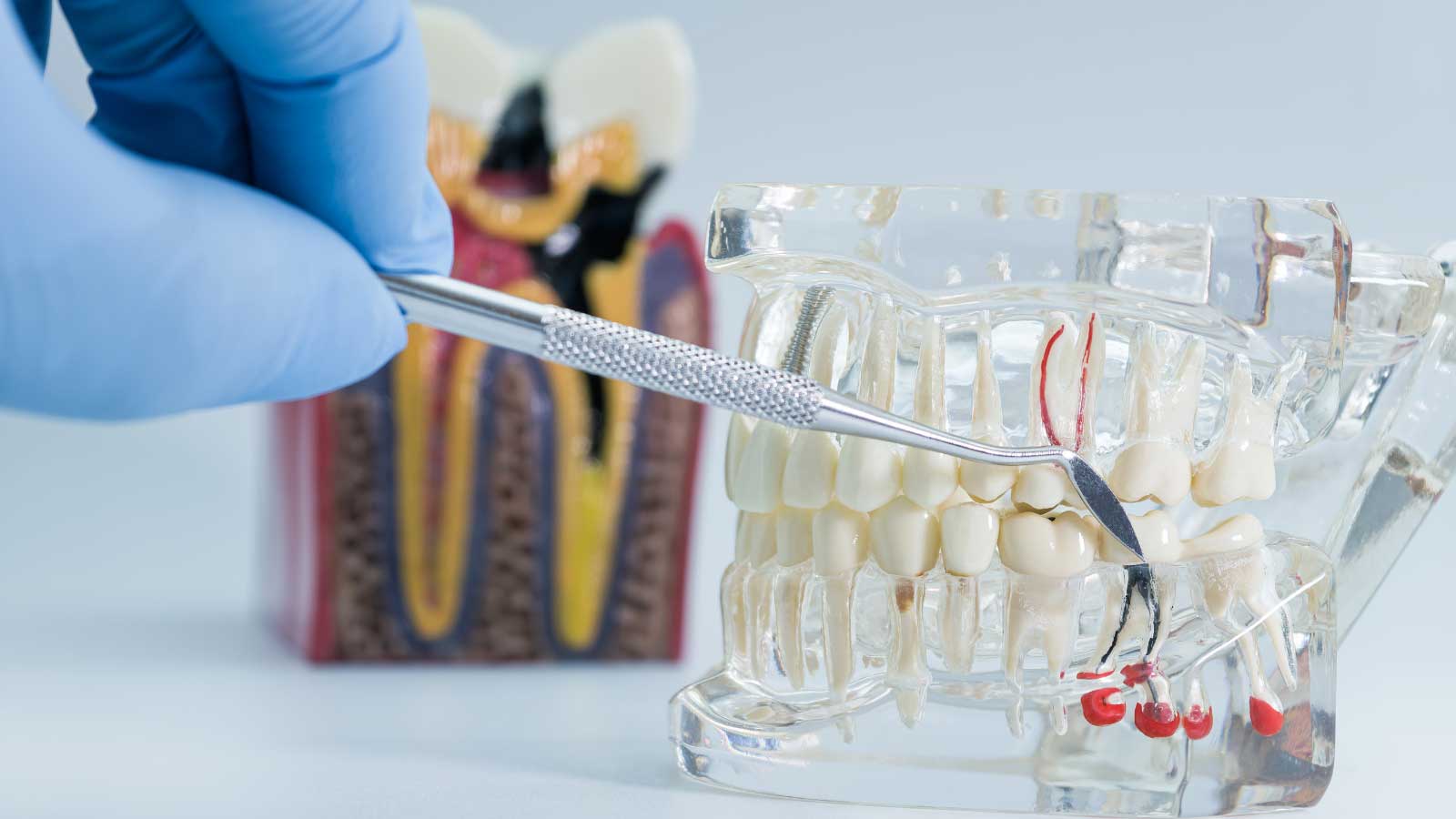
Root canal treatment removes infected or damaged tissue from inside your tooth. Your tooth contains a soft center called the pulp, which houses nerves, blood vessels, and connective tissue. When bacteria enter this space through deep decay, cracks, or repeated dental procedures, the pulp becomes inflamed or infected.
Left untreated, this infection can spread to the surrounding bone and tissue.
During the procedure, an endodontist creates a small opening in the tooth’s crown to access the pulp chamber. They carefully remove the infected tissue, clean and disinfect the canal system, then fill and seal the space with a biocompatible material called gutta-percha. This process eliminates the source of infection while preserving your natural tooth structure.
Most patients return to normal activities within a day or two. Your general dentist will place a crown or permanent restoration afterward to protect the treated tooth and restore full function. With proper care, a tooth that has received root canal treatment can last a lifetime.
Seven Signs You Need a Root Canal
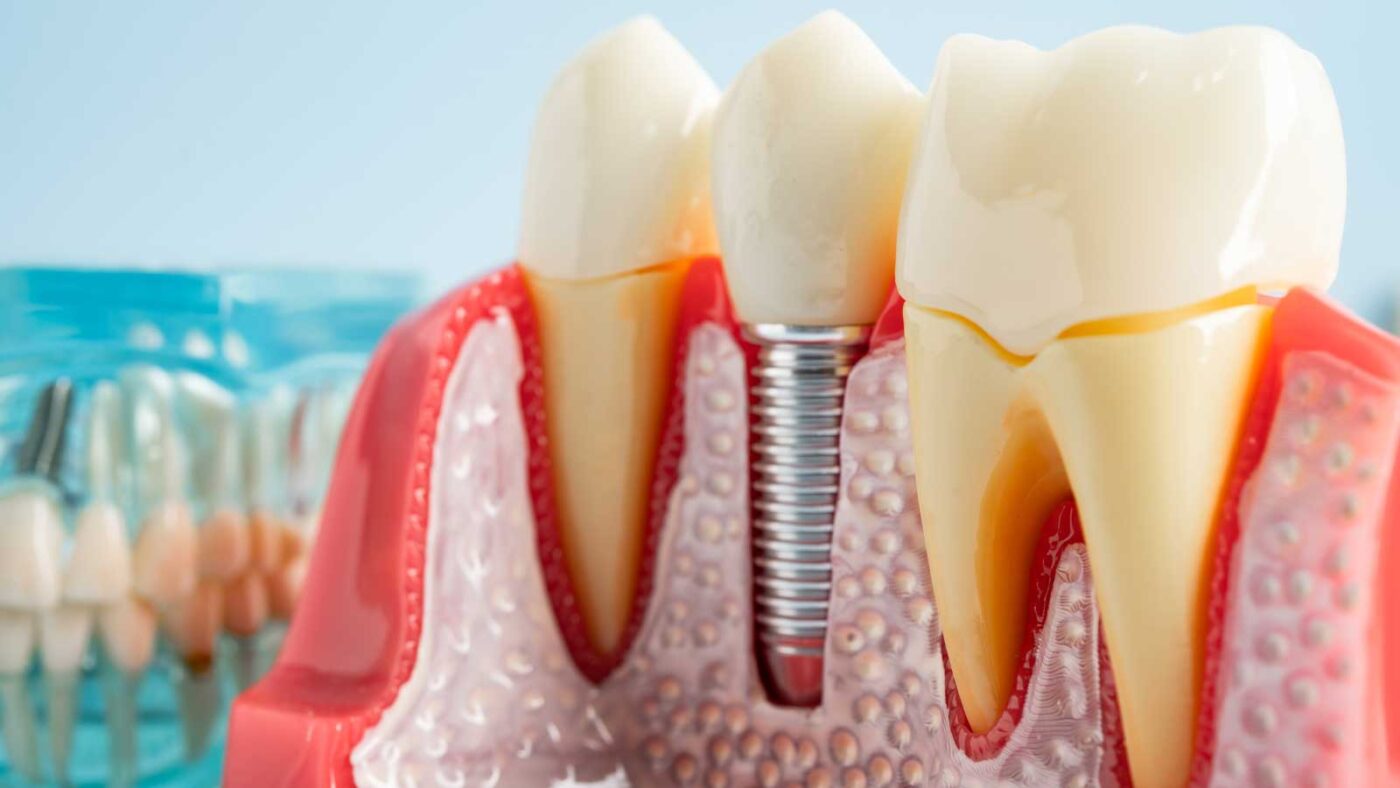
Your body communicates problems through specific symptoms. When something goes wrong inside your tooth, you’ll likely notice one or more warning signs that point toward pulp damage or infection. Here are seven symptoms that suggest it’s time to consult a root canal specialist.
Persistent Tooth Pain That Worsens
Tooth pain that recurs or worsens over days or weeks indicates a deeper issue. This type of pain often feels like a constant ache deep within your tooth or jaw. You might notice it radiating to your ear, temple, or other teeth on the same side of your face.
The discomfort may initially come and go, but infected pulp tissue typically causes pain that becomes more frequent and severe over time.
Many patients try to manage this pain with over-the-counter medications, but temporary relief doesn’t address the underlying infection. The good news is that root canal recovery is typically straightforward, with most patients experiencing significant pain relief within 24 to 48 hours after treatment.
Addressing persistent pain early gives you the best chance of saving your natural tooth.
Lingering Sensitivity to Hot Foods
Sensitivity to hot beverages or foods that lasts longer than a few seconds indicates possible pulp damage. Normal teeth may feel brief discomfort from temperature extremes, but that sensation fades almost immediately.
When hot coffee, soup, or tea triggers pain that lingers for 30 seconds or more after swallowing, the nerve inside your tooth may be inflamed or dying.
This prolonged response occurs because damaged pulp tissue cannot properly regulate temperature signals. Healthy nerves recover quickly from heat exposure. Compromised nerves continue firing pain signals long after the stimulus is gone.
If you find yourself avoiding hot foods or drinks on one side of your mouth, schedule an evaluation with an endodontist.
Prolonged Sensitivity to Cold
Cold sensitivity works similarly to heat sensitivity but often appears earlier in the progression of pulp damage. Ice water, cold air, or frozen treats can trigger sharp pain that persists well after the cold source is removed.
You might notice this sensitivity developing gradually, starting as mild discomfort and building to intense, lingering pain over weeks or months.
The pulp tissue inside your tooth contains nerve fibers that respond to temperature changes. When these nerves become irritated from decay, trauma, or infection, they overreact to cold stimuli.
A tooth that sends shooting pain through your jaw every time you drink ice water is telling you something is wrong at the nerve level.
Swollen or Tender Gums
Gum tissue around an infected tooth often becomes swollen, red, or tender to the touch. You might notice a small bump on your gums near the affected tooth. This bump, called a fistula or gum boil, forms when infection drains from the tooth root.
It may come and go, sometimes releasing a salty or unpleasant-tasting fluid into your mouth.
Facial swelling near your jaw or cheek can also indicate a spreading tooth infection. This type of swelling requires prompt attention because dental infections can move into surrounding tissues and become serious. If you notice any swelling, fever, or difficulty swallowing, seek care immediately.
Tooth Discoloration or Darkening
A tooth that turns gray, dark yellow, or brown may have damaged or dead pulp tissue inside. This discoloration happens when the blood supply to the tooth is compromised, causing the internal tissue to break down.
You might notice the color change gradually or spot it suddenly when comparing the tooth to its neighbors.
Trauma is a common cause of tooth discoloration, even if the injury happened years ago. A blow to the mouth from sports, a fall, or an accident can damage the pulp without breaking the tooth’s outer structure. The discoloration appears later as the tissue inside deteriorates.
A single darkened tooth in an otherwise healthy smile warrants professional evaluation.
Pain When Chewing or Biting
Sharp pain when you bite down or chew food suggests the tissues around your tooth root are inflamed. This symptom often indicates that infection has spread beyond the pulp chamber into the surrounding bone and ligaments.
You might find yourself chewing only on one side of your mouth or avoiding certain foods entirely.
Some patients worry about root canal pain after treatment, but the procedure actually eliminates the source of biting pain rather than causing it. Inflammation around an infected tooth root causes pressure sensitivity.
Once an endodontist removes the infected tissue and cleans the canal system, that pressure sensitivity resolves, most patients report immediate improvement in chewing comfort.
A Cracked or Chipped Tooth
Cracks and chips create pathways for bacteria to reach the pulp chamber. Even minor fractures that seem purely cosmetic can extend deeper than the visible surface. A cracked tooth may not hurt initially, but pain often develops as the crack grows or bacteria colonize the exposed area.
You might notice symptoms only when chewing or when the crack opens and closes under pressure.
Teeth weakened by large fillings or previous dental work face a higher risk of cracks reaching the pulp. If you experience sudden sensitivity or pain in a tooth with existing dental work, the restoration may have failed, or a crack may have developed beneath the surface.
Early treatment of cracked teeth offers the best chance of avoiding extraction and preserving your natural smile.
Why Choose Renovo Endodontic Studio?

Renovo Endodontic Studio brings together specialized expertise, modern technology, and genuine patient care across Illinois. Our team of trusted endodontists are experts on root canal treatment and related procedures.
This specialization means we handle complex cases every day that general dental offices see only occasionally. We invest in advanced tools like 3D imaging and dental operating microscopes to diagnose accurately and treat precisely.
Our patient-centered approach sets us apart:
- Multiple convenient locations in Schaumburg, Elgin, Downers Grove, and Rockford
- State-of-the-art 3D imaging for detailed diagnostics and treatment planning
- Sedation options for patients who experience dental anxiety
- Flexible scheduling, including appointments for urgent cases
- Insurance-friendly practice that accepts most dental plans
With thousands of positive Google reviews, our reputation reflects the outcomes our patients experience. We communicate clearly throughout your treatment, so you understand exactly what’s happening and why. Our goal is always to save your natural tooth when possible.
We work closely with your general dentist to coordinate seamless care from diagnosis through final restoration.
Schedule Your Root Canal Consultation Today
Tooth pain and sensitivity won’t improve on their own. The sooner you address these symptoms, the better your chances of preserving your natural tooth and avoiding more extensive treatment later.
Our team at Renovo Endodontic Studio is ready to evaluate your symptoms, answer your questions, and recommend the best course of action for your oral health.
Contact our office to schedule your consultation at one of our Illinois locations. Call us today or request an appointment online to take the first step toward relief.


