

Tooth Extraction Recovery Guide: Healing Stages, Aftercare Tips & Warning Signs
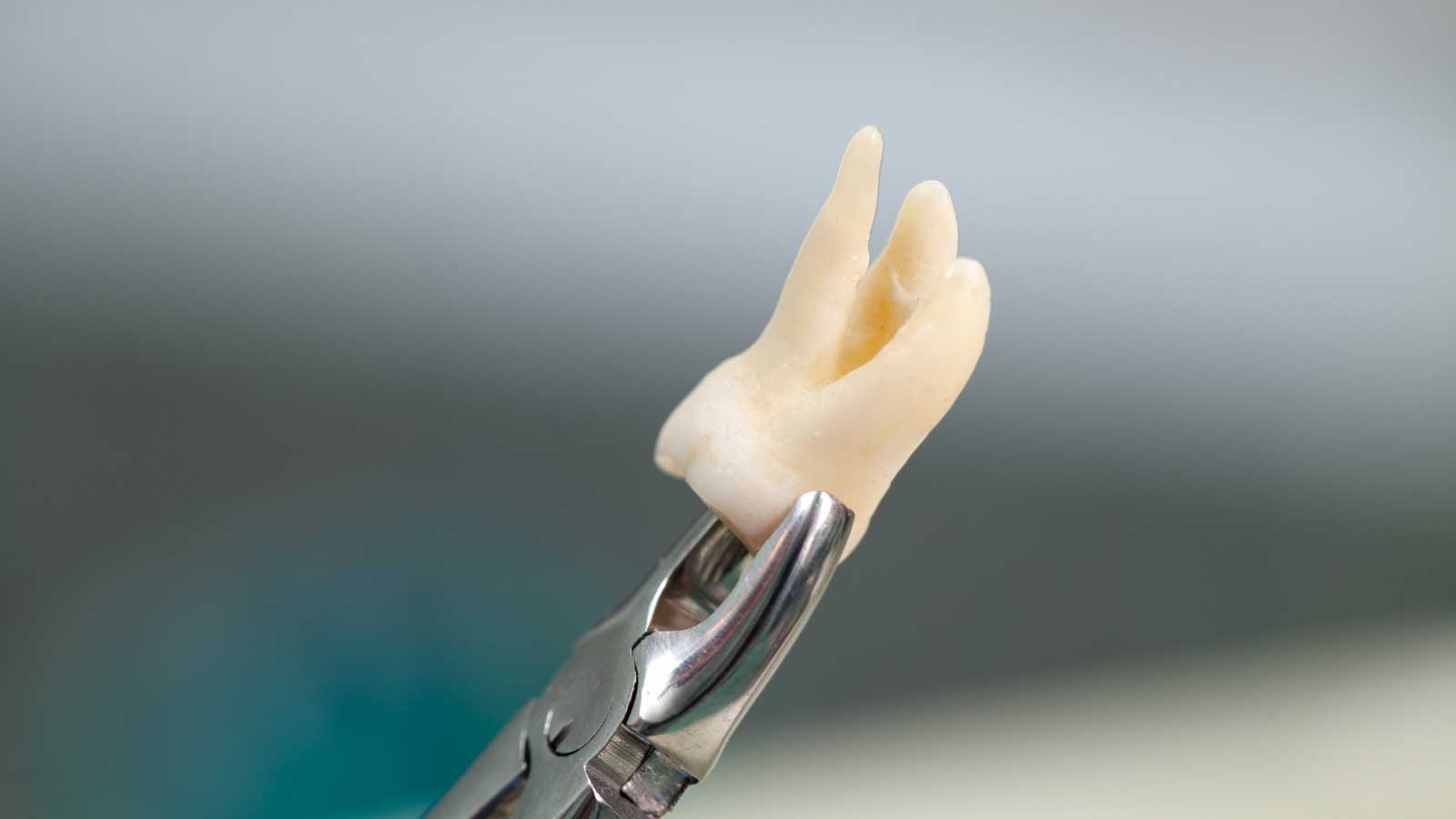
Pain, swelling, and uncertainty often follow a tooth extraction. Many people feel unsure about what is normal and what may be a sign of a problem. Others worry about how long the healing process takes or whether their symptoms align with the expected recovery stages.
Understanding the healing process helps reduce that stress. When you know what your body goes through, every change feels less alarming and easier to track. You gain more confidence in what to expect next.
To guide you, we will discuss the healing stages and warning signs following a tooth extraction treatment. We will also outline how to take care of the extraction site after the procedure. Each section builds on the last to help you understand the complete recovery process with clarity and ease.
Table of Contents
- Understanding Tooth Extraction and Its Effects on Your Body
- The Four Critical Stages of Tooth Extraction Healing
- Stage 1 – First 24 Hours: Blood Clot Formation and Immediate Recovery
- Stage 2 – Days 2-7: Clot Stabilization & Initial Healing
- Stage 3 – Weeks 2-4: Soft Tissue Closure & Gum Healing
- Stage 4 – Months 1-6: Bone Remodeling & Complete Recovery
- Warning Signs That Indicate Complications After Tooth Extraction
- Dry Socket Symptoms and Why It Happens
- Signs of Infection, Including Fever, Swelling, and Pus
- Prolonged Bleeding That Won’t Stop With Pressure
- Nerve Damage Indicators Like Numbness and Tingling
- Essential Aftercare for Smooth Tooth Extraction Recovery

Understanding Tooth Extraction and Its Effects on Your Body
A tooth extraction impacts more than the area where the tooth once sat. Your body responds instantly by activating healing systems designed to protect the socket and restore stability. This involves your blood vessels, immune cells, gum tissue, and even the surrounding bone.
Here are the core ways a tooth extraction treatment affects your body:
- The socket becomes an open wound that needs protection.
- Blood fills the space and begins to form a clot, sealing the area.
- Immune cells move in to block bacteria and reduce the risk of infection.
- Gum tissue begins to reorganize to close the opening and reduce sensitivity.
- Nerve endings react to the loss of support and may trigger soreness or pressure.
- Bone begins preparing for long-term remodeling as the socket heals from the inside.
Your body works continuously during these early stages of development. Each system contributes a specific role in protecting the area and promoting healthy healing. The more you understand these responses, the easier it becomes to follow proper aftercare and avoid complications.
The Four Critical Stages of Tooth Extraction Healing
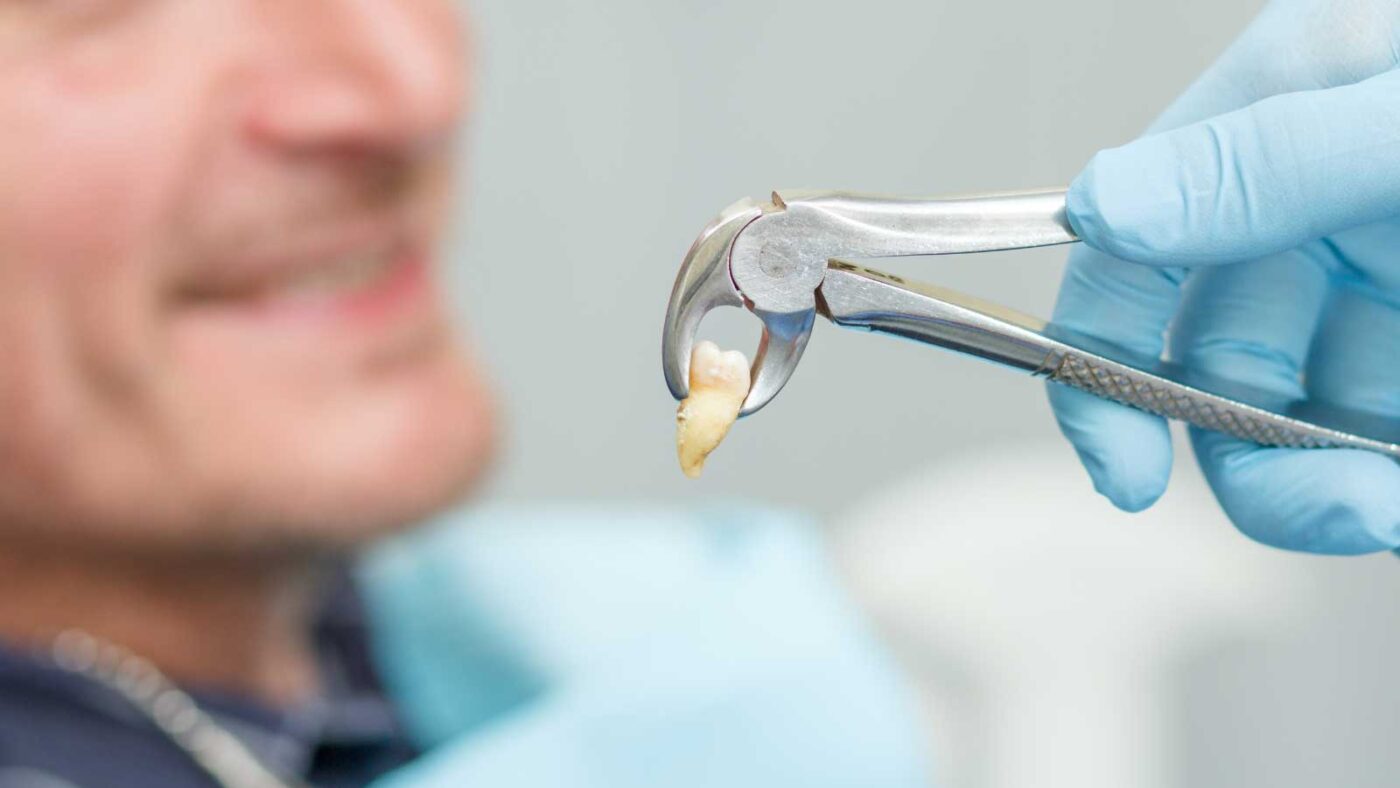
Your mouth moves through several predictable phases after a tooth extraction. Each stage builds upon the last, helping the socket transition from an open wound to a stable, healthy area. The sections below break down these phases in detail, outlining what you can expect during each one.
Stage 1 – First 24 Hours: Blood Clot Formation and Immediate Recovery
The first day centers on stabilizing the area and forming a strong blood clot. This clot is the body’s natural bandage, protecting the bone and nerves from external irritation. You may feel throbbing, pressure, or mild soreness during this time as the tissues react to the procedure.
Bleeding should slow within a few hours, although light oozing may continue until the clot becomes firm. Swelling typically begins on the first day and gradually increases as the body sends fluid to the affected area. Many people also notice jaw stiffness due to keeping their mouth open during the extraction.
Your main goal during this period is to protect the clot. You avoid suction, forceful spitting, or any movement that can disturb the site. Rest, hydration, and cold compresses help control swelling and support the body’s natural response.
Stage 2 – Days 2-7: Clot Stabilization & Initial Healing
During this stage, the clot becomes more stable and attaches firmly to the surrounding tissues. Swelling often peaks around day two or three before it starts to decrease. Pain should begin to lessen as the inflammation subsides and the socket starts to build new tissue underneath.
You may notice a white or yellow layer developing inside the socket. This is healthy healing tissue and not a sign of infection. Bad breath or a mild taste can also occur as proteins break down in the clot, which is a normal process. Many patients evaluate the cost of tooth extraction during this time when comparing their recovery experience to what they expected.
Daily care continues to matter. Gentle saltwater rinses help keep the mouth clean once approved by your dentist. You should still avoid chewing on the extraction side, talking excessively, or touching the area with your tongue to prevent irritating the forming tissue.
Stage 3 – Weeks 2-4: Soft Tissue Closure & Gum Healing
By this time, most of the gum surface has begun to close over the socket. The opening looks smaller, and the area should feel less tender during brushing or eating. Sensitivity may come and go as the tissue thickens and adjusts.
Pain should be minimal or gone entirely. The socket may look shallow or slightly indented, which is expected. New gum tissue gradually replaces the protective clot, creating a smoother surface around the extraction site.
Cleaning becomes easier during these weeks, but you still need to stay gentle. Food can collect in the healing socket, so slow, careful brushing and approved rinsing help keep the area clear. As long as swelling and discomfort continue improving, your healing is on track.
Stage 4 – Months 1-6: Bone Remodeling & Complete Recovery
Once the gums close, deeper healing begins. The bone underneath the socket starts producing new cells to fill the space left by the removed tooth. This process moves slowly, but it creates long-term stability and strengthens the jaw.
The gums should look fully healed on the surface within a few weeks, even though internal bone changes continue. Over time, the socket becomes smaller and firmer as the bone hardens and matures. Sensitivity usually disappears completely as the area stabilizes.
This stage matters if you plan to replace the missing tooth with a dental implant. Your dentist may evaluate the bone’s density, volume, and strength before moving forward. Steady improvement during this period indicates healthy and complete recovery.
Warning Signs That Indicate Complications After Tooth Extraction

Complications can develop when the clot becomes disrupted, bacteria enter the socket, or nearby structures become irritated. Knowing what symptoms are typical and which require attention helps prevent more serious problems.
The sections below outline the main warning signs you should watch for as you heal.
Dry Socket Symptoms and Why It Happens
A dry socket occurs when the blood clot dissolves too early or fails to form correctly. This leaves the underlying bone exposed, which causes a sharp and persistent pain that often spreads to the jaw or ear. The discomfort usually increases around the second or third day after the extraction.
You may notice an empty-looking socket, experience a foul taste, or detect an unpleasant odor. Dry sockets do not usually cause swelling or fever, so pain is the most important indicator. Treatment is necessary to soothe the exposed bone and support healing.
Signs of Infection, Including Fever, Swelling, and Pus
An infection develops when bacteria enter the extraction site and overwhelm the early healing tissue. Swelling that worsens after the third day, increasing pain, or redness spreading through the gums may point to this problem. Fever, chills, or general discomfort also signal possible infection.
Pus, discharge, or a strong, unpleasant odor can appear if the infection progresses. These symptoms require professional care to prevent the infection from spreading deeper into surrounding tissues. Early treatment strengthens your recovery and keeps healing on track.
Prolonged Bleeding That Won’t Stop With Pressure
Persistent bleeding after the first day may indicate irritation, clot disruption, or challenges with your body’s natural clotting ability. If steady pressure on clean gauze for twenty to thirty minutes does not slow the bleeding, it is a sign that the area needs evaluation. Some patients reach this point after accidentally disturbing the socket while eating or talking.
Continued bleeding may also occur if you take blood thinners or resume strenuous activity too soon. Your dentist may refer you to an endodontist, as they can be helpful when coordinating care for complex extractions that involve deeper tissues. A specialist may place new gauze, adjust stitches, or apply a more secure method to stabilize the area.
Nerve Damage Indicators Like Numbness and Tingling
Nerve irritation sometimes happens during complex or impacted extractions. Tingling, numbness, or changes in sensation near the chin, lip, tongue, or gums may appear. Most cases resolve on their own within days or weeks as the nerve recovers.
Persistent numbness or unusual sensations should be reported early. Monitoring these symptoms helps your dentist determine whether the nerve was stretched or compressed during the procedure. Early evaluation increases the likelihood of a full recovery.
Essential Aftercare for Smooth Tooth Extraction Recovery

Good aftercare sets the foundation for a smooth healing process. Your actions in the first few days influence how the clot forms, how quickly the gum tissue stabilizes, and how comfortable your recovery feels. Staying consistent with your routine helps keep the area clean and protected while your body undergoes the deeper healing stages.
Here are simple and effective ways to take care of yourself after a tooth extraction treatment:
- Keep the gauze in place as directed to support early clot formation.
- Apply cold packs in short intervals to help reduce swelling.
- Stick to soft foods and avoid biting near the extraction site.
- Rinse gently with warm saltwater only when approved by your dentist.
- Get plenty of rest and avoid heavy activity during the first two days.
A clear and steady routine helps build predictable progress in healing. Consistency lowers the risk of irritation or infection. Follow-up visits provide reassurance and early detection of any unusual conditions.
Having the expertise of a trusted endodontist can also provide extra guidance if you have a more complex extraction or a slow-healing socket.


