

Cracked Molar: Symptoms, Treatment, and When the Tooth Can Be Saved
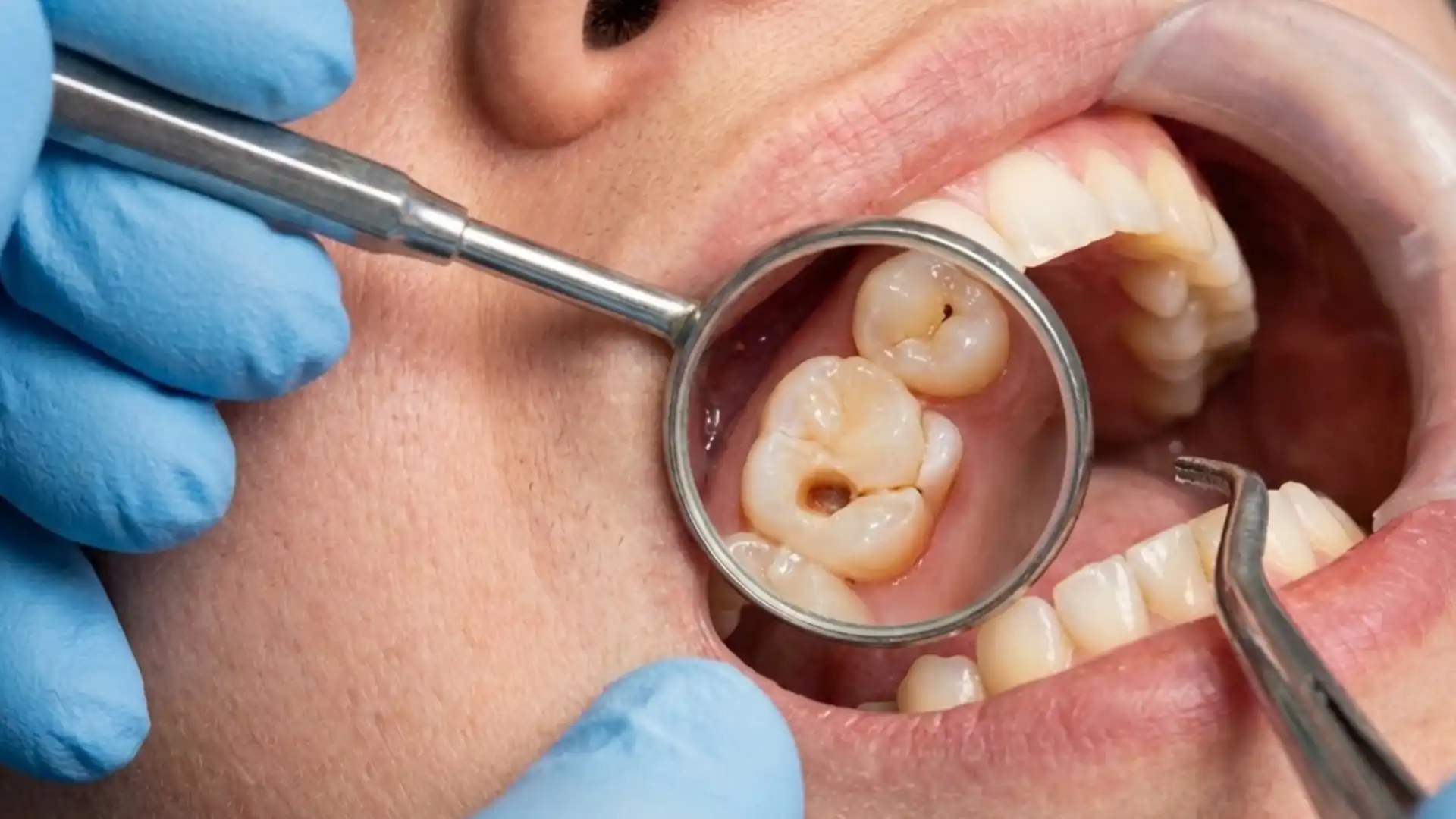
A sharp jolt when you bite down on a specific tooth, followed by another when you release, is one of the most recognizable signs of a cracked molar. The pain may appear only with certain foods or at certain angles, making it easy to dismiss until it becomes consistent.
Renovo Endodontic Studio provides specialized cracked molar evaluations at our Schaumburg, Elgin, Downers Grove, and Rockford locations, using diagnostic tools designed to identify fractures that standard X-rays may not reveal. If your pain is severe or accompanied by swelling, contact us for an emergency evaluation.
Table of Contents
- What Are Common Cracked Molar Symptoms?
- Craze Lines vs. a True Crack: What’s the Difference?
- How Does an Endodontist Evaluate and Treat a Cracked Molar?
- Diagnostic Testing Under High Magnification
- How Are Cracked Molars Restored and Protected?
- Schedule Your Cracked Molar Evaluation
- Frequently Asked Questions
- Why does a cracked molar hurt when you release bite pressure?
- How can you tell a cracked molar from a cavity?
- Is a cracked molar a dental emergency?
- What can you do at home for a painful cracked molar?
- Can a cracked molar get worse while waiting for an appointment?

What Are Common Cracked Molar Symptoms?
A cracked molar does not always look damaged from the outside. In many cases, your symptoms provide the first clue that something may be wrong.
Common signs of a cracked molar include:
- Sharp pain when biting down: You may feel sudden tooth pain when chewing on certain foods or putting pressure on a specific area of the tooth.
- Pain when releasing your bite: A quick, sharp sensation when you stop biting can be a common sign of a crack.
- Sensitivity to hot or cold: Temperature changes may trigger discomfort that lasts longer than normal sensitivity.
- Pain that comes and goes: Cracked teeth may not hurt all the time, which can make them easy to ignore.
- Discomfort without visible damage: Some cracks are difficult to see because they develop below the surface or between teeth.
Changes in how your tooth responds to biting pressure warrant evaluation, even if the tooth appears undamaged. If you already suspect a crack, our guide on how to fix a cracked tooth explains the repair options.
Craze Lines vs. a True Crack: What’s the Difference?
Not every line on your tooth means you have a serious crack. Craze lines and true cracks may look similar, but they affect your tooth differently. Understanding the difference can help you know when it may be time to seek an evaluation.
| Craze Lines | True Crack | |
| What it affects | Only affects the outer enamel layer of the tooth | Extends deeper into the tooth structure and may affect the inner layers |
| Pain level | Usually does not cause pain or sensitivity | May cause sharp pain when biting, chewing, or releasing pressure |
| Appearance | Often appears as small surface lines on the enamel | May not always be visible, especially if it develops below the surface or between teeth |
| Risk to the tooth | Usually does not affect the strength of the tooth | Can worsen over time and may affect the tooth’s ability to handle chewing pressure |
| Treatment needs | Often does not require treatment unless symptoms develop | Requires an evaluation to determine if the tooth can be protected and restored |
Your molars handle strong chewing forces every day, which can make them more likely to develop cracks over time. Large fillings, teeth grinding, hard foods, aging, and previous injuries can all contribute to changes in your tooth structure. To see how cracked and fractured teeth compare, read our guide on cracked tooth vs fractured tooth.
How Does an Endodontist Evaluate and Treat a Cracked Molar?

A cracked molar cannot heal on its own like a broken bone. Treatment does not reverse the fracture, so care focuses on protecting the tooth and preventing the crack from spreading.
Your endodontist evaluates a cracked molar by examining the location of the crack, how far it extends, the condition of the pulp (the soft tissue containing nerves and blood vessels inside the tooth), and how much healthy tooth structure remains. These findings help determine if your tooth can be protected, treated, or if removal may be necessary.
During your evaluation, your endodontist may use:
- A detailed exam: Your endodontist reviews your symptoms, dental history, and pain triggers to understand what may be affecting your tooth.
- Bite and magnification tests: These help identify where the crack may be located and how it affects your tooth during chewing.
- Pulp testing and imaging: These show whether the inner tissue of your tooth remains healthy and help evaluate possible damage around the root.
Your treatment plan depends on what the evaluation reveals. A cracked molar may need protection with a restoration, root canal treatment if the pulp is damaged, or removal if the tooth cannot be stabilized.
Diagnostic Testing Under High Magnification
Your evaluation starts with understanding your symptoms. Your endodontist will ask when your pain began, what triggers it, and if you have a history of grinding, large fillings, or previous injuries.
During the exam, your specialist may use bite testing, periodontal probing (measuring the gum pocket depth around the tooth to check for crack-related damage), transillumination (a focused light passed through the tooth to highlight fracture lines), and magnification to identify signs of a crack. These tools can reveal problems that may not be visible during a regular dental exam.
Cone-Beam Computed Tomography (CBCT) imaging can provide a detailed 3D view of your tooth and surrounding structures. While it can help evaluate suspected crack extensions, no single test can identify every fracture. Your endodontist combines your symptoms, exam findings, and imaging results to understand the condition of your tooth.
How Are Cracked Molars Restored and Protected?
Restoring a cracked molar depends on the extent of the damage and whether the inner tissue of the tooth is affected.
- Protective restoration: A crown or cuspal coverage restoration (a restoration that covers the biting surface of the tooth) may help support a tooth with enough healthy structure remaining. These restorations help protect the tooth from chewing forces but do not repair the crack itself.
- Root canal treatment: If the pulp becomes inflamed or infected, root canal treatment removes the damaged tissue inside the tooth and prepares it for final restoration. Our post-operative care instructions explain what to expect during recovery.
- Extraction: In some cases, a cracked molar cannot be restored. Removal may be necessary if the tooth has split into separate pieces, the crack extends too far below the gumline, a vertical root fracture (a crack that runs lengthwise through the root) affects the root, or there is not enough healthy tooth structure to support treatment.
Your endodontist does not determine treatment based on pain alone. The decision depends on what the examination reveals and whether the tooth can be supported long-term. If extraction becomes necessary, your care team can discuss replacement options such as a dental implant, bridge, or removable appliance.
Schedule Your Cracked Molar Evaluation

If you have sharp pain when biting, swelling, fever, drainage, a loose tooth, or trouble swallowing, do not wait to have your tooth checked. These symptoms may require prompt attention from an endodontist.
At Renovo Endodontic Studio, our team uses detailed diagnostic testing to evaluate cracked molars and help you understand your treatment options. We also work with referring dentists when additional care is needed to restore and protect your tooth.
If dental anxiety is keeping you from scheduling an appointment, ask about sedation therapy options, which include nitrous oxide, oral conscious sedation, and general anesthesia administered by a visiting dental anesthesiologist.
For questions about insurance, payment, or online bill pay, our team can help you prepare before your visit. If you are experiencing molar pain or discomfort when biting down, contact Renovo to schedule your evaluation and find out if your molar can be preserved.
Frequently Asked Questions
Why does a cracked molar hurt when you release bite pressure?
A cracked molar can hurt when you release your bite because the crack may shift slightly as pressure changes. This movement can irritate the inner tissues of the tooth and cause a quick, sharp pain. This type of discomfort is a common sign of a cracked tooth and may feel different from typical cavity pain.
How can you tell a cracked molar from a cavity?
A cracked molar often causes pain when biting down or releasing pressure, while a cavity may cause sensitivity to sweets, hot, or cold foods. However, symptoms can overlap, so you cannot always tell the difference on your own. An endodontist can evaluate your tooth with a detailed exam and testing to identify the cause of your pain. For a deeper comparison, read our guide on cracked tooth vs cavity.
Is a cracked molar a dental emergency?
A cracked molar is not always an emergency, but certain symptoms require prompt care. Seek immediate evaluation if you have severe pain, swelling, fever, drainage, or trouble swallowing or breathing. Even without these symptoms, you should schedule an appointment soon to prevent the crack from becoming more difficult to treat.
What can you do at home for a painful cracked molar?
Avoid chewing on the affected side and choose softer foods until you can see a dental professional. You can use a cold compress if you have swelling and take over-the-counter pain medication as directed. Do not place aspirin directly on your gums, as this can irritate the tissue.
Can a cracked molar get worse while waiting for an appointment?
Yes. Each time you chew on a cracked molar, the pressure can cause the fracture to move and may allow bacteria to reach deeper areas of the tooth. Avoid using the affected side and schedule an evaluation with an endodontist as soon as possible to understand your treatment options.


