

Can I Exercise After a Root Canal? Activity Guidelines for Recovery
You can usually return to light activity after a root canal once numbness has worn off and you feel comfortable moving around, though strenuous exercise should wait at least 24 to 48 hours. How quickly you return to your full routine depends on the complexity of your treatment and how your tooth responds during the initial healing period. At Renovo Endodontic Studio, we provide recovery guidance based on your specific procedure and can help you understand when it is safe to resume your normal activities.
If you need more information about healing after treatment, explore our root canal recovery timeline guide.
Table of Contents
- How Soon Can You Exercise After Treatment?
- The Initial 24 to 48 Hours
- Safe Movement and Workout Modifications
- Low-Impact Walking and Gentle Mobility
- Avoiding Strenuous Lifting and Contact Sports
- When Should You Stop Exercising Immediately?
- Warning Signs Requiring Clinical Evaluation
- Protecting Your Temporary Restoration
- Questions About Exercising After Your Root Canal? Contact Renovo Endodontic Studio
- Frequently Asked Questions
- Can I drink coffee or pre-workout drinks after root canal treatment?
- Does dental insurance cover emergency appointments after exercise-related discomfort?
- Can exercise cause a root canal to fail?
- How long should I wait before returning to sports after a root canal?
- Is it normal for a root canal to hurt during light exercise a week later?

How Soon Can You Exercise After Treatment?
Your return to exercise depends on your specific root canal treatment and how your tooth responds during healing. Factors like the severity of the infection, the need for retreatment, a temporary restoration, or sedation can affect when you can safely return to your normal routine.
Your root canal specialist will provide the most accurate guidance because they understand your tooth’s condition and the care it received. Follow their instructions as your main recovery guide.
The Initial 24 to 48 Hours
During the first 24 to 48 hours, focus on rest and light movement. Wait until any numbness fully wears off before starting physical activity. When your lips, cheeks, or tongue are still numb, you may accidentally bite or injure the area without noticing.
Avoid activities that place extra strain on your body, including:
- Running or sprinting
- Heavy lifting
- High-intensity interval training (HIIT)
- Vigorous cycling or swimming
- Contact sports or competitive activities
You should also avoid exercise if you:
- Feel dizzy, drowsy, or unusually tired
- Are still affected by sedation or prescription medication
Exercise increases blood flow, heart rate, and blood pressure, which can temporarily make normal sensitivity around the treated tooth feel more noticeable. This does not mean your treatment failed, but it may be a sign that you need to reduce your activity level.
After the first 24 to 48 hours, your activity level depends on how your tooth feels. A straightforward root canal treatment may allow you to return to your routine sooner, while more complex treatments like retreatment or an apicoectomy (a microsurgical procedure to treat infection at the root tip) may require additional healing time.
Safe Movement and Workout Modifications
Your recovery does not mean you need to avoid all movement. The goal is to choose activities that match your current comfort level as your tooth heals.
Light activities like walking and gentle mobility exercises are usually easier to tolerate after the first few days. Focus on movements that feel comfortable and avoid activities that create unnecessary strain on your body or jaw.
| Activity Type | Early Recovery | Once Symptoms Improve |
|---|---|---|
| Walking | Short walks at an easy pace on flat ground | Return to your normal pace and distance |
| Stretching | Gentle movements without straining or holding your breath | Resume your usual routine while avoiding jaw clenching |
| Strength training | Avoid heavy lifting and maximum-effort sets | Return with lighter weights and controlled movements |
| Cardio (running, cycling, HIIT) | Avoid intense sessions | Increase intensity gradually |
| Contact sports | Avoid until your tooth feels stable | Resume once chewing feels comfortable and your endodontist approves |
Increase your activity level one step at a time. Add more time first, then increase intensity, then return to heavier weights. Avoid changing everything in one workout. If an activity feels uncomfortable, reduce the intensity and allow more time for healing.
Low-Impact Walking and Gentle Mobility
Walking is a simple way to ease back into movement after a root canal. Start with a short, comfortable walk and pay attention to how your tooth feels.
During early recovery, choose activities that help you stay active without placing extra strain on your tooth:
- Walk on flat surfaces instead of hills or steep routes
- Keep your pace comfortable
- Avoid movements that cause you to strain or hold your breath
- Relax your jaw and avoid clenching your teeth
Gentle stretching can also help you maintain movement during recovery. Avoid deep stretches, inverted positions, or exercises that create tension in your jaw. Stay hydrated during and after light activity, as proper hydration supports healing.
Avoiding Strenuous Lifting and Contact Sports
Heavy lifting and high-impact activities can place additional strain on your treated tooth during recovery.
Hold off on activities such as:
- Maximum-effort lifting
- Training sets that push you to failure
- Running or jumping exercises
- Contact sports such as football, basketball, hockey, or martial arts
Once your tooth feels stable and you can chew comfortably, you can gradually return to higher-intensity activities. If you had a temporary restoration, avoid activities that may cause impact near the treated area until it feels secure.
Contact sports carry a higher risk of dental injury, and any impact to the treated tooth may require dental trauma management. A properly fitted mouthguard can provide added protection, though it does not replace proper healing or follow-up care after treatment.
When Should You Stop Exercising Immediately?
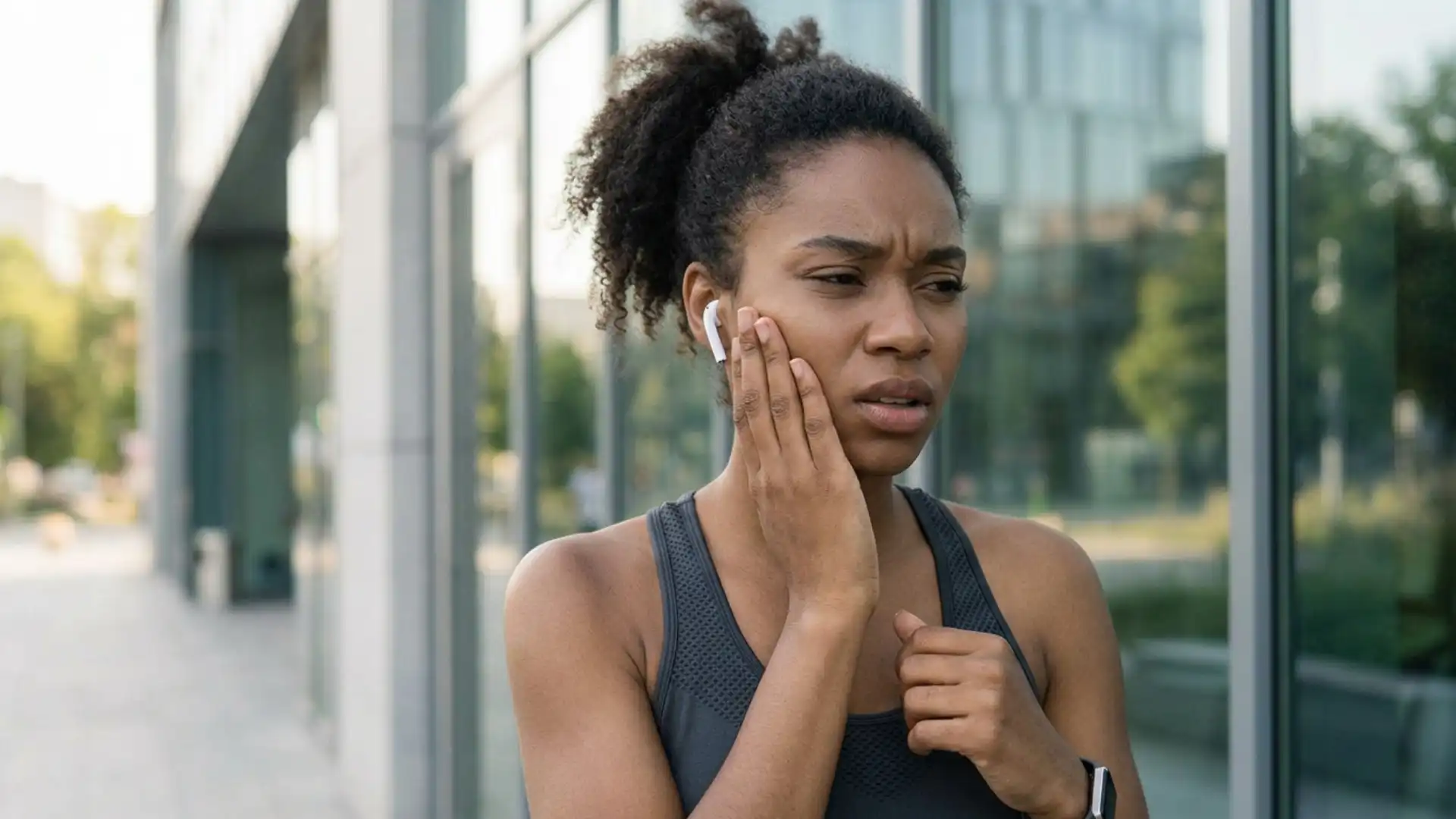
Listen to your body during recovery. Mild tenderness can happen after a root canal, but exercise should not worsen your root canal pain after treatment.
Stop your workout and rest if you experience sharp pain, increasing discomfort, or stronger throbbing during or after activity. If these symptoms continue or become more noticeable, contact your endodontic practice for guidance.
Warning Signs Requiring Clinical Evaluation
Some symptoms need prompt attention and should not be treated as normal workout discomfort. Contact your endodontic practice if you notice:
- Swelling inside or outside your mouth
- A bump on your gums or drainage near the treated tooth
- Fever, facial swelling, or swelling near your eye or neck
- Difficulty swallowing or breathing
- Bleeding or a bad taste that does not improve
- Pain that returns after it had started improving
- A bite that feels uneven or uncomfortable
- A temporary crown or filling that becomes loose or falls out
An uneven bite can place extra pressure on your tooth and may mean your temporary restoration needs an adjustment. Changing your exercise routine will not correct the issue, so contact your dental provider for evaluation.
Protecting Your Temporary Restoration
Your temporary restoration protects the treated tooth until your general dentist places the final restoration. Because it is not designed to handle the same forces as a permanent crown, you should take extra care during recovery.
Chew on the opposite side of your mouth when possible and avoid hard, sticky, or crunchy foods. Avoid chewing ice and gum until your permanent restoration is in place. You should also avoid activities that may cause impact to the treated area.
If your temporary filling or crown falls out, contact your endodontic practice as soon as possible. Avoid chewing normally on that side or returning to contact activities until your endodontist gives you further instructions.
Questions About Exercising After Your Root Canal? Contact Renovo Endodontic Studio
If your recovery does not feel right, do not attempt to train through worsening symptoms or assume that discomfort during exercise is a normal part of recovery. An experienced endodontist can evaluate your tooth, review your symptoms, and recommend the next step based on your treatment.
At Renovo Endodontic Studio, we use advanced technology and personalized care to help patients understand their recovery after treatment. Our team can guide you through concerns related to healing, post-treatment instructions, and follow-up care.
If you experience sudden or severe symptoms, contact our team to determine the appropriate care, or schedule an appointment at one of our locations.
Frequently Asked Questions
Can I drink coffee or pre-workout drinks after root canal treatment?
You can usually return to coffee after treatment, but limit caffeine or pre-workout drinks if they make your tooth feel more sensitive. Avoid very hot drinks until your numbness has completely worn off.
Does dental insurance cover emergency appointments after exercise-related discomfort?
Insurance coverage depends on your specific plan. Contact your insurance provider or the practice before your visit to confirm your benefits. If you experience swelling, worsening pain, or other concerning symptoms, contact your endodontic practice for guidance.
Can exercise cause a root canal to fail?
Exercise does not typically cause a root canal to fail. However, returning to intense activity too quickly may make normal sensitivity more noticeable or increase discomfort during recovery. Follow your endodontist’s instructions and return to exercise gradually.
How long should I wait before returning to sports after a root canal?
Many patients can return to lighter activities after the first 24 to 48 hours if they feel comfortable. High-impact sports and activities that involve contact should wait until your tooth feels stable and your endodontist approves a return.
Is it normal for a root canal to hurt during light exercise a week later?
Mild tenderness can happen as your tooth and surrounding tissues continue to heal. If pain worsens, returns every time you exercise, or does not improve after a week, contact your endodontic practice for an evaluation.


