

Signs of Infection After a Root Canal: What to Watch For
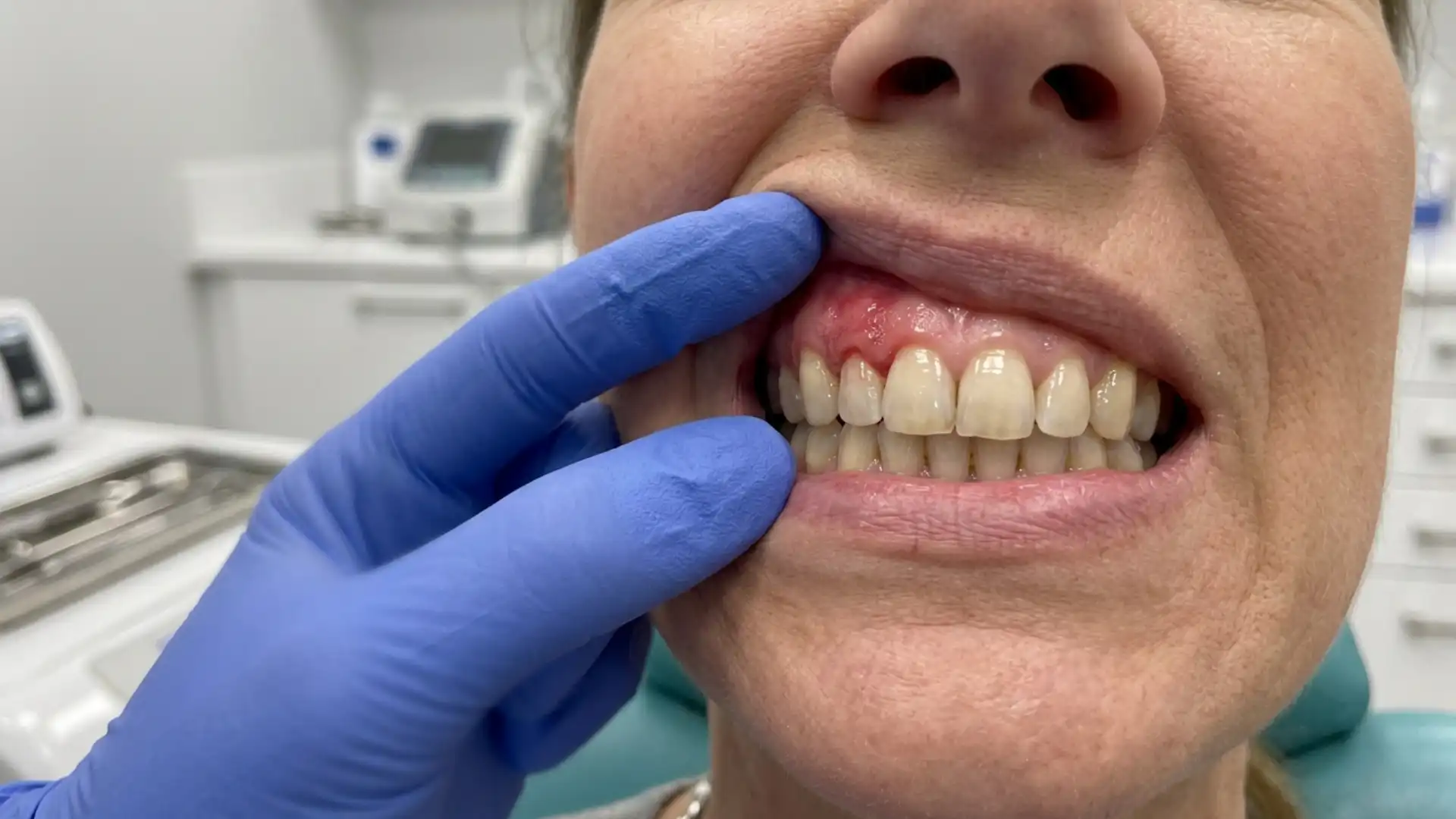
Your tooth may feel sore for a few days after a root canal, but the discomfort should gradually improve. A bad taste, a fever, or discomfort that intensifies after the first few days may indicate an infection that requires professional evaluation.
At Renovo Endodontic Studio, we help patients understand changes after treatment and identify when symptoms may need further evaluation. Our post-operative care instructions outline what typical healing looks like day by day, so you can recognize when a change in symptoms warrants contacting your endodontist.
Table of Contents
- What Are the Critical Warning Signs of Persistent Infection?
- Could Your Bite Be Causing Pain?
- Why Can Reinfection Occur After Endodontic Care?
- Untreated Microscopic Canal Spaces
- Coronal Seal Failure and Fractures
- When Should You Call an Endodontist?
- Schedule Your Evaluation at Renovo Endodontic Studio
- Frequently Asked Questions
- How do you know if you have an infection after a root canal?
- Is it normal to have pain weeks after a root canal?
- Can an infected root canal make you sick?
- What does a failed root canal feel like?

What Are the Critical Warning Signs of Persistent Infection?
Some tenderness around your treated tooth or soreness in your jaw is normal after a root canal. Most patients notice gradual improvement within a few days, although healing time can vary. Your tooth may feel slightly different from your surrounding teeth as the area adjusts.
Your tooth should gradually feel better during recovery. Certain changes may signal a problem that needs attention.
Watch for these warning signs:
- Pain that returns or becomes stronger: Pain that worsens, spreads to your jaw or face, or comes back after improving may require evaluation.
- New or increasing swelling: Swelling around your gums, cheek, or jaw can point to ongoing inflammation near the treated tooth.
- A bump on your gums: A small bump near the treated tooth may allow infection-related fluid to drain, even if it does not cause much pain.
- A persistent bad taste or odor: A foul, salty, or metallic taste that keeps returning may be linked to drainage from an infected area.
- Fever or feeling unwell: Fever, chills, fatigue, or swollen lymph nodes may occur when your body responds to an infection.
A gum bump does not always feel painful because drainage can reduce pressure around the tooth. However, it still needs attention and should not be squeezed or popped. A professional evaluation can help identify the cause and the right next step.
| Symptom | Normal Healing | Possible Infection |
|---|---|---|
| Pain trend | Eases over days | Worsens or returns |
| Swelling | Minimal, stable | Growing, spreading to face or jaw |
| Gum tissue | Slightly tender | Red, warm, draining bump present |
| Taste or odor | No ongoing changes | Salty, foul, or metallic taste that returns |
| Systemic signs | Absent | Fever, chills, fatigue |
If you are unsure about your symptoms, review our guide on root canal pain after treatment to better understand what may be normal and when you should seek care.
Could Your Bite Be Causing Pain?
Not all discomfort after a root canal comes from infection. Sometimes, your tooth may feel sore because your bite is uneven.
If the treated tooth hits before your other teeth when you close your mouth, repeated pressure from chewing can keep the area irritated during healing. If your pain happens mainly when you bite down or chew, mention this when speaking with your dental provider. A bite adjustment may help relieve the pressure.
Why Can Reinfection Occur After Endodontic Care?
During your root canal, your endodontist removes infected pulp tissue (the soft tissue containing nerves and blood vessels inside the tooth), cleans and disinfects the canal system, and seals the tooth to help prevent bacteria from returning. After treatment, your tooth also needs a proper permanent restoration to protect the seal and support long-term function.
In some cases, infection can return because bacteria remain in hard-to-reach areas or enter the tooth again. Possible causes include:
- A missed or complex canal that was difficult to fully clean
- New decay that reaches the treated tooth
- A compromised or delayed restoration
- A crack or damage that allows bacteria to enter
- Blocked areas that prevent complete cleaning of the canal system
These problems can have different causes, and imaging may be needed to identify the source. If your symptoms return after a root canal, it does not automatically mean the treatment failed. Every tooth has unique anatomy, and some canals can be narrow or difficult to detect even with careful treatment.
If your general dentist identifies these signs during a routine exam, they may refer you to an endodontist for further evaluation. Renovo Endodontic Studio partners with referring dentists across Northern Illinois to coordinate care, so your general dentist receives relevant clinical updates throughout the treatment process.
Untreated Microscopic Canal Spaces
Some teeth have narrow or curved canals that are harder to clean completely. Advanced imaging, such as cone beam computed tomography (CBCT), can help identify areas that standard X-rays may not show.
Endodontic retreatment involves reopening the tooth, removing previous filling material, cleaning the canal system again, and resealing the tooth. Our guide on what to do when a root canal fails covers what retreatment involves in more detail. If the infection cannot be reached through the tooth, an endodontic microsurgery procedure such as an apicoectomy (a microsurgical procedure to remove infected tissue at the root tip) may be considered.
Coronal Seal Failure and Fractures
Your tooth needs a strong coronal seal (the protective barrier created by the crown or filling on top of your treated tooth) after a root canal to help keep bacteria out. A damaged temporary filling, a delayed permanent restoration, or new decay can allow bacteria to enter through gaps in the restoration and reach the treated canal again.
Pain when you bite down or release your bite can sometimes point to a crack or structural issue. In some cases, a tooth fracture, significant bone loss, or limited remaining tooth structure may make retreatment less predictable. An evaluation helps determine if your tooth can still be preserved or if another treatment option is needed.
If you notice sharp pain when chewing, our guide on tooth pain when chewing can help you understand possible causes before your appointment.
When Should You Call an Endodontist?

Contact an endodontic practice if your pain worsens or returns after a root canal, you notice swelling or a gum boil, your bite feels different, or a temporary filling or crown becomes loose. These signs may mean your tooth needs a closer evaluation. If you have not had a root canal but are dealing with tooth pain, our guide on how to know if you need a root canal explains what to look for.
If you have spreading facial swelling or trouble swallowing or breathing, seek urgent care right away. These symptoms may require immediate attention, including an emergency endodontic evaluation.
During an evaluation, a root canal specialist will review your symptoms, examine your tooth and gums, check your bite, and use imaging when needed. Depending on the findings, treatment may include monitoring, restoration repair, or tooth extraction if the tooth cannot be saved.
A returning infection does not always mean you will lose your tooth. At Renovo Endodontic Studio, we help patients understand the cause of their symptoms and find the right treatment option to protect their natural teeth.
Schedule Your Evaluation at Renovo Endodontic Studio
Financial considerations should not delay a necessary evaluation. Renovo Endodontic Studio submits claims directly on your behalf and accepts most major PPO and many HMO dental insurance plans, so our team can review your coverage before you commit to a treatment plan.
For patients managing ongoing treatment costs, online bill pay makes it simple to review statements and submit payments between visits, without needing to call during office hours.
Visit our locations page to find the office closest to you.
If you are experiencing returning pain, swelling, or signs of infection after a root canal, schedule an evaluation at Renovo Endodontic Studio for a clear diagnosis and treatment recommendation.
Frequently Asked Questions
How do you know if you have an infection after a root canal?
The direction of change tells you the most. Soreness that fades a little each day is expected, while symptoms that stall, reverse, or spread point toward infection. Only an exam, tapping and bite tests, and imaging can confirm it, so call your endodontist if the pattern worries you.
Is it normal to have pain weeks after a root canal?
No, pain that lasts for weeks is not typical. Mild tenderness when biting can linger briefly while the tissue around the root heals, but pain that continues, intensifies, or returns after improving needs an evaluation. An uneven bite, a cracked tooth, or a persistent infection can all keep pain going.
Can an infected root canal make you sick?
Yes. Bacteria can spread beyond the tooth into the surrounding bone and soft tissue, which is why a tooth infection can bring on fever, chills, and fatigue. Facial swelling that spreads, or trouble swallowing or breathing, calls for urgent care.
What does a failed root canal feel like?
Many failed root canals cause pain when you bite down, lingering pressure, a gum bump, or a bad taste. Some cause very little discomfort and appear only as a healing problem on a follow-up X-ray, which is why imaging matters even when your tooth feels fine.


