

Can an Infected Tooth Heal Itself? The Science Behind Pulp Regeneration
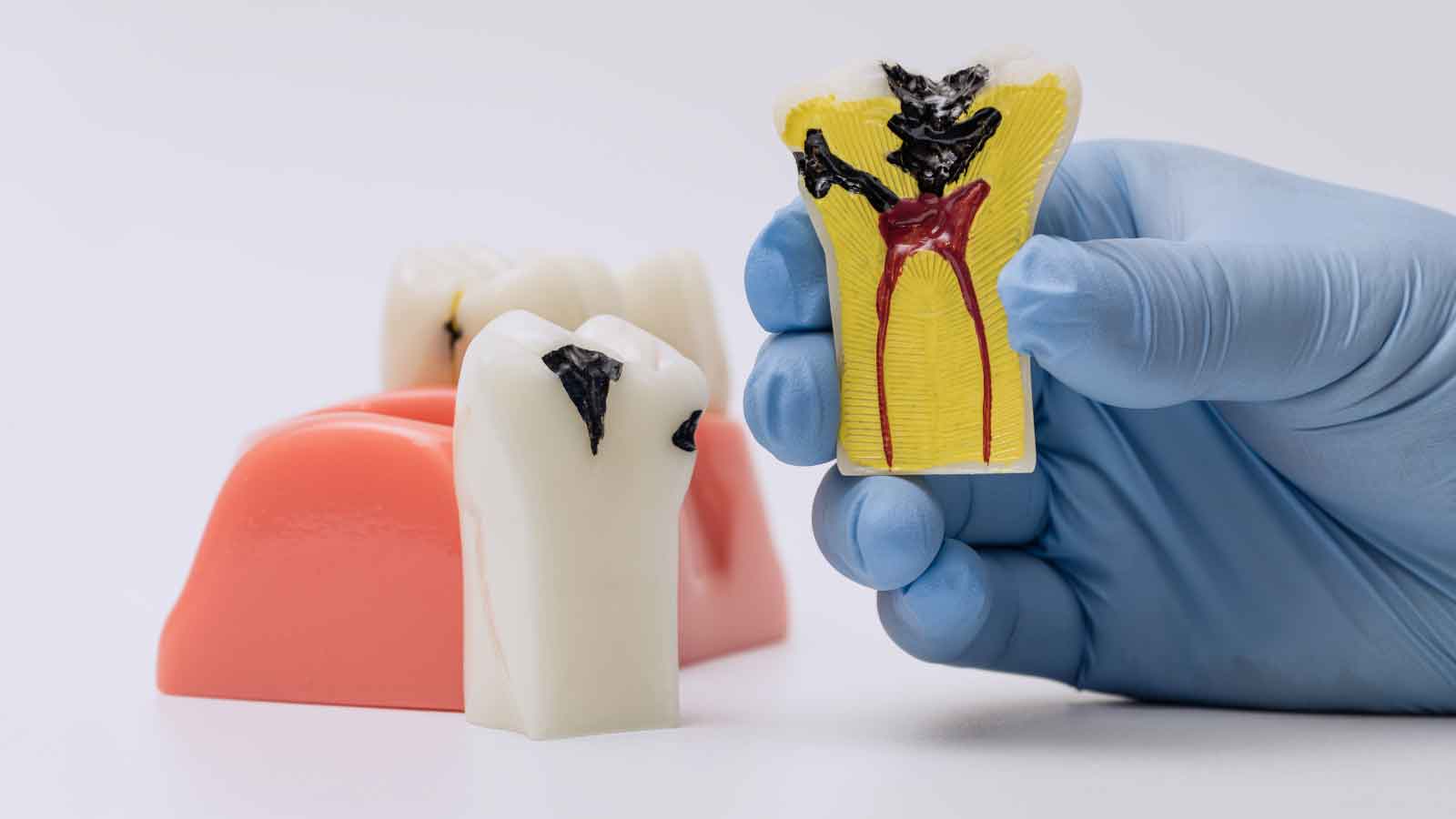
When a tooth starts to ache, the first instinct is often to hope the pain will pass on its own. The body heals cuts, bruises, and even broken bones, so it’s reasonable to wonder whether an infected tooth might do the same. The honest answer involves understanding how the inside of a tooth works and why pulp infection behaves differently from infections elsewhere in the body.
This guide walks through what happens biologically when a tooth becomes infected, the difference between early inflammation and full infection, and how modern vital pulp therapy and regenerative endodontics can restore living tissue in the right cases.
You’ll also learn who qualifies for these advanced treatments and how a specialist decides the best path forward.
Table of Contents
- The Short Answer: An Infected Tooth Can't Self-Heal
- The Difference Between Reversible and Irreversible Pulpitis
- Understanding Pulp Regeneration
- Vital Pulp Therapy
- Pulp Revascularization
- Apexogenesis and Apexification
- Who’s a Candidate for Regenerative Endodontic Treatment
- How an Endodontist Can Help You
- FAQs
- Can an infected tooth pulp heal itself?
- Can pulp repair itself?
- How long can you leave an infected tooth untreated?
- Can antibiotics alone cure a tooth infection?
- Is pulp regeneration painful?
- How successful is regenerative endodontic treatment?
- What is the difference between regenerative endodontics and a root canal?

The Short Answer: An Infected Tooth Can't Self-Heal
A tooth that has reached the point of true pulp infection will not heal without professional intervention. The dental pulp sits inside a rigid chamber surrounded by hard dentin, leaving no room to swell. In other parts of the body, swelling is part of how the immune system fights infection; inside a tooth, that defense mechanism has nowhere to go.
Once bacteria reach the pulp, the tissue cannot mount the same defense as your skin or muscles can. Several biological realities make self-healing impossible once infection sets in:
- Enclosed Chamber: The pulp cannot swell to accommodate immune cells, which limits the body’s ability to fight bacteria.
- Limited Blood Supply: Blood flow enters through a tiny opening at the root tip, so immune cells and antibiotics struggle to reach the infected area.
- Pulp Necrosis: Once the pulp tissue dies, it becomes a reservoir for bacteria that continue to spread infection downward.
- Abscess Formation: An untreated infection often leads to an abscess at the root tip, which can damage the surrounding bone.
If you’ve been wondering what happens if you avoid a root canal, the short version is that the infection spreads, the bone around the tooth breaks down, and the tooth eventually becomes non-restorable. Catching the problem early is what protects the natural tooth.
The Difference Between Reversible and Irreversible Pulpitis
Not all tooth pain means the pulp is dead. Pulpitis refers to inflammation of the dental pulp and occurs in two forms. Reversible pulpitis occurs when the pulp is irritated but still alive and capable of recovery. In contrast, irreversible pulpitis means the tissue has been damaged beyond its ability to heal, even with treatment.
The distinction matters because it determines whether the tooth can be saved with a conservative approach or requires root canal therapy.
| FEATURE | REVERSIBLE PULPITIS | IRREVERSIBLE PULPITIS |
| Pain Type | Brief, sharp pain triggered by cold or sweet | Lingering, throbbing pain that persists |
| Pain Duration | Stops within seconds of removing the trigger | Continues for minutes or hours, often spontaneous |
| Pulp Status | Alive and inflamed, still capable of recovery | Severely damaged or beginning to die |
| Treatment | Decay removal, protective material, and sealing | Root canal therapy or regenerative endodontics |
| Outcome | Pulp can heal with prompt care | Pulp cannot heal; tissue must be removed or regrown |
Working with trusted dentists who can accurately diagnose which type of pulpitis is present makes the difference between saving the pulp and losing it. A reversible case caught early may need only a filling and a protective base, while waiting too long pushes the same tooth into territory where more involved treatment becomes the only option.
Understanding Pulp Regeneration

Pulp regeneration uses the body’s own stem cells to regrow functional tissue inside a previously infected tooth. The procedure relies on three biological elements working together: stem cells from the apical papilla near the root tip, a blood clot that serves as a natural scaffold, and signaling molecules released from the dentin walls that guide stem cells to differentiate.
When these elements come together in a sterile environment, new tissue can form inside the canal space.
Vital Pulp Therapy
Vital pulp therapy preserves the living portion of the pulp when only a section has been affected by decay or trauma. Our specialists remove the inflamed tissue, apply a biocompatible material to protect the remaining healthy pulp, and seal the tooth so the living tissue can continue to function normally.
Pulp Revascularization
Pulp revascularization is a regenerative procedure used when the entire pulp has died, but the tooth still has the potential to develop new tissue. Our endodontists carefully disinfect the canal, gently encourage bleeding from the root tip to form a natural scaffold, and seal the area with a protective material so that new vascular tissue can grow within the canal space.
For patients who feel anxious about longer procedures, we offer sedation dentistry options that keep the experience comfortable from start to finish.
Apexogenesis and Apexification
For younger patients whose roots are still developing, apexogenesis encourages continued natural root growth by preserving healthy pulp tissue at the root tip. When the pulp has already died in a developing tooth, apexification uses a healing barrier to allow the root tip to close, creating the conditions needed for long-term tooth retention.
Who’s a Candidate for Regenerative Endodontic Treatment
Regenerative endodontics works best in specific clinical situations, and not every infected tooth is a candidate. Younger patients with immature roots are ideal candidates because their roots are still developing, and the regenerative process allows the walls to continue thickening and lengthening.
Adult patients with chronic, long-standing infections face lower success rates because mature bacterial biofilms can resist even thorough disinfection.
The factors that make a tooth a strong candidate for regeneration include:
- Patient Age: Younger patients, particularly children and teenagers with immature root development, see the highest success rates.
- Root Development Stage: Teeth with open or incompletely formed root tips respond better to regenerative protocols.
- Infection Severity: Acute infections without extensive biofilm formation are more responsive to disinfection.
- Healthy Surrounding Tissue: Adequate blood supply at the apical area is needed to form the scaffold and deliver stem cells.
- No Severe Structural Damage: The tooth must be restorable and free of vertical root fractures.
For patients whose teeth don’t meet these criteria, conventional root canal therapy remains a highly successful option that protects the natural tooth for the long term. A specialist evaluation is the only way to determine which approach is best for a specific case.
How an Endodontist Can Help You

Determining whether a tooth can be saved with regenerative therapy or requires traditional treatment requires careful evaluation.
Our specialists at Renovo Endodontic Studio combine clinical testing, advanced imaging, and detailed case review to recommend the approach most likely to preserve the natural tooth. Our goal is always to match the treatment to the tooth, not to apply a single solution to every case.
Our endodontists rely on a structured evaluation process to guide every recommendation:
- CBCT Imaging: Three-dimensional scans reveal root anatomy, the extent of infection, and bone health that standard X-rays cannot show.
- Pulp Vitality Testing: Cold and electric pulp tests help determine whether the pulp is alive, inflamed, or necrotic.
- Clinical Symptom Review: Our specialists assess pain patterns, swelling, and sensitivity to build a complete clinical picture.
- Magnification Under the Operating Microscope: High-powered visualization enables our team to detect cracks, calcifications, and accessory canals that may alter the treatment plan.
- Case-Selection Expertise: Years of specialist-only training help our endodontists know when regeneration is realistic and when traditional treatment offers a better long-term outcome.
If you’re experiencing tooth pain or have been told you may need a root canal, schedule a consultation at Renovo Endodontic Studio. Our team across Schaumburg, Elgin, Downers Grove, and Rockford is ready to evaluate your tooth and recommend the treatment that gives you the best chance of keeping it.
FAQs
Can an infected tooth pulp heal itself?
No. Once bacteria reach the pulp and cause a true infection, the tissue cannot recover on its own. The enclosed pulp chamber prevents the immune system from clearing the infection, so professional treatment is the only way to stop the spread and save the tooth.
Can pulp repair itself?
Pulp tissue in the very early stages of inflammation, called reversible pulpitis, can recover if a specialist removes the source of irritation and properly seals the tooth. Once the pulp progresses to irreversible pulpitis or necrosis, repair is no longer possible on its own.
How long can you leave an infected tooth untreated?
There is no safe window. An infected tooth can progress quickly from mild discomfort to abscess formation, bone damage, and systemic infection within days or weeks. Prompt evaluation by an endodontist is the safest path to protect both the tooth and your overall health.
Can antibiotics alone cure a tooth infection?
No. Antibiotics may reduce swelling and slow the spread of bacteria, but they cannot reach the dead tissue inside the pulp chamber. The source of infection has to be physically removed through root canal therapy or regenerative endodontic treatment.
Is pulp regeneration painful?
The procedure itself is performed under local anesthesia and is comparable in comfort to a traditional root canal. Mild soreness afterward is normal and typically resolves within a few days, and sedation options are available for patients who need additional comfort during treatment.
How successful is regenerative endodontic treatment?
Documented success and survival rates for pulp regeneration range from roughly 50 to 98 percent, depending on patient age, root development, and infection severity. Younger patients with immature roots consistently see the highest success rates.
What is the difference between regenerative endodontics and a root canal?
A traditional root canal removes the infected pulp and fills the space with synthetic material to seal the tooth. Regenerative endodontics aims to regrow living tissue inside the canal using the body’s own stem cells, allowing the tooth to continue developing in younger patients.


