

Apicoectomy Pain: What to Expect at Every Stage of Recovery
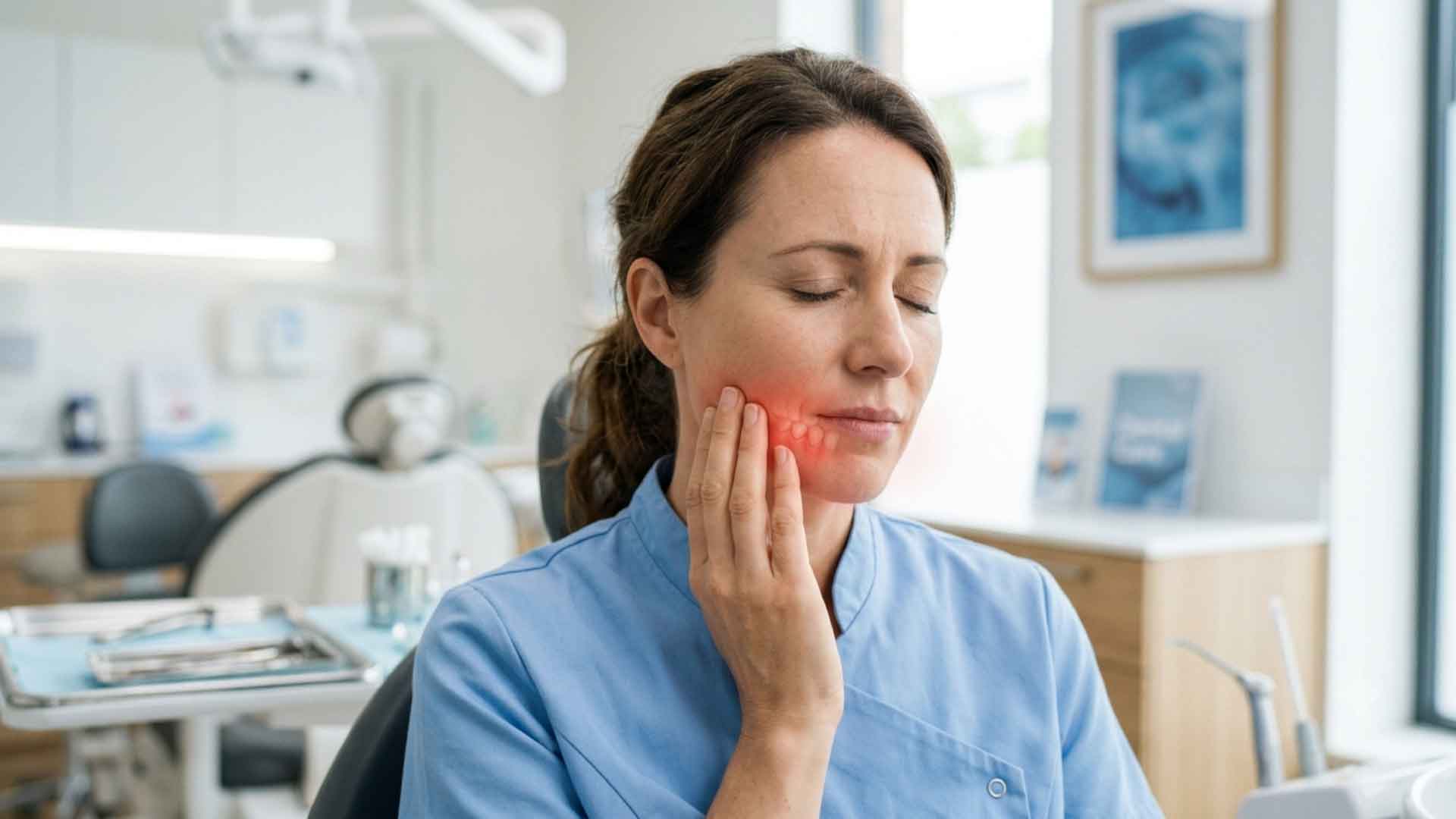
Apicoectomy pain often sounds more intimidating than it feels. An apicoectomy is a minor surgical procedure in which your endodontist removes the tip of the tooth root and any surrounding infected tissue, and it is typically performed after a root canal treatment or endodontic retreatment cannot fully resolve the problem.
As your mouth recovers, the way your pain feels should gradually change. Knowing what to expect at each stage can help you feel more prepared, more confident, and less anxious about your recovery. Following your post-operative care instructions closely supports steady healing at every step.
Table of Contents
- Your Apicoectomy Recovery Timeline
- What Does Apicoectomy Pain Feel Like in the First 48 Hours?
- Common Early Symptoms
- Pain Management in the First Two Days
- Days 3 to 7: The Turning Point
- Peak Swelling and Bruising
- Suture Removal and Returning Comfort
- Weeks 2 to 6: Surface Healing
- Gum Tissue Recovery
- Reintroducing Normal Foods
- Months 3 to 6: Deeper Bone Healing
- What Follow-Up Visits Confirm
- How Do You Know If Your Apicoectomy Is Healing Properly?
- When Should You Call Your Endodontist After an Apicoectomy?
- Schedule Your Apicoectomy Consultation
- Frequently Asked Questions
- Can I drive myself home after an apicoectomy?
- How long should I take off work after an apicoectomy?
- Will I need antibiotics after an apicoectomy?
- How do you know if an apicoectomy has failed?
- Can an apicoectomy be done twice?
- Does an apicoectomy save the tooth, or will I still lose it?

Your Apicoectomy Recovery Timeline
Apicoectomy recovery happens in stages. Your gum tissue usually calms down first, while the bone around the root tip continues to heal over the next few months. That longer healing process is normal and does not mean you will feel pain the entire time.
Most of the discomfort you notice happens during the first few days. After that, recovery usually becomes easier to manage as swelling fades, tenderness improves, and normal oral sensation gradually returns.
- First 48 to 72 Hours: Initial soreness and swelling develop.
- Day 7: Symptoms often improve, and sutures may be removed.
- Weeks 2 to 6: Gum tissue continues closing and healing.
- Months 3 to 6: Bone gradually repairs beneath the surface.
What Does Apicoectomy Pain Feel Like in the First 48 Hours?
The first two days after your apicoectomy directly influence your comfort level throughout the remainder of the first week. Simple preparation at home before your procedure can reduce swelling and minimize unnecessary irritation.
Common Early Symptoms
Your mouth may stay numb for a few hours after your appointment. As the anesthesia wears off, you may feel soreness, pressure, or tenderness near the treated area. Mild oozing or light bleeding during the first several hours can also happen.
During the procedure, you may have felt pressure or movement rather than sharp pain. If pain intensifies rather than gradually improving during the first 48 hours, contact your endodontist for evaluation.
Pain Management in the First Two Days
Begin taking your recommended medication on schedule rather than waiting for pain to intensify. Take ibuprofen, another recommended over-the-counter medication, or any prescribed medication exactly as directed by your care team.
These simple steps can help you stay more comfortable during the first two days:
- Elevate your head: Rest with your head propped up to help reduce throbbing.
- Ice your cheek: Use a cold pack on the outside of your cheek, 20 minutes on and 20 minutes off.
- Choose soft foods: Try yogurt, applesauce, smoothies, scrambled eggs, or mashed potatoes.
- Avoid straws: Suction can disturb the healing area and slow your recovery.
- Do not poke the site: Let the tissue rest so the clot stays intact.
Days 3 to 7: The Turning Point
Days 3 to 7 often mark the turning point in your apicoectomy recovery. Discomfort may still feel noticeable at first, but once your body moves past this window, you should start to feel more comfortable each day.
Peak Swelling and Bruising
Swelling often peaks around Day 2 or 3, not immediately after surgery. You may also notice bruising along your cheek or jawline, especially if your endodontist treated a lower tooth. Visible bruising may appear more severe than the actual discomfort suggests, and the color usually fades as healing continues.
Keep protecting the area during this stage. Use cold packs as directed, chew on the opposite side of your mouth, and brush gently around the surgical site. Warm saltwater rinses can also help keep the area clean, but rinse softly so you do not disturb the healing tissue.
Suture Removal and Returning Comfort
By Day 4 to 7, swelling often starts to go down. Bruising may shift to a lighter yellow color, jaw stiffness may ease, and your normal routine may feel more manageable.
Your endodontist may remove your sutures around this time and check how the tissue is closing. If the area looks healthy, you may be able to add firmer foods back into your diet. Still, avoid crunchy, sharp, or sticky foods that could irritate the surgical site.
Weeks 2 to 6: Surface Healing

Once the peak discomfort phase has passed, recovery transitions to tissue protection and a gradual return to normal function. You may still notice occasional sensitivity, but your mouth should feel more stable.
Gum Tissue Recovery
During these weeks, your gum tissue continues to close over the surgical site. You may feel mild sensitivity or a slight tightness in the gums as the tissue heals.
Returning sharp pain at this stage is uncommon and may warrant a follow-up evaluation. More often, you will feel occasional sensitivity when chewing pressure is applied to the treated tooth, and that should keep improving.
Reintroducing Normal Foods
You can often return to a more normal diet and oral hygiene routine during this stage. Use a very soft-bristled toothbrush near the surgical area so you can clean your mouth without irritating the healing gum.
Hold off on very hard or sticky foods, such as nuts, chips, hard candy, or chewy snacks, until your endodontist says the area is ready. This small step helps protect the progress your mouth has already made.
Months 3 to 6: Deeper Bone Healing
The visible part of recovery often improves within the first few weeks, but deeper healing takes longer. Under the surface, your jawbone gradually repairs the area around the treated root.
What Follow-Up Visits Confirm
Bone healing can take several months. During this stage, you may feel little to no discomfort, even though your body is still repairing the area.
Keep your follow-up visits so your endodontist can check your progress. A dental X-ray may help confirm that the bone is healing well and that the infection has resolved.
How Do You Know If Your Apicoectomy Is Healing Properly?
Healthy healing usually feels like steady, gradual improvement with less tenderness over time. The gum tissue looks pink and closed, chewing becomes more comfortable, and any early swelling stays gone.
Signs that deserve a closer look include returning pain months after surgery, new swelling, or a small bump on the gum near the root. Your endodontist can confirm proper bone fill with imaging and address any lingering infection early.
When Should You Call Your Endodontist After an Apicoectomy?
Most apicoectomy recoveries follow a steady path. Still, some symptoms fall outside normal healing and need a prompt call to your endodontist.
Contact your care team if you notice:
- Worsening pain: Discomfort that increases after Day 3 instead of improving.
- Fever or chills: Feeling sick, weak, or feverish.
- Foul drainage: Pus or a strong, bad taste near the surgical site.
- Uncontrolled bleeding: Bleeding that does not slow with gentle pressure.
- Nighttime pain: Pain that wakes you up or feels difficult to manage.
Calling early helps your endodontist check the area, address the problem, and keep your recovery moving in the right direction.
Schedule Your Apicoectomy Consultation

If you are preparing for an apicoectomy or recovering now, and something does not feel right, Renovo Endodontic Studio is here to help. As a specialty endodontic practice, we provide focused care for procedures like apicoectomy, with treatment planning and recovery guidance tailored specifically to internal tooth conditions.
An apicoectomy treats the tip of the tooth root, so attention to detail matters. Our endodontic specialists can evaluate your symptoms through endodontic surgery planning, explain what to expect, and help you understand if your healing is on track. When you are ready, schedule a consultation with Renovo Endodontic Studio for expert care centered on your comfort, your tooth, and your long-term oral health.
Frequently Asked Questions
Can I drive myself home after an apicoectomy?
Yes, you can usually drive yourself home if your endodontist uses local anesthesia only. If your treatment includes sedation dentistry, you will need someone to drive you because the effects can last for several hours.
How long should I take off work after an apicoectomy?
Most patients take one to two days off after an apicoectomy. You may return to desk work or remote work sooner if you feel comfortable. If your job involves heavy lifting, bending, or strenuous activity, your endodontist may recommend a few extra days to help limit swelling.
Will I need antibiotics after an apicoectomy?
You may need antibiotics if you have an active infection or specific risk factors. Your endodontist will decide based on your case. If antibiotics are part of your plan, take them exactly as directed and finish the full course.
How do you know if an apicoectomy has failed?
A failed apicoectomy usually shows returning pain, swelling, or a small drainage bump on the gum in the weeks or months after surgery. If these appear, your endodontist will evaluate the site with imaging to find the cause and outline next steps.
Can an apicoectomy be done twice?
In some cases, yes, though a repeat procedure depends on the tooth’s structure and how much healthy root remains. When a second surgery is not practical, your endodontist may discuss endodontic retreatment or extraction with a replacement option.
Does an apicoectomy save the tooth, or will I still lose it?
An apicoectomy aims to save your natural tooth. Your endodontist removes the infected tissue near the root tip while keeping the rest of the tooth in place. Many patients keep normal tooth function after healing, especially when they follow their post-operative care instructions.


