

Going Back to Work After a Root Canal: What to Expect and How to Plan
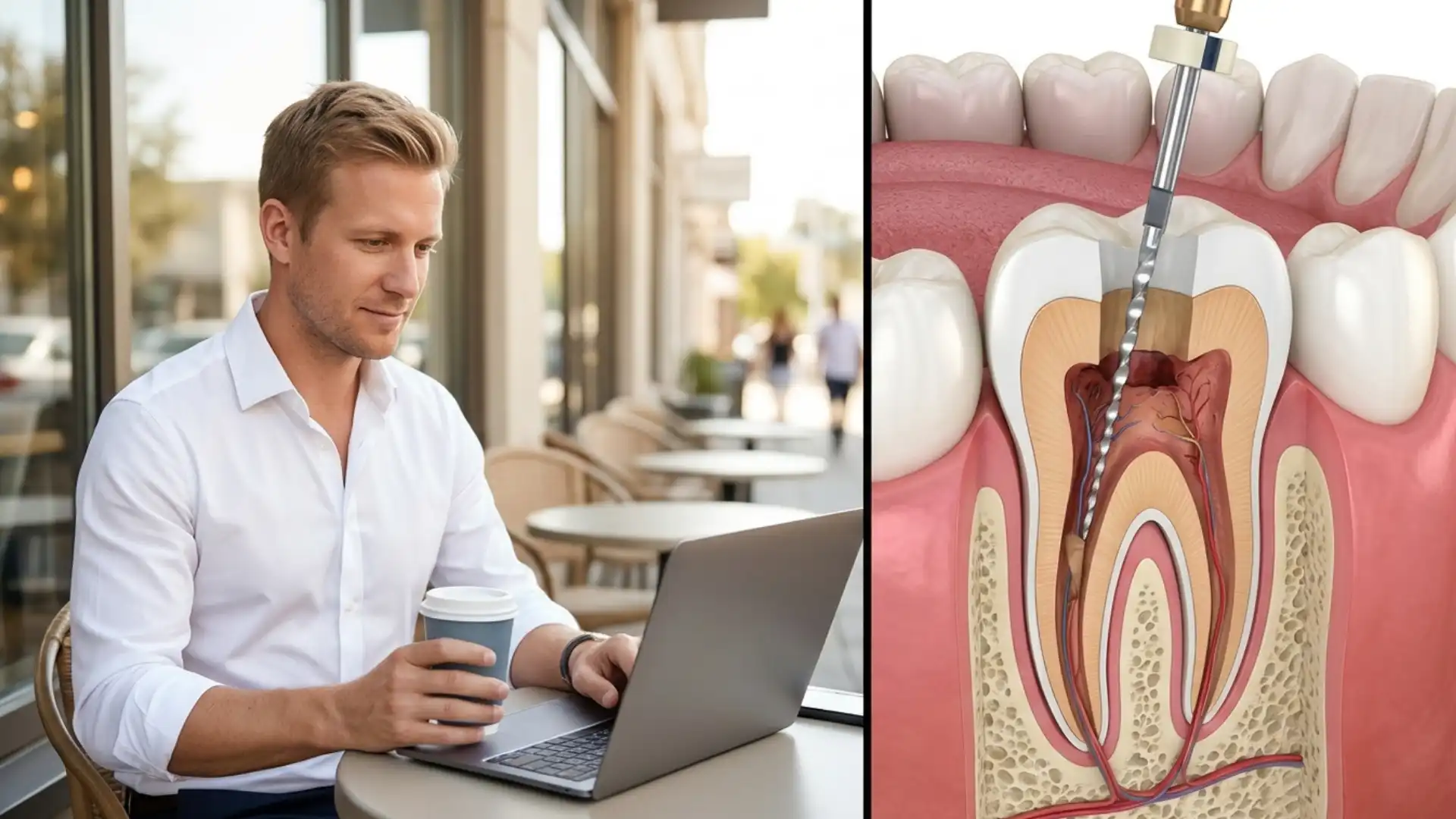
If you receive local anesthesia, you can often return to work the same day or the next morning. Your recovery depends on the type of work you do, how you feel after treatment, and whether you receive sedation.
You may feel temporary numbness, but it usually does not require extended time off. At Renovo Endodontic Studio, our team provides clear recovery guidance after root canal treatment so you can plan your return to work with confidence.
Table of Contents
- When Can You Return to Work?
- Temporary Numbness After Treatment
- Mild Soreness and Jaw Discomfort
- Sedation May Require More Recovery
- How Does Your Job Affect Recovery?
- Desk Jobs and Remote Work
- Customer Service and Speaking Roles
- Physically Demanding Jobs
- How Can You Plan Your Workday?
- Prepare Before Your Appointment
- Start With Lighter Work Tasks
- Manage Your Pain Medication
- How Do You Protect Your Tooth?
- Choose Soft Foods After Treatment
- Schedule Your Permanent Restoration
- When Should You Contact Your Endodontist?
- Warning Signs That Need Attention
- Schedule Your Root Canal at Renovo Endodontic Studio
- Frequently Asked Questions
- Is a root canal painful?
- How long does a root canal take?
- Can I attend meetings after a root canal?
- Will I need a doctor’s note for work?
- Can I drink alcohol or smoke after a root canal?

When Can You Return to Work?
Many patients can return to light activities the same day after a root canal performed with local anesthesia. If you feel tired or experience noticeable discomfort, taking the rest of the day off and returning the following morning may be more comfortable. Your recovery also depends on how your body responds to treatment and the type of anesthesia you receive.
Temporary Numbness After Treatment
Local anesthesia typically keeps your mouth numb for about 2 to 4 hours, although the duration can vary. During this time, your lips, cheeks, or tongue may feel unusual, making speaking and eating more difficult.
You may need a short break before resuming activities that require clear communication or eating during your workday.
Avoid chewing until the numbness wears off to reduce the risk of accidentally biting your cheek or tongue.
Mild Soreness and Jaw Discomfort
As the anesthesia wears off, you may notice tenderness around the treated tooth or mild jaw soreness from keeping your mouth open during the procedure.
You may feel some discomfort when biting or chewing, but mild soreness usually does not prevent you from completing routine activities.
If you experience more noticeable discomfort or fatigue after an emergency root canal, particularly following severe tooth pain or infection, you may prefer taking additional time to rest.
Learn more about what to expect during healing in our root canal recovery timeline.
Sedation May Require More Recovery
If you receive oral sedation during your root canal, you will need more recovery time than patients who receive local anesthesia alone.
Sedation can affect your alertness, coordination, and judgment even after you feel awake. If your treatment includes sedation therapy, you should:
- Arrange for a responsible adult to drive you home.
- Take the rest of the day off to recover.
- Avoid driving or operating heavy machinery for at least 24 hours.
- Postpone important decisions and signing legal documents for 24 hours.
- Follow any additional recovery instructions from your endodontist.
Nitrous oxide wears off within minutes after treatment, so most patients who receive only nitrous oxide can drive themselves home and return to work the same day. Oral sedation requires more recovery time. General anesthesia, administered by a visiting dental anesthesiologist, requires the longest recovery and is typically reserved for select cases.
Your endodontist can explain how your anesthesia and treatment may affect your return to work.
How Does Your Job Affect Recovery?
Your work responsibilities can influence how much time you need away from your job after treatment. Consider the tasks you perform throughout the day and any adjustments that could make your return easier.
Desk Jobs and Remote Work
If you work at a desk or from home, activities like answering emails, working on a computer or handling routine administrative tasks generally place little physical strain on your treated tooth.
You may want to postpone lengthy meetings or demanding projects if you need additional breaks. Working remotely can also give you more flexibility to manage your schedule without commuting.
Customer Service and Speaking Roles
If your schedule includes presentations, customer calls, teaching or training sessions, consider moving them to the following day or arranging duties that require less speaking.
You can also ask a coworker to handle important calls or customer interactions until you feel ready to resume your usual responsibilities.
Physically Demanding Jobs
If your work involves heavy lifting, construction, warehouse duties, or other strenuous activities, your endodontist may recommend taking additional time off or temporarily modifying your responsibilities.
Physical exertion can increase throbbing or discomfort around your treated tooth, particularly during the early stages of recovery.
If your job requires significant physical effort, ask your root canal specialist when you can safely resume full duties. Your recommended timeline will depend on your symptoms, treatment, and the type of anesthesia you received.
How Can You Plan Your Workday?
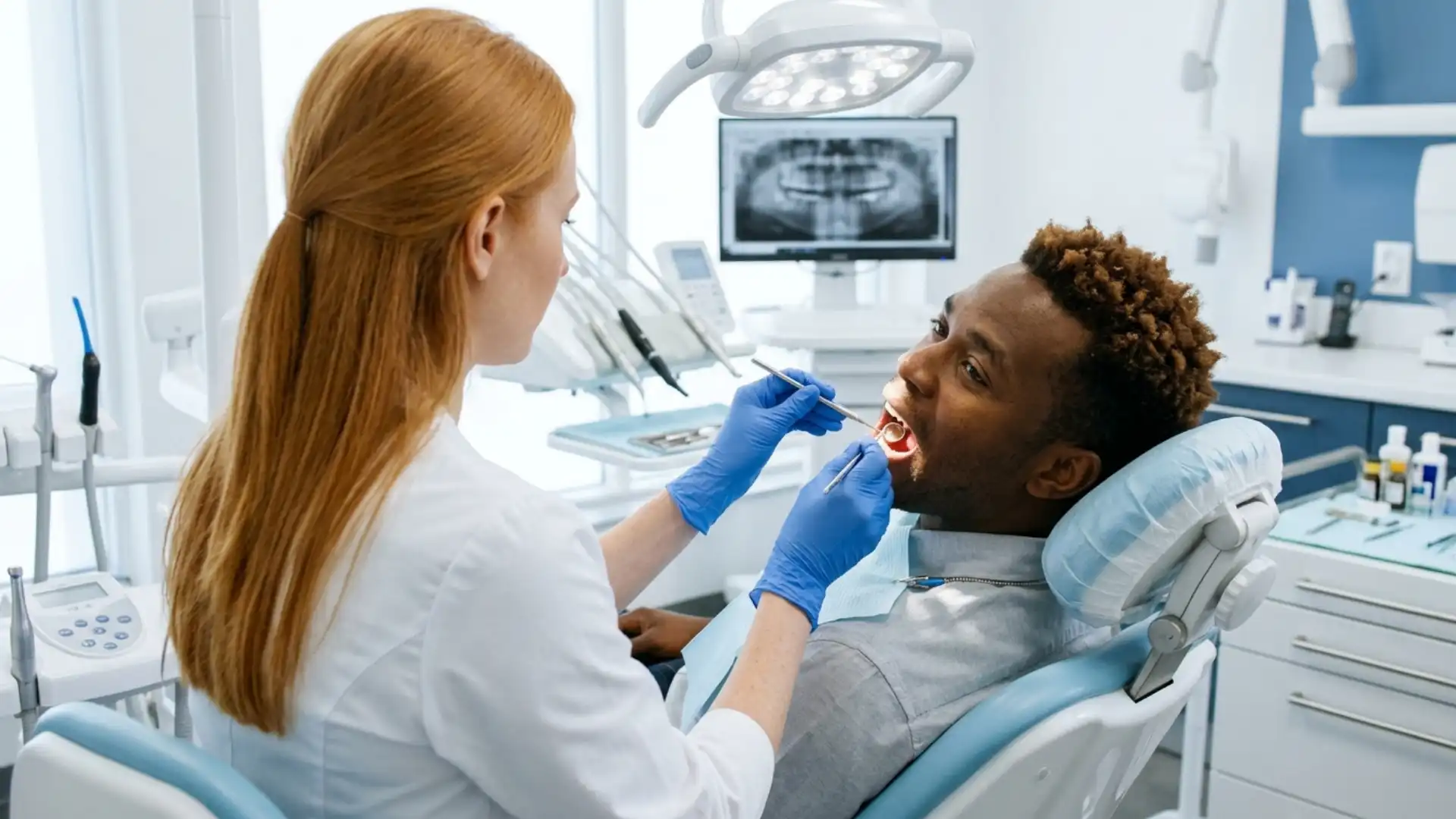
Preparing before your treatment day helps you coordinate your workload and reduce interruptions during the initial recovery period.
Prepare Before Your Appointment
Consider your work commitments before scheduling your root canal treatment. If you expect to need additional recovery time, make arrangements before your treatment day.
Here are some steps you can take:
- Confirm your anesthesia options: Ask your endodontist if you will receive local anesthesia or sedation therapy. If sedation is planned, arrange transportation home.
- Schedule your appointment carefully: Consider a late-afternoon visit or leave a few hours open afterward.
- Prepare soft foods and pain relief: Have easy-to-eat meals and any recommended pain medication ready at home.
- Notify your employer if needed: If your job involves physical labor or long meetings, arrange a lighter schedule or request time off before your appointment.
- Settle your payment ahead of time: If you have an outstanding balance, you can use Renovo Endodontic Studio’s online bill pay option to manage your payment without adding another task to your workday. Flexible payment options through Cherry and CareCredit are available for expenses not covered by insurance.
- Check your insurance coverage: Renovo Endodontic Studio accepts most major PPO and many HMO dental insurance plans. You can review your options on our insurance page or contact our team to discuss your benefits before your appointment.
Start With Lighter Work Tasks
Give yourself extra time between tasks, take short breaks, and postpone nonurgent responsibilities if discomfort affects your concentration.
Keep water nearby and avoid clenching your jaw or putting unnecessary pressure on your treated tooth. If you become uncomfortable, adjust your workload or take time to rest.
Manage Your Pain Medication
Your endodontist may recommend over-the-counter pain relievers such as ibuprofen or acetaminophen to help manage discomfort after treatment.
Follow your endodontist’s instructions for medication timing and dosage. If appropriate, taking your recommended pain reliever before the numbness completely wears off may help you stay comfortable.
Do not exceed the recommended dosage or combine medications without checking with your endodontist or healthcare provider. Learn more about expected discomfort in our root canal pain after treatment article.
How Do You Protect Your Tooth?
Returning to work does not mean your treated tooth has fully recovered. Taking a few precautions during meals and daily activities can help prevent unnecessary pressure or damage.
Choose Soft Foods After Treatment
Once the numbness wears off, choose foods that are easy to chew and place less pressure on your treated tooth. If you bring lunch to work, prepare something soft that you can eat comfortably during your break.
Good options include:
- Yogurt or scrambled eggs
- Mashed potatoes
- Lukewarm soup
- Soft pasta
- Oatmeal
Avoid hard, crunchy, or sticky foods such as nuts, chips, and caramel, especially if your tooth has a temporary filling. Chew on the opposite side until your dentist advises you otherwise.
Continue brushing and flossing gently to keep the treated area clean.
Schedule Your Permanent Restoration
After your root canal treatment, your tooth may need a permanent filling or crown to protect it from further damage. If your endodontist places a temporary filling, schedule your follow-up appointment with your general dentist promptly. Temporary fillings provide short-term protection but are not designed to replace a permanent restoration. Learn more about why you may need a crown after a root canal.
Renovo Endodontic Studio works closely with referring dentists to coordinate your follow-up care, making it easier to arrange your permanent restoration around your work schedule.
When Should You Contact Your Endodontist?
Mild soreness usually improves within a few days, but worsening pain, swelling, or other unusual symptoms may require professional attention.
Warning Signs That Need Attention
Contact your endodontist if you experience any of the following symptoms:
- Severe or worsening pain. Pain that increases instead of improving may indicate a problem that needs evaluation.
- Facial or jaw swelling. New or increasing swelling may signal an infection or another complication.
- Fever. A fever after treatment, especially with increasing pain or swelling, requires prompt attention.
- An uneven bite. If your treated tooth feels higher than the surrounding teeth, your dentist may need to adjust the restoration.
- A loose or missing temporary filling. Contact your dentist promptly to protect the tooth from further damage.
If you develop severe swelling that affects your breathing or swallowing, seek emergency medical care immediately.
At Renovo Endodontic Studio, our team can evaluate concerning symptoms and recommend appropriate care. Review our post-operative care instructions for additional recovery guidance.
Schedule Your Root Canal at Renovo Endodontic Studio
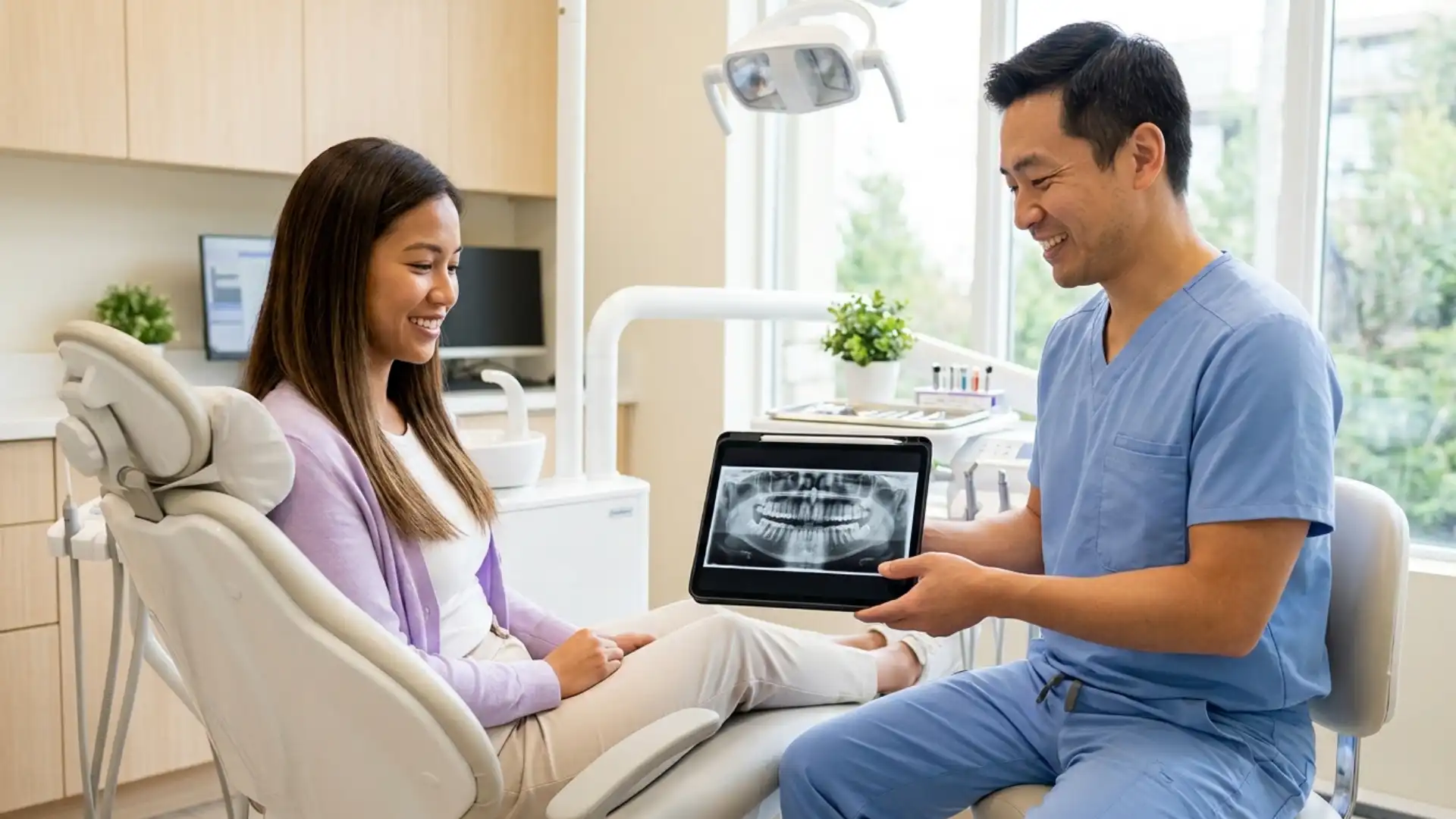
Addressing tooth pain with timely treatment allows you to return to your work and daily responsibilities with minimal disruption. If you need a root canal treatment or are experiencing severe tooth pain that requires urgent attention, Renovo Endodontic Studio is here to help.
Our endodontic specialists provide personalized care using advanced technology to help relieve discomfort and preserve your natural teeth. With practices in Schaumburg, Elgin, Downers Grove, and Rockford, our team can explain your treatment options and help you understand your expected recovery needs.
Schedule your appointment today or find a Renovo location near you, or contact our team to get the specialized care you need.
Frequently Asked Questions
Is a root canal painful?
Most patients experience little to no pain during a root canal treatment because local anesthesia numbs the affected area. You may feel slight pressure or vibration during the procedure.
If you experience discomfort, tell your endodontist so they can adjust your anesthesia. After treatment, temporary tenderness may affect your comfort, but it generally improves over the next few days.
How long does a root canal take?
Most root canal appointments take approximately 60 to 90 minutes, although complex cases involving molars or multiple canals may require more time.
Your endodontist can provide an estimated treatment duration so you can reserve enough time on your calendar without rushing back to your responsibilities.
Can I attend meetings after a root canal?
Yes, you may be able to attend meetings after treatment if you feel alert and comfortable. However, consider postponing presentations or meetings that require extended speaking if your mouth still feels numb.
For virtual meetings, you may find it easier to participate through written messages or listen without speaking frequently.
Will I need a doctor’s note for work?
Your employer may request documentation if you need time away from work for treatment or recovery.
If your workplace requires a note, contact Renovo Endodontic Studio to ask about available appointment documentation. Your endodontist can also discuss any recommended activity restrictions based on your treatment.
Can I drink alcohol or smoke after a root canal?
You should avoid alcohol and smoking for at least 24 hours after your root canal treatment, or longer if your endodontist recommends it.
Alcohol can interact with certain pain medications and sedatives, potentially causing unwanted side effects. Smoking can irritate the treated area and interfere with healing. Follow your endodontist’s aftercare instructions before returning to either activity.


