

Why Is My Root Canal Tooth Hurting After Years?
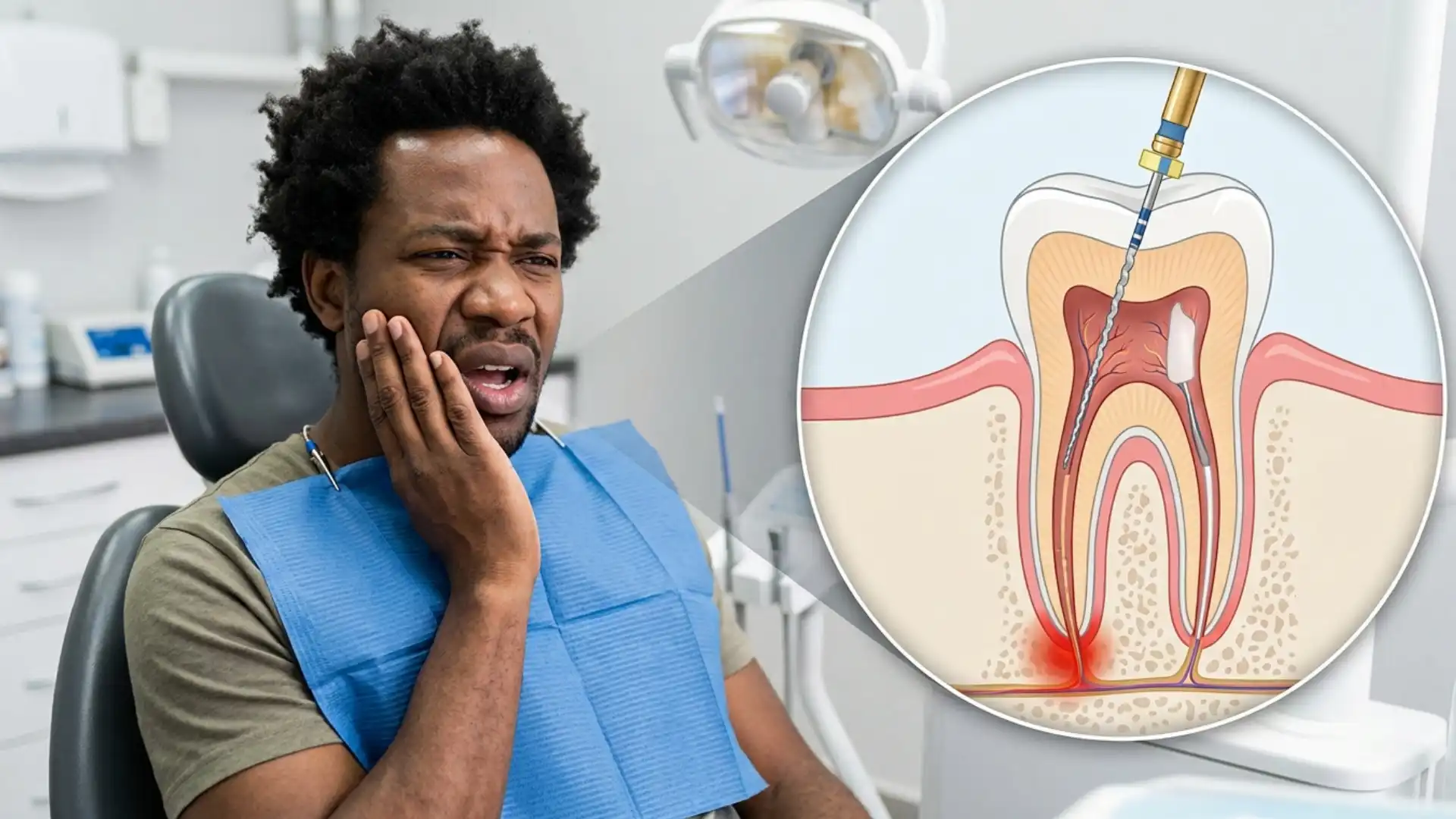
If your root canal tooth starts hurting years later, it may mean bacteria have entered the tooth again, a crack has developed, or the tissues around the tooth have become irritated. A previous root canal treatment can still be successful, but changes over time may require a closer evaluation from a root canal specialist.
Common causes include a damaged restoration that allows bacteria to return or a crack that creates space for infection near the root. Your specialist can determine the cause of your pain and recommend the right treatment, which may include an apicoectomy if infection remains around the end of the root.
Table of Contents
- What Causes Late Tooth Reinfection After a Root Canal?
- Leakage and Cracks Can Allow Bacteria to Return
- Hidden Canals and Gum Problems Can Cause Similar Symptoms
- How Do Root Canal Specialists Treat Delayed Infection?
- Root Canal Retreatment for Reinfected Teeth
- Apicoectomy for Persistent Root Infections
- When Tooth Removal Becomes Necessary
- When Is an Emergency Root Canal Needed?
- Schedule Your Root Canal Evaluation at Renovo Endodontic Studio
- Frequently Asked Questions
- How long does a root canal usually last?
- Can a root canal tooth be sensitive to cold years later?
- Will antibiotics clear up an infection in an old root canal tooth?
- Can a root canal be retreated more than once?
- Is root canal retreatment more painful than the first procedure?

What Causes Late Tooth Reinfection After a Root Canal?
A treated tooth can still hurt because the tissues around the root remain alive and sensitive. A dental root canal removes infected pulp from inside your tooth, but the surrounding bone and supporting tissues can still develop problems over time.
Leakage and Cracks Can Allow Bacteria to Return
A leaking crown, loose filling, or new decay can create an opening where bacteria enter the sealed canal space. Over time, this can lead to inflammation or infection near the root.
A crack can create similar symptoms but happens through damage to the tooth structure. Daily pressure from chewing, grinding, and biting can contribute to cracks that develop slowly over time. You may notice pain when biting down, discomfort when releasing your bite, lingering sensitivity, or swelling near the gum line.
Some cracks are difficult to detect and may require advanced imaging for a clearer evaluation.
Hidden Canals and Gum Problems Can Cause Similar Symptoms
Some teeth have complex canal systems with narrow or curved areas that can be difficult to identify during the first treatment. If a small canal remains untreated, bacteria may continue to grow and cause inflammation near the root years later.
Pain does not always mean the root canal itself has a problem. Gum disease or changes in the bone around your tooth can create similar discomfort, even when the treated canals remain sealed. A specialist evaluation with testing helps determine if your tooth needs root canal retreatment or if another issue is causing your symptoms.
How Do Root Canal Specialists Treat Delayed Infection?

Treating a delayed infection starts with finding the real cause of your tooth pain. A root canal specialist will evaluate your symptoms, check your bite, examine your restoration, and use digital X-rays to look for signs of infection or damage.
If the images do not provide enough detail, your specialist may recommend 3D cone beam CT imaging. This technology provides a clearer view of your tooth roots and surrounding bone, helping identify concerns such as hidden canals, bone changes, cysts, or infections that may not appear on standard X-rays.
Your treatment plan depends on what the evaluation shows:
- Damaged crown or filling may require a repair or replacement if the tooth does not have deeper issues.
- A reinfected canal system may require root canal retreatment when the canals remain accessible.
- Persistent infection near the root tip may require an apicoectomy or microsurgery when traditional retreatment is not the best option.
- Severe damage or a vertical root fracture may require extraction when the tooth cannot support a long-term restoration.
Root Canal Retreatment for Reinfected Teeth
Root canal retreatment involves reopening the tooth, removing the previous filling material, cleaning the canals, and resealing the space. Your specialist may recommend this option when the canal system remains accessible and the surrounding tissues have a good chance of healing.
Retreatment addresses areas that need additional cleaning and helps seal the cleaned canal system to support healing. After treatment, your dentist will usually restore the tooth with a permanent filling or crown to protect it.
Apicoectomy for Persistent Root Infections
An apicoectomy treats infection from the root tip when traditional retreatment may not reach the problem area. During this procedure, a root canal specialist removes infected tissue around the root, trims the root tip, and seals the end of the tooth.
Your specialist may consider an apicoectomy when a canal is blocked, heavily calcified, or when infection continues after previous treatment. This approach allows treatment of the affected area directly at the root tip.
When Tooth Removal Becomes Necessary
Some teeth cannot be saved, even with advanced treatment. A vertical root fracture, major bone loss, or damage that prevents the tooth from supporting a restoration may make extraction necessary.
Extraction may be needed when the tooth cannot be predictably restored. Your dentist can discuss the next steps based on your oral health needs.
After treatment, your care routine plays an important role in protecting your tooth. Follow your dentist’s instructions, avoid putting heavy pressure on a temporary restoration, and contact your endodontist if you notice worsening pain, swelling, or other changes.
When Is an Emergency Root Canal Needed?
Some symptoms require prompt attention. If your pain becomes severe, you develop swelling, or you cannot comfortably bite or chew, you may need an emergency root canal evaluation.
A specialist can determine if your symptoms come from reinfection, a crack, inflammation, or another issue affecting your tooth.
Schedule Your Root Canal Evaluation at Renovo Endodontic Studio

If your root canal tooth starts hurting again or you notice changes in your comfort when biting or chewing, schedule an evaluation instead of waiting for the problem to worsen. A root canal specialist can identify the cause of your symptoms and recommend the right treatment based on your exam and imaging results.
If dental anxiety has kept you from seeking care, Renovo Endodontic Studio offers sedation therapy options to help you feel more comfortable during treatment. Your care team will explain your findings, discuss your options, and help you understand the next steps.
Before your visit, have your insurance information ready and contact our team with any questions about billing or payment options. Renovo Endodontic Studio is here to help you protect your natural teeth and receive specialized endodontic care.
Frequently Asked Questions
How long does a root canal usually last?
Many root canal–treated teeth last for decades, and often for life, when a permanent crown or filling protects them. How long yours lasts depends on the quality of the final restoration, your bite forces, and any new decay that develops around the edges. Regular dental checkups help catch small problems before they reach the root.
Can a root canal tooth be sensitive to cold years later?
No, not in most cases. Treatment removes the nerve tissue that reacts to temperature, so cold sensitivity often comes from a neighboring tooth or an exposed root surface. In rare cases, a missed canal with living tissue can respond to cold, and an exam can tell the difference.
Will antibiotics clear up an infection in an old root canal tooth?
No. Antibiotics can calm swelling or keep an infection from spreading, but they cannot reach the bacteria living inside the sealed canal space. The source still needs cleaning through retreatment or surgery, and symptoms often return once the medication stops.
Can a root canal be retreated more than once?
Yes, in some cases. A second retreatment depends on how much healthy tooth structure remains, the condition of the root, and the cause of the reinfection. Read more in our guide on whether a root canal can be retreated twice.
Is root canal retreatment more painful than the first procedure?
No, most patients report a similar experience because local anesthesia numbs the area throughout treatment. The appointment may run longer because your endodontist removes the old filling material first. Mild soreness for a few days afterward is common and usually responds to over-the-counter pain relievers.


