

Signs of a Failed Apicoectomy: When to Seek Treatment Again

Persistent throbbing, swelling that reappears, or tenderness that does not resolve within the expected recovery window can raise questions about whether recovery after an apicoectomy is progressing as expected. Some discomfort in the first few days is normal, but the trajectory should move consistently toward improvement, not stall, reverse, or intensify.
When that pattern breaks, the symptoms may point to a complication that requires specialist evaluation. The endodontic specialists at Renovo Endodontic Studio use advanced 3D imaging to assess the surgical site, identify whether infection or a structural concern is present, and recommend the most appropriate next step to protect your comfort and preserve the natural tooth.
Table of Contents
- What Are the Signs of a Failed Apicoectomy?
- When Is a Failed Apicoectomy an Emergency?
- Emergency Warning Signs
- Why Can an Apicoectomy Fail?
- What X-Rays and CBCT Scans Reveal
- What Treatments Follow a Failed Apicoectomy?
- How to Support Healing After an Apicoectomy
- Schedule an Evaluation at Renovo Endodontic Studio
- Frequently Asked Questions
- Is an apicoectomy considered a major surgery?
- How successful is an apicoectomy?
- Can a tooth be saved if an apicoectomy fails?
- Can an apicoectomy fail years later?
- How is an apicoectomy different from a root canal?
- Will my dental insurance cover a repeat procedure?

What Are the Signs of a Failed Apicoectomy?
An apicoectomy can help preserve a natural tooth when infection continues after root canal treatment. Some symptoms may point to ongoing infection or delayed healing rather than a normal recovery.
Early soreness can feel similar in both situations, and understanding what pain is normal after treatment helps distinguish expected recovery from a developing problem. Contact your endodontist if you notice any of these warning signs:
- Persistent or recurring pain: Pain that continues past the recovery period may signal inflammation or infection near the root. Sharp pain or pressure when biting can also indicate that the area has not healed properly.
- Swelling that returns: Mild swelling is common during the first few days. Swelling or redness that returns after improving may suggest that infection remains in the surrounding tissue.
- Gum boil or drainage: A small bump near the root tip, known as a fistula, can form when the body creates a drainage channel to release pus from a persistent infection. This type of bump typically indicates that the infection was not fully eliminated during the original procedure and requires an endodontic evaluation.
- Bad taste in the mouth: A persistent foul or sour taste may come from fluid draining from an infection. This symptom often appears with a gum boil or swelling near the treated tooth.
- Lingering sensitivity: Sensitivity to pressure, heat, or cold should improve as the area heals. Sensitivity that grows stronger or lasts longer than expected may require further examination.
- A loose tooth: A treated tooth that begins to feel unstable may indicate inflammation or damage in the surrounding bone and supporting tissues.
- Recurring sinus symptoms: Infection near the roots of upper teeth can sometimes affect the nearby sinus. Ongoing congestion, pressure, or nasal drainage on one side may warrant further evaluation.
Recognizing these symptoms is only the first step. Acting on them promptly can help prevent further infection and improve the chances of saving your natural tooth. Understanding what happens when treatment is delayed reinforces the importance of timely evaluation.
When Is a Failed Apicoectomy an Emergency?
Most follow-up concerns after an apicoectomy can be handled through a scheduled evaluation. Certain symptoms, however, may indicate that the infection is spreading and require urgent attention.
Emergency Warning Signs
Seek immediate care if you experience:
- Fever along with dental pain.
- Severe or rapidly increasing facial swelling.
- Difficulty swallowing or breathing.
- Severe pain that does not improve with over-the-counter pain medication.
Why Can an Apicoectomy Fail?
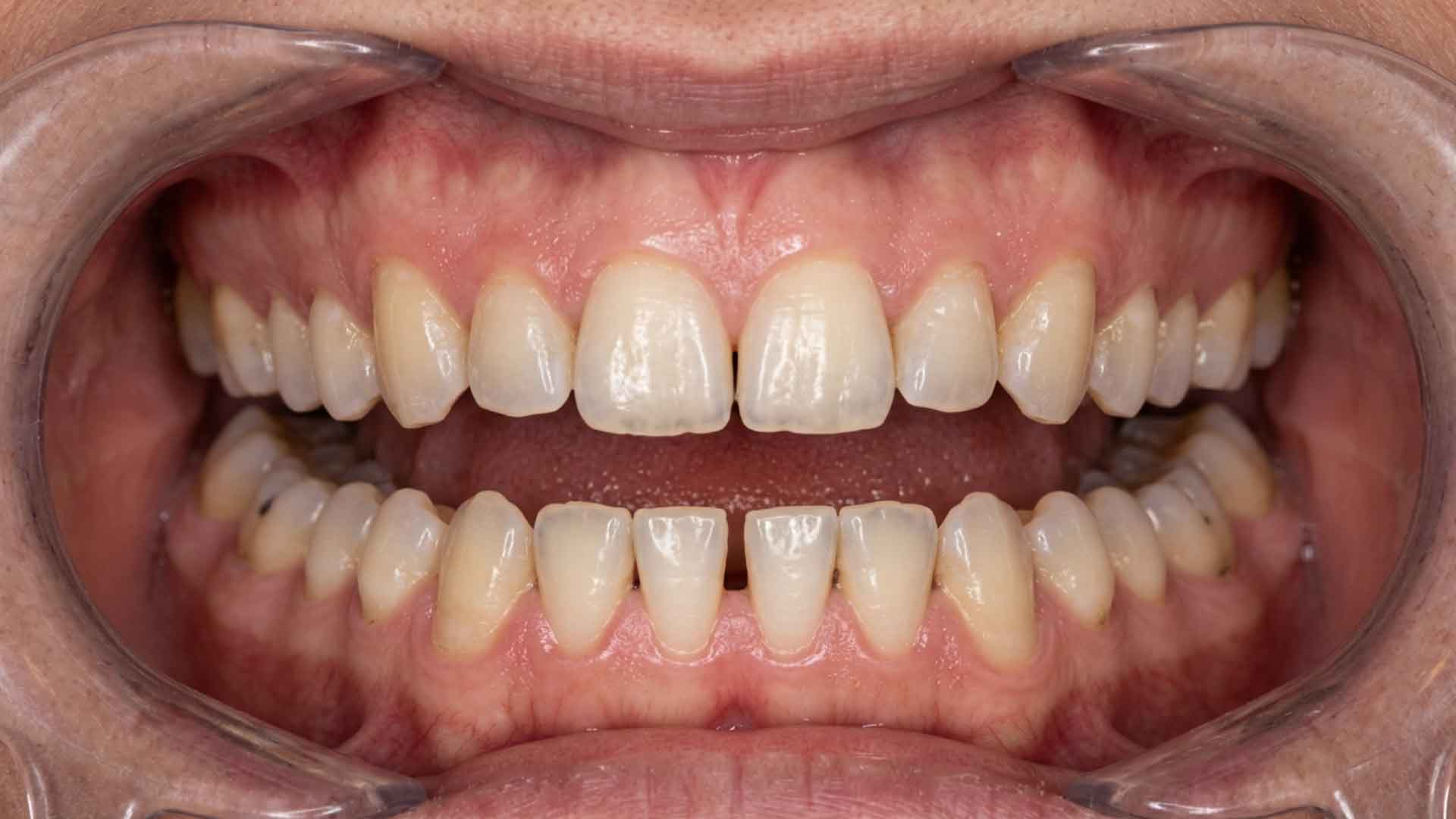
A failed apicoectomy usually does not result from anything the patient did wrong. In many cases, the cause involves persistent infection, complex root anatomy, or damage that was difficult to detect before surgery. For a detailed overview of the procedure itself, our patient’s guide to apicoectomy covers each step.
Common causes include:
- Persistent bacteria: Bacteria may remain near the root tip after surgery or enter the area again, allowing inflammation and infection to continue.
- An incomplete seal: A root tip that wasn’t sealed tightly enough, leaving a gap that may allow bacteria to re-enter the sealed area.
- Complex root anatomy: Hidden canals, narrow spaces, or unusual root shapes can make the infected area harder to clean and seal completely.
- A root crack or fracture: A small fracture may not appear during the original procedure. It can continue to collect bacteria and prevent the area from healing.
What X-Rays and CBCT Scans Reveal
Problems after an apicoectomy may develop below the surface without causing obvious symptoms right away. Dental X-ray or a 3D cone-beam computed tomography scan, commonly referred to as CBCT, gives endodontic specialists a clearer view of the root and surrounding bone.
These scans can reveal:
- Infection that remains or continues to grow.
- Bone that has not healed as expected.
- Hidden root anatomy.
- Cracks or other structural concerns.
- Changes around the root tip that may not be visible during a standard examination.
The endodontists at Renovo Endodontic Studio use detailed imaging to identify the cause of persistent symptoms and recommend the most appropriate next step.
What Treatments Follow a Failed Apicoectomy?
A failed apicoectomy does not always mean the tooth must be removed. Understanding what to do when a root canal fails can help clarify the range of available options. After examining the tooth and reviewing detailed imaging, your endodontist will recommend treatment based on the condition of the tooth and the surrounding bone.
Possible treatment options include:
- Endodontic retreatment: Your endodontist reopens the tooth through the crown, removes infection, and cleans and reseals the root canals. This endodontic retreatment option may help when infection remains inside the tooth, and the structure is still strong enough to preserve. Retreatment can extend the life of a tooth for many years, and you can read more about how long a retreated root canal lasts.
- Apical re-surgery: A second microsurgical procedure targeting the root tip may allow the endodontist to remove residual infection and create a new seal at the root end. Modern instruments and biocompatible materials support precise treatment.
- Extraction and tooth replacement: If a deep crack, severe damage, or extensive bone loss makes the tooth difficult to save, extraction may be the safest option. A dental implant or bridge can then replace the missing tooth and restore function.
The endodontists at Renovo Endodontic Studio will explain the benefits and limits of each option so you can make an informed decision without feeling rushed.
How to Support Healing After an Apicoectomy
Recovery after an apicoectomy depends partly on factors within your control. Following your endodontist’s post-operative care instructions closely is the single most important step.
Beyond that, a few specific actions support the best possible outcome:
- Attend all follow-up imaging appointments: These visits allow your endodontist to monitor bone healing and detect early signs of complications before symptoms develop.
- Avoid smoking during recovery: Tobacco use restricts blood flow to the surgical site and significantly impairs bone and tissue healing.
- Protect the surgical site: Stick to soft foods during the first week and avoid brushing directly over the incision until your endodontist confirms it is safe.
- Contact your endodontist promptly if symptoms change: Pain that returns after improving, new swelling, or drainage near the surgical site all warrant an evaluation rather than a wait-and-see approach.
Schedule an Evaluation at Renovo Endodontic Studio

Persistent symptoms after an apicoectomy don’t always mean the tooth is lost, but they do mean the next step matters. The endodontists at Renovo Endodontic Studio use advanced imaging and endodontic microsurgery techniques to pinpoint the cause and recommend a path forward. Contact us to schedule an evaluation.
Frequently Asked Questions
Is an apicoectomy considered a major surgery?
No. An apicoectomy is a focused surgical procedure that addresses only the tip of a tooth’s root. It is typically completed in under an hour under local anesthesia, with sedation options available for patients managing dental anxiety. Most people return to normal activities within a day or two.
How successful is an apicoectomy?
An apicoectomy has a strong success rate, and most treated teeth heal well and last for years. Success depends on the tooth, the extent of infection, and how carefully the root end is sealed. Modern microsurgical techniques have improved outcomes considerably. Your specialist can give you a realistic estimate for your situation.
Can a tooth be saved if an apicoectomy fails?
Often, yes. Retreatment or a second surgical attempt can preserve many teeth that did not heal the first time. The right choice depends on your imaging results and the condition of the root. Extraction is typically recommended only when the tooth is severely fractured or lacks sufficient structural integrity.
Can an apicoectomy fail years later?
Yes. An apicoectomy can fail months or years after it appears to have healed. Late-onset failure may result from new infection near the root tip, a root fracture that develops or becomes detectable over time, or bone that never fully healed. Follow-up imaging at routine dental visits helps identify these changes early, even when symptoms are mild.
How is an apicoectomy different from a root canal?
A root canal cleans infection from inside the tooth through the crown. An apicoectomy, by contrast, treats the tip of the root from the outside. Endodontists perform an apicoectomy when a standard root canal or retreatment cannot fully resolve the infection. Both aim to save your natural tooth. Understanding the distinction between these procedures can help you feel informed about your treatment plan.
Will my dental insurance cover a repeat procedure?
Coverage varies by plan and provider, so confirm directly with your insurer before treatment. Many plans cover endodontic surgery when it’s medically necessary, though limits and waiting periods differ, and our insurance information page can help. Confirming coverage details before treatment helps ensure clear financial expectations.


