

Exposed Tooth Pulp: Why It Happens and How the Tooth Gets Saved
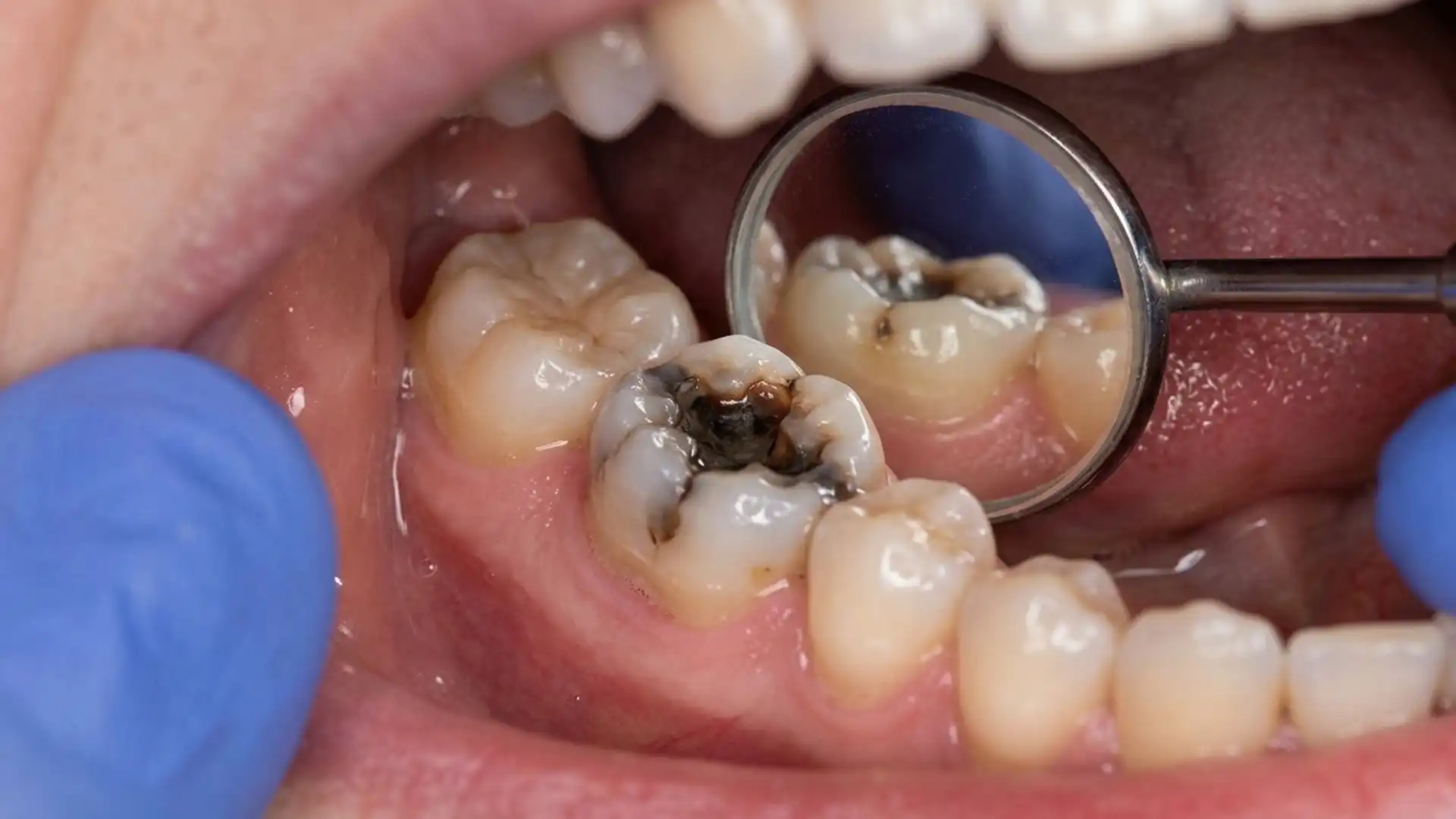
An exposed tooth pulp means the nerve and blood supply inside your tooth have lost the protection of enamel and dentin (the hard layer beneath your enamel that surrounds the pulp). Without that barrier, the risk of infection increases and symptoms such as sharp pain, lingering sensitivity, or swelling can develop quickly. At Renovo Endodontic Studio, our endodontists evaluate the extent of pulp exposure and the condition of the surrounding tooth structure to determine if the pulp can be preserved or requires treatment.
Table of Contents
- What Are Cracked Tooth Symptoms?
- When Do These Symptoms Need Prompt Attention?
- How Does a Cracked Tooth Expose the Pulp?
- What Are Your Treatment Options for a Cracked Tooth?
- Vital Pulp Therapy for Minor Exposures
- Root Canal Therapy for Deep Cracks
- Schedule Your Cracked Tooth Evaluation at Renovo Endodontic Studio
- Frequently Asked Questions
- Can antibiotics heal an exposed tooth pulp?
- Is a cracked tooth with exposed pulp a dental emergency?
- Can a cracked tooth heal on its own without treatment?
- What happens if a cracked tooth with pulp exposure is left untreated?
- Does dental insurance cover treatment for a cracked tooth?

What Are Cracked Tooth Symptoms?
A cracked tooth does not always cause constant pain. You may notice discomfort only when you bite, sensitivity to temperature, or pain that appears without a clear pattern. Recognizing these signs can help you seek care before the damage becomes more difficult to treat.
Common cracked tooth symptoms include:
- Sharp pain when biting down: You may feel a sudden pain when you put pressure on the tooth or when you release your bite.
- Lingering sensitivity to hot or cold: Your tooth may react to temperature changes, and the discomfort may continue after the trigger is gone.
- Pain that appears without a clear cause: A crack can irritate the pulp and create unpredictable discomfort.
- Gum swelling near the tooth: Swelling may develop when bacteria enter through the damaged area and affect surrounding tissues.
- Tooth pain that wakes you up at night: Persistent or worsening pain can signal deeper irritation or possible infection.
These symptoms may suggest that a crack has reached the pulp or is affecting the inner layers of your tooth. Cracked tooth pain and cavity pain can feel similar on the surface, but they often point to different underlying problems. Symptoms alone cannot show the full condition of the pulp. In some cases, pain may decrease after the pulp loses vitality (dies), but the underlying problem can continue developing.
When Do These Symptoms Need Prompt Attention?
Not every cracked tooth requires emergency care, but certain changes mean you should schedule an evaluation soon. If the symptoms above keep returning, grow stronger, or begin to include swelling, the crack may be reaching the pulp.
Recent trauma is another trigger, even when nothing hurts yet. A fall, sports injury, or hard bite can damage a tooth internally before pain develops, and our guide to cracked tooth vs fractured tooth explains how these two types of damage differ.
How Does a Cracked Tooth Expose the Pulp?
Your tooth protects the pulp with strong outer layers, but damage can break through these defenses. Deep decay is one of the most common causes of pulp exposure because an untreated cavity can move through the enamel and dentin until it reaches the pulp chamber.
A crack can also expose the pulp by extending deeper into the tooth. Dental injuries from falls, sports accidents, or biting down on hard objects can damage the inside of the tooth even when the outside looks normal. Trauma like this deserves prompt evaluation, since some fractures don’t produce symptoms right away.
Other factors can weaken the tooth over time, including worn fillings, damaged crowns, teeth grinding, or repeated dental procedures. It is also important to understand the difference between dentin exposure and pulp exposure. Exposed dentin can cause sensitivity, but the pulp may still remain protected. When the pulp becomes exposed, bacteria have a direct path into the inner tooth.
What Are Your Treatment Options for a Cracked Tooth?
Treating a cracked tooth depends on the type of damage, the condition of the pulp, and how much healthy tooth structure remains. A thorough evaluation helps determine which option can provide the best outcome for your situation. The same treatment logic applies when pulp exposure comes from deep decay or trauma instead of a crack. For a step-by-step look, read our guide on how to fix a cracked tooth.
The main options for cracked tooth repair include:
- Vital pulp therapy for minor pulp exposure: When the pulp remains healthy after a small exposure, treatment may focus on preserving the living tissue inside the tooth.
- Root canal therapy for deeper cracks: If the pulp becomes inflamed, infected, or cannot recover, removing the damaged tissue can help protect the tooth.
- Protective restoration for minor cracks: Some cracks that do not affect the pulp may benefit from treatment that helps strengthen and protect the tooth.
- Extraction when preservation is no longer possible: Removal may be considered when the crack has split the tooth, extends below the gumline, or leaves too little structure to support a lasting restoration.
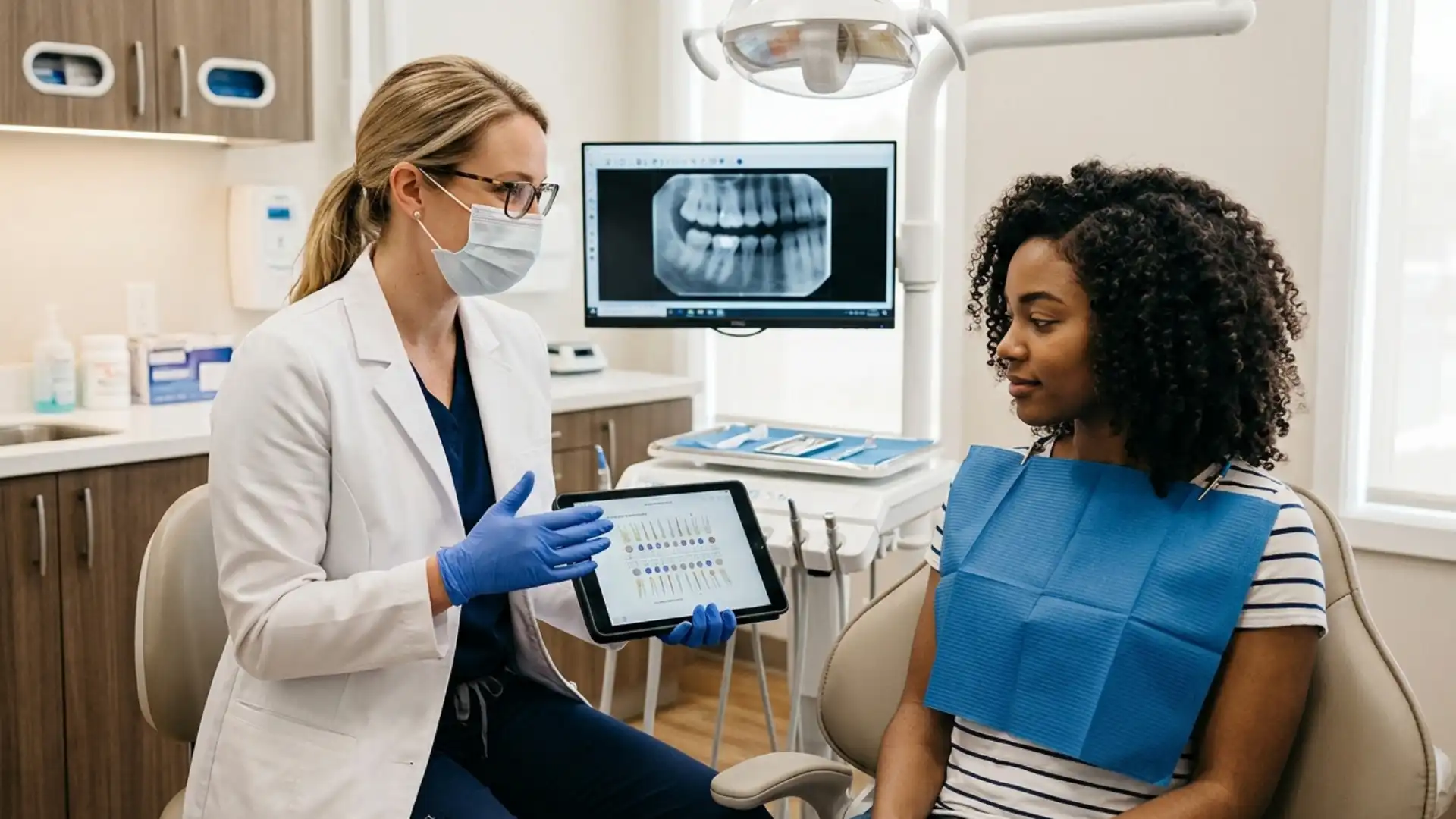
A dental exam, bite testing, pulp testing, X-rays, and advanced imaging when needed can provide a clearer view of the crack and the surrounding structures.
Your tooth’s condition involves more than pulp health alone. Your tooth may have treatable pulp but still require extraction if the crack affects the root or prevents a stable restoration.
Vital Pulp Therapy for Minor Exposures
Vital pulp therapy focuses on preserving healthy pulp tissue instead of removing it. This option may work when the exposure is small, recent, and the pulp remains healthy.
Direct pulp capping places a protective material over a small exposed area to help the tooth create a barrier. A partial pulpotomy removes the irritated pulp near the surface while keeping healthier tissue inside the tooth. In some cases, a full pulpotomy removes the pulp from the upper portion of the tooth while leaving healthy tissue inside the roots.
These treatments require careful isolation, bleeding control, and a proper seal after treatment. The goal is to maintain healthy tooth structure when the pulp has a chance to recover. For a closer look at how this decision gets made, see our deeper breakdown of vital pulp therapy from a clinical standpoint.
Root Canal Therapy for Deep Cracks
A cracked tooth does not always require root canal therapy immediately. Treatment may become necessary when the pulp is severely inflamed, infected, or no longer able to heal.
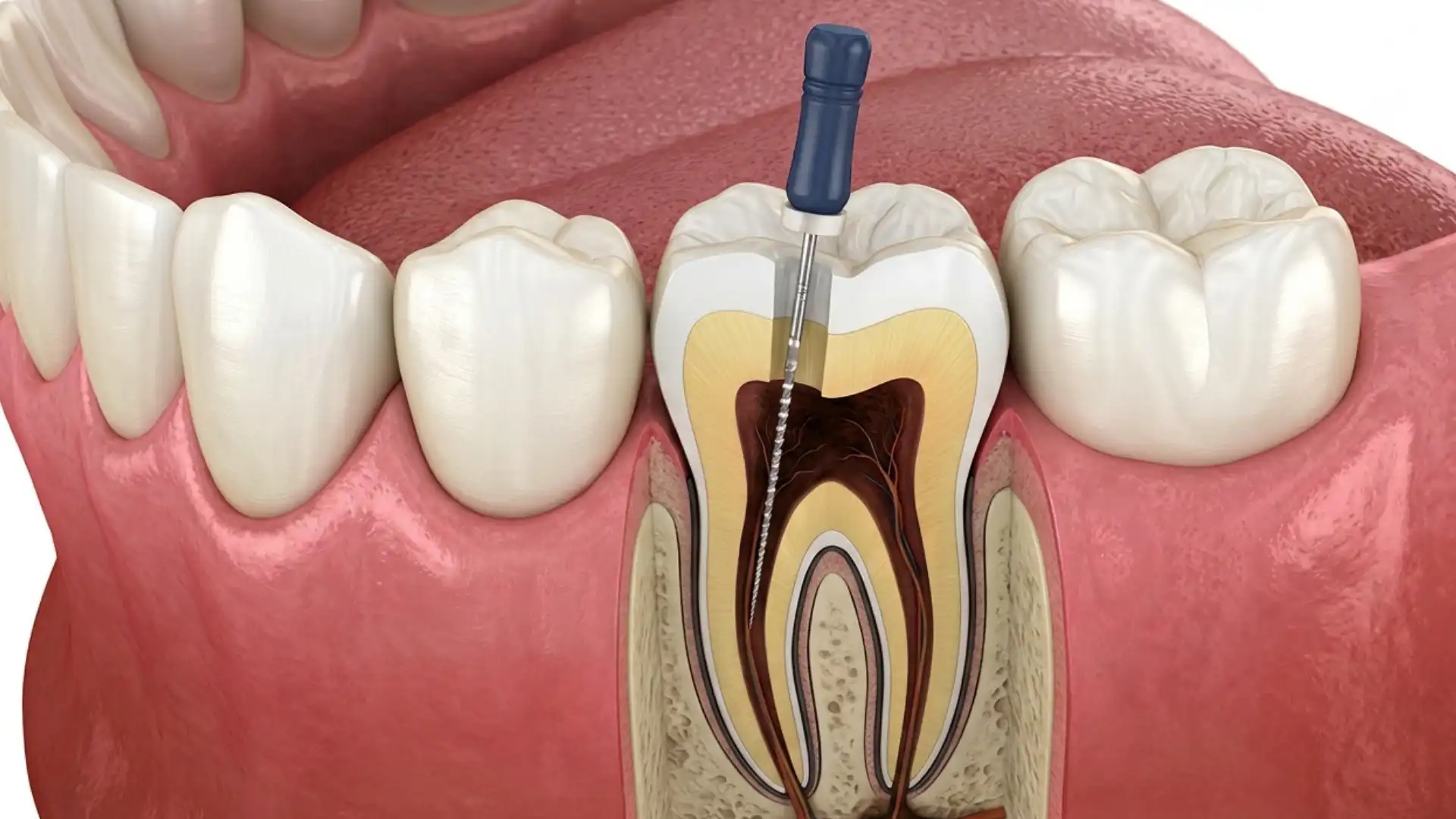
During a root canal, the damaged pulp is removed, the inside of the tooth is cleaned and disinfected, and the canals are sealed with gutta-percha (a biocompatible rubber-like material used to fill the cleaned canals). A crown or onlay (a partial restoration that covers one or more cusps of the tooth) may be recommended afterward to strengthen the tooth and protect it from chewing forces.
Following your endodontist’s instructions after treatment helps support healing and protects the tooth while the final restoration is completed. Our post-operative care guidance covers what to expect in the days after treatment, including what counts as normal discomfort and when to call us.
Schedule Your Cracked Tooth Evaluation at Renovo Endodontic Studio
A cracked tooth or possible pulp exposure should be evaluated as soon as possible. You can visit any of our locations for an evaluation.
If you have facial or neck swelling, trouble breathing or swallowing, swelling near your eye, or a fever with rapidly increasing swelling, seek emergency medical care right away.
For other concerns, Renovo Endodontic Studio can help evaluate your tooth and explain your treatment options. The team also works with referring dentists on complex cracked tooth cases to provide specialized endodontic care. If dental anxiety makes you hesitate, ask about our sedation options so you can stay comfortable during treatment.
Financial considerations should not delay a necessary evaluation, and online bill pay makes it simple to manage your account. During your visit, you can ask questions about treatment, discomfort, insurance coverage, or payment options. Contact Renovo Endodontic Studio to schedule an evaluation and learn the next steps for your tooth.
Frequently Asked Questions
Can antibiotics heal an exposed tooth pulp?
No. Antibiotics cannot repair a cracked tooth or remove infected pulp tissue. A dentist might use them alongside treatment in certain cases where infection is spreading, but the underlying condition requires vital pulp therapy, root canal treatment, or extraction to be resolved.
Is a cracked tooth with exposed pulp a dental emergency?
Some symptoms cross into true emergency territory, like the facial swelling or breathing trouble covered above. Outside of those, exposed pulp is urgent but usually not an ER-level emergency. You typically have a short window, ideally within a day or two, to schedule an evaluation without added risk to the tooth.
Can a cracked tooth heal on its own without treatment?
No. Unlike a bruise or a minor cut, a cracked tooth doesn’t have the biological ability to repair itself. Enamel does not contain living cells, and although dentin has limited biological activity, neither layer can regenerate enough to close a structural crack. Once a crack forms, it stays until it’s treated or the tooth is removed. Without treatment, the crack typically progresses and may eventually compromise the tooth.
What happens if a cracked tooth with pulp exposure is left untreated?
Untreated, bacteria in the exposed pulp can spread into the bone around the root, sometimes forming a dental abscess. Infection can then move to nearby teeth, the jaw, or in rare cases, other parts of the body. What starts as a treatable crack can turn into tooth loss. Early evaluation preserves more treatment options and improves the likelihood of saving the tooth.
Does dental insurance cover treatment for a cracked tooth?
Coverage depends on your plan and the specific treatment needed. Many plans cover a portion of root canal therapy, extractions, or vital pulp therapy, though coverage percentages and waiting periods vary. Our insurance page outlines the plans we accept, and our team can help you understand your specific benefits before treatment begins.


