

Medical vs. Dental Insurance for Oral Surgery: Which One Covers Your Procedure?
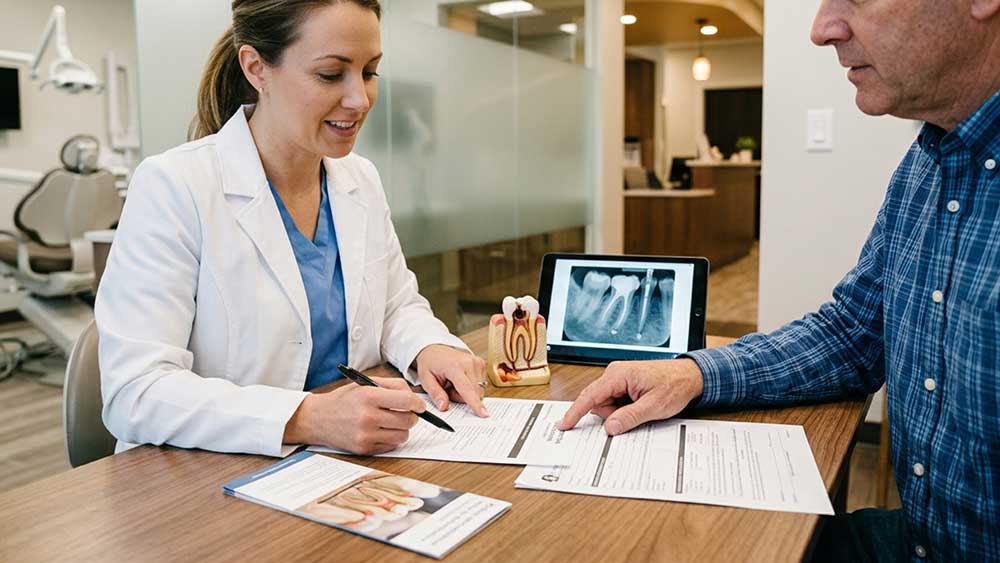
Finding out that your oral surgery may fall under a different insurance plan than expected can add stress when you are already dealing with a dental problem. Coverage often depends on why the procedure is needed, which can make it difficult to know where to start.
An endodontist can help clarify the dental side of your treatment needs before you move forward. Renovo Endodontic Studio provides specialized endodontic care from locations throughout Northern Illinois.
Table of Contents
- How Do Insurers Decide Which Plan Covers Oral Surgery?
- Medical Necessity and Overall Health
- Treatments Typically Covered by Dental Plans
- Treatments That May Qualify for Medical
- Coverage Limits and Patient Costs
- Documentation and Prior Authorization
- Which Insurance Covers Common Oral Surgery Procedures?
- Tooth Extractions and Wisdom Teeth
- Dental Implants
- Apicoectomy and Endodontic Surgery
- Dental Trauma and Injuries
- How Can You Coordinate Both Plans?
- Coordination of Benefits
- Cross-Coding Requirements
- Questions to Ask Before Treatment
- Review Your Coverage With Renovo Endodontic Studio

How Do Insurers Decide Which Plan Covers Oral Surgery?
Your insurer reviews why the procedure is needed and what condition the treatment addresses. Dental insurance generally applies to care involving the teeth and supporting tissues, while medical insurance may apply when treatment connects to trauma, a broader health condition, or hospital-based care.
Medical Necessity and Overall Health
Insurers consider the diagnosis and purpose of treatment when reviewing a claim. Procedures that treat dental disease or help preserve natural teeth generally fall under dental benefits. Medical coverage may apply when oral surgery relates to facial trauma, a serious infection, certain health conditions, or care that extends beyond routine dental treatment.
The reason for treatment can change which benefits apply. For example, an extraction performed for a dental problem may fall under dental insurance, while treatment connected to a major facial injury may involve medical coverage.
Treatments Typically Covered by Dental Plans
Dental plans commonly cover services that treat oral disease, address tooth damage, or preserve natural teeth. Depending on the policy, covered endodontic and dental procedures may include:
- Root canal treatment
- Endodontic retreatment
- Apicoectomy and other surgical endodontic care
- Certain tooth extractions
- Periodontal procedures (treatments for the gums and supporting structures around the teeth)
- Bone grafting related to covered dental treatment
Root canal treatment and most routine endodontic care generally fall under dental benefits because they focus on treating disease inside the tooth and preserving the natural tooth.
Coverage varies by policy, so deductibles, waiting periods, frequency limits, and annual maximums may affect what the plan pays.
Treatments That May Qualify for Medical
Medical coverage may apply when oral or facial treatment relates to a broader health condition rather than routine dental disease. Examples may include:
- Facial or jaw trauma
- Serious infections that require hospital care
- Certain pathology-related procedures
- Congenital conditions that affect function
- Some dental care required as part of cancer treatment
Your insurer may also require a referral when your condition requires care from a physician, oral surgeon, or another specialist outside the scope of endodontic treatment.
Coverage Limits and Patient Costs
Dental and medical plans use different cost structures. Dental plans often include annual maximums, deductibles, coinsurance (the percentage of the approved cost you pay after meeting your deductible), waiting periods, and coverage percentages. Some may also limit sedation, hospital charges, implants, or how often certain procedures qualify for benefits.
Medical plans typically use deductibles, copays or coinsurance, and annual out-of-pocket limits rather than a dental annual maximum. These differences can affect your share of the cost when both types of coverage may be relevant.
For treatment completed in stages, your dental team can explain the proposed timeline so you can review benefit-year limits and other plan rules before scheduling.
Documentation and Prior Authorization
Medical and dental insurers may request different information before processing a claim. Depending on the plan and procedure, that may include:
- Diagnosis and treatment records
- Clinical notes
- Diagnostic imaging
- Dental CDT codes (the standardized codes used to identify dental procedures)
- Medical ICD-10 codes (diagnosis codes), CPT codes (procedure codes), or HCPCS codes (codes for services and supplies) used in medical billing
- A physician referral when required
- Prior authorization
Providing complete records helps your insurer review your claim accurately, but they do not guarantee coverage. Your insurance company makes the final decision based on your plan and the information submitted.
Which Insurance Covers Common Oral Surgery Procedures?
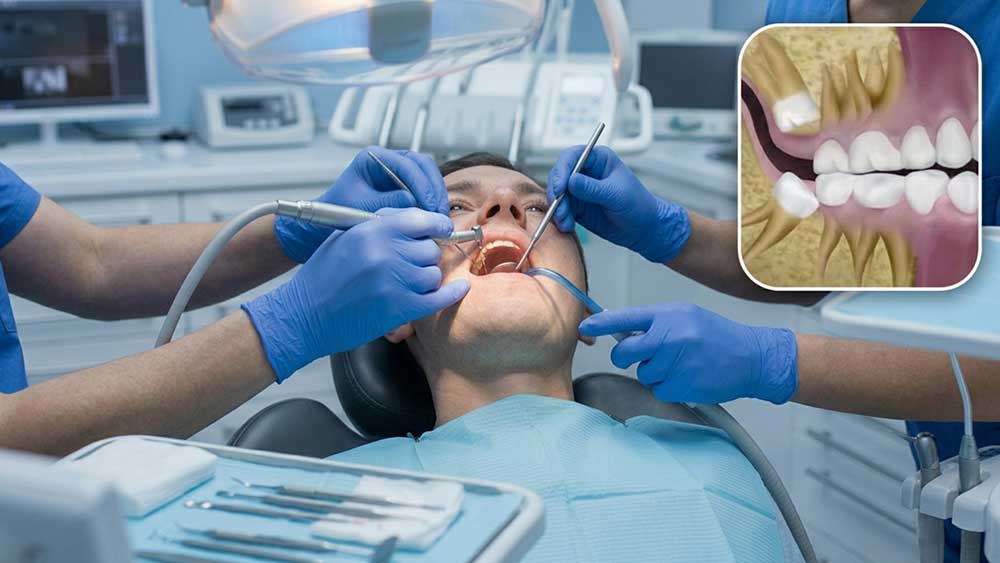
Coverage can change depending on the diagnosis behind a specific procedure. Looking at common treatments can help clarify where dental or medical benefits may come into play.
Tooth Extractions and Wisdom Teeth
Dental insurance commonly handles routine extractions, including many wisdom tooth procedures. Medical coverage may apply in limited situations when the extraction is part of treatment for significant facial trauma, hospital-based care, or another qualifying medical condition.
Your plan’s coverage for extraction depends on the clinical circumstances and the reason the tooth is being removed.
Dental Implants
Dental implant coverage varies widely among dental plans. Some policies include partial benefits, while others limit or exclude implant treatment.
Medical insurance may consider certain procedures related to tooth loss caused by major trauma, congenital conditions, or cancer treatment. Your dental team and insurer can review which benefits may apply before treatment begins.
Apicoectomy and Endodontic Surgery
An apicoectomy is an endodontic surgical procedure used when infection or inflammation persists around the root end of a tooth. Dental insurance may provide benefits for the procedure depending on the policy.
Renovo can provide the diagnosis and treatment records your dental plan may request. Coverage percentages, deductibles, and other patient costs depend on your specific benefits.
Dental Trauma and Injuries
Insurance coverage for dental trauma often depends on the extent of the injury and the care required. An injury limited to a tooth may fall primarily under dental benefits, while trauma involving the jaw, facial structures, or hospital treatment may involve medical insurance.
Different providers may also handle different parts of the injury. An endodontist can evaluate damage involving the tooth and recommend treatment to preserve it when possible, while other specialists may manage facial or jaw injuries.
How Can You Coordinate Both Plans?
When both medical and dental insurance may be involved, understanding how the plans work together can help you prepare for treatment and avoid unnecessary claim delays.
Coordination of Benefits
When both plans apply to different parts of your care, one insurer may process its portion first, and another may review remaining eligible expenses. Each plan follows its own coordination rules.
Before treatment, confirm which insurer should process each service first and whether secondary coverage may apply to any remaining eligible costs.
Cross-Coding Requirements
Dental and medical claims use different coding systems. Dental procedures use CDT codes, while medical claims may use CPT, HCPCS, and diagnosis codes when appropriate.
Medical billing must match the diagnosis and reason for treatment. Cross-coding does not automatically make a dental procedure eligible for medical benefits, so the service must meet the medical plan’s requirements.
Questions to Ask Before Treatment
Contact both insurers before treatment if you think both plans may apply. Ask:
- Does my plan cover this specific procedure?
- Which insurance should process the claim first?
- Do I need prior authorization or a referral?
- Have I met my deductible, and how much of my dental maximum remains?
- What records or documentation do you require?
Share this information with your endodontist and the practice team so they can help you understand the financial details before treatment.
Review Your Coverage With Renovo Endodontic Studio

Insurance questions should not add complexity to an already difficult dental situation. Renovo Endodontic Studio accepts most major PPO and many HMO dental insurance plans, and our practice team can help you review your benefits, discuss payment options, and identify information your insurer may request. Our team submits claims directly to your insurer on your behalf, and for expenses not covered by insurance, Renovo offers financing through Cherry and CareCredit.
Your endodontist can explain the recommended treatment and the clinical reasons behind it, while the practice team can help with insurance-related questions. Review our first-time visitor information before your appointment, then schedule a consultation at any of our Illinois locations to discuss your treatment and available options.


