

Understanding the Cost of Endodontic Retreatment: Insurance, Fees, and Payment Options

Endodontic retreatment typically costs between $750 and $2,500 or more per tooth without insurance. Dental insurance may cover part of the procedure, depending on your plan, deductible and annual benefits.
The endodontists at Renovo Endodontic Studio provide clear treatment recommendations and cost information so you can understand what you can expect to pay, how insurance applies, and the payment options available to help manage the remaining balance.
Table of Contents
- Why Does Retreatment Cost More Than a First Root Canal?
- More Time and Precision
- Treatment History and Case Complexity
- What Does Endodontic Retreatment Cost?
- Average Fees by Tooth Type
- What Affects Your Cost?
- What Your Estimate Includes
- Retreatment vs. Tooth Replacement
- How Does Dental Insurance Cover Retreatment?
- Major Service Classification
- Typical Out-of-Pocket Scenarios
- Annual Maximums and Limits
- How Can You Make Retreatment More Affordable?
- Payment Plans and Financing
- Plan Around Your Benefits
- HSAs, FSAs, and Treatment Planning
- Plan Your Retreatment with Renovo
- Frequently Asked Questions About Retreatment Costs
- Is retreatment cheaper than an implant?
- Does insurance cover retreatment if my first root canal was recent?
- Can I lower my out-of-pocket cost for retreatment?

Why Does Retreatment Cost More Than a First Root Canal?
Retreatment is often more complex than an initial root canal treatment because the endodontist must work through a tooth that has already been treated. Existing materials may need to be removed before the canals can be cleaned, examined and sealed again.
More Time and Precision
Before any cleaning begins, the endodontist may need to remove old filling material, posts or crown structures placed during the first procedure. Each step requires magnification, precision instruments and added chair time.
Previously treated canals may also be harder to access. Narrow, curved or calcified canals can require additional time and precision.
Treatment History and Case Complexity
Case history matters as much as the tooth itself. Missed canals, fractured instruments or a persistent infection can extend the time an endodontist spends on your tooth.
Repeat procedures add further complexity. Our post answering can a root canal be retreated twice explains how each prior treatment affects planning. These variables are the reason retreatment costs differ from case to case.
What Does Endodontic Retreatment Cost?
The cost of endodontic retreatment varies by tooth, treatment complexity, location and insurance coverage.
Average Fees by Tooth Type
When performed by a general dentist, published estimates place retreatment costs broadly around:
- Front teeth (incisors and canines): $750 to $1,100
- Premolars (bicuspids): $850 to $1,400
- Molars (back teeth): $1,200 to $2,500 or more
When performed by an endodontist, fees typically trend higher due to specialized training and equipment, with front teeth reaching roughly $1,800 and molars approaching $2,700. These figures cover the retreatment itself. The final crown or filling is billed separately.
What Affects Your Cost?
Several factors can influence your estimate:
- Geographic market and local fee norms
- Treatment by endodontic specialists versus a general dentist
- Previous restorations or posts
- Treatment history
- Additional procedures when clinically necessary
These factors can change how much time and treatment your tooth requires. An in-person evaluation can provide a more accurate estimate based on the tooth and treatment required.
What Your Estimate Includes
A retreatment estimate may include the evaluation, local anesthesia, removal of previous root canal material, cleaning and reshaping of the canals and sealing the tooth.
Some services may appear as separate charges, including:
- CBCT 3D imaging for detailed diagnostics
- Post removal when needed
- Additional endodontic treatment when clinically necessary
- Sedation or other comfort options
Your estimate should show which services are included and which may be billed separately.
The tooth may also need a new crown or filling after retreatment. Your general dentist typically places and bills for the final restoration separately from the endodontic treatment.
Retreatment vs. Tooth Replacement
Extracting a tooth introduces a series of additional costs. An extraction followed by an implant and crown often totals $3,000 to $6,000 or more per tooth, and bridges or dentures carry their own maintenance expenses over time.
Retreatment may allow a previously treated tooth to remain functional and may cost less overall than extracting and replacing the tooth. Reviewing how long a retreated root canal lasts helps put that value in perspective.
In select cases, endodontic surgery offers another path to saving the tooth when nonsurgical retreatment is not appropriate. Our guide on the true cost of tooth extractions covers replacement costs in more detail.
How Does Dental Insurance Cover Retreatment?

Insurance coverage for retreatment does not always mirror the benefits applied to your original root canal. Some policies cover part of the procedure, and others limit how often they will cover endodontic treatment on the same tooth. Three plan features determine your actual out-of-pocket cost.
Major Service Classification
Most dental plans group retreatment under major or endodontic services. Major services typically receive 50% to 80% coverage after you meet your yearly deductible. Exact percentages vary widely by carrier and policy, so the same procedure can produce very different bills for two patients.
Typical Out-of-Pocket Scenarios
The amount you pay depends on:
- Your plan’s coverage for retreatment
- Your remaining annual benefits
- Your deductible
- The insurer’s allowed fee
- Any limits on repeat treatment for the same tooth
Some insurers may also request treatment records or supporting documentation before processing the claim.
Annual Maximums and Limits
Many dental plans place an annual maximum on the amount they will pay toward covered care. Current plan maximums vary widely, with many falling between $1,000 and $2,500.
Some policies also limit coverage for repeat endodontic treatment on the same tooth within a specified period. Check your benefits before treatment so you have a clearer picture of your expected costs. Our post on dental insurance and root canal treatment explains how coverage may apply to endodontic care.
How Can You Make Retreatment More Affordable?
Cost can influence treatment decisions, but several payment options may make care easier to manage.
Payment Plans and Financing
Renovo Endodontic Studio offers third-party financing through Cherry and CareCredit. Cherry provides 0% interest options with no hard credit checks, and CareCredit offers promotional financing plans. Both allow you to divide your treatment costs into manageable payments.
Our team can explain the details of each option and help you apply before treatment begins.
Plan Around Your Benefits
Reviewing your available dental benefits before treatment can help you plan your expected out-of-pocket costs and choose a treatment date that works with your budget.
HSAs, FSAs, and Treatment Planning
Health savings accounts and flexible spending accounts may be used for eligible dental expenses. These accounts can help you pay qualified costs with pre-tax funds.
Plan Your Retreatment with Renovo
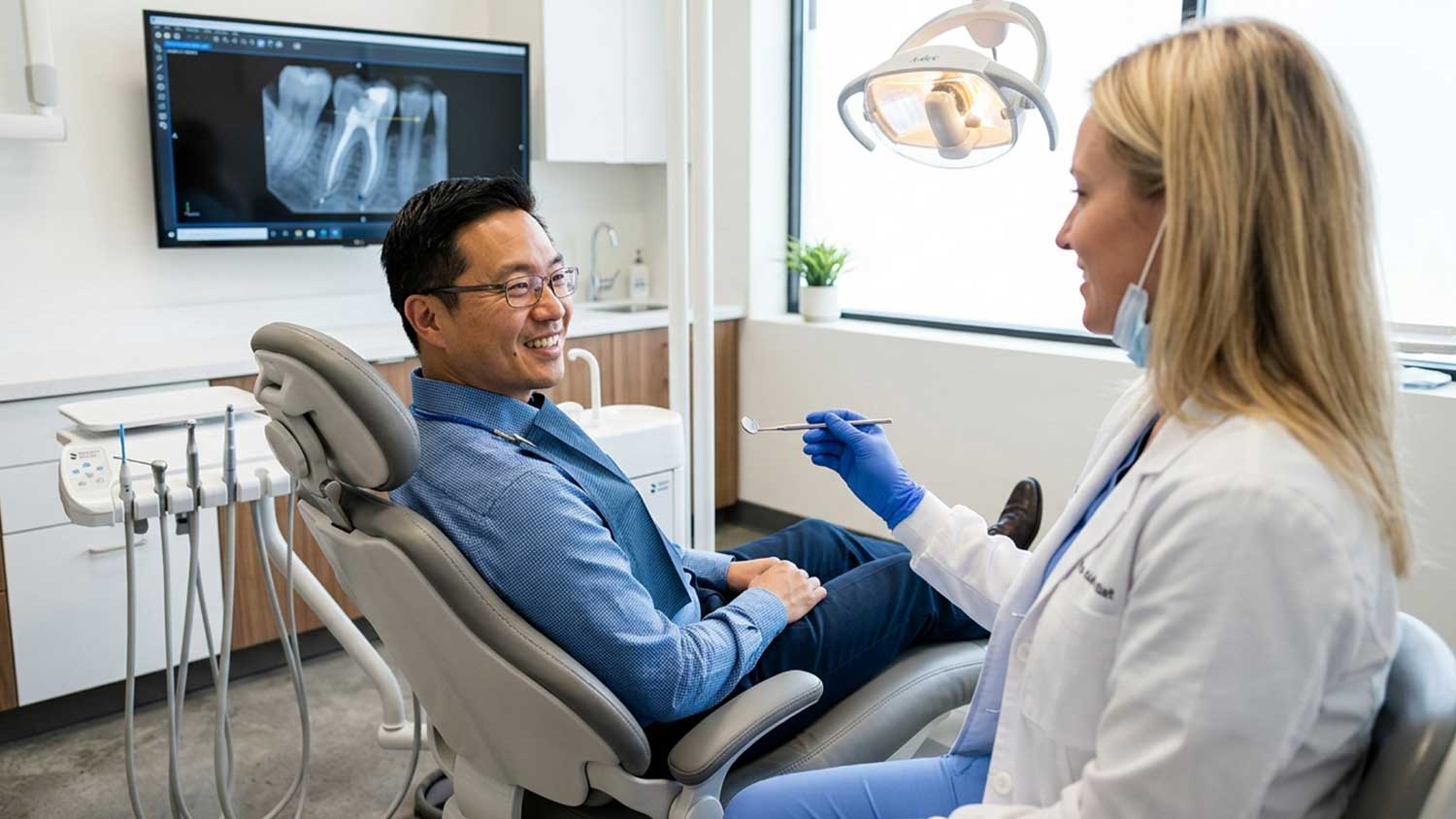
Retreatment can help preserve a previously treated tooth when another procedure is appropriate. Renovo Endodontic Studio helps you review your treatment needs, estimated fees and insurance benefits before care begins.
Schedule an appointment with our endodontic specialists to review your tooth, your coverage, and your options in one visit. New patients can also review our first-time visitor information before their consultation.
Frequently Asked Questions About Retreatment Costs
Is retreatment cheaper than an implant?
Yes, in most cases. Nonsurgical retreatment typically costs $750 to $2,500 or more per tooth, and an extraction followed by an implant and crown often totals $3,000 to $6,000 or more. Retreatment also preserves the natural tooth, which avoids future replacement and maintenance expenses.
Does insurance cover retreatment if my first root canal was recent?
Not always. Some policies limit benefits to one endodontic procedure per tooth within a specified period, and retreatment performed inside that window may receive reduced or no coverage. Verify the retreatment provision specifically with your carrier before scheduling.
Can I lower my out-of-pocket cost for retreatment?
Yes. Verifying your benefits in advance, paying with HSA or FSA funds, and applying for financing through Cherry or CareCredit can all reduce what you pay at the time of treatment. A pre-treatment estimate also confirms your costs before any work begins.


