

Can You Drive After a Root Canal? Planning Your Treatment Day
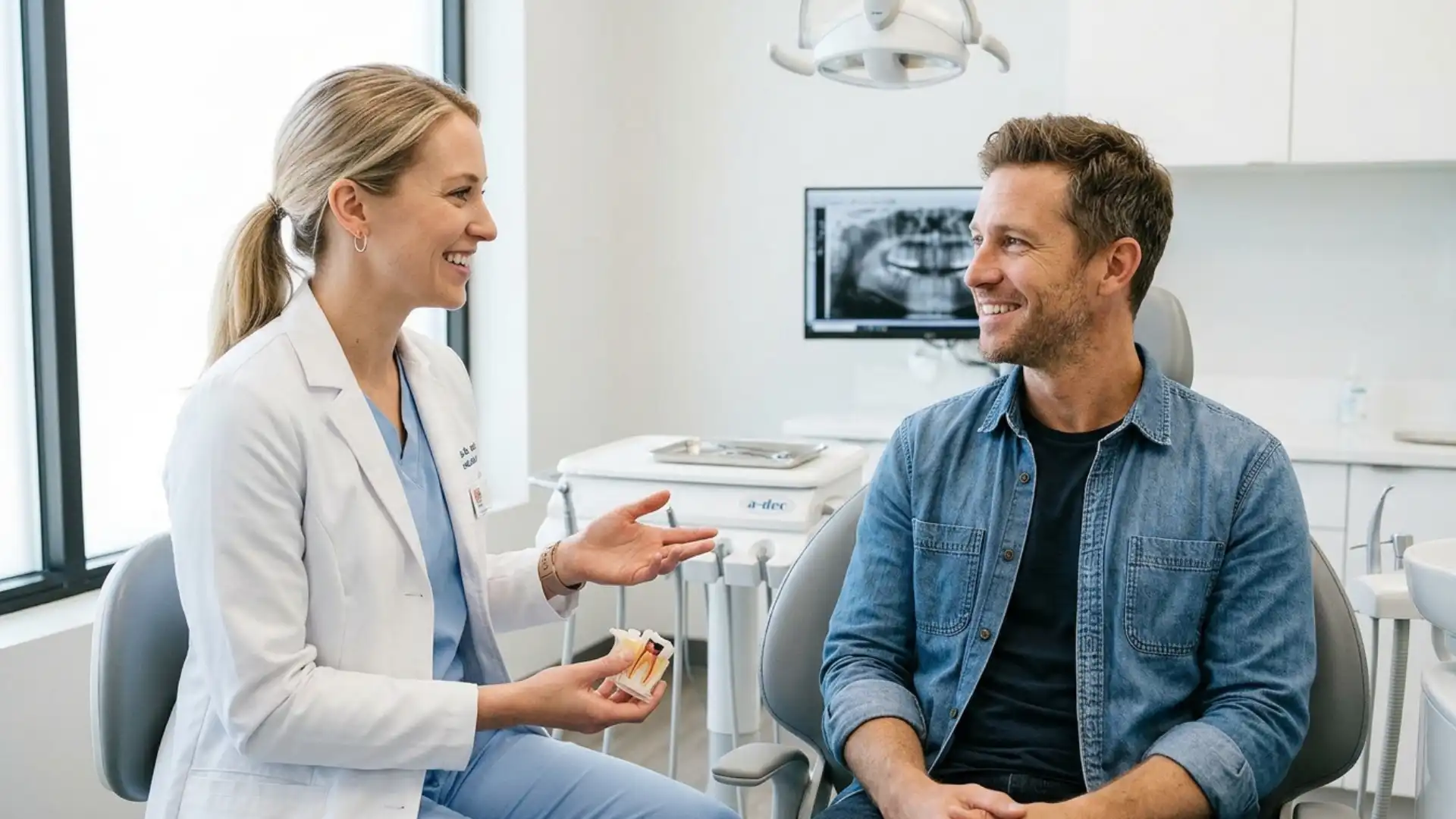
Yes, you can usually drive yourself home after a root canal if you receive only local anesthesia and feel alert afterward. However, if your treatment involves sedation or you feel dizzy or unwell, you may need someone to drive you home.
Understanding how anesthesia, medications, and your physical condition affect driving can help you prepare for your appointment and return home safely.
Table of Contents
- What Factors Affect Driving After a Root Canal?
- Local Anesthesia Usually Allows Driving
- Sedation May Require a Driver
- Certain Medications Can Affect Driving
- Check How You Feel Before Driving
- How Should You Plan Your Treatment Day?
- Prepare Before Your Appointment
- What Should You Watch For After Leaving the Office?
- Most Patients Recover Quickly With Minimal Discomfort
- When to Contact Your Endodontist
- Schedule Your Root Canal at Renovo Endodontic Studio
- Frequently Asked Questions
- How Long After a Root Canal Can I Drive?
- Can I Drive After Nitrous Oxide at the Dentist?
- Is It Safe to Drive With a Numb Mouth?
- What If I Feel Dizzy After My Root Canal?
- Do I Need Someone to Drive Me to a Root Canal?

What Factors Affect Driving After a Root Canal?
Your ability to drive after root canal treatment depends on three factors: the anesthesia or sedation you receive, any medications you take, and your physical condition afterward. Understanding how each affects your alertness and coordination can help you make a safe decision.
Local Anesthesia Usually Allows Driving
Most root canal procedures use local anesthesia to numb the affected tooth and surrounding gums while you remain awake and alert. Common anesthetics, such as lidocaine, temporarily block pain signals in the treated area without normally affecting your ability to drive.
According to the American Association of Endodontists, patients who receive local anesthesia can generally drive home and resume normal activities after treatment. You may still feel numbness in your lips, cheeks, or tongue for several hours, but you don’t need to wait for the numbness to disappear before driving if you feel well and your endodontist hasn’t advised otherwise.
Sedation May Require a Driver
If dental appointments make you anxious, your root canal specialist may discuss sedation options to help you relax. Certain sedatives can affect your alertness, coordination, and reaction time even after treatment ends.
The type of sedation you receive determines when you can safely drive again:
- Nitrous oxide: Often called laughing gas, its effects usually wear off quickly once treatment ends. Your endodontist will assess your recovery and explain when you can safely drive.
- Oral sedation: Prescription sedatives can cause lingering drowsiness. You’ll need someone to drive you home and should generally avoid driving for at least 24 hours, following your care team’s instructions.
- IV sedation or general anesthesia (administered by a visiting dental anesthesiologist at Renovo): You may feel sleepy or have slower reactions even after your appointment ends. Arrange for a responsible adult to take you home, avoid driving for at least 24 hours, and follow your care team’s recovery instructions.
Certain Medications Can Affect Driving
Even if you receive only local anesthesia, certain medications may affect your ability to drive afterward. Ibuprofen and acetaminophen generally don’t impair driving when taken as directed. However, prescription pain medications containing opioids or other sedating ingredients can cause drowsiness, dizziness, or slower reaction times.
Before taking any new medication, check its warning label and ask your prescribing clinician or pharmacist about driving restrictions. If you’re unsure how a medication will affect you, arrange a ride rather than driving yourself.
Check How You Feel Before Driving
Before leaving the practice, check that you feel alert, steady on your feet, and able to concentrate. Even if your treatment doesn’t normally require a driver, your physical condition matters when deciding whether it’s safe to get behind the wheel.
If you feel dizzy, weak, unusually sleepy, or have trouble focusing, tell your care team before leaving.
How Should You Plan Your Treatment Day?

If you have work, errands, or school pickup planned after your appointment, leave some flexibility in your schedule. A few arrangements before your appointment can help you avoid transportation complications on treatment day and give yourself enough time for treatment and recovery.
Prepare Before Your Appointment
Knowing what your appointment involves makes it easier to plan your day. Use this checklist to prepare before visiting Renovo Endodontic Studio:
- Confirm your anesthesia plan: Ask whether you’ll receive local anesthesia or sedation and if your treatment requires a driver.
- Arrange transportation if needed: If your sedation plan requires someone to accompany you home, ask a responsible adult to handle pickup. A taxi or rideshare without an escort may not meet your discharge requirements.
- Review your medical history: Tell your care team about current medications, allergies, and health conditions that may affect your treatment.
- Ask about appointment duration: Confirm how much time to reserve for the procedure, including any recovery monitoring after sedation.
- Allow time for recovery: Keep your schedule flexible after treatment, especially if you receive sedation or need a more involved procedure.
If you arrive alone but need sedation, tell the care team before treatment begins. They can explain your options, including any necessary transportation arrangements or changes to your appointment.
What Should You Watch For After Leaving the Office?
Many patients who receive only local anesthesia can return to their usual activities the same day or the next, depending on their treatment and how they feel. For a full breakdown of what to expect as numbness wears off and healing progresses, see our root canal recovery timeline. If you receive sedation, you’ll need to follow additional activity restrictions.
Most Patients Recover Quickly With Minimal Discomfort
You may notice mild soreness or sensitivity when biting as the local anesthesia wears off. Over-the-counter pain relievers, such as ibuprofen or acetaminophen, can usually help manage discomfort when taken as directed. If you had an emergency root canal to treat an infection, your recovery may take longer depending on the severity of your condition.
Your post-operative care instructions will explain how to clean your teeth and which activities to avoid during the first 24 to 48 hours. One precaution to keep in mind while you’re still numb:
- Avoid chewing while numb. Wait until the numbness wears off to reduce the risk of accidentally biting your lips, cheeks, or tongue.
When to Contact Your Endodontist
Most patients recover without serious complications, but certain symptoms require professional attention. If you’re unsure what level of discomfort is normal, our guide on root canal pain after treatment covers what to expect. Contact your endodontist if you experience:
- Severe pain that persists or worsens despite recommended medication.
- Increasing swelling around your gums, jaw, or face.
- Persistent bleeding or unusual numbness that doesn’t improve as expected.
- New or unusual symptoms that concern you during recovery.
Difficulty breathing, trouble swallowing, or rapidly spreading facial swelling requires immediate emergency medical attention. Call emergency services rather than attempting to drive yourself.
Schedule Your Root Canal at Renovo Endodontic Studio

At Renovo Endodontic Studio, our experienced endodontic team provides personalized care and comfort options to help you feel at ease throughout treatment. We can help you understand your anesthesia options and prepare for your appointment.
If you’re experiencing severe tooth pain or signs of infection, contact us to ask about emergency root canal availability. Our team can also answer questions about insurance coverage and payment options. For added convenience, you can manage payments through our online bill pay page.
Contact Renovo Endodontic Studio today to schedule your appointment at our Schaumburg, Elgin, Downers Grove, or Rockford practice.
Frequently Asked Questions
How Long After a Root Canal Can I Drive?
If you receive only local anesthesia and feel alert, you can typically drive home immediately after treatment. With nitrous oxide, your endodontist will assess your recovery before clearing you to leave. Oral sedation and general anesthesia require you to avoid driving for at least 24 hours after your appointment.
Can I Drive After Nitrous Oxide at the Dentist?
Nitrous oxide clears from your system quickly once treatment ends, often within minutes of removing the mask. Your endodontist will check how you feel before you leave. Most patients can drive home after a short recovery period with nitrous oxide, but follow your care team’s specific instructions before getting behind the wheel.
Is It Safe to Drive With a Numb Mouth?
Numbness in your lips, cheeks, or tongue from local anesthesia doesn’t affect your ability to concentrate or react while driving. You don’t need to wait for the numbness to disappear before driving as long as you feel alert and your endodontist hasn’t advised otherwise.
What If I Feel Dizzy After My Root Canal?
Tell your care team before you leave the practice. Dizziness can result from anxiety, low blood sugar, or how your body responds to treatment. Don’t attempt to drive until you feel steady and your endodontist clears you to go.
Do I Need Someone to Drive Me to a Root Canal?
Not always. If your treatment involves only local anesthesia, you can typically drive yourself and return home the same way. If you plan to receive oral sedation or general anesthesia, you’ll need a responsible adult to drive you home. Confirm your anesthesia plan before your appointment so you can arrange transportation if needed.


