

Sinus Pain or Tooth Pain? How to Tell the Difference
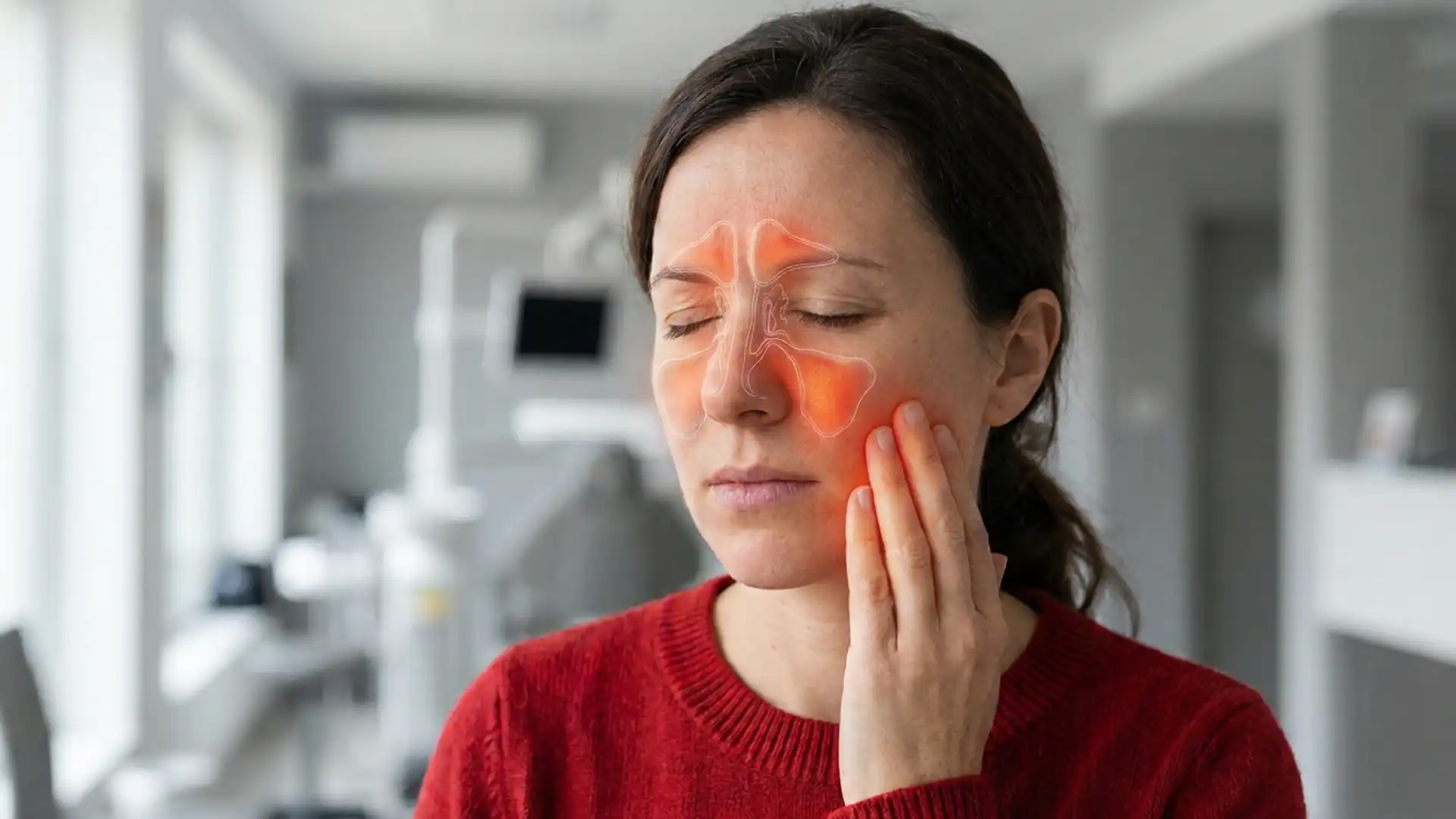
Sinus pain often affects several upper back teeth and may worsen when you bend forward, while tooth pain usually affects a specific tooth and may become more noticeable when you bite or chew. However, the symptoms can overlap, making it difficult to identify the cause on your own.
Your upper back teeth sit close to your sinuses, so sinus inflammation can sometimes feel like a toothache. At Renovo Endodontic Studio, our endodontic specialists can evaluate whether your discomfort comes from your sinuses or a dental problem that may require a root canal. Understanding the difference can help you get the right treatment and avoid unnecessary procedures.
Table of Contents
- Why Do Sinus and Toothaches Overlap?
- Your Sinuses and Upper Teeth
- What Are the Signs of Sinus Pain?
- What Are the Signs of Tooth Pain?
- Can Sinus and Tooth Problems Coexist?
- Dental Infections Affecting Your Sinuses
- Separate Conditions Occurring Together
- When Should You See an Endodontist?
- When Medical Evaluation Makes Sense
- What Does an Endodontic Evaluation Involve?
- How 3D Imaging Helps Identify the Source of Pain
- Discussing Treatment and Next Steps
- Get a Clear Diagnosis at Renovo Endodontic Studio
- Frequently Asked Questions
- Can a sinus infection feel like a toothache?
- How do I know if my tooth pain is from my sinuses?
- Can a tooth infection cause sinus problems?
- Should I see a dentist or doctor for upper jaw pain?
- Can allergies cause tooth pain?

Why Do Sinus and Toothaches Overlap?
Your upper teeth and sinuses have a close anatomical relationship that can make it difficult to pinpoint where discomfort begins. Understanding how these areas connect explains why pain that seems to come from a tooth may have another source.
Your Sinuses and Upper Teeth
Your maxillary sinuses are air-filled spaces behind your cheeks, just above your upper molars and premolars (the smaller teeth just in front of your molars). In some people, the roots of these teeth extend very close to the sinus floor, allowing inflammation in the surrounding area to contribute to discomfort.
Your upper teeth and sinuses also have nearby nerve pathways that can cause your brain to interpret discomfort from an inflamed sinus as pain coming from an upper tooth, even when the tooth itself is healthy.
What Are the Signs of Sinus Pain?
Sinus-related discomfort often develops alongside changes in your nasal passages or pressure around your face. Paying attention to when the discomfort occurs and how it changes throughout the day can help you recognize possible sinus involvement.
- Pain across multiple upper teeth: You may feel a dull ache, pressure, or heaviness across several upper molars or premolars instead of pain in one specific tooth.
- Pain that worsens when bending forward: Leaning over, lowering your head, or lying down may increase sinus pressure and make your upper jaw feel more uncomfortable.
- Nasal congestion or drainage: A stuffy nose, postnasal drip, or reduced sense of smell alongside upper jaw pain may indicate sinus inflammation.
- Pressure around your cheeks: You may notice tenderness or a feeling of fullness near your cheekbones, especially when your sinuses are congested.
What Are the Signs of Tooth Pain?
Dental problems can cause several types of discomfort, depending on the affected tooth and the underlying condition. Some symptoms develop gradually, while others appear suddenly and interfere with eating or drinking.
- Pain in one specific tooth: You may experience sharp pain, throbbing, or a persistent ache focused on one tooth rather than several upper teeth. However, dental pain can sometimes spread to nearby areas.
- Pain when biting or chewing: Discomfort when you apply pressure to a tooth may indicate a crack, inflammation, or infection affecting the tooth or surrounding tissues. If your pain occurs specifically when chewing, tooth pain when chewing may point to a cracked tooth.
- Lingering sensitivity to hot or cold: If your tooth continues to hurt after you finish eating or drinking, the pulp, which contains nerves and blood vessels, may be inflamed or damaged.
- Swelling or a bump on your gums: Swelling near a tooth or a small, pimple-like bump on your gums may indicate a dental infection.
- Changes in tooth color or taste: A darkened tooth or an unpleasant taste in your mouth may indicate an underlying dental condition that requires evaluation.
These symptoms do not always mean you need a root canal. Although sinus and dental pain often follow different patterns, symptoms alone cannot reliably confirm where your discomfort originates.
Can Sinus and Tooth Problems Coexist?

Yes, sinus inflammation and dental problems can occur at the same time. In some cases, an infection involving an upper tooth can also affect the nearby sinus. These situations can make your symptoms more complicated than a typical toothache or sinus infection.
Dental Infections Affecting Your Sinuses
Sometimes, an infection in an upper back tooth can spread to the nearby sinus and cause a condition known as odontogenic sinusitis, or sinus inflammation that starts from a dental problem. Depending on the affected area, you may notice one-sided nasal symptoms, an unpleasant smell, or persistent sinus discomfort.
Because the infection originates from a tooth, treating the sinus symptoms alone may not resolve the underlying problem. If a dental infection is affecting your sinus, an endodontist can assess whether root canal treatment or another approach is necessary. Some cases require prompt attention, although an emergency root canal is not always the appropriate treatment.
Separate Conditions Occurring Together
You can also experience a sinus infection or seasonal allergies while dealing with an unrelated dental problem. For example, you might have sinus congestion alongside a cracked tooth, deep cavity, or a tooth that previously received root canal treatment and has developed a new infection.
In this situation, treating one condition may not resolve all your symptoms because each problem has a separate cause. Your dental and medical providers may need to address both conditions to manage your discomfort.
When Should You See an Endodontist?
If your discomfort persists, returns, or begins affecting your daily activities, you should consider seeking professional care. Your endodontist specializes in diagnosing tooth pain and treating conditions involving the pulp and surrounding tissues, which makes them well-suited to evaluate pain that may originate from a tooth.
If you are unsure whether your symptoms point to a dental cause, reviewing how to know if you need a root canal can help you decide whether an endodontic evaluation makes sense. It may also help to understand the difference between a periodontist vs. endodontist before you make an appointment.
The urgency of your symptoms can help determine your next step:
- Schedule a dental evaluation: Contact your dentist or a root canal specialist if your discomfort continues, repeatedly returns, or interferes with eating and daily activities.
- Seek prompt dental care: Arrange an appointment as soon as possible if you develop severe tooth pain, new swelling or discomfort around a previously treated tooth. Fever alongside suspected dental infection also warrants prompt attention.
- Seek emergency medical attention: Get immediate medical care if you experience rapidly spreading facial or neck swelling, difficulty breathing, or difficulty swallowing. These symptoms may indicate a serious infection that requires urgent treatment.
Seeking care before dental problems progress may improve your chances of preserving your natural tooth. Your dentist can also determine if you need specialized endodontic treatment.
When Medical Evaluation Makes Sense
If your dental examination finds no tooth-related cause, your symptoms may come from sinus inflammation or another medical condition. A physician can evaluate persistent nasal symptoms, especially when they last more than 10 days without improvement, worsen after initially improving, or return frequently.
You should also consider medical evaluation if your symptoms develop after a respiratory infection or repeatedly occur during allergy season. Your physician can assess whether sinusitis, allergies, or another condition requires treatment.
What Does an Endodontic Evaluation Involve?
An endodontic evaluation involves reviewing your symptoms, examining your teeth, and performing tests to assess their condition.
How 3D Imaging Helps Identify the Source of Pain
If your symptoms and initial X-rays do not clearly explain the pain, your endodontist may recommend 3D imaging. This technology provides detailed views of your tooth roots, surrounding bone, and nearby sinus structures, helping your endodontist investigate findings that are unclear on standard X-rays. It may also help assess changes around a tooth that previously underwent root canal treatment and determine if further evaluation or retreatment is necessary.
Discussing Treatment and Next Steps
Once your endodontist reviews the findings, they explain what the results mean and discuss your treatment options. If the pulp inside your tooth is infected or severely inflamed, root canal therapy may help preserve your natural tooth. A previously treated tooth with a new or persistent infection may require retreatment.
If the examination suggests a sinus-related condition without a dental cause, your specialist may recommend consulting a physician. An endodontist focuses on treating problems involving your teeth, while a medical professional can evaluate sinus conditions that require care outside dentistry.
Get a Clear Diagnosis at Renovo Endodontic Studio

If your upper jaw pain persists and you are unsure whether your teeth or sinuses are responsible, Renovo Endodontic Studio can help. Our endodontic specialists use detailed examinations and advanced imaging when needed to investigate dental problems and recommend appropriate care.
Schedule your consultation today and learn if root canal treatment or another approach is right for you. We accept most major PPO insurance plans and many HMO plans; visit our insurance page for details. Financing through Cherry and CareCredit is available for treatment not covered by insurance. We also offer convenient online bill pay and welcome referrals from your general dentist. Find a location near you on our locations page.
Frequently Asked Questions
Can a sinus infection feel like a toothache?
Yes. Because your upper molars and premolars sit close to your maxillary sinuses, sinus inflammation can create pressure that feels like pain coming from your upper teeth. The ache typically spans several teeth rather than one and may worsen when you lean forward.
How do I know if my tooth pain is from my sinuses?
Sinus-related pain usually affects multiple upper teeth, comes alongside nasal congestion or facial pressure, and worsens when you change positions. Pain from a tooth is more likely to be localized to one spot, linger after hot or cold exposure, or intensify when you bite down. When you are unsure, an endodontic evaluation can help identify the source.
Can a tooth infection cause sinus problems?
Yes. An infection in an upper back tooth can spread to the nearby sinus and cause odontogenic sinusitis. This condition may produce one-sided nasal symptoms, an unpleasant smell, or persistent sinus discomfort that does not respond to typical sinus treatments. Treating the tooth is necessary to resolve the underlying cause.
Should I see a dentist or doctor for upper jaw pain?
If you have tooth-specific symptoms such as pain when biting, sensitivity to temperature, or swelling near a tooth, start with a dental evaluation. If your dentist finds no dental cause, a physician can assess whether sinusitis or another condition is responsible. In some cases, you may need both.
Can allergies cause tooth pain?
Seasonal allergies can trigger sinus inflammation, which may produce pressure that feels like upper tooth pain. This type of discomfort usually affects multiple teeth and coincides with other allergy symptoms. If the pain persists beyond your allergy flare or focuses on one tooth, have a dentist evaluate it to rule out a dental cause.


