

Craze Lines vs. Cracked Tooth: Which Cracks Need Treatment?
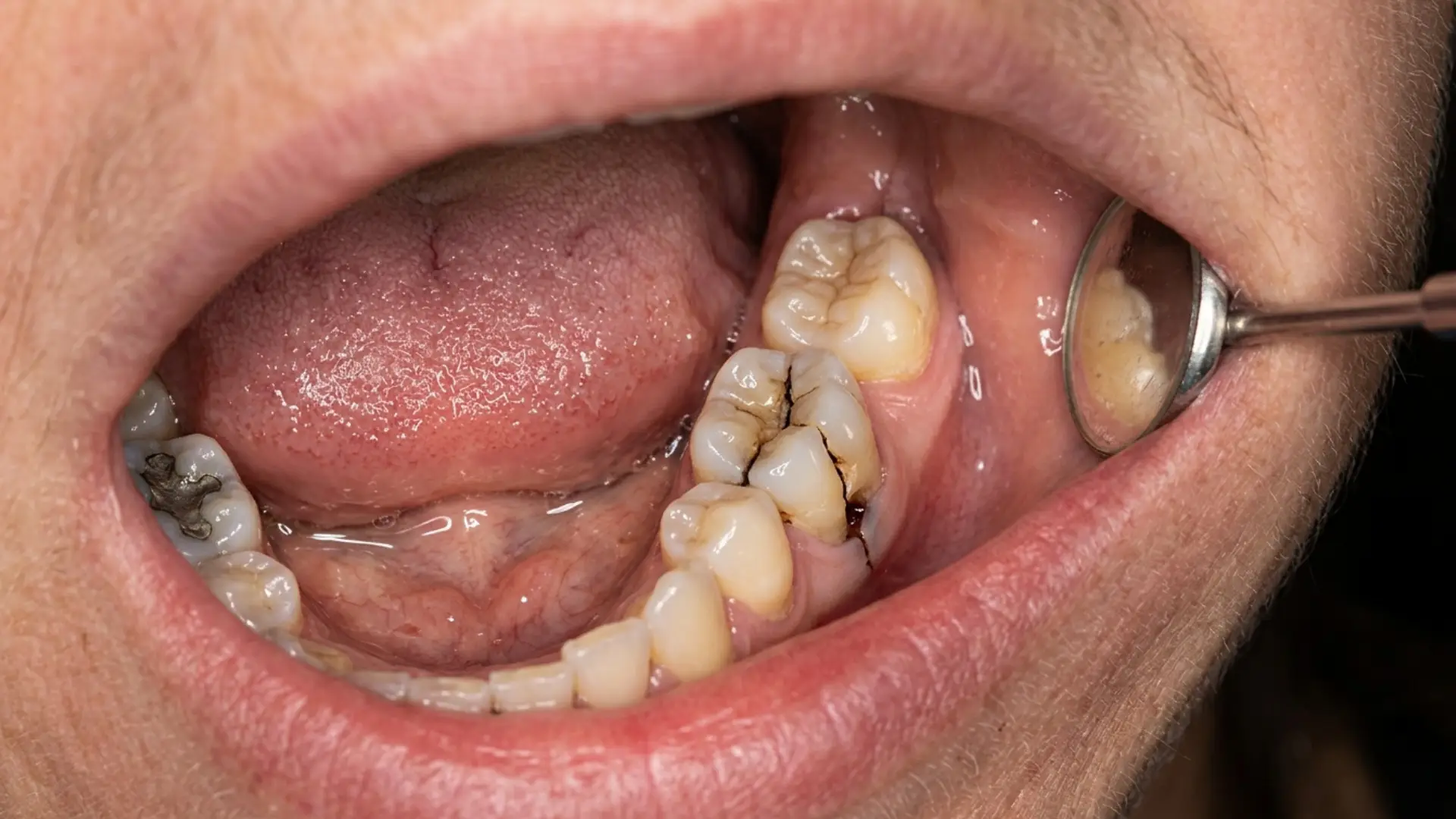
A small line on your tooth may look harmless, but some cracks can extend deeper and put your tooth at risk. Knowing the difference between minor changes and a true cracked tooth can help you seek care before symptoms become more serious.
If you are dealing with a cracked tooth, Renovo Endodontic Studio provides specialized cracked tooth repair with a focus on understanding your symptoms and treatment needs. The experienced team uses advanced diagnostic tools to evaluate your tooth and recommend the right next step for your condition.
Table of Contents
- What Are the Signs of a Cracked Tooth Compared to Craze Lines?
- How Do Dentists Diagnose Structural Enamel and Dentin Cracks?
- What Are the Treatment Options for a Cracked Tooth?
- How Are Cracked Teeth Stabilized With Cuspal Coverage?
- When Is Root Canal Therapy Needed for a Cracked Tooth?
- Book Your Tooth Evaluation at Renovo Endodontic Studio
- Frequently Asked Questions
- Can a craze line turn into a cracked tooth?
- What usually causes a cracked tooth?
- Can teeth whitening damage craze lines?
- Is a cracked tooth a dental emergency?
- How much does cracked tooth repair cost?

What Are the Signs of a Cracked Tooth Compared to Craze Lines?
You may notice a thin line on your tooth and wonder if it is just a surface mark or a sign of a deeper problem. A craze line, also called an enamel infraction, stays within the outer enamel layer and typically does not cause pain or sensitivity. A true cracked tooth extends beyond the enamel and may affect deeper parts of the tooth, which can lead to discomfort and damage if left untreated.
Signs that may point to a deeper crack include:
- Pain when biting or releasing your bite: A cracked tooth may cause sharp, sudden pain when you bite down or release pressure. This “rebound pain” can indicate that the crack affects the inner structure of your tooth.
- Lingering sensitivity to hot, cold, or sweet foods: You may notice discomfort that continues after you finish drinking a cold beverage, eating something sweet, or having a hot meal. Sensitivity that lasts longer than a few seconds may indicate irritation deeper inside the tooth.
- Pain that changes with chewing pressure: A cracked tooth may hurt only when you chew certain foods or when pressure reaches a specific area. The discomfort may come and go depending on how you use your tooth.
- Difficulty identifying the painful tooth: Cracked tooth pain can feel inconsistent, making it difficult for you to pinpoint the source. Dentists often refer to this pattern as cracked tooth syndrome.
Swelling or signs of infection require prompt attention. A small bump on your gum, drainage, a bad taste that does not go away, facial swelling, or fever may indicate that the crack has affected the inner tooth.
How Do Dentists Diagnose Structural Enamel and Dentin Cracks?
A crack can be difficult for you to identify because many tooth fractures look like simple surface lines. Dentists look beyond appearance by reviewing your dental history, checking how your tooth responds to pressure, and using specialized tools to determine the extent of the damage.
The evaluation usually starts with your dental history. Your dentist may review previous treatments, habits that could contribute to tooth damage, and other factors that may affect the condition of your tooth. These details help guide the next steps of the examination.
Dentists may use several methods to evaluate a suspected crack, including:
- Visual inspection with magnification: A closer view helps dentists examine the enamel surface, identify irregularities, and locate areas that may need further testing.
- Transillumination with fiber-optic light: This technique shines light through the tooth to reveal changes in structure. A deeper crack can block the light path, while a minor craze line may allow the light to pass through.
- Dye staining: A special dye may help highlight the location and direction of a suspected crack when the fracture is difficult to see.
- Bite testing: Dentists apply pressure to different areas of the tooth to identify where discomfort occurs. Pain during biting or when releasing the bite can provide important clues.
- Percussion and palpation tests: Tapping the tooth and checking the surrounding tissues can help identify inflammation or irritation around the tooth.
- Pulp testing: Cold testing or electric pulp testing helps determine if the pulp, the soft tissue containing nerves and blood vessels inside the tooth, remains healthy or shows signs of damage.
- Periodontal probing: Measuring the depth of the gum pockets around the tooth can reveal unusual readings that may suggest a crack extending toward the root.
- Restoration evaluation: In some cases, dentists may need to examine or remove an existing filling or crown to get a clearer view of the tooth structure.
Traditional dental X-rays may not always show small cracks because fractures can be too thin or positioned in a way that makes them difficult to detect. Periapical X-rays and small-field Cone-Beam Computed Tomography (CBCT) scans can provide additional information about the surrounding bone, root involvement, or possible infection, but they support the overall evaluation rather than replace it.
The way a crack looks does not always tell the full story. A stained line on your tooth may only be a harmless craze line, while a small crack that is difficult to see may extend deeper into the tooth. Dentists consider your symptoms, test results, tooth history, and overall condition before recommending the right treatment option. For complex cases, dentists may refer patients to an endodontist for additional evaluation when the extent of a crack is unclear.
What Are the Treatment Options for a Cracked Tooth?

A cracked tooth cannot heal itself once the structure is damaged. Treatment depends on the type of crack, the symptoms you experience, and whether the tooth can still be preserved.
Your endodontist will evaluate the condition of your tooth before recommending the right option. Our team can review how your insurance coverage applies to the treatment plan, so you understand your costs before moving forward.
Common cracked tooth treatment options include:
- Monitoring minor craze lines: Small enamel-only craze lines usually do not require repair if they do not cause pain or sensitivity. Your dentist may check them during regular exams to monitor any changes.
- Repairing fractured cusps: A fractured cusp occurs when part of the chewing surface breaks away. Your dentist may remove the damaged portion and restore the tooth with a filling, onlay, or crown based on how much healthy tooth structure remains.
- Protecting weakened teeth with crowns or onlays: A cracked tooth that can still be preserved may need cuspal coverage (a restoration that covers the biting surface of the tooth) to reduce stress from daily chewing forces. An onlay or crown covers the weakened area and helps protect the remaining tooth structure.
- Treating pulp damage with root canal therapy: A crack that reaches the inner pulp may cause ongoing inflammation, nerve damage, or infection. In these cases, root canal therapy may be recommended before placing a protective restoration.
- Removing teeth that cannot be restored: Some cracks extend too far below the gumline, separate the tooth into sections, or reach the root in a way that prevents repair. In these situations, extraction may be the safest option.
How Are Cracked Teeth Stabilized With Cuspal Coverage?
A cracked tooth can flex when you chew, which may allow the fracture to worsen over time. Cuspal coverage restorations, such as onlays or crowns, help stabilize the chewing surface and reduce movement in a weakened tooth.
This option is designed for teeth with cracks that still have a good chance of being preserved. It is not typically needed for harmless craze lines that only affect the enamel. A crown or onlay does not remove the crack itself, but it can help protect the remaining tooth structure when your dentist determines that restoration is appropriate.
When Is Root Canal Therapy Needed for a Cracked Tooth?
Not every cracked tooth requires a root canal. The need depends on whether the crack has affected the pulp, caused irreversible inflammation, or allowed bacteria to reach the inner part of the tooth.
Root canal therapy may be recommended when you have symptoms such as lingering sensitivity, spontaneous pain, or signs of infection. After the pulp is treated, your endodontist will coordinate with your dentist on the next step to protect the remaining tooth structure. Our team provides post-operative care instructions to support healing during recovery.
A thorough evaluation is important because some cracks cannot be repaired, even with root canal treatment. When a crack extends through the root or separates the tooth into sections, extraction may be the better option. An endodontic evaluation helps determine the appropriate treatment path based on your tooth’s condition.
Book Your Tooth Evaluation at Renovo Endodontic Studio

A sharp pain when you bite down, lingering sensitivity, or discomfort around a visible crack can be signs that your tooth needs a closer look. Waiting for symptoms to disappear may allow the problem to progress.
Renovo Endodontic Studio evaluates cracked teeth using advanced diagnostic tools and works with referring dentists to determine the best next step for your care. The team takes time to explain your condition, discuss treatment options, and help you understand what to expect before moving forward. If dental anxiety is a concern, ask our team about sedation therapy options for a more comfortable visit. We offer online bill pay so you can manage payments conveniently after your visit.
If you notice changes in how your tooth feels or functions, contact Renovo Endodontic Studio to schedule an evaluation and learn more about your treatment options.
Frequently Asked Questions
Can a craze line turn into a cracked tooth?
No, a craze line usually stays within the enamel and does not become a structural crack on its own. It is a surface-level change rather than an active fracture. However, the same tooth can develop a separate crack from factors like teeth grinding, an injury, or biting down on hard objects, which is why your dentist may continue monitoring it during routine visits.
What usually causes a cracked tooth?
Most cracked teeth develop from repeated stress over time rather than a single incident. Common causes include chewing ice or hard foods, teeth grinding or clenching, large fillings that weaken the tooth structure, and injuries from accidents or sports. Teeth can also become more prone to cracks as they experience years of daily chewing forces.
Can teeth whitening damage craze lines?
No, teeth whitening does not damage craze lines. Whitening products affect the enamel surface and do not cause these minor enamel lines to deepen. However, whitening may change how noticeable a craze line appears depending on how the surrounding enamel and any stains within the line respond.
Is a cracked tooth a dental emergency?
Not every cracked tooth requires emergency care, but certain symptoms need prompt attention. Severe pain, facial swelling, or fever may indicate a deeper problem or infection that requires timely evaluation. Mild sensitivity or occasional discomfort may not require same-day care, but you should still have the tooth examined to understand the cause.
How much does cracked tooth repair cost?
The cost of cracked tooth repair depends on the type of crack, the condition of the tooth, and the treatment needed. Minor craze lines may only require monitoring, while deeper cracks may require treatments such as a crown or root canal therapy. Renovo Endodontic Studio can evaluate your tooth and discuss your treatment options and expected costs based on your specific needs.


