

What Happens If an Apicoectomy Fails? Your Options Explained
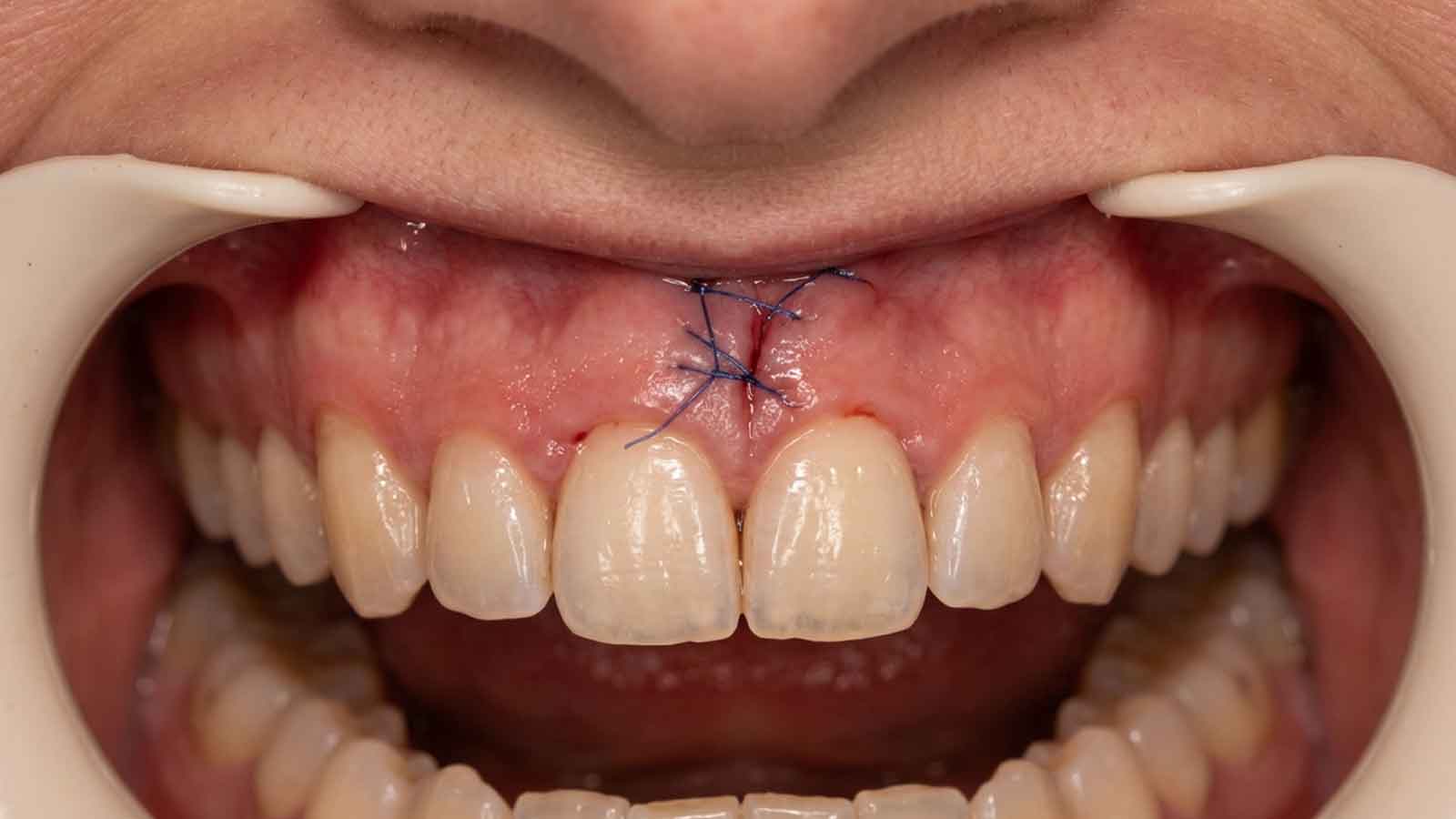
Persistent pain, swelling, or signs of infection after an apicoectomy can raise difficult questions about the tooth’s future. When healing does not progress as expected, an endodontic specialist can evaluate the tooth and determine what is affecting the outcome. At Renovo Endodontic Studio, our endodontists use advanced 3D imaging and focused clinical assessment to identify the cause and guide the appropriate next step.
Table of Contents
- What Does a Failed Apicoectomy Mean?
- What Are the Signs an Apicoectomy Did Not Work?
- Normal Healing vs. Relapse
- Biological and Anatomical Causes
- Technical and Patient Factors
- Can a Tooth Still Be Saved After an Apicoectomy Fails?
- Your Treatment Options After a Failed Apicoectomy
- Root Canal Retreatment
- A Second Apicoectomy
- Extraction and Tooth Replacement
- How Do Specialists Diagnose the Problem?
- Clinical Exam and Testing
- CBCT and 3D Imaging
- Questions to Ask Your Endodontist
- What Are the Options for Replacing a Tooth After Extraction?
- Dental Implants
- Bridges and Partial Dentures
- Schedule Your Consultation With Renovo Endodontic Studio

What Does a Failed Apicoectomy Mean?
A failed apicoectomy occurs when the treated area does not heal properly or an infection returns after the procedure. It does not always mean the surgery was performed incorrectly. Failure describes the healing outcome, and identifying what interrupted that healing is the first step toward correcting it.
What Are the Signs an Apicoectomy Did Not Work?
Your tooth may show signs that it needs further evaluation. Common symptoms include:
- Recurring pain: Discomfort, tenderness, or pain when chewing that returns after the initial healing period.
- Gum swelling or a fistula: A small bump on the gums near the treated root that may release fluid or cause an unpleasant taste.
- Changes on X-rays: Follow-up images may show ongoing inflammation or an area where the surrounding bone has not healed as expected.
If you notice these symptoms, an evaluation can help identify what is affecting the healing process and determine if additional treatment is needed.
Normal Healing vs. Relapse
Some soreness and mild swelling are common during the first few days after an apicoectomy. The surrounding bone may continue healing for several months as the tissues recover.
A relapse usually involves symptoms that improve and then return, ongoing signs of infection, or temporary relief that does not resolve the underlying issue. If problems continue several months after surgery, an endodontist may recommend a follow-up evaluation to assess the tooth’s condition. Late-onset failure is also possible. Symptoms can return years after the procedure, sometimes with changes visible only on imaging.
Biological and Anatomical Causes
Tooth roots can contain small branches, narrow canals, and irregular shapes that are difficult to detect. Bacteria may remain in these areas and continue causing inflammation after surgery. In some cases, the tissues around the root tip may not heal properly despite a technically sound procedure.
Technical and Patient Factors
The quality of the root-end procedure and the condition of the tooth before surgery can affect healing. Issues such as an incomplete seal, damaged filling material, or limited visibility during treatment may contribute to ongoing problems.
Patient factors can also influence recovery. Smoking, certain uncontrolled health conditions, and poor post-operative care may slow the healing process. An endodontist can review these factors when determining the next steps for care.
Can a Tooth Still Be Saved After an Apicoectomy Fails?
In many cases, yes. A failed apicoectomy does not automatically mean extraction. Many teeth function well for years following successful retreatment or revision surgery, and preserving your natural tooth remains the preferred outcome whenever it’s realistic.
Three factors shape the answer:
- The cause of the failure: A missed canal or compromised seal can typically be addressed through retreatment or revision surgery. A vertical root fracture (a crack running lengthwise through the root), by contrast, generally cannot be repaired and may indicate the need for extraction.
- Remaining tooth structure: A tooth with solid walls and healthy supporting bone can handle another procedure. A heavily restored or brittle tooth may not withstand re-intervention.
- Timing of the evaluation: The condition of the surrounding bone at the time of assessment influences which treatments remain possible.
Your Treatment Options After a Failed Apicoectomy
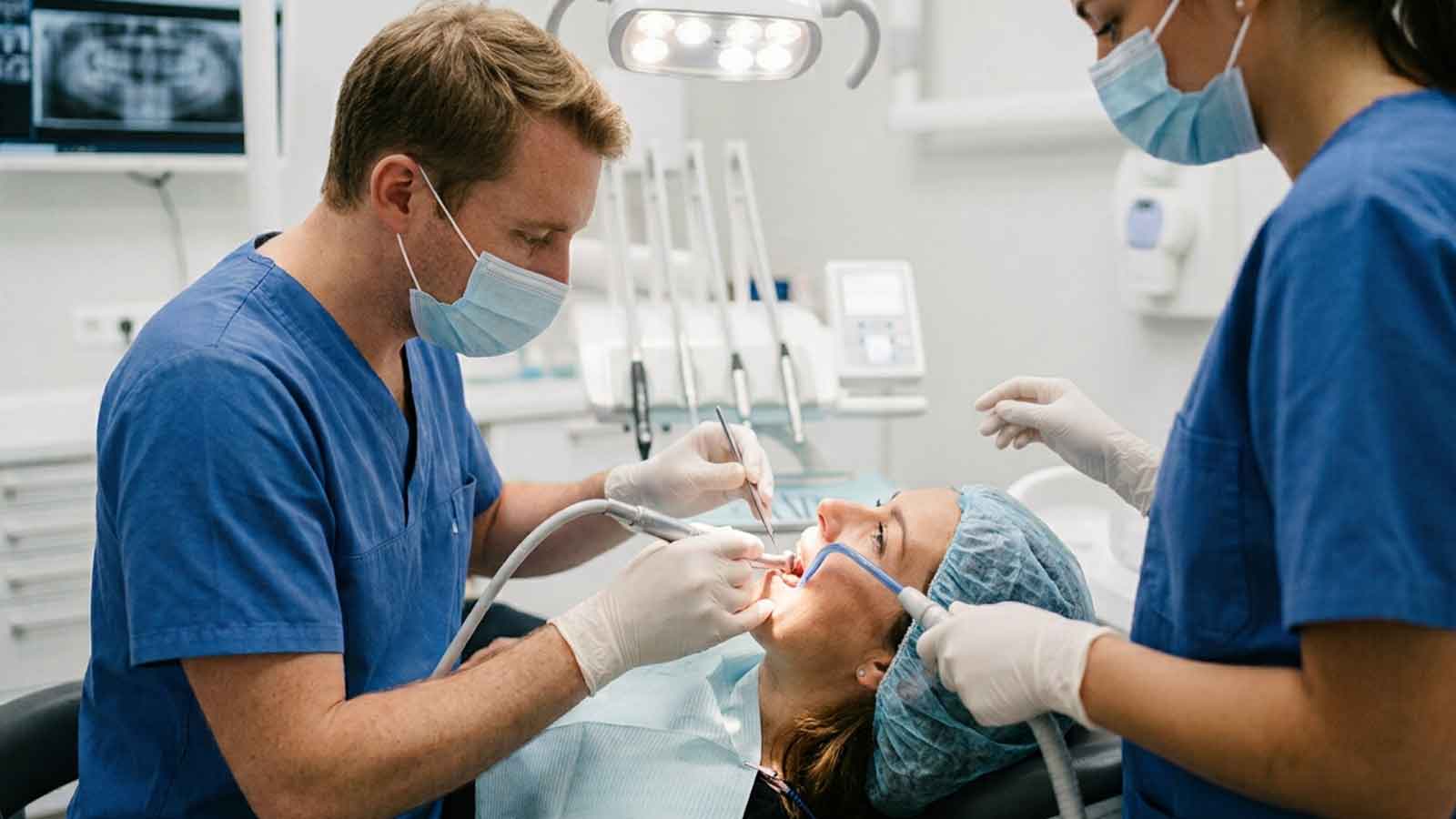
Three primary treatment options are typically considered after a failed apicoectomy: retreat the canal system, repeat the surgery, or extract and replace the tooth. The best fit depends on the cause of the failure, how much healthy tooth structure remains, the tooth’s location, and your own priorities around time, cost, and appearance.
Root Canal Retreatment
In some cases, the source of infection is located within the canal system of the tooth rather than at the root tip, where an untreated or branching canal can sustain bacteria. During retreatment, an endodontist re-enters the tooth through the top, which usually requires removing the crown or post, then cleans the full length of every canal, disinfects the space, and reseals it.
Retreatment works best when imaging reveals a findable cause, such as a leaking filling or a missed canal, and the tooth remains structurally sound. It addresses the true source of infection without another surgery.
A Second Apicoectomy
A second apicoectomy may be considered when the original surgery had a correctable issue, and the tooth still has adequate support from the surrounding bone. During revision surgery, an endodontist removes infected tissue around the root tip, prepares the area, and seals the root end with biocompatible materials such as MTA (mineral trioxide aggregate), a cement used to seal the root end.
Modern microsurgical techniques, including magnification and ultrasonic instruments (precision tools that use high-frequency vibration to prepare the root end), allow specialists to perform these procedures with greater precision. Factors such as scar tissue, sinus location near upper teeth, or nerve position around lower molars may affect the suitability of another surgery.
Extraction and Tooth Replacement
In some situations, removing the tooth may provide the most predictable long-term solution. An endodontist may recommend extraction when the tooth has a vertical root fracture, significant bone loss, insufficient remaining structure, or repeated treatment failure.
Tooth removal does not mean treatment has failed. It can be the right choice when preserving the tooth is no longer the best option for long-term oral health. Careful extraction techniques can help protect the surrounding bone and prepare the area for future replacement.
How Do Specialists Diagnose the Problem?
Before recommending treatment, endodontic specialists perform a detailed evaluation to identify the source of the problem. A proper diagnosis helps reveal why healing did not progress as expected and provides the information needed to plan the appropriate next step.
Clinical Exam and Testing
The evaluation begins with a thorough examination of the tooth and surrounding tissues. An endodontist may check tooth movement, measure gum pocket depths, trace the source of any drainage from the gums, and test how the tooth responds to pressure and tapping.
These findings help identify signs of infection, structural concerns, and changes in the surrounding tissues. The goal is to understand the condition of the tooth before deciding which treatment options may be appropriate.
CBCT and 3D Imaging
Traditional X-rays provide valuable information, but they may not show every detail of a complex root system. CBCT imaging addresses this limitation by providing cross-sectional views of the tooth and surrounding structures. This advanced imaging can reveal concerns such as a missed canal, an incomplete root-end seal, a possible root fracture, or areas of persistent infection. The findings help endodontic specialists better understand the source of the problem and develop a treatment plan based on the tooth’s condition.
Questions to Ask Your Endodontist

A consultation should help you understand your condition and make informed decisions about your care. Consider asking:
- Tooth prognosis: Can my tooth still be saved, and what outcomes can I expect from retreatment or revision surgery?
- Treatment alternatives: What options are available if the next procedure does not resolve the issue?
- Long-term impact: How will each option affect my bite, appearance, and future ability to receive a dental implant?
- Treatment details: How many appointments will I need, what should I expect during recovery, and what costs should I plan for?
An experienced endodontist should explain your diagnosis, discuss available options, and help you understand the reasoning behind each recommendation. Clear communication supports better decision-making throughout treatment.
What Are the Options for Replacing a Tooth After Extraction?
Planning tooth replacement before extraction can help protect both function and appearance, so the two decisions should happen together.
Dental Implants
A dental implant replaces the missing tooth root with a titanium post and supports a custom crown that restores function and appearance. Some patients may need bone grafting after an infection to create a stable foundation for the implant.
Bridges and Partial Dentures
Dental implants are not suitable for every patient. A fixed bridge uses nearby teeth to support a replacement tooth, while a removable partial denture offers another option for restoring chewing function and appearance.
Each option has different considerations. A bridge may require changes to neighboring teeth, while partial dentures require regular care and maintenance. Discussing these choices with your dental provider can help determine the best replacement plan for your needs.
Schedule Your Consultation With Renovo Endodontic Studio
Delaying treatment after a failed apicoectomy can allow infection to continue affecting the surrounding bone and tissues, which may make future procedures more complex and reduce the bone available for replacement options such as dental implants. While you wait for your evaluation, a few measures can help you stay comfortable:
- Manage discomfort with pain relievers: Over-the-counter medications may help reduce pain when used as directed.
- Follow prescribed treatment recommendations: Antibiotics may help control certain infections when recommended by a provider, but they do not remove the source of the infection.
- Maintain gentle oral hygiene: Continue brushing carefully around the area and use mild rinses to help keep the mouth clean.
These steps provide temporary relief but do not replace treatment for the underlying issue. Renovo Endodontic Studio provides specialized endodontic care supported by advanced diagnostics, including CBCT imaging and microsurgical techniques.
Our endodontic specialists evaluate each case carefully and help patients understand the available treatment options. If symptoms return after root-end surgery, schedule a consultation with an endodontist at Renovo Endodontic Studio to discuss your next steps and protect your oral health.


