

What to Eat After a Root Canal: Foods to Choose and What to Avoid
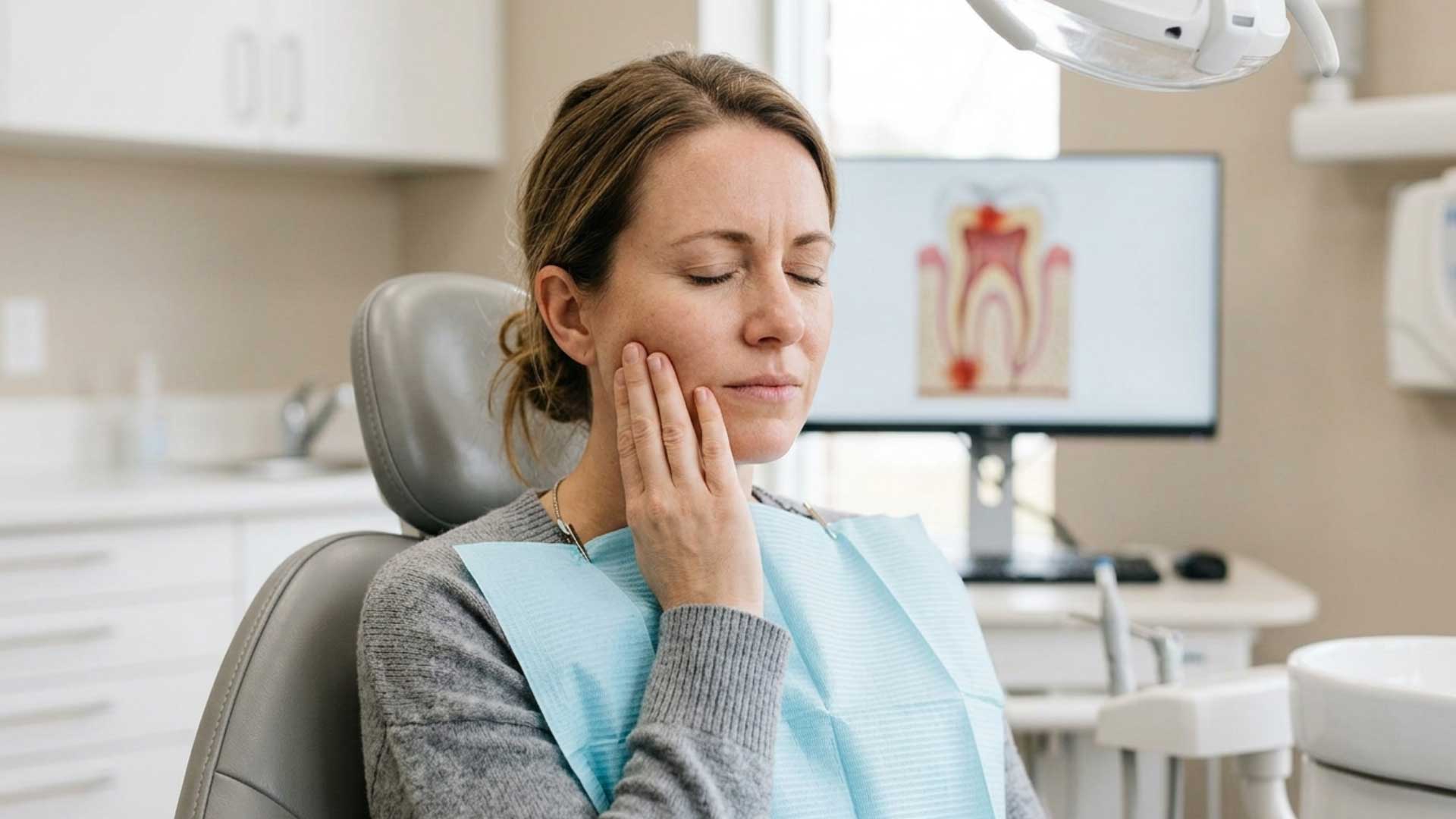
Once your root canal is complete and the numbness begins to wear off, knowing what to eat and what to avoid helps protect your treated tooth during the early stages of recovery. Biting into something hard too soon can put unnecessary pressure on the healing tooth.
The good news is that eating well during recovery is simpler than most patients expect, and a few simple food choices can make eating more comfortable while the tooth settles. The endodontists at Renovo Endodontic Studio give patients throughout Northern Illinois clear aftercare guidance so they can eat comfortably and support a smooth recovery.
Table of Contents
- Why Does Your Diet Matter After a Root Canal?
- Protect the Treated Tooth
- Reduce Discomfort and Sensitivity
- Maintain Normal Nutrition
- When Can You Eat After a Root Canal?
- Wait Until Numbness Fades
- Start With Soft Foods
- Return to Normal Chewing
- When to Contact Your Endodontist
- What Foods Are Best to Eat After a Root Canal?
- Soft Staples and Grains
- Easy-to-Chew Proteins
- Soft Fruits and Vegetables
- Comfortable Snacks and Desserts
- Hydrating Liquids and Soups
- Simple Meal Ideas for Recovery
- What Should You Not Eat After a Root Canal?
- Hard and Crunchy Foods
- Sticky and Chewy Foods
- Very Hot or Cold Foods
- Spicy and Acidic Foods
- Alcohol and Other Healing Disruptors
- Questions About Your Recovery? Contact Renovo Endodontic Studio

Why Does Your Diet Matter After a Root Canal?
What you eat after a root canal can affect your comfort and help protect the treated tooth as it heals. The treated area may remain tender for a few days, and a temporary restoration may need extra protection until your tooth is fully restored.
Protect the Treated Tooth
Your treated tooth remains vulnerable until your dentist places the permanent filling or crown. Many patients leave their appointment with a temporary restoration, and that material is not built to withstand heavy force.
Hard, crunchy, or sticky items can crack the temporary seal, pull it loose, or place damaging pressure on the tooth itself. Soft foods are protective, not just comfortable.
Reduce Discomfort and Sensitivity
The tooth and surrounding tissues may feel tender after treatment. Foods that require more force to chew can make the area feel uncomfortable.
Choosing foods that are easier to manage can make meals more comfortable while soreness improves.
Maintain Normal Nutrition
Soft meals can help you continue eating and drinking normally when chewing feels uncomfortable. Options such as eggs, yogurt, oatmeal, soup, smoothies, and soft vegetables provide practical choices during recovery.
When Can You Eat After a Root Canal?
Eating after treatment depends mainly on when numbness wears off and how comfortable the tooth feels.
Wait Until Numbness Fades
Do not eat until the local anesthesia wears off completely. A numb cheek, tongue, or lip is easy to bite without noticing.
Once normal feeling returns to your lips, tongue, and cheek, you can begin eating.
Start With Soft Foods
Begin with foods that are gentle on the treated area, such as:
- Yogurt, applesauce, and oatmeal
- Eggs and soft pasta
- Soups and smoothies
- Mashed potatoes and soft vegetables
Gradually introduce firmer textures as your tooth becomes more comfortable.
Return to Normal Chewing
As tenderness improves, you can gradually return to firmer foods. If biting causes pain or pressure, give the tooth more time and return to gentler options.
Continue protecting the treated tooth until your provider clears it for normal chewing.
When to Contact Your Endodontist
Contact your provider promptly if you notice:
- Pain that worsens after the first few days
- Swelling in the gums, face, or jaw
- Fever or a persistent bad taste
- A loose or broken temporary filling or crown
Some tenderness for a few days can be normal, but persistent or worsening symptoms deserve professional evaluation.
What Foods Are Best to Eat After a Root Canal?

After a root canal, focus on foods with a softer texture that feel comfortable to eat during recovery.
Soft Staples and Grains
Good options include:
- Mashed potatoes
- Oatmeal or cream of wheat
- Soft rice and pasta
- Soft bread without a hard crust
These foods can serve as simple bases for meals while your tooth feels tender.
Easy-to-Chew Proteins
Soft protein options can make meals more filling without requiring heavy chewing. Reliable choices include scrambled or boiled eggs, Greek yogurt, cottage cheese, hummus, soft beans, lentils, tofu, and flaky fish.
Preparation matters as much as the ingredient. Slow-cooked, stewed, or blended proteins tend to stay moist and tender.
Soft Fruits and Vegetables
- Bananas and avocados
- Applesauce
- Ripe peaches or pears
- Cooked carrots, squash, or sweet potatoes
- Smoothies without hard or crunchy add-ins
Cut foods into smaller pieces if that makes them more comfortable to eat.
Comfortable Snacks and Desserts
Yogurt, pudding, and smooth ice cream without nuts or mix-ins can be simple options when you want something easy to eat.
Choose a temperature that feels comfortable for your tooth.
Hydrating Liquids and Soups
Broths, blended soups, protein shakes, and milk or fortified plant milks can be useful when you do not feel ready for a full meal. Keep water within reach throughout the day to maintain normal hydration.
Simple Meal Ideas for Recovery
You do not need a strict recovery diet. Combining several soft foods into complete meals can make planning easier while your tooth feels tender.
Breakfast Ideas
- Scrambled eggs with avocado
- Oatmeal with ripe banana
- Greek yogurt with soft fruit
- Cream of wheat with mashed berries or banana
Lunch Ideas
- Blended vegetable soup with soft bread
- Tender pasta with a mild sauce
- Mashed sweet potato with soft-cooked vegetables
- Hummus with soft pita
Dinner Ideas
- Flaky fish with mashed potatoes
- Soft rice with tofu and cooked vegetables
- Tender pasta with shredded chicken
- Lentils with soft-cooked vegetables
Snack Ideas
- Applesauce
- Yogurt
- Pudding
- Cottage cheese
- Ripe banana or avocado
Choose the combinations that feel most comfortable for you.
What Should You Not Eat After a Root Canal?
Some foods can place unnecessary stress on the treated tooth or temporary restoration. Paying attention to texture can help you avoid problems during recovery.
Hard and Crunchy Foods
Avoid nuts, chips, popcorn, hard candy, crusty bread and raw foods such as carrots or apples. Hard foods can place too much pressure on the treated tooth or damage a temporary restoration.
Sticky and Chewy Foods
Skip gum, caramel, taffy, gummy candy and other sticky foods. They can pull on a temporary filling or crown and make it harder to keep the area clean.
Avoid foods that require prolonged or forceful chewing until your provider clears the tooth for normal use.
Very Hot or Cold Foods
Your tooth and nearby tissues may feel sensitive after treatment. Very hot or cold foods can feel uncomfortable during this time.
Choose foods and drinks at a comfortable temperature and gradually return to your usual choices as sensitivity improves.
Spicy and Acidic Foods
Citrus fruits and juices, tomatoes, vinegar-heavy dressings, hot sauce, and strong curries may irritate sensitive tissues around the treated area. If they cause discomfort, set them aside temporarily and try them again once soreness fades.
Alcohol and Other Healing Disruptors
If you received prescription medication, ask your provider or pharmacist whether alcohol is safe. Some medications should not be combined with alcohol.
Follow the medication and aftercare instructions you received after treatment.
Questions About Your Recovery? Contact Renovo Endodontic Studio

Choosing the right foods during recovery protects your treated tooth and supports a more comfortable return to your normal diet. If you had a tooth removed instead, our tooth extraction recovery guide covers healing stages and aftercare for that procedure.
If you have questions about your recovery, need to schedule your permanent restoration, or want advice directly from a root canal specialist, the team at Renovo Endodontic Studio is ready to help. Call the office nearest you or request an appointment online to support your continued recovery.


