

Sports Injuries and Your Teeth: When to See an Endodontist
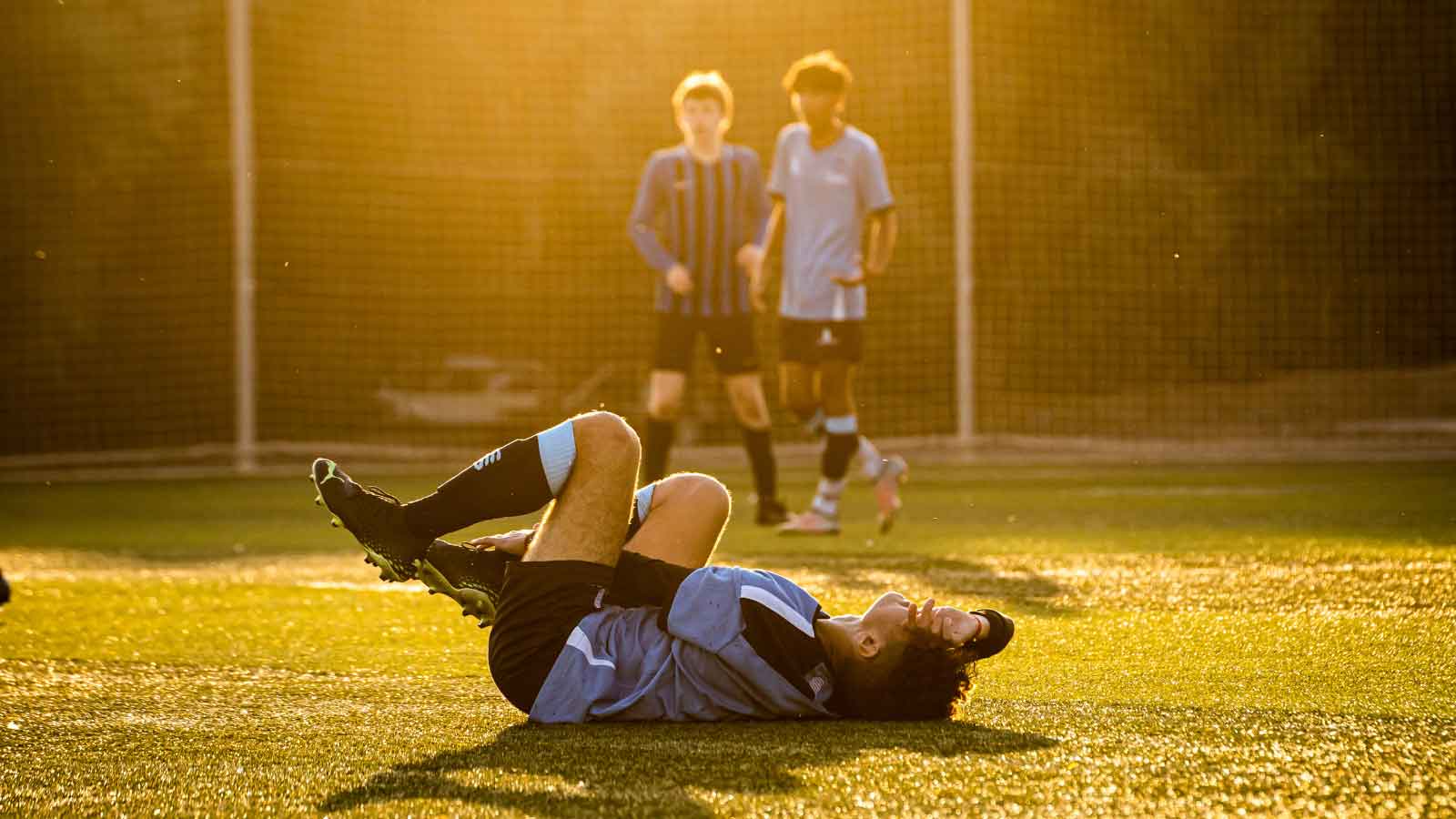
A hard tackle, a stray elbow, a puck off the boards. Athletic activity puts your teeth in the path of impact, and the damage often runs deeper than a chipped enamel surface. The pulp inside your tooth, along with the root and surrounding bone, can sustain injuries that aren’t visible on the surface but threaten the long-term survival of the tooth.
This guide walks through the most common sports-related dental injuries, the warning signs that require specialist attention, the time windows that determine whether your tooth can be saved, and the prevention strategies that keep athletes out of the treatment chair.
The trusted endodontists at Renovo Endodontic Studio have built this resource around the questions that athletes and parents most often ask after an unexpected hit.
Table of Contents
- Why Sports Injuries Put Your Teeth at Serious Risk
- The Most Common Sports-Related Dental Injuries
- When to See an Endodontist After a Sports Injury
- Knocked-Out
- Dislodged or Shifted Teeth
- Deep Cracks and Root Fractures
- Delayed Pulp Damage After a Hard Hit
- Preventing Sports-Related Dental Injuries
- Call Our Emergency Endodontists Today!
- FAQs
- When should you see an endodontist?
- How long after a root canal can I play sports?
- What are sports-related dental injuries?
- Can an injured tooth heal on its own?
- Should I wear a mouth guard for non-contact sports?
- What should I do if my child’s tooth gets knocked out at practice?
- Can a tooth that turns dark after a sports injury be saved?

Why Sports Injuries Put Your Teeth at Serious Risk
The force generated during athletic play is more than your teeth are designed to absorb. A baseball traveling at 70 miles per hour, a basketball player’s elbow at full extension, or a slip on a wet court can deliver enough impact to fracture enamel, sever blood supply to the pulp, or displace a tooth from its socket.
Damage often extends below the gum line, where you cannot see it, which is why many athletes assume their tooth is fine and only realize weeks later that something is wrong.
Several factors make athletic injuries particularly dangerous for dental health, and recognizing them helps explain why specialist evaluation matters. Some of the most common risk factors include:
- Unprotected Impact Zones: Most sports injuries involve the front teeth, which have thinner enamel and shorter roots than molars.
- Delayed Symptom Onset: Internal pulp damage can take weeks or months to show symptoms, long after the injury seems resolved.
- Compromised Blood Supply: A hit can sever the tiny vessels feeding the pulp, leading to nerve death even when the tooth looks intact.
- Hidden Root Fractures: Cracks below the gum line are invisible on standard X-rays and often require advanced 3D imaging to detect.
- Bone and Ligament Damage: The structures holding the tooth in place can be torn or bruised, affecting stability long after the visible injury heals.
General dentists provide excellent routine care, but sports-related dental trauma often involves complex pulp and root injuries that benefit from specialist expertise. Knowing why you should see a specialist for root canal treatment helps athletes and parents understand when a referral to an endodontist makes the difference between saving and losing a tooth.
The Most Common Sports-Related Dental Injuries
Not every sports injury looks the same on the field. A chipped tooth from a basketball game is different from a knocked-out tooth during a hockey check, and each type of injury demands a different response. Understanding the categories helps you recognize what you’re dealing with and how quickly you need to act.
The following injuries represent the most frequent dental trauma seen in athletic settings:
- Avulsion (Knocked-Out Tooth): The entire tooth is displaced from its socket, often during contact sports or collisions.
- Luxation (Dislodged Tooth): The tooth is pushed sideways, partially out of the socket, or jammed up into the jawbone.
- Crown Fractures: Visible chips or breaks in the tooth’s outer layers that may or may not expose the inner pulp.
- Root Fractures: Cracks extending into the root, often hidden beneath the gum line and requiring advanced imaging to diagnose.
- Concussion Injuries: The tooth is not displaced or fractured, but has sustained a hard impact that may damage the pulp internally.
- Soft Tissue Trauma: Cuts to the lips, gums, or tongue that may accompany tooth injuries and require coordinated care.
Cracks and fractures deserve particular attention because the distinction between a minor chip and a deep root fracture can entirely change the treatment path. Your endodontist’s ability to determine the difference between a cracked tooth and a fractured tooth helps athletes determine whether their injury is cosmetic or structural, or threatens the tooth’s survival.
When to See an Endodontist After a Sports Injury

Timing determines outcomes in sports-related dental trauma. Some injuries demand specialist attention within an hour, others can wait a day, and some symptoms may not appear for weeks. Knowing which scenario you’re in protects the tooth from permanent damage.
Knocked-Out
A fully avulsed tooth has a treatment window of roughly 30 to 60 minutes before the root cells begin to die, making re-implantation far less successful. Handle the tooth by the crown only, kept moist in milk or saline, and brought to a specialist who can clean the socket, reposition the tooth, and stabilize it with a splint. Acting within the hour gives the tooth its best chance at long-term survival.
Dislodged or Shifted Teeth
When a tooth is pushed sideways or jammed into the jawbone, the soft tissue and nerve connection may be torn even though the tooth is still in place. A specialist can carefully reposition the tooth, place a splint to hold it stable, and monitor the pulp over the following weeks to check whether it remains vital. Same-day evaluation reduces the risk of nerve death and bone loss.
Deep Cracks and Root Fractures
Surface chips may only need cosmetic repair, but cracks that extend into the dentin or root can expose the pulp to bacteria and cause infection. Specialists use 3D cone-beam computed tomography to locate fractures hidden beneath the gum line. Depending on the depth and direction of the crack, root canal treatment or localized endodontic surgery can often save the tooth before extraction becomes the only option.
Delayed Pulp Damage After a Hard Hit
Some sports injuries don’t show symptoms until weeks or months later, when the pulp tissue has slowly died from the original impact. Signs to watch for include lingering sensitivity to hot or cold, darkening of the tooth, throbbing pain when biting, or a pimple-like bump on the gums. Any of these symptoms after a past sports injury warrants a specialist evaluation, even if the original incident seemed minor at the time.
Preventing Sports-Related Dental Injuries
The best treatment for a sports-related dental injury is the one you never need. Custom-fabricated mouth guards remain the single most effective preventive tool available to athletes, and the American Association of Endodontists has long advocated their use in any sport involving impacts, falls, or flying objects.
Athletes and parents can reduce the risk of dental trauma significantly by following a few protective practices. Some of the most effective preventive measures include:
- Custom Mouth Guards: Dentist-fabricated protection that fits precisely, allows normal breathing and speech, and absorbs impact better than store-bought alternatives.
- Sport-Appropriate Helmets and Face Cages: Hockey, lacrosse, and football helmets with full face protection prevent direct blows to the mouth.
- Replacing Worn Equipment: Mouth guards lose effectiveness as they wear down, and old equipment offers less protection over time.
- Mouth Guards for Non-Contact Sports: Activities like skateboarding, gymnastics, and mountain biking carry a serious risk of falls that warrant protective gear.
- Regular Dental Check-Ins: Athletes benefit from baseline evaluations, making any post-injury changes easier to identify.
- Immediate Action After Any Impact: Even seemingly minor hits should prompt a visual check and follow-up if any symptoms develop.
When prevention falls short and an injury occurs, having a relationship with a specialist who provides dental trauma management gives athletes and families a direct path to expert care without the delay of finding someone in an emergency.
Our specialists thoroughly evaluate the injury, use advanced imaging to identify any hidden damage, and recommend the treatment most likely to preserve the natural tooth.
Call Our Emergency Endodontists Today!

Whether you’ve just taken a hit on the field or you’re noticing changes in a tooth weeks after a past injury, prompt evaluation gives your tooth the best chance at long-term survival.
Our specialists at Renovo Endodontic Studio are ready to help athletes and parents across Schaumburg, Elgin, Downers Grove, and Rockford with timely, expert care.
Call us today to schedule your consultation and protect your smile for every season ahead.
FAQs
When should you see an endodontist?
You should see an endodontist immediately after any sports impact that knocks out, displaces, or deeply fractures a tooth, and any time you notice lingering sensitivity, discoloration, or pain after a past injury. Specialists have the advanced training and imaging tools to diagnose hidden damage and provide treatments designed to save the natural tooth.
How long after a root canal can I play sports?
Most patients can return to light activity within 24 to 48 hours, but contact sports and high-impact activities should be avoided for at least a week or until cleared by your specialist. The treated tooth is still healing, and protecting it during recovery reduces the risk of fracture or complications that could compromise the result.
What are sports-related dental injuries?
Sports-related dental injuries include knocked-out teeth, dislodged teeth, crown and root fractures, concussion injuries to the tooth pulp, and soft tissue damage to the lips, gums, and tongue. These injuries occur most often in contact sports, racket sports, and activities with fall risk, such as skateboarding or cycling.
Can an injured tooth heal on its own?
Minor enamel chips can sometimes be left alone with monitoring, but deeper injuries involving the pulp, root, or surrounding bone do not heal on their own and require professional evaluation. Waiting too long can lead to infection, nerve death, and eventual tooth loss that could have been prevented with timely care.
Should I wear a mouth guard for non-contact sports?
Yes, activities like skateboarding, gymnastics, mountain biking, and even basketball carry a meaningful risk of falls, collisions, and accidental impacts to the mouth. A custom mouth guard offers protection that store-bought versions cannot match and is recommended for any sport where impact or falls are possible.
What should I do if my child’s tooth gets knocked out at practice?
Find the tooth, pick it up by the crown without touching the root, and place it in a glass of milk or saline to keep the root cells alive. Get to a specialist within 30 to 60 minutes if possible, since re-implantation success drops sharply after that window closes.
Can a tooth that turns dark after a sports injury be saved?
In many cases, yes, darkening indicates internal bleeding or nerve death, but it does not always mean the tooth must be lost. A specialist can evaluate the pulp, perform root canal therapy if needed, and address discoloration through internal bleaching or restorative options that preserve the natural tooth.


