

Apicoectomy vs. Root Canal Retreatment: Which Procedure Do You Need?
Recurring symptoms after a root canal can feel discouraging, but they do not always mean the tooth is lost. The right next step depends on where the problem is located and what is causing it, which is why a specialist evaluation matters.
At Renovo Endodontic Studio, our endodontists assess each case individually using detailed imaging and clinical expertise to determine whether retreatment or apicoectomy offers the stronger path forward. Our patient’s guide to apicoectomy offers additional background if you want to read ahead.
Table of Contents
- What Do Root Canal Retreatment and Apicoectomy Actually Do?
- Root Canal Retreatment From the Inside
- Apicoectomy at the Root Tip
- Why Did the First Root Canal Fail?
- Problems Inside the Canal System
- Problems With the Restoration Seal
- Infection Around the Root Tip
- How Does Your Endodontist Decide Between Retreatment and Apicoectomy?
- Can the Canal Be Accessed Safely?
- Where Is the Infection Located?
- How Does the Existing Crown Affect Treatment?
- When Extraction Becomes the Better Option
- Recovery and Results After Treatment
- What Recovery Looks Like
- What These Procedures Cost
- Talk With an Endodontic Specialist Today
- Frequently Asked Questions
- Can an apicoectomy be performed twice on the same tooth?
- How long should I wait between root canal retreatment and an apicoectomy?
- Is an apicoectomy painful during the procedure?
- Do I need a new crown after root canal retreatment?
- Will an apicoectomy weaken the tooth?

What Do Root Canal Retreatment and Apicoectomy Actually Do?
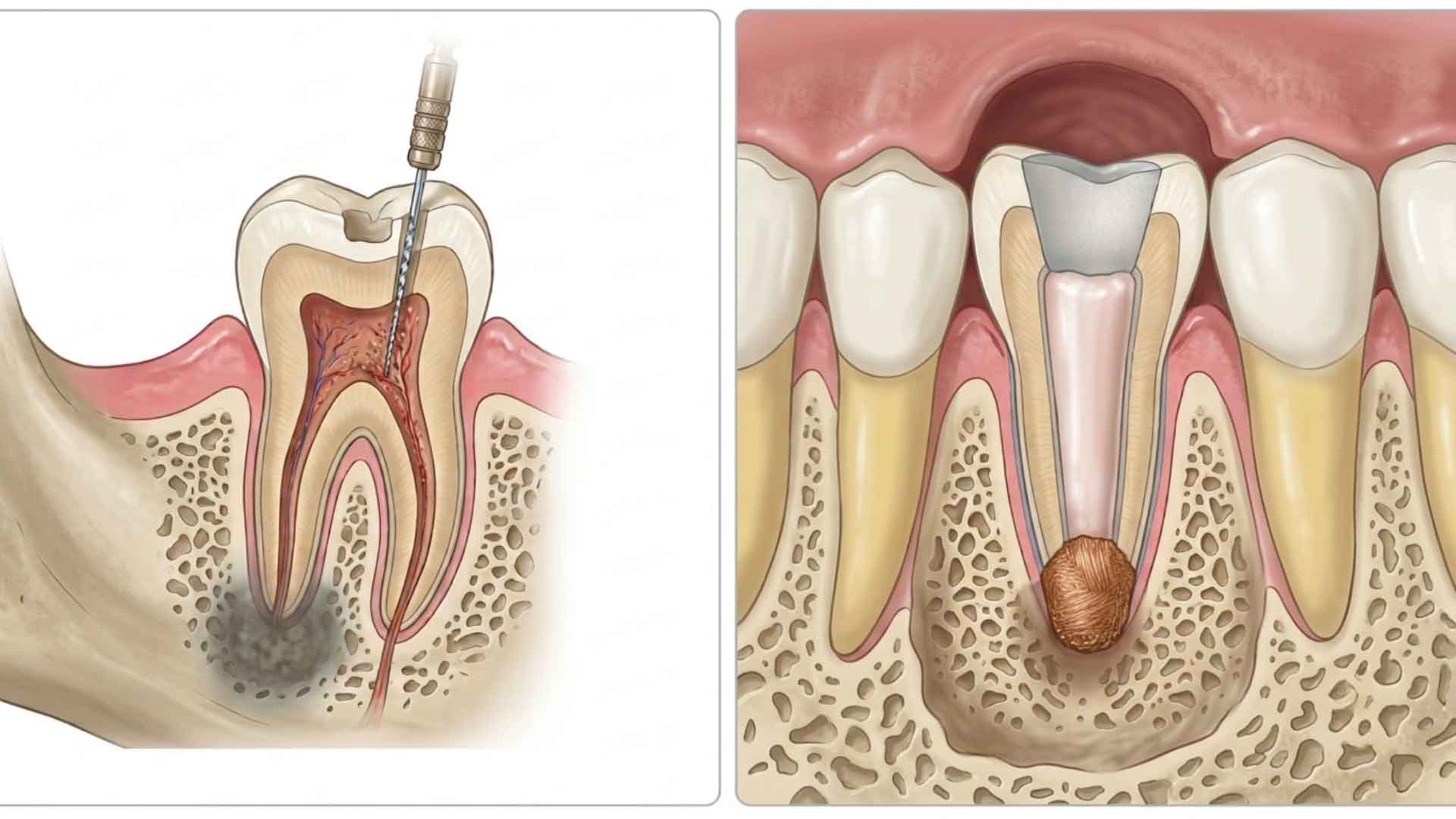
Both procedures aim to preserve the natural tooth, but they address different problems in different locations. Root canal retreatment works inside the canal system, while an apicoectomy works beneath the gum at the root tip. Renovo Endodontic Studio evaluates each tooth individually to determine which option best addresses the underlying concern.
Root Canal Retreatment From the Inside
Root canal retreatment treats a tooth that has developed reinfection or ongoing issues after a previous root canal treatment. During treatment, your endodontist removes the existing filling material, cleans and disinfects the canal system, and places new filling material to protect the tooth from further contamination.
Because retreatment does not require an incision, patients generally experience a straightforward recovery. If you are weighing durability, our article on how long a retreated root canal lasts covers what to expect over time.
Apicoectomy at the Root Tip
An apicoectomy, also called root-end surgery, addresses infection that remains around the tip of the tooth root. During the procedure, a root canal specialist creates a small opening in the gum tissue to access the root tip, removes the infected tissue and affected portion of the root, then seals the area to prevent further problems.
Performed under high magnification, this microsurgical approach addresses persistent infection at the root tip when retreatment through the crown is insufficient. Our overview of the apicoectomy procedure and healing tips and this explainer on understanding apicoectomy go deeper into what the surgery involves.
Why Did the First Root Canal Fail?
Understanding why the original root canal treatment failed helps determine which procedure may be appropriate. The cause of the problem provides important information about where treatment needs to focus and whether the issue can be addressed through retreatment or an apicoectomy. Our guide on what to do when a root canal fails explains these scenarios in more detail.
Problems Inside the Canal System
Some root canal failures occur because bacteria remain in areas that were not fully treated during the initial procedure. Common causes include:
- Missed canals: Untreated areas of the tooth anatomy where bacteria can remain.
- Underfilled canals: Spaces near the root tip that were not completely sealed.
- Complex anatomy: Curved canals or additional branches that make complete cleaning more challenging.
- Separated instruments: A fractured file inside the canal that may block access to untreated areas.
Problems With the Restoration Seal
In some cases, the original root canal treatment was successful, but the restoration did not maintain a proper seal. A damaged crown, delayed crown placement, or recurrent decay can allow bacteria to enter the tooth again.
Delayed crown placement is a common contributing factor, as is recurrent decay forming beneath an aging restoration. When contamination re-enters from above, the canal system becomes the primary treatment target, pointing toward retreatment.
Infection Around the Root Tip
Some infections continue beyond the tooth and affect the tissue and bone surrounding the root tip. In these situations, treating the inside of the tooth alone may not fully address the affected area.
An apicoectomy can directly remove infected tissue around the root end and treat concerns that remain after previous root canal treatment.
How Does Your Endodontist Decide Between Retreatment and Apicoectomy?
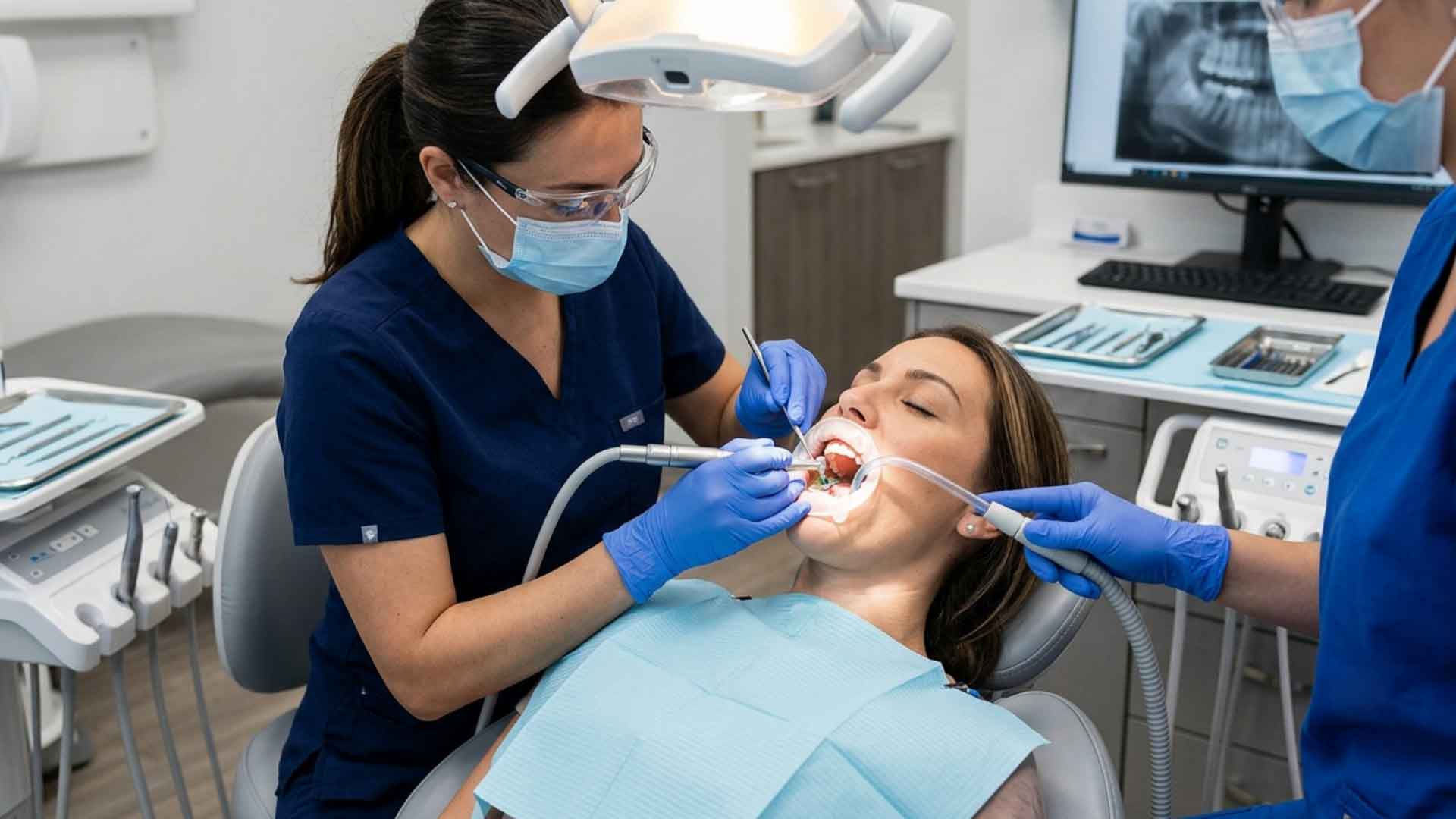
The recommended treatment depends on several factors, including the condition of the tooth, the location of the infection, and whether the affected area can be safely accessed. Your endodontist reviews imaging and examination findings to determine which procedure is most appropriate for your specific situation.
Can the Canal Be Accessed Safely?
The ability to access the canal system plays an important role in deciding whether root canal retreatment is a suitable option. When the canal can be reopened safely, your specialist can remove remaining bacteria, clean the area, and restore the tooth without compromising its structure.
Certain challenges can make retreatment more complex. Blocked canals, heavy calcification, ledged canals, or separated instruments may prevent reliable access to the affected area. In these cases, an apicoectomy may provide a more direct approach by treating the infection near the root tip. If you are curious about repeat treatment, our article on can a root canal be retreated twice addresses that question directly.
Where Is the Infection Located?
Advanced imaging, including 3D imaging, helps your endodontist identify where the problem is occurring. These images can reveal untreated canal anatomy, persistent infection near the root tip, or changes in the surrounding bone.
If the concern remains inside the canal system, retreatment may address the issue. If the infection has moved beyond the canal and affected the root-end area, an apicoectomy may be recommended to remove infected tissue surrounding the root tip.
How Does the Existing Crown Affect Treatment?
The condition of the existing restoration can also influence the treatment recommendation. A strong, well-sealed crown may be worth protecting, especially when the concern is limited to the root tip. In these cases, an apicoectomy can treat the affected area while preserving a restoration that continues to function properly.
If a crown is damaged, leaking, or allowing bacteria to enter the tooth, retreatment may be needed to address contamination within the canal system. Your endodontist considers the condition of the restoration along with the overall health of the tooth before recommending treatment.
When Extraction Becomes the Better Option
In some cases, neither procedure offers a predictable long-term outcome. A vertical root fracture, severe structural damage, or repeated treatment failures may indicate that extraction is the more appropriate option.
When saving the tooth is no longer possible, your endodontist can discuss extraction and replacement options to help you understand the next steps.
Recovery and Results After Treatment
Understanding the recovery process and expected outcomes can help you prepare for treatment and know what to expect after your procedure.
What Recovery Looks Like
Root canal retreatment typically involves a recovery process similar to the original procedure. Some patients experience mild tenderness when biting, which usually improves within 1 to 2 weeks as the tooth heals.
An apicoectomy involves a surgical recovery period of 2 to 4 weeks. Patients may experience swelling for a few days, and the gum tissue and surrounding bone require additional time to heal. Your endodontist will provide post-operative care instructions to support proper recovery.
Complications requiring emergency follow-up are uncommon with either procedure. However, severe discomfort, increasing swelling, or new symptoms should be evaluated by your dental provider.
What These Procedures Cost
The cost of root canal retreatment and apicoectomy varies depending on the complexity of the case, the location of the tooth, and whether additional restoration is needed.
Molars often require more complex treatment because they contain multiple canals and more intricate anatomy. If an existing crown or restoration needs to be removed and replaced, this may also affect the overall cost.
Coverage varies by insurance plan and procedure classification. Renovo Endodontic Studio reviews available benefits and payment options with patients before treatment begins.
Talk With an Endodontic Specialist Today
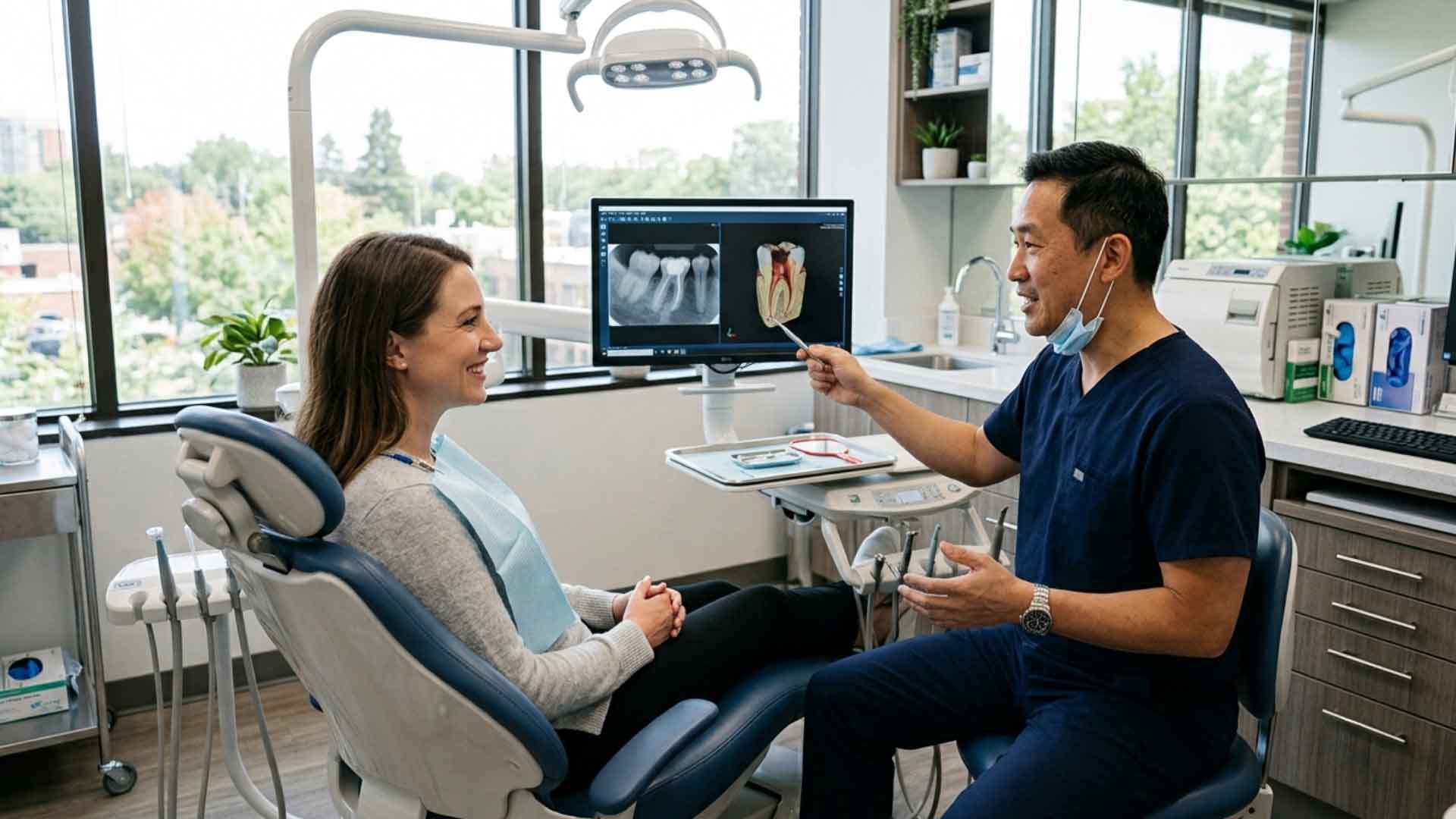
Determining the right treatment requires more than evaluating symptoms alone. Your endodontist uses advanced imaging, a thorough examination, and specialized experience to identify the cause of the problem and recommend the most appropriate option.
Renovo Endodontic Studio provides expert evaluation for patients experiencing concerns after a previous root canal. Schedule an appointment to receive a clear diagnosis and a treatment plan focused on addressing your specific needs.
Frequently Asked Questions
Can an apicoectomy be performed twice on the same tooth?
Yes, an apicoectomy can be performed more than once in select cases, but repeat procedures are uncommon. Each procedure removes a small portion of the root tip, so your endodontist evaluates the remaining root structure, surrounding support, and likelihood of success before recommending additional treatment.
How long should I wait between root canal retreatment and an apicoectomy?
The timing depends on how the tooth responds after root canal retreatment. Most specialists allow 6 months to a year for healing before deciding that retreatment did not work. Follow-up imaging helps evaluate whether the area is improving or whether an apicoectomy may be appropriate.
Is an apicoectomy painful during the procedure?
No. An apicoectomy is performed under local anesthesia to keep the treatment area numb. Patients may experience tenderness or swelling after the procedure, but discomfort is typically managed with recommended pain relief and proper aftercare.
Do I need a new crown after root canal retreatment?
Usually yes. A new crown may be recommended after root canal retreatment if the existing restoration is damaged, compromised, or no longer provides proper protection. Your endodontist and general dentist evaluate the condition of the tooth and restoration to determine the appropriate next step.
Will an apicoectomy weaken the tooth?
An apicoectomy does not typically weaken a tooth when the remaining structure and support are healthy. Your endodontist evaluates the root length, surrounding bone, and overall tooth condition before recommending treatment.


