

Long-Term Apicoectomy Recovery: What Healing Looks Like at 1 Month, 3 Months, and Beyond
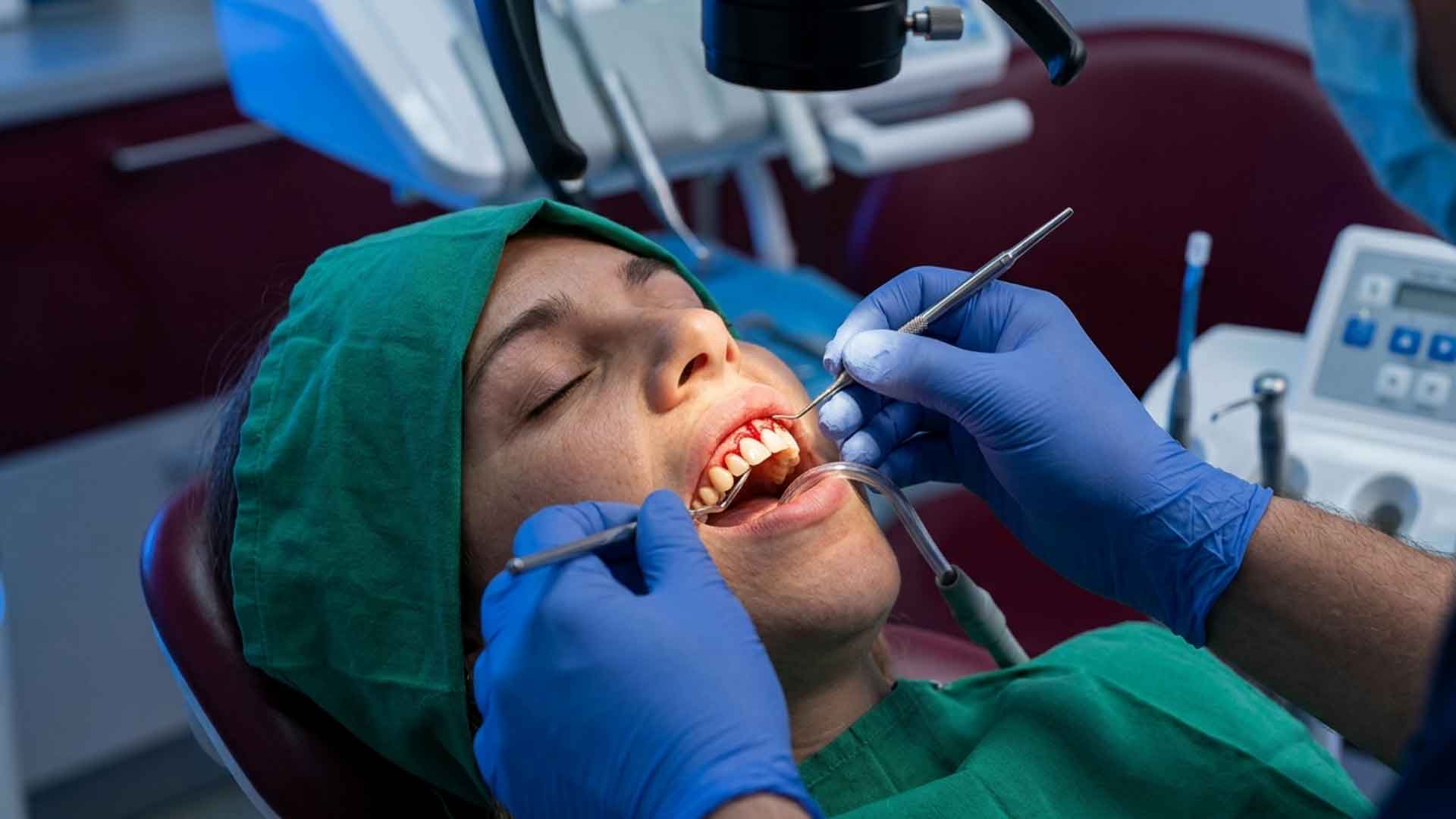
Your gums look healed, the stitches are out, and life feels normal again. So why does the tooth still feel slightly different months after surgery? The answer is simple: soft tissue heals in weeks, but bone rebuilds over months.
Knowing the difference helps you recognize what’s normal at each stage and what deserves a phone call. The endodontists at Renovo Endodontic Studio guide patients through every phase of this timeline and monitor healing over time.
Table of Contents
- How Does Apicoectomy Healing Work?
- Soft Tissue and Bone Healing
- What Affects Long-Term Success?
- The Full Recovery Timeline at a Glance
- What Should Healing Look Like at 1 Month?
- Normal Signs at Four Weeks
- Red Flags at the One-Month Mark
- What Should Healing Look Like at 3 Months?
- Bone Regeneration Progress
- Comfort and Function at Three Months
- When Three-Month Pain Isn’t Normal
- Healing at 6 Months and Beyond
- What Successful Healing Looks Like
- When Symptoms Continue Past Six Months
- Why Do Follow-Up Visits Matter?
- Home Care That Supports Long-Term Healing
- When to Contact Your Endodontist
- Schedule Your Follow-Up Visit at Renovo Endodontic Studio
- Frequently Asked Questions
- Do you need a crown after an apicoectomy?
- Can an apicoectomy be repeated?
- How long can a tooth last after an apicoectomy?
- Is an apicoectomy better than an extraction?
- What are the risks of an apicoectomy?

How Does Apicoectomy Healing Work?
An apicoectomy removes the infected tip of a tooth’s root, cleans the surrounding tissue, and seals the root to help block bacteria. That seal creates the foundation for two separate healing processes that run on very different clocks.
Soft Tissue and Bone Healing
Gum tissue usually heals first. Within 2 to 3 weeks, the incision closes, sutures are removed, and the area begins to look normal again. To the eye, recovery looks finished.
Bone tells a different story. The space around the root tip gradually fills with new bone over several months. This gap between surface healing and deep healing explains why a healthy-looking surgical site can still feel mildly different when you chew.
What Affects Long-Term Success?
Three key factors influence the long-term outcome:
- Infection Control: The endodontist must thoroughly remove the infected tissue during endodontic surgery.
- Seal Quality: A precise root-end seal helps prevent bacteria from reentering the treated area.
- Bone Response: Your body must rebuild healthy bone around the root over time.
Advanced imaging and surgical magnification help endodontists treat the area with greater precision and support predictable healing.
The Full Recovery Timeline at a Glance
Most patients feel significantly better within 1 to 2 weeks, but deeper healing continues after they return to normal activities. Endodontic specialists generally divide apicoectomy recovery into three stages:
- Early Healing (0 to 4 Weeks): The gum tissue closes, swelling decreases, and most patients resume their usual routines.
- Intermediate Healing (1 to 3 Months): New bone begins forming beneath the healed gum tissue.
- Full Integration (3 to 6+ Months): The new bone matures and provides stable support around the treated tooth.
Each stage brings different signs of progress. The following milestones explain what you may notice during recovery.
What Should Healing Look Like at 1 Month?
By four weeks, most visible signs of surgery have faded. At this stage, your endodontist will focus on how well the gum tissue has healed and whether your symptoms continue to improve.
Normal Signs at Four Weeks
The incision should be closed, and the gum tissue should have a healthy appearance. Swelling, bruising, and temporary numbness should be greatly reduced or no longer present. Most patients can return to their regular diet, exercise routine, and oral hygiene habits.
Mild tenderness when chewing may still occur as the deeper tissues continue to heal. The treated tooth may also feel slightly different from the surrounding teeth, even when recovery is progressing normally.
Red Flags at the One-Month Mark
Certain symptoms should never be dismissed as slow healing. Contact your endodontist promptly if you notice any of the following:
- Increasing pain: Discomfort becomes stronger instead of gradually improving.
- Signs of infection: The area develops swelling, redness, warmth, or discharge.
- Reduced function: Chewing becomes more difficult, or new pressure sensitivity develops.
These symptoms may indicate that the area needs further evaluation. Early assessment allows your endodontist to identify concerns before they affect long-term healing.
What Should Healing Look Like at 3 Months?

By three months, the gums have usually healed, but the bone around the treated root continues to rebuild. This internal healing plays an important role in supporting the tooth over time.
Bone Regeneration Progress
At three months, your jawbone is actively filling the space created at the root tip. Full bone regeneration may not be complete yet, which is normal. Your endodontic specialists may take an X-ray to check for early bone growth, increasing density, and signs that the infection has not returned.
Comfort and Function at Three Months
Most patients can chew comfortably on the treated tooth and no longer notice it during daily activities. The tooth should feel more stable as bone support develops around the root.
Occasional mild soreness after heavy chewing may still occur as the bone remodels. However, the discomfort should continue to decrease over time.
When Three-Month Pain Isn’t Normal
The key distinction is direction. Normal healing discomfort gradually improves, while a potential concern may remain unchanged or become worse. Sharp pain, new swelling, increasing pressure sensitivity, or a tooth that begins to feel worse should prompt an evaluation with your endodontist.
Healing at 6 Months and Beyond
Bone healing often reaches an advanced stage between 3 and 6 months after an apicoectomy. In more complex cases, the bone may continue to remodel for up to a year.
What Successful Healing Looks Like
Successful healing appears both in how the tooth feels and how the area looks on an X-ray. The tooth should feel stable, support comfortable chewing, and show no ongoing tenderness. The surrounding gum tissue should also remain healthy.
A follow-up X-ray may show new bone filling the area around the root tip and the previous infection site becoming smaller or no longer visible. With good oral hygiene and regular dental visits, the treated tooth can continue to function like the surrounding natural teeth.
When Symptoms Continue Past Six Months
Mild discomfort may sometimes continue because of slow bone remodeling, scar tissue, or lingering inflammation. However, symptoms that persist or become worse between 6 and 12 months require further evaluation.
At that point, your endodontist may discuss retreatment options, continued monitoring, or replacement solutions depending on what imaging reveals.
Why Do Follow-Up Visits Matter?
Follow-up visits allow your endodontist to confirm that the gums and bone are healing properly. A typical schedule may include a suture check within 5 to 7 days, followed by evaluations at 1, 3, and 6 months.
During these appointments, your endodontist can examine the gum tissue, review bone regeneration on X-rays, and update your home care instructions. These visits can also identify early signs of a problem before they become more difficult to treat.
Home Care That Supports Long-Term Healing
Your daily habits can support healthy bone development around the treated root. For specific guidance after your procedure, review our post-operative care instructions.
- Gentle, thorough hygiene: Brush and floss carefully around the treated area to keep the gums clean and healthy.
- Protecting the tooth: Avoid clenching, grinding, and chewing very hard foods on the treated side as the bone rebuilds.
- Regular checkups: Continue seeing your general dentist and endodontist so they can monitor the tooth and address changes early.
Consistent home care gives the gums and bone a stable environment for continued healing.
When to Contact Your Endodontist
Even months after surgery, certain changes deserve a report. Call promptly if you notice new swelling, discharge, or a bad taste near the site, or if pain suddenly worsens after a period of steady improvement.
Changes in your bite, any tooth mobility, or unexplained discomfort when chewing also matter, no matter how much time has passed. Reaching out late in recovery is not an overreaction. It is exactly what the follow-up relationship is for.
Schedule Your Follow-Up Visit at Renovo Endodontic Studio

Healing continues after the sutures are removed. Renovo Endodontic Studio provides follow-up evaluations at the 1, 3, and 6-month recovery milestones, using advanced imaging to monitor bone regeneration at every stage.
Our endodontists combine meticulous surgical technique with clear patient education, so you always understand how your recovery is progressing. If you have questions about your healing timeline or need a post-surgical evaluation, schedule an appointment with our team today.
Frequently Asked Questions
Do you need a crown after an apicoectomy?
Not always. An apicoectomy treats the root through the gum and bone, so an existing crown or restoration can often remain in place. Your endodontist will check that the restoration still fits and seals the tooth properly.
Can an apicoectomy be repeated?
Yes, in some cases. Your endodontist will review the remaining root structure, bone support, and cause of the previous treatment issue before recommending another apicoectomy.
How long can a tooth last after an apicoectomy?
A tooth can remain functional for many years after a successful apicoectomy. Its long-term health depends on proper healing, a secure restoration, good oral hygiene, and regular dental checkups.
Is an apicoectomy better than an extraction?
An apicoectomy may be the better option when the tooth can still be saved. Keeping your natural tooth helps preserve bone and maintain your bite. Extraction may be recommended when the tooth is too damaged to restore successfully.
What are the risks of an apicoectomy?
Possible risks include temporary numbness, infection, delayed healing, and sinus complications when treating certain upper teeth. Your endodontist may use 3D imaging to evaluate the area and plan the procedure carefully.


