

Endodontist in Schaumburg: Advanced Care Close to Home
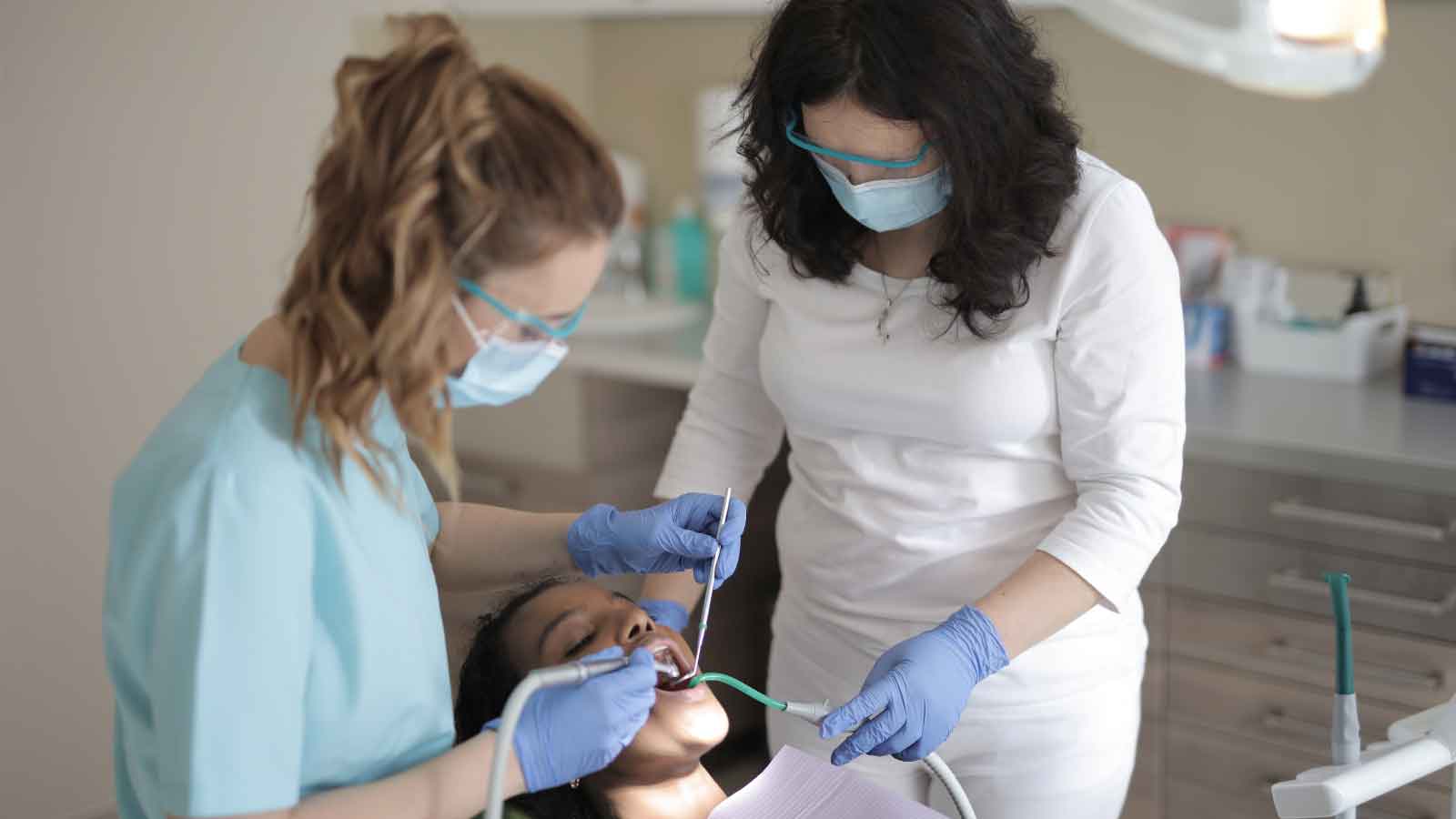
A toothache that lingers, intensifies, or returns after previous treatment is rarely something that resolves on its own. These are the situations endodontists are specifically trained to address, with a clinical focus that goes well beyond what a general dentist typically handles in a routine visit.
For Schaumburg residents, advanced endodontic care is available locally at Renovo Endodontic Studio. Our specialists use 3D cone-beam imaging, operating microscopes, and microsurgical techniques to treat infections, fractures, and damage at the root level to restore function and preserve your tooth without sending you miles for care.
Table of Contents
- What Does an Endodontist Do That a General Dentist Doesn’t?
- Our Specialist Treatments Available Close to Home
- Root Canal Treatment
- Endodontic Retreatment
- Endodontic Surgery
- Cracked Tooth Repair
- Trauma Management
- Regenerative Therapy
- Sedation Dentistry
- Signs You Need to See an Endodontist
- How to Prepare for an Endodontic Treatment
- Call Renovo Endodontic Studio
- FAQs
- Are endodontists more expensive than general dentists?
- What happens 10 years after a root canal?
- What kills the bacteria during a root canal?
- How do I know if my tooth can be saved?
- Does a root canal hurt?
- Do I need a referral to see an endodontist?
- How soon should I be seen for tooth pain?

What Does an Endodontist Do That a General Dentist Doesn’t?
An endodontist is a dental specialist who completes years of additional training after dental school, focused entirely on the inside of the tooth. The pulp, nerves, and root structures are their daily work, which means they handle the cases that a general dentist often refers out.
That focus shows up in a few specific ways:
- Complex Root Canals: Treating curved, narrow, or calcified canals that standard tools struggle to reach.
- Retreatment Cases: Reopening and cleaning teeth where a previous root canal has failed.
- Microsurgery: Performing root-end procedures when infection lingers at the very tip of the root.
- Diagnostic Precision: Using 3D imaging to find hidden canals and fractures that flat X-rays miss.
- Pain Management: Bringing advanced sedation and comfort options to anxious or sensitive patients.
The difference comes down to depth of experience. If you want a fuller picture of why a specialist handles root canal treatment differently, the distinction becomes clear once you see how narrow and deep that training goes.
Our Specialist Treatments Available Close to Home

Root Canal Treatment
Root canal therapy removes infected pulp from inside the tooth, disinfects the canal system, and seals it to stop the pain at its source. The goal is always to keep your natural tooth in place rather than replace it.
Endodontic Retreatment
When a treated tooth develops a new infection or fails to heal fully, retreatment reopens the canals, clears the infection, and reseals them. This second chance often saves a tooth that would otherwise face extraction.
Endodontic Surgery
Some infections sit stubbornly at the root tip and do not respond to standard treatment. A procedure called an apicoectomy removes the tip and the surrounding infected tissue under a microscope, preserving the rest of the tooth.
Cracked Tooth Repair
A cracked tooth can cause sharp pain when you bite, and the damage often runs deeper than it looks. Our specialists assess how far a crack extends and treat it before it threatens the tooth’s survival.
Trauma Management
A knocked-out, loosened, or fractured tooth needs fast, skilled attention. Quick intervention after an injury gives the tooth its best chance of recovery.
Regenerative Therapy
Regenerative endodontics encourages the body to heal damaged pulp tissue, particularly in younger patients whose roots are still developing. It supports natural recovery rather than simply filling the space.
Sedation Dentistry
For patients who feel uneasy in the chair, sedation options bring calm and comfort to the appointment. The level is tailored to your needs, so treatment feels manageable from start to finish.
Signs You Need to See an Endodontist
Not every toothache calls for a specialist, but certain symptoms clearly point to the kind of care an endodontist provides. The common thread is pain or change centered on a single tooth, especially one that has been treated or injured before.
Watch for these specific warning signs:
- Lingering Sensitivity: Pain to hot or cold that stays well after the source is gone.
- Pain When Biting: A sharp jolt in one tooth when you chew or apply pressure.
- Swollen Gums: A tender bump or swelling near the root of a specific tooth.
- Tooth Discoloration: A single tooth darkening compared to those around it.
- A Returning Problem: New pain in a tooth that already had a root canal.
If any of these sound familiar, the issue is unlikely to resolve on its own. The sooner a specialist evaluates the tooth, the more treatment options stay available and the better the odds of keeping it.
How to Prepare for an Endodontic Treatment
A little preparation makes your appointment smoother and helps the specialist work efficiently. Most of it comes down to sharing the right information and showing up ready for a relaxed visit.
Here is what helps before your appointment:
- Bring Your Records: Any referral notes or recent X-rays from your general dentist.
- List Your Medications: A current list, including supplements and blood thinners.
- Note Your Symptoms: When the pain started, what triggers it, and how it has changed.
- Eat Beforehand: A normal meal ahead of time, since you may want to rest the area afterward.
- Plan Your Comfort: Arrange a ride home if you expect to receive sedation.
Knowing what happens at the visit also takes the edge off. Knowing how an endodontic evaluation works before treatment begins gives you a clear sense of the diagnosis and planning that come first, so nothing about the appointment feels like a surprise.
Call Renovo Endodontic Studio

Renovo Endodontic Studio brings specialist endodontic care, advanced imaging, and patient-focused comfort to Schaumburg, all aimed at saving your natural teeth. If you are dealing with tooth pain or have been referred for treatment, our team is ready to help.
Call Renovo Endodontic Studio today at Courtyards on Woodfield Suburban Medical, or book your consultation online.
FAQs
Are endodontists more expensive than general dentists?
Endodontic treatment can cost more than a basic dental visit because it involves specialized training, advanced imaging, and precise techniques. That cost often saves money over time by preserving your natural tooth and avoiding the expense of extraction and replacement. Many insurance plans help cover treatment, and our staff can walk you through your coverage.
What happens 10 years after a root canal?
A well-treated tooth restored with a proper crown can last a decade or much longer, often for life. The key is good daily care and regular checkups, so any issues get caught early. In rare cases where a tooth develops a new infection years later, retreatment can often resolve it.
What kills the bacteria during a root canal?
Treatment combines thorough cleaning of the canal system with disinfecting solutions that reach the spaces a brush never could. Advanced systems use fluid and energy to clean microscopic areas inside the tooth. Once cleaned, the canal is sealed to keep bacteria from returning.
How do I know if my tooth can be saved?
A specialist evaluates the tooth using 3D imaging to see the full root structure and any hidden damage. Many teeth that look hopeless on a flat X-ray turn out to be treatable once seen in detail. The goal is always to preserve the natural tooth whenever possible.
Does a root canal hurt?
Modern root canal treatment is far gentler than its reputation suggests, and most patients compare it to a routine filling. Local anesthesia keeps the area numb, and sedation options are available for added comfort. The procedure relieves the pain you came in with rather than causing it.
Do I need a referral to see an endodontist?
Many patients arrive through a referral from their general dentist, but you do not always need one to book an appointment. If you are in pain or suspect a problem, you can reach out directly. Our team coordinates with your dentist to keep your care connected.
How soon should I be seen for tooth pain?
Persistent or severe tooth pain should be evaluated promptly, as early treatment preserves more of the tooth. Pain associated with swelling or a recent injury warrants prompt attention. Reaching out sooner keeps the most options open for saving the tooth.


