
COMPROMISED TEETH:

COMPROMISED TEETH 3

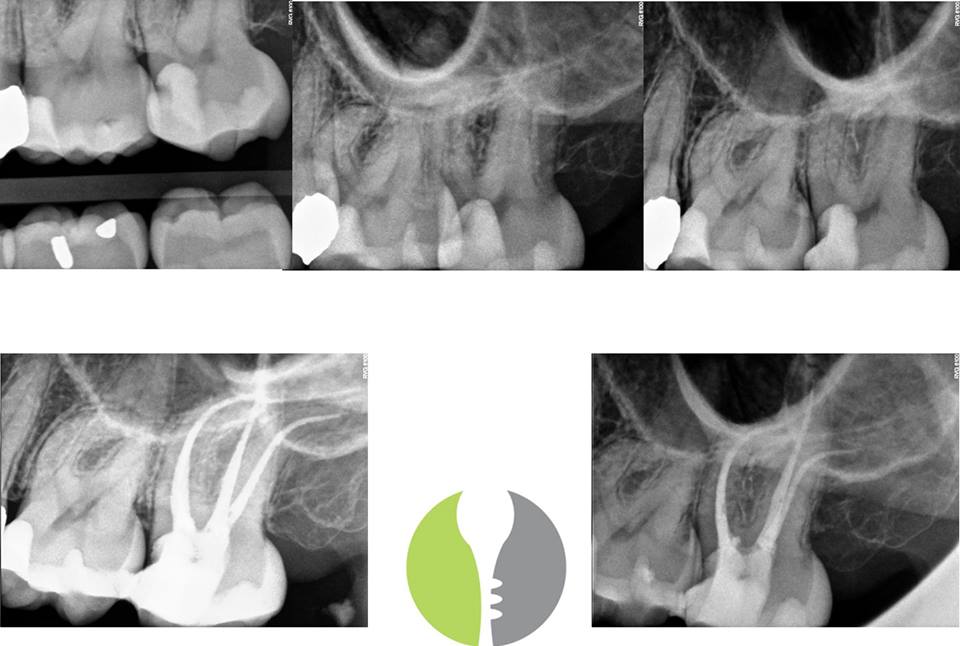
Here is a 79yo healthy female with non-remarkable medical history. She presented with a history of massive palatal swelling due to perforation of the palatal root from attempted retreatment by her dentist. As you can see, a part of the previous casted post remains in the palatal root. We have identified the perforation on 2D imaging and confirmed with CBCT (we area aware of an untreated MB2 canal; however, there is no evidence of periapical pathology and retreatment will not be attempted until we can confirm that we have rectifed the palatal pathology). We have decided to attempt repairing the […]

Read More… from COMPROMISED TEETH 3

MAGNIFICATION:

MAGNIFICATION:

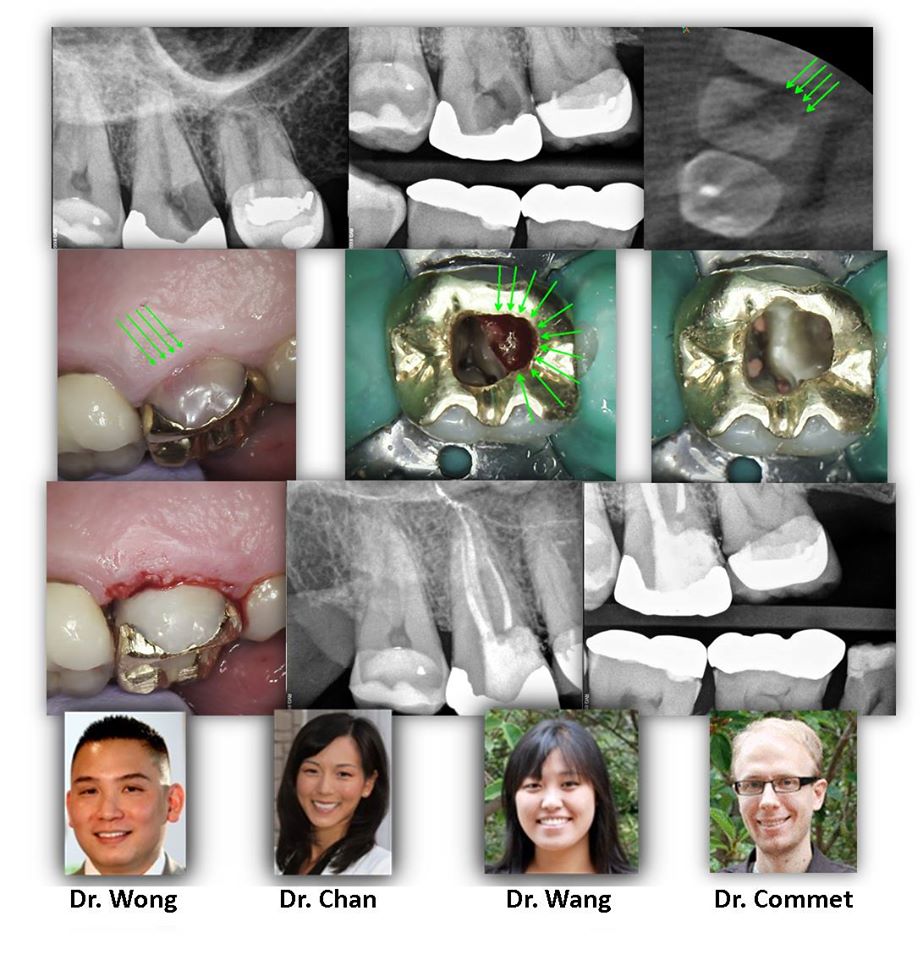
One cannot treat what one cannot see…But if you can see more with assistance from the dental operating microscope, you will be able to make very small access openings into teeth/restorations. Here is a great example: recently placed crown and neither the patient nor referring Dr. were too keen on having the new prosthesis drilled through. Both changed their tune once they saw what we were able to do…this does not happen without enhanced magnification.   […]

Read More… from MAGNIFICATION:

Selective Root Retreatment:

Selective Root Retreatment:

Here is a case where the mesial root of this molar displayed recurrent infection. In the other root, there is a properly placed fiber reinforced post. In order to save tooth and crown structure, the decision was made to treat only the infected root. Of course, this is done with very clear communication between the patient and us that we would be responsible for the tooth should the other root become infected. This way, we are able to keep the access opening through the crown as small as possible.. […]

Read More… from Selective Root Retreatment:

Fractured? Or just compromised?

Fractured? Or just compromised?

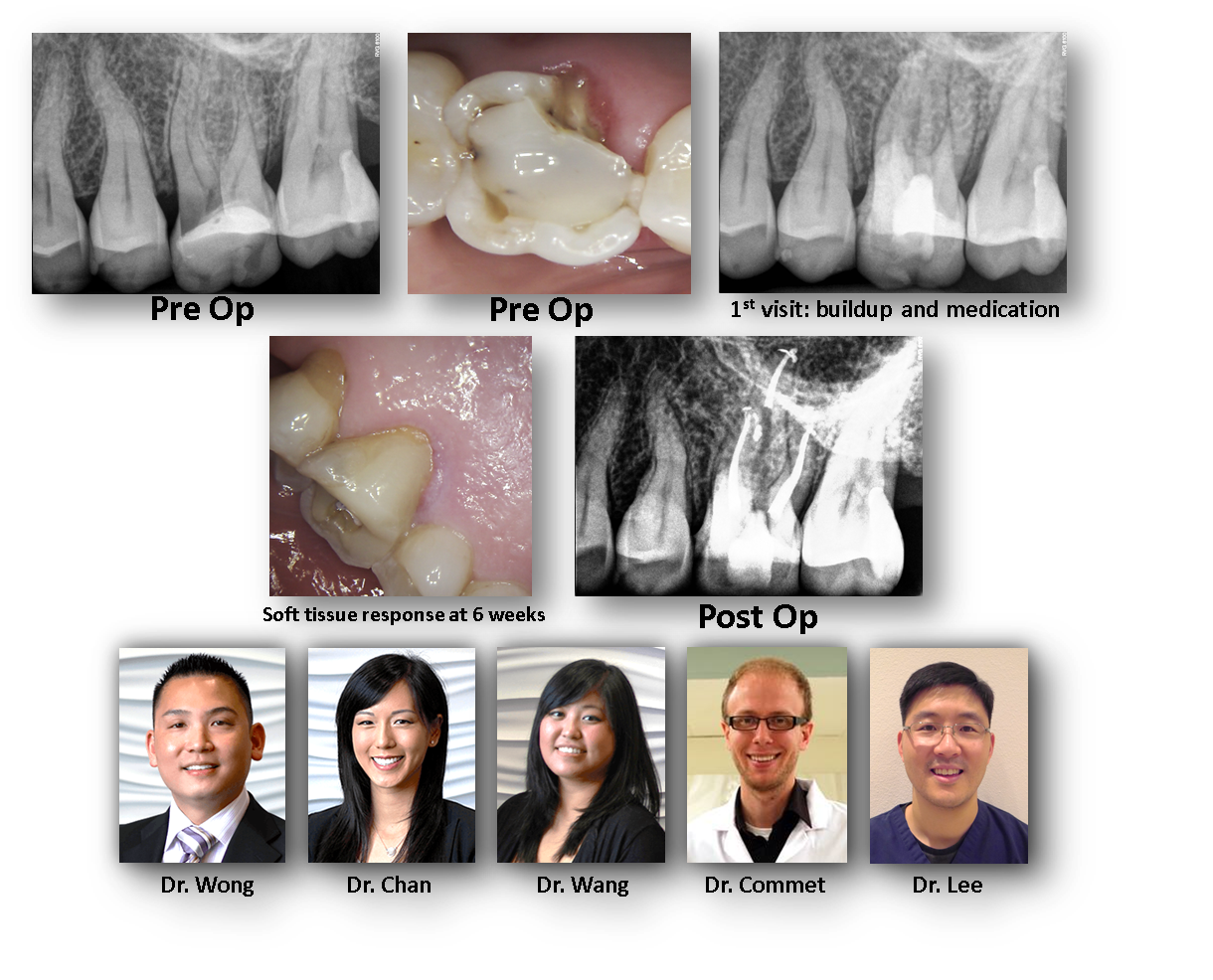
This case was referred to our office for evaluation and expected extraction with eventual dental implant. Radiographically there was a large lesion associated with the mesial root, accompanying deep probing, and large swelling at the gingival margin. This case has several signs that would be consistent with non-restorable fracture. However, we used all available diagnostic tools, including CBCT, and could not definitively identify a fracture that would condemn the tooth to extraction. Therefore, we pursued retreatment with 6 weeks intracanal medicament. At the time of case completion, this patient was completely asymptomatic and the gingival tissue was healthy and firm. […]

Read More… from Fractured? Or just compromised?

TOOTH RESORPTION:

TOOTH RESORPTION:

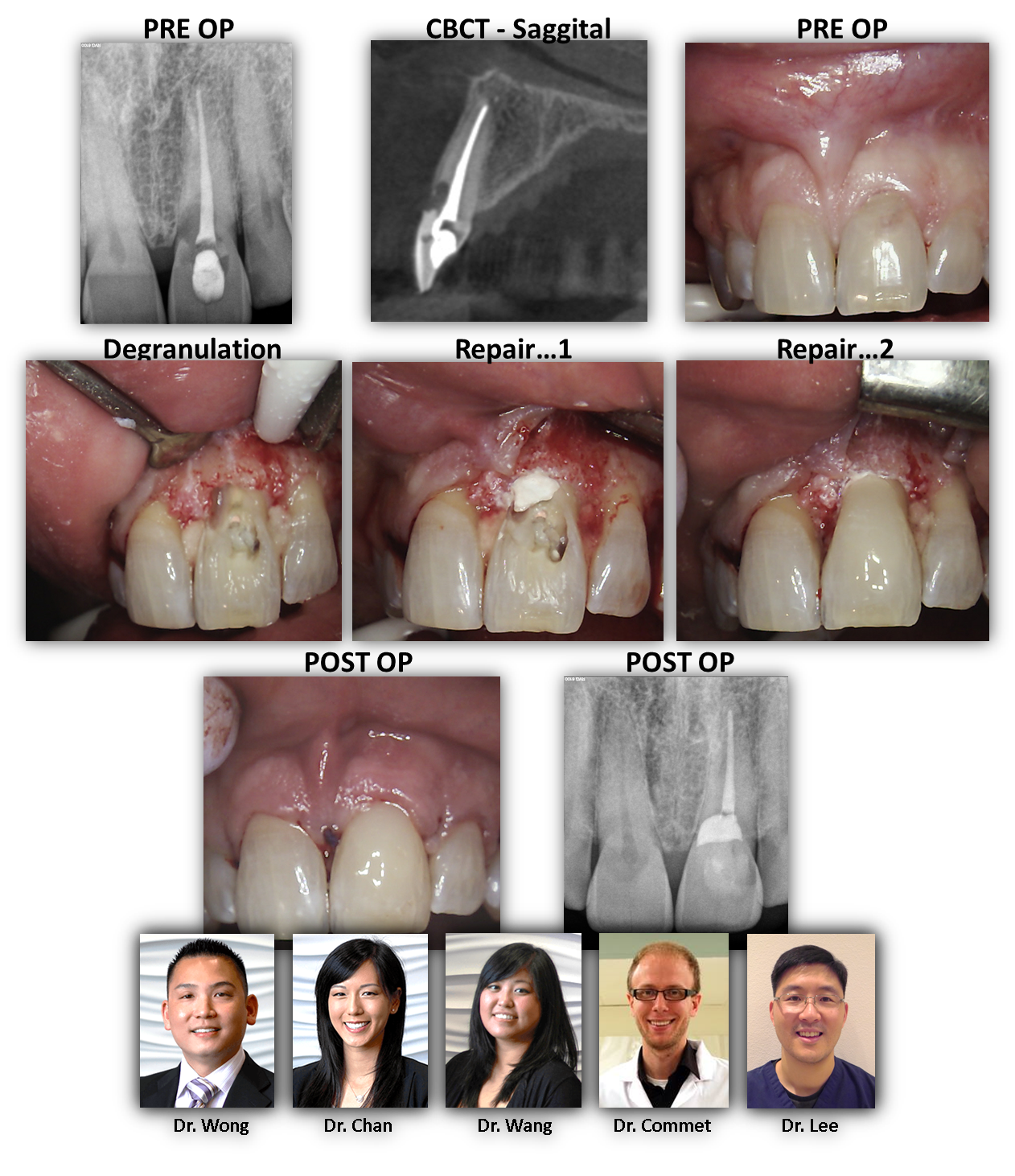
This one is interesting. This patient winds up in our office for a 3rd opinion because the tooth had been condemned for extraction. After careful discussion with both patient and restorative dentist, we were able to identify that the resorption process was still above the level of the bone. Osseous crown lengthening was discussed as a potential requirement for an adequate restoration. We were able to completely degranulate the resorption tissue using the endodontic microscope, treat the area with acid, and repair with defect from within the endodontic access. Additionally, we placed a fiber reinforced post so that the restorative […]

Read More… from TOOTH RESORPTION:

"Modern Endodontic Instruments"

“Modern Endodontic Instruments”

With new heat treated NiTi files, we no longer need straight line access to achieve exceptional outcomes even in severely curved teeth. This is particularly important in cases like this, where the restorative dentist has already received the crown from the lab, and extreme care must be taken to provide as minimal of an access as possible in order to avoid taking new impressions and incurring additional lab expenses to remake the crown. […]

Read More… from “Modern Endodontic Instruments”

Cracked Tooth Syndrome