

Root Canal for an Abscessed Tooth: How the Infection Gets Cleared
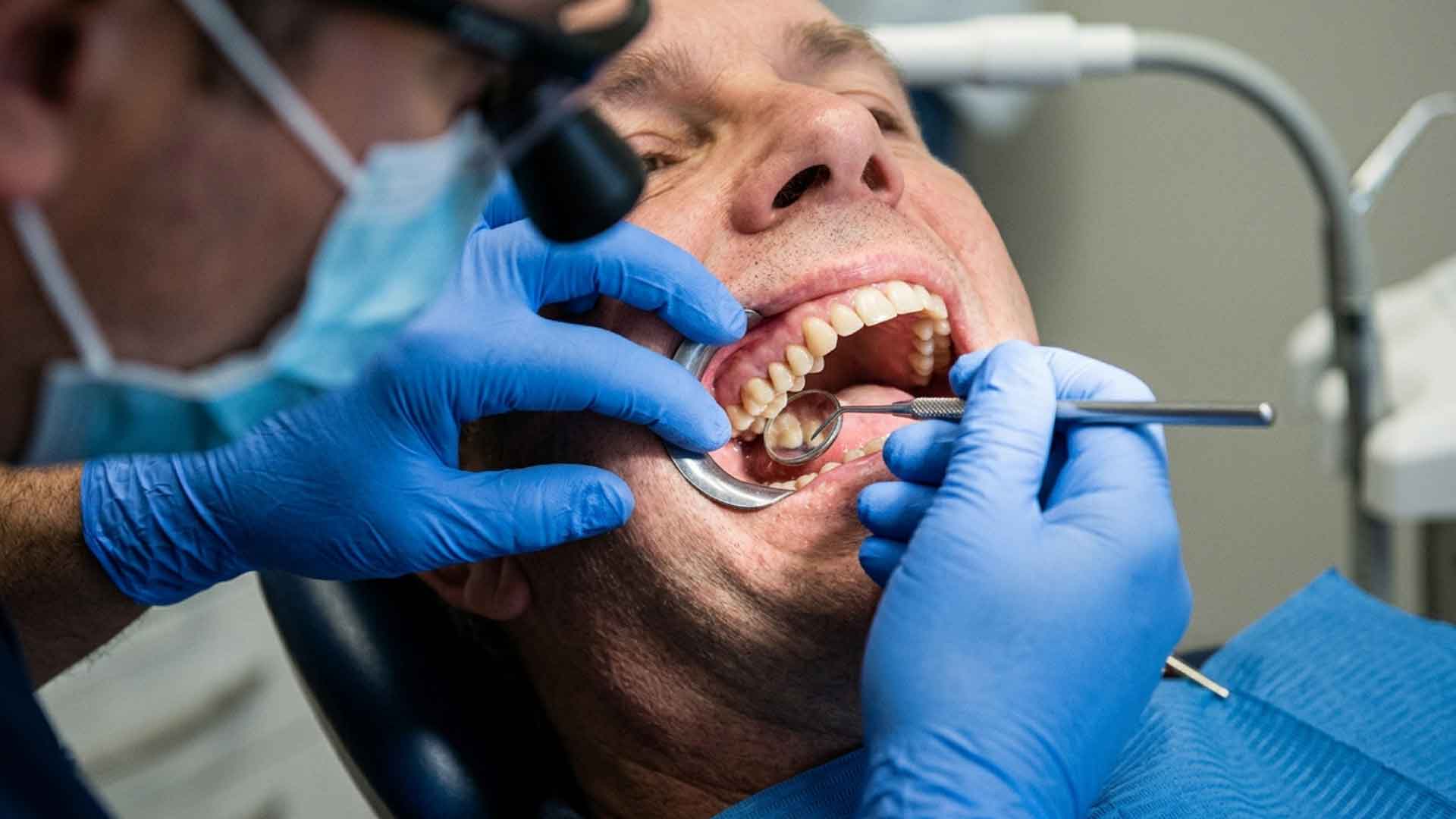
A root canal treats an abscessed tooth by removing the infected pulp, cleaning the inside of the tooth, and sealing the space to help prevent further infection. If you are dealing with swelling, pressure, or intense tooth pain, you may be wondering what happens next and how treatment can help.
At Renovo Endodontic Studio, our endodontic specialists provide advanced care focused on managing infections and preserving natural teeth. During root canal treatment, your endodontist removes the source of the infection while protecting the structure of your tooth.
Table of Contents
- When Should You Seek Treatment for an Abscess?
- What Happens During a Root Canal for an Abscessed Tooth?
- Diagnosing the Infection With Imaging
- Numbing and Preparing Your Tooth
- Removing the Infected Pulp
- Cleaning and Disinfecting the Root Canals
- Sealing and Protecting Your Tooth
- Can Antibiotics Treat a Tooth Abscess?
- When Might Additional Treatment Be Needed?
- When Retreatment May Be Needed
- When an Apicoectomy May Help
- When Extraction Becomes Necessary
- Getting Treated for an Abscessed Tooth at Renovo Endodontic Studio
- FAQs About Root Canals for Abscesses
- Is a root canal the same as a regular filling?
- How much does an emergency root canal cost?
- Does insurance cover root canal treatment for an abscess?
- What should I expect during recovery?
- Can I see a general dentist instead of an endodontist?

When Should You Seek Treatment for an Abscess?
Not every toothache requires emergency care, but certain symptoms may signal that an infection needs prompt attention. If you notice signs of an abscess, contacting a root canal specialist can help you understand your treatment options and protect your tooth.
Common symptoms that may require evaluation include:
- Persistent or worsening tooth pain, especially pain that throbs or affects your sleep
- Swelling around the gums or a small bump near the affected tooth
- Facial swelling, especially if it spreads toward your cheek, jaw, or eye
- Lingering sensitivity to hot or cold temperatures
- Fever, which may indicate the infection is spreading
- Difficulty opening your mouth, which can happen when swelling affects nearby areas
Facial swelling, fever, or difficulty opening your mouth can indicate a more serious infection. These symptoms may require an emergency root canal evaluation instead of waiting for symptoms to improve on their own. Early treatment can help relieve discomfort and improve the chances of saving your natural tooth.
What Happens During a Root Canal for an Abscessed Tooth?
Knowing what to expect can help you feel more comfortable about your root canal treatment. While every case is different, your endodontist follows a careful process to remove infection, relieve discomfort, and protect your natural tooth.
Diagnosing the Infection With Imaging
Your endodontist uses digital X-rays and 3D CBCT (Cone-Beam Computed Tomography) imaging to identify the location and extent of the abscess, evaluate any bone changes around the root tip, and determine whether the infection has spread beyond the tooth. This helps your specialist create a treatment plan based on your specific needs.
Numbing and Preparing Your Tooth
Before treatment begins, your endodontist uses local anesthesia to keep you comfortable. They also place a dental dam around your tooth to keep the area clean and protect it throughout the procedure. Sedation options, including nitrous oxide and oral conscious sedation, are available for patients who experience dental anxiety.
Removing the Infected Pulp
Your endodontist creates a small opening in the tooth to access the infected pulp chamber, where the abscess originates. Using specialized instruments, they remove the necrotic tissue and drain any accumulated pus or fluid, relieving the pressure that has been causing your pain.
This step addresses the source of the infection instead of only managing symptoms like pain or swelling.
Cleaning and Disinfecting the Root Canals
After removing the infected tissue, your endodontist thoroughly irrigates and disinfects each canal to eliminate the bacteria responsible for the abscess. This step is critical for an abscessed tooth because the bacterial load is typically higher than in a non-infected case.
For an abscessed tooth, cleaning the canals also helps release pressure caused by trapped fluid or infection buildup, which may help reduce discomfort.
Sealing and Protecting Your Tooth
Once the infection has been cleared and the canals are fully disinfected, your endodontist fills and seals the space with gutta-percha, a biocompatible material that helps protect the treated area. Your dentist may recommend a crown afterward to restore your tooth’s strength and protect it during everyday chewing.
Can Antibiotics Treat a Tooth Abscess?

Antibiotics may help control bacterial spread, but they cannot reach or remove the infected tissue trapped inside your tooth’s root canal system. Definitive treatment is required to eliminate the source. Your provider may recommend antibiotics alongside treatment when the infection has spread beyond the tooth or when additional support is needed.
When Might Additional Treatment Be Needed?
Most abscessed teeth improve after proper root canal treatment. However, some cases may require additional care based on the condition of your tooth or how the infection responds after treatment.
When Retreatment May Be Needed
If a previously treated tooth develops another infection, your endodontist may recommend a root canal retreatment. This allows your provider to clean the canals again, address any remaining infection, and restore the tooth when possible.
When an Apicoectomy May Help
If infection remains near the root tip after a previous root canal, an apicoectomy may be recommended. This microsurgical procedure removes infected tissue near the root end and seals the area to support healing.
When Extraction Becomes Necessary
In some situations, a tooth cannot be saved because of issues such as severe damage, a vertical fracture, or extensive loss of support around the tooth. If extraction becomes the best option, your provider can discuss replacement options such as dental implants or bridges to help restore function and appearance.
Getting Treated for an Abscessed Tooth at Renovo Endodontic Studio
An abscessed tooth requires timely evaluation to determine the right treatment approach. At Renovo Endodontic Studio, our endodontists use advanced tools, including 3D imaging and operating microscopes, to evaluate complex infections and provide precise endodontic care.
Renovo Endodontic Studio offers urgent evaluation appointments across our locations in Schaumburg, Elgin, Downers Grove, and Rockford. Our online patient portal lets you handle bill pay and access post-operative instructions without a phone call.
If you are experiencing swelling or persistent pain, schedule your evaluation today. Early treatment can address the infection and help preserve your natural tooth. If this is your first visit, our first-time visitor information page can help you prepare.
FAQs About Root Canals for Abscesses
Is a root canal the same as a regular filling?
No. A filling repairs damage on the outer portion of your tooth caused by decay. A root canal treats infection inside the tooth by removing infected pulp from the pulp chamber and root canals, where a filling cannot reach.
How much does an emergency root canal cost?
The cost of an emergency root canal depends on factors such as the location of the tooth and the complexity of your case. Renovo Endodontic Studio accepts most insurance plans and can help review your insurance coverage before treatment begins.
Does insurance cover root canal treatment for an abscess?
Many dental insurance plans provide coverage for endodontic treatment, but benefits vary based on your plan. Renovo’s team can help you understand your options and assist with the insurance process to make treatment easier.
What should I expect during recovery?
You may experience mild soreness after your root canal, but it typically improves within a few days. Some patients also want to know more about the root canal recovery timeline or what counts as normal pain after treatment. Following your post-operative care instructions, including avoiding pressure on the treated tooth and taking recommended medications, can support a smoother recovery.
Can I see a general dentist instead of an endodontist?
A general dentist can perform many root canal procedures, but complex infections, unusual root shapes, or retreatment cases may benefit from care from an endodontist. An endodontic specialist focuses on treating the inside of the tooth and uses advanced technology, including magnification and imaging, to manage challenging cases while helping preserve your natural tooth.


