

Tooth Abscess Symptoms: When a Dental Infection Becomes an Emergency
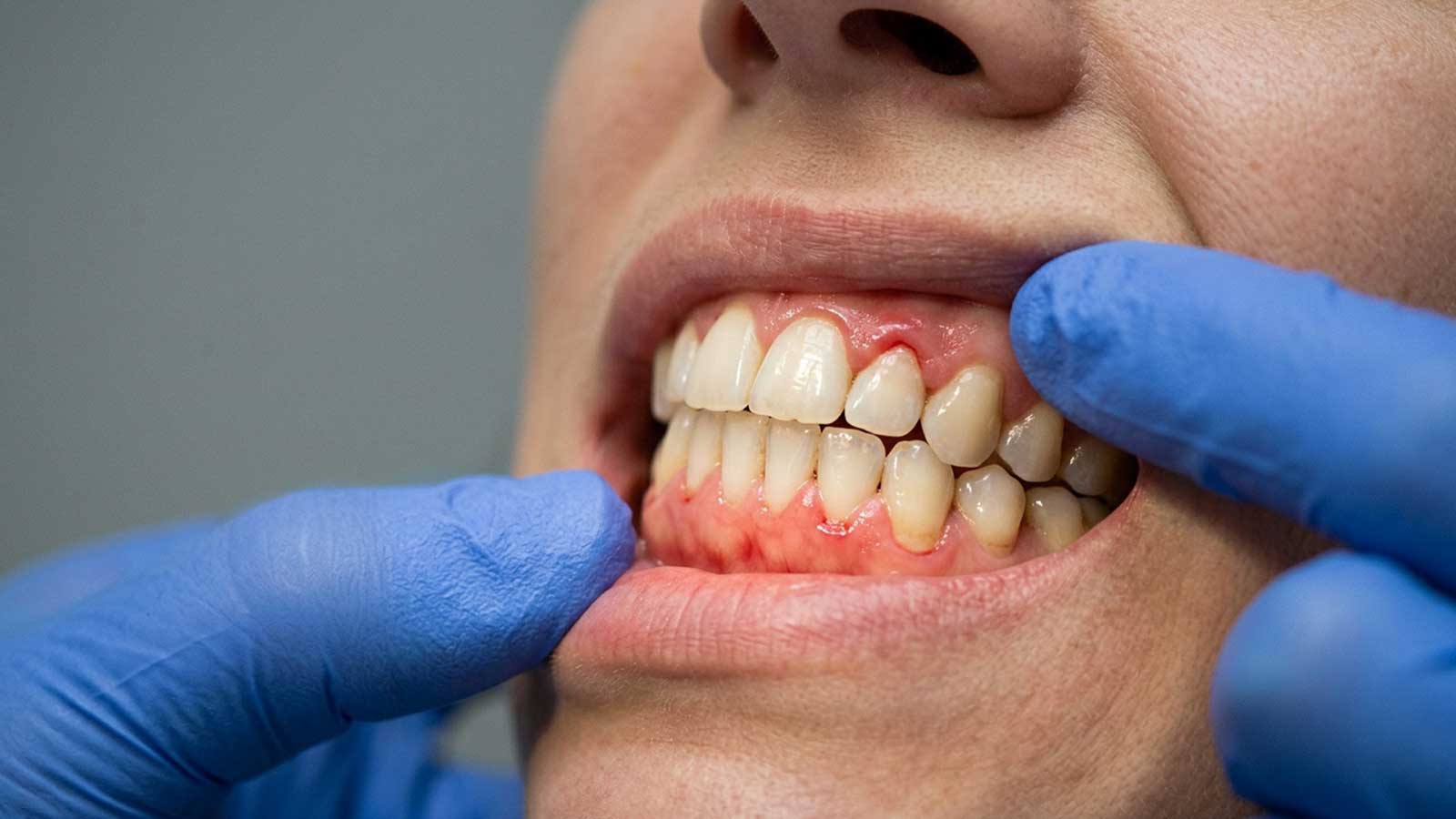
A tooth abscess can become a serious concern when swelling affects your ability to swallow, impacts your airway, or spreads into your cheek, neck, or eye. At that point, you may need more than a routine dental visit. Knowing when an abscess requires urgent attention can help you avoid delays that may put your tooth at greater risk.
Understanding the difference between emergency endodontics and other types of emergency dental care can help you decide what type of treatment you need. If you notice signs of a serious infection, getting the right care at the right time can help prevent the problem from becoming more difficult to treat.
Table of Contents
- What Causes a Tooth Abscess?
- What Are Dangerous Tooth Abscess Symptoms?
- Localized Versus Systemic Warning Signs
- Red Flag Symptoms Requiring Immediate Attention
- Emergency Room or Emergency Endodontist?
- What to Do While You Wait for Care
- How Does Emergency Endodontics Resolve Severe Infections?
- Why Are Antibiotics Not Enough?
- Which Procedures Help Save Natural Teeth?
- When a Tooth Cannot Be Saved
- Get Emergency Endodontic Care at Renovo Endodontic Studio
- Frequently Asked Questions
- Can a tooth abscess heal on its own?
- How do I know if my tooth abscess is an emergency?
- Can I go to work or school with a tooth abscess?
- Will I need antibiotics before or after treatment?
- How long does emergency endodontic treatment take?

What Causes a Tooth Abscess?
A tooth abscess forms when bacteria enter the tooth or surrounding gum tissue and create an infection. This often happens because of an untreated dental issue that allows bacteria to reach deeper areas of the tooth. Common causes of a tooth abscess include:
- Untreated cavities: Decay can spread through the outer layers of the tooth and reach the inner pulp (the soft tissue containing nerves and blood vessels inside the tooth), where bacteria can cause an infection.
- Cracks or fractures: Damage to the tooth can create an opening for bacteria to enter. A cracked tooth may require specialized evaluation to determine the best treatment option. Learn more about the difference between a cracked tooth and a cavity in our guide on cracked tooth vs. cavity.
- Previous dental treatment complications: In some cases, a tooth may develop another infection after previous treatment if bacteria remain inside the root canal system. Learn more about what’s normal in our guide on root canal pain after treatment.
- Gum infections: Bacteria from advanced gum disease can reach the tissues around the tooth root.
What Are Dangerous Tooth Abscess Symptoms?
Some abscesses stay contained to the area around the tooth. Others spread into the nearby tissues of the face, jaw, or neck, and that difference determines how urgently you need care.
You should seek immediate care if you experience trouble breathing, difficulty swallowing, rapidly spreading facial swelling, fever with confusion, or swelling that reaches your eye or neck. These warning signs may indicate that the infection has moved beyond the tooth and requires urgent medical attention.
Localized Versus Systemic Warning Signs
A tooth abscess can cause symptoms around the affected tooth or signs that your body is responding to the infection. Localized symptoms may include:
- Throbbing or persistent tooth pain
- Pain when biting or chewing
- Sensitivity to hot or cold
- Red, swollen, or tender gums
- A pimple-like bump on the gums that may drain fluid
- A bad taste in your mouth from infection drainage
Systemic symptoms affect more than the tooth area. These may include fever, swollen lymph nodes under the jaw, fatigue, or feeling generally unwell.
One symptom that can confuse many patients is when tooth pain suddenly improves. Less pain does not always mean the infection has healed. In some cases, the nerve inside the tooth can die, causing discomfort to decrease while the infection continues around the root. A tooth that feels better after severe pain may still need evaluation from an emergency endodontist.
Red Flag Symptoms Requiring Immediate Attention
Some tooth abscess symptoms require immediate medical attention because they may affect areas beyond the tooth itself. Seek emergency care if you experience:
- Trouble breathing, difficulty swallowing saliva, drooling, a muffled voice, or a feeling that your throat is closing. These signs may indicate airway involvement and should not be waited for a routine appointment.
- Facial swelling that spreads quickly toward your eye, jawline, or neck. Rapid swelling can mean the infection is affecting deeper tissues.
- Fever with chills, confusion, a racing heartbeat, dizziness, or fainting. These symptoms may indicate that your body is having a stronger response to the infection.
- Difficulty opening your mouth. Limited jaw movement can occur when swelling or infection affects the deeper areas around the jaw.
If you experience any of these warning signs, seek emergency medical care right away. For tooth-related symptoms that do not involve these serious signs, an emergency dentist or emergency endodontist can evaluate your condition and recommend the appropriate next steps.
Emergency Room or Emergency Endodontist?

When you have a tooth abscess, the right place to seek care depends on your symptoms and how the infection is affecting your health.
| Seek Emergency Room Care | See an Emergency Endodontist |
| Trouble breathing or swallowing | Severe tooth pain |
| Swelling that spreads toward the eye, neck, or throat | Swelling around the gums or affected tooth |
| Fever with confusion, chills, or feeling seriously unwell | Pain when biting or chewing |
| Difficulty opening your mouth due to severe jaw stiffness | Tooth sensitivity or lingering discomfort |
| Signs that the infection is affecting your overall health | Drainage from the gums or a pimple-like bump near the tooth |
If your symptoms affect your airway or suggest a more serious infection, seek emergency medical care immediately. For tooth-related concerns without these warning signs, emergency endodontics can help identify the cause of the problem and determine the appropriate treatment.
What to Do While You Wait for Care
While waiting for your appointment, a few steps can help manage discomfort:
- Use over-the-counter pain medication if it is safe for you
- Rinse gently with warm salt water
- Avoid very hot, cold, or hard foods that may increase discomfort
- Do not squeeze or puncture the abscess yourself, as this can irritate the area and allow bacteria to move deeper into surrounding tissues
How Does Emergency Endodontics Resolve Severe Infections?
Emergency endodontics focuses on identifying and treating the cause of a severe tooth infection. Your evaluation may include a clinical exam, digital X-rays, and 3D imaging when additional details are needed. These tools help the endodontist identify concerns such as hidden infections, root fractures, unusual canal shapes, or changes around the tooth that may not appear on a standard X-ray.
After evaluating your tooth, the endodontist creates a treatment plan based on your condition. Treatment may involve removing infected tissue from inside the tooth, treating the area around the root, or removing the tooth when saving it is no longer possible.
Sedation options, including nitrous oxide and oral conscious sedation, are available for patients who experience anxiety during treatment. General anesthesia may also be provided by a visiting dental anesthesiologist when appropriate.
Why Are Antibiotics Not Enough?
Antibiotics can help control certain symptoms, such as swelling and fever, but they do not remove the infection inside an affected tooth. When bacteria reach the inner areas of a tooth, treatment must address the damaged tissue and contaminated spaces where bacteria remain.
A tooth abscess usually requires treatment that removes the source of the problem. Root canal therapy, retreatment, or an apicoectomy can help clear the infection and support the health of the tooth. Delaying care may allow bacteria to continue damaging the tooth and surrounding tissues, making treatment more complex.
Which Procedures Help Save Natural Teeth?
Emergency endodontic treatment depends on the condition of your tooth and the extent of the infection.
- Root canal therapy: Removes infected tissue from inside the tooth, cleans the canals, and seals the space to prevent bacteria from returning. Many patients expect root canal treatment to be painful, but it often helps relieve the pressure and discomfort caused by the infection.
- Retreatment: Addresses infections that develop after a previous root canal. The endodontist removes the existing materials, cleans the canal system again, and reseals the tooth when possible.
- Apicoectomy: Treats infection around the tip of the tooth root when traditional root canal therapy or retreatment cannot fully resolve the problem. This microsurgical procedure removes the infected root tip and seals the area.
The right treatment depends on the condition of your tooth and the surrounding structures. Renovo Endodontic Studio focuses on preserving natural teeth while recommending the option that supports your long-term oral health.
When a Tooth Cannot Be Saved
In some cases, preserving the tooth is no longer realistic. Extraction removes a tooth when severe damage from decay, trauma, periodontal disease, or infection makes preservation unrealistic.
When extraction becomes necessary, Renovo Endodontic Studio can help you understand replacement options, including dental implants, bridges, or dentures, so you leave with a clear path forward for restoring your smile.
Get Emergency Endodontic Care at Renovo Endodontic Studio

A tooth infection can become more difficult to treat when care is delayed. Renovo Endodontic Studio provides emergency dental care for patients experiencing tooth abscesses, severe pain, and other urgent endodontic concerns.
Our specialists use advanced diagnostic tools and personalized treatment plans to identify the cause of your symptoms and determine the right next step. If you need root canal therapy, retreatment, or another form of endodontic care, Renovo Endodontic Studio focuses on helping you manage the infection while considering the long-term health of your tooth. Our post-operative care instructions support a smooth recovery after treatment.
For patients who feel nervous about treatment, sedation options and a patient-focused approach can help make the experience more comfortable. Most major PPO and many HMO dental insurance plans are accepted, and the team can discuss coverage details and payment options before your visit.
If this is your first time visiting our practice, our first-time visitor information page can help you know what to expect. You can also review our locations to find the office nearest you.
Schedule an appointment with Renovo Endodontic Studio today for emergency endodontic care and get the evaluation you need for a tooth infection.
Frequently Asked Questions
Can a tooth abscess heal on its own?
No. A tooth abscess does not usually resolve without treatment. The pain may temporarily improve if the abscess drains or the nerve inside the tooth becomes damaged, but the infection can remain and return later.
How do I know if my tooth abscess is an emergency?
Certain symptoms indicate that your abscess requires immediate attention. Seek emergency care if swelling reaches your eye, jaw, or neck, or if you have trouble breathing, swallowing, or opening your mouth. Localized pain or swelling without these symptoms still requires evaluation from an endodontist to prevent the problem from becoming more serious.
Can I go to work or school with a tooth abscess?
It depends on your symptoms. Mild, localized discomfort may not prevent you from following your normal routine, but you should still schedule dental care as soon as possible. If you develop facial swelling, fever, or difficulty swallowing, seek care immediately instead of waiting.
Will I need antibiotics before or after treatment?
Sometimes. An endodontist may prescribe antibiotics when the infection has spread beyond the tooth and affects surrounding tissues or lymph nodes. Antibiotics can support treatment, but they do not remove the infection inside the tooth on their own.
How long does emergency endodontic treatment take?
Most emergency visits for a tooth abscess include an evaluation, imaging, and steps to relieve discomfort during the appointment. The full treatment, such as root canal therapy or an apicoectomy, may be completed the same day or scheduled as a follow-up depending on the complexity of your case.


