

What Is Pulp Capping? The Treatment That Can Prevent a Root Canal
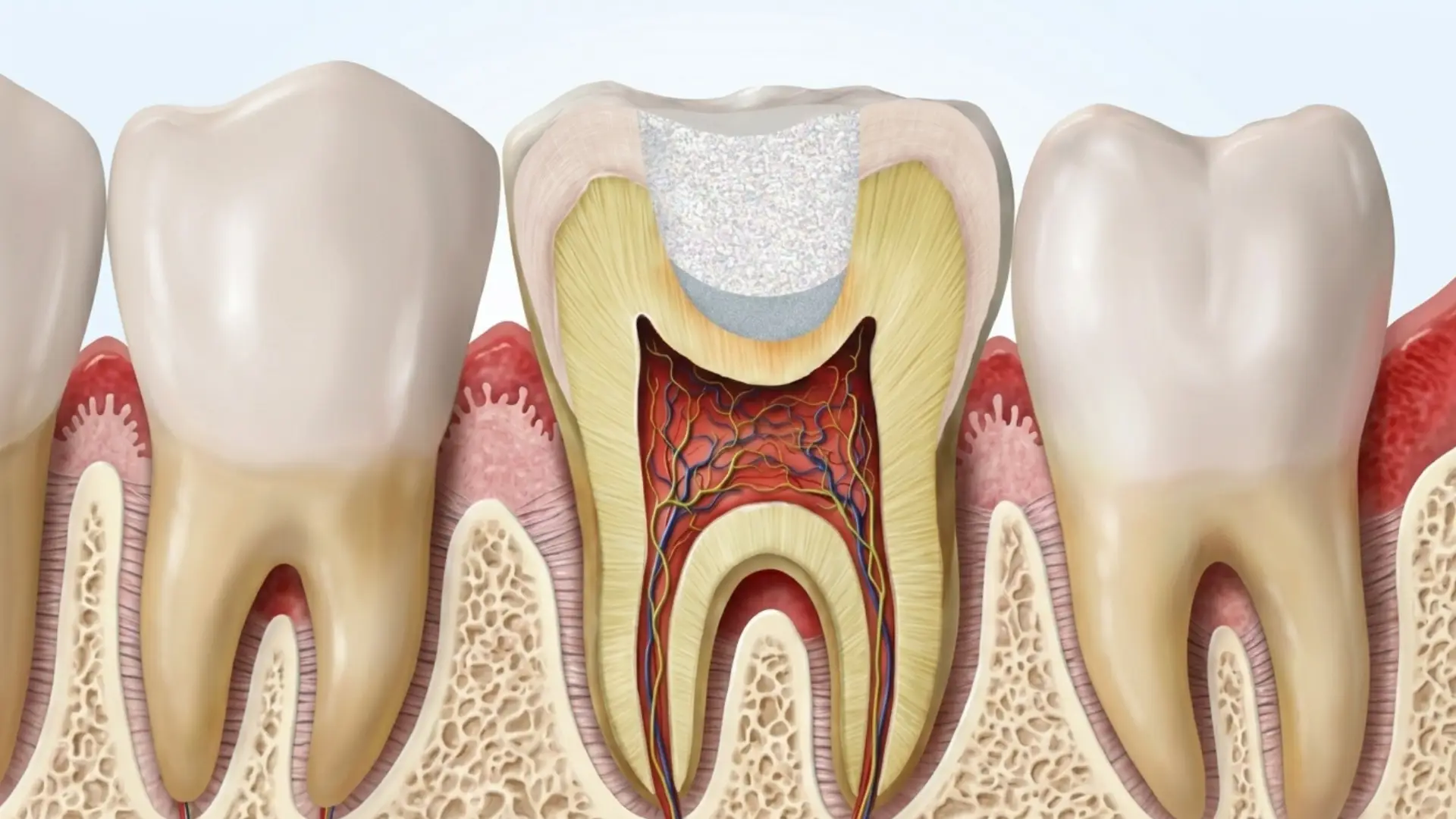
Deep decay does not always mean you need a root canal. When the nerve tissue inside your tooth is still healthy or shows signs it can recover, pulp capping offers a way to protect that tissue and preserve the tooth’s natural vitality.
At Renovo Endodontic Studio, our endodontists across Northern Illinois assess pulp health through clinical testing and 3D imaging to recommend the treatment that gives your tooth the best long-term outcome.
Table of Contents
- What Is Pulp Capping?
- Can Pulp Capping Prevent a Root Canal?
- When Vital Pulp Therapy Can Succeed
- When Root Canal Treatment Is Needed
- How Do Endodontists Determine If Pulp Capping Is Right?
- How Do Direct and Indirect Pulp Capping Methods Compare?
- Indirect Pulp Capping
- Direct Pulp Capping
- Partial Pulpotomy
- Schedule Your Pulp Capping Evaluation at Renovo Endodontic Studio
- Frequently Asked Questions
- Does dental insurance cover pulp capping procedures?
- How long does sensitivity last after pulp capping?
- What foods should you avoid after pulp capping?
- Will a tooth with a pulp cap need a crown?
- What is the difference between a pulp cap and a filling?

What Is Pulp Capping?
Pulp capping is an endodontic treatment that protects the pulp, the living tissue inside your tooth. Instead of removing the pulp, this procedure places a protective material over or near the affected area.
Your tooth’s pulp contains nerves and blood vessels that help maintain its health.
Can Pulp Capping Prevent a Root Canal?
Pulp capping can sometimes help you avoid a root canal, but it depends on whether your tooth’s pulp can recover. If the pulp remains healthy after deep decay, trauma, or accidental exposure, an endodontist may recommend a treatment that protects the living tissue instead of removing it.
Pulp capping is part of vital pulp therapy, which focuses on maintaining healthy pulp when possible. A root canal becomes necessary when the pulp cannot heal.
When Vital Pulp Therapy Can Succeed
Vital pulp therapy works best when your pulp still shows signs of health or the ability to recover. A tooth may be a candidate when you do not have lingering pain, swelling, or signs of infection. If you want more detail on how this approach works, read about vital pulp therapy from a clinical perspective.
Keeping the pulp alive can be especially important for younger patients with developing permanent teeth because healthy pulp supports continued root development. Some mature teeth may also qualify, but your endodontist will determine this based on the health of the pulp and the overall condition of the tooth. For young teeth where the pulp cannot be saved, regenerative therapy may offer another path toward continued root maturation.
When Root Canal Treatment Is Needed
A root canal becomes the better option when the pulp cannot heal or shows signs of disease. Persistent pain, swelling, drainage, infection, uncontrolled bleeding, or changes around the root on dental imaging may indicate that the pulp needs to be removed.
During a root canal, your endodontist removes the damaged pulp, cleans the inside of the tooth, and seals the canal space to protect it from bacteria. Your general dentist may then place a permanent restoration or crown to restore the tooth’s strength.
If a pulp cap does not heal as expected, it does not always mean the tooth must be removed. In many cases, root canal treatment can still help save the tooth if it remains restorable. Following recommended checkups allows your care team to monitor healing and address any changes early, and our post-operative care instructions explain what to watch for at home.
How Do Endodontists Determine If Pulp Capping Is Right?

Your endodontist combines your symptoms, examination results, and imaging findings to understand the condition of your tooth. No single test determines the outcome. Instead, your provider looks at the full picture before recommending pulp capping or another treatment.
Your evaluation may include:
- Reviewing your symptoms: Your pain pattern provides important clues. A quick response to cold that fades may indicate a different issue than pain that lingers, appears without a trigger, or wakes you up at night. Tooth pain when chewing can also point to a cracked tooth.
- Performing pulp tests: Cold testing and electric pulp testing (a test that measures the nerve’s response to a small electrical stimulus) help evaluate how your tooth responds and whether the pulp may still be healthy.
- Using dental imaging: X-rays and 3D imaging help identify changes around the root, signs of infection, and other concerns that may affect treatment decisions.
- Checking the tooth structure: Your endodontist will consider whether your tooth has enough healthy structure to support a long-lasting restoration. A deep fracture, split root, or decay below the gumline may affect whether pulp capping can succeed.
A thorough endodontic diagnosis helps your care team choose the most appropriate treatment based on your tooth’s condition and long-term needs. At Renovo Endodontic Studio, our team uses advanced diagnostic tools and a patient-focused approach to create a treatment plan based on your specific needs.
How Do Direct and Indirect Pulp Capping Methods Compare?
Direct and indirect pulp capping methods address different types of pulp exposure and tooth damage. The main difference comes down to whether the pulp is exposed and how much affected tissue needs attention before the tooth is sealed.
Your endodontist will choose the approach based on the condition of your tooth and the amount of healthy pulp that remains.
Indirect Pulp Capping
Indirect pulp capping is used when decay reaches close to the pulp but has not exposed it. Your dental provider removes the infected decay while preserving a thin layer of healthy dentin (the hard layer beneath your enamel that surrounds the pulp).
Your dental provider then places a protective material over the remaining dentin and seals the tooth with a restoration. This method helps shield the pulp while allowing the tooth to recover.
Direct Pulp Capping
Direct pulp capping is used when a small, clean exposure reaches the pulp. This may happen because of trauma or during the removal of deep decay.
Your endodontist evaluates the exposed pulp, controls any bleeding, then places a biocompatible cement that supports the tooth’s natural healing response over the area before restoring the tooth. Other calcium silicate-based cements are designed to seal and protect exposed pulp in a similar way. A proper seal helps protect the pulp from bacteria and supports the healing process.
Partial Pulpotomy
A partial pulpotomy may be considered when the pulp exposure involves more inflammation than a direct pulp cap can manage. During this procedure, your endodontist removes a small portion of the affected pulp tissue to reach healthier tissue before placing a protective material.
This approach allows your endodontist to address the damaged area while keeping more of the healthy pulp intact.
| Approach | Pulp Condition | What Happens |
|---|---|---|
| Indirect pulp capping | Pulp is not exposed | A thin layer of dentin is preserved, protective material is placed, and the tooth is sealed |
| Direct pulp capping | Small, clean pulp exposure | Bleeding is controlled, protective material is placed directly over the pulp, and the tooth is restored |
| Partial pulpotomy | Exposed pulp with more inflammation | A small amount of affected pulp is removed, then the tooth is protected and sealed |
The right method depends on how exposed the pulp is, the extent of inflammation, and how much healthy tissue remains. Your endodontist can evaluate your tooth and explain which approach best fits your situation.
Schedule Your Pulp Capping Evaluation at Renovo Endodontic Studio

If you have deep decay, a chipped or cracked tooth, swelling, or pain that does not go away, an evaluation can help you understand what is happening and what options are available. Addressing concerns early may help protect more treatment options for your tooth.
At Renovo Endodontic Studio, our team provides advanced endodontic care focused on accurate diagnosis and patient comfort. We use modern technology to evaluate your tooth and help you understand the next step based on your specific condition.
If dental anxiety has kept you from scheduling an appointment, ask our team about sedation therapy options and what you can expect during treatment. We coordinate with referring dentists on complex cases. Our team can help you review your insurance coverage, and you can manage payments between visits with online bill pay.
If you have a tooth that needs a closer evaluation, contact Renovo Endodontic Studio to schedule an evaluation and discuss your care options. You can see our locations in Schaumburg, Elgin, Downers Grove, and Rockford to find the practice closest to you.
Frequently Asked Questions
Does dental insurance cover pulp capping procedures?
Coverage for pulp capping depends on your dental insurance plan and the reason you need the treatment. Before your appointment, check your benefits with your provider or ask our team to help you understand your coverage options. Plans may handle vital pulp therapy differently, so confirming your benefits ahead of time can help you prepare.
How long does sensitivity last after pulp capping?
Some sensitivity after pulp capping can be normal and should gradually improve over time. If your tooth becomes more painful, develops lingering sensitivity to heat or cold, or starts hurting without a trigger, contact your dental provider for an evaluation.
What foods should you avoid after pulp capping?
Avoid chewing hard, sticky, or crunchy foods on the treated tooth until your permanent restoration is placed. A temporary filling may not provide the same protection as a final restoration, and putting too much pressure on the tooth can affect the seal.
Will a tooth with a pulp cap need a crown?
It depends on how much healthy tooth structure remains after treatment. If your tooth has lost a significant amount of structure, your dentist may recommend a crown to help protect it from cracking. Teeth with smaller areas of damage may only need a filling or another type of restoration.
What is the difference between a pulp cap and a filling?
A filling restores the shape and function of your tooth after decay or damage. A pulp cap protects the pulp when the damaged area reaches close to or directly affects the nerve tissue. In some cases, your tooth may need both treatments to provide proper protection and restore normal function.


