

Root Canal Tooth Pain Months or Years Later: Causes and What to Do

Pain that returns months or years after a root canal can be concerning, especially when your tooth felt completely healed. A treated tooth can develop problems later if bacteria enter again through a damaged restoration, a hidden canal, or a crack that affects the root.
At Renovo Endodontic Studio, our specialists approach recurring tooth pain as a diagnostic question that requires a definitive answer. Our specialized endodontic services focus on identifying the source of your discomfort so you can understand your options, whether that involves monitoring, retreatment, or another treatment approach.
Table of Contents
- What Causes Tooth Pain Years After a Root Canal?
- A Leaking Crown or Filling
- A Missed Canal or Complex Anatomy
- A Crack or Root Fracture
- Lingering Inflammation or Another Pain Source
- How Is Delayed Root Canal Pain Treated?
- Non-Surgical Retreatment Options
- Apicoectomy and Root End Surgery
- When a Tooth Cannot Be Saved
- What Warning Signs Require Urgent Endodontic Attention?
- Schedule Your Root Canal Pain Evaluation With Renovo Endodontic Studio
- Frequently Asked Questions
- Why does a root canal tooth hurt when chewing?
- Can a sinus infection cause pain in a treated upper tooth?
- How long should mild tenderness last after root canal therapy?
- Will antibiotics permanently resolve delayed root canal pain?
- Can a root canal fail after 10 years?
- Is it normal for a root canal to hurt years later?

What Causes Tooth Pain Years After a Root Canal?
Your tooth may feel completely normal after root canal treatment and then become uncomfortable months or years later. Although the inside of the tooth no longer contains living pulp (the soft tissue containing nerves and blood vessels), the tissues surrounding the root can still become irritated or infected if the tooth’s protective seal is compromised.
Delayed discomfort does not always mean your tooth needs to be removed. In many cases, your tooth can still be preserved with the right treatment approach, depending on the condition of the tooth and the surrounding tissues.
Common causes of delayed tooth pain after a root canal include:
A Leaking Crown or Filling
Your crown or filling does more than restore the appearance of your tooth. It creates a protective seal that helps prevent bacteria from entering the treated root canal system. Over time, that seal can weaken because of:
- Cracks or damage in the crown.
- Loose or worn restorations.
- New decay forming around the filling or crown.
- A temporary restoration that remains in place too long.
When bacteria enter through a damaged restoration, the tooth may develop new inflammation or infection. If the root canal itself remains healthy, repairing or replacing the restoration may resolve the issue without additional endodontic treatment.
That is why your tooth needs a proper evaluation before deciding on retreatment. A damaged restoration, rather than the root canal itself, may be the source of the problem.
A Missed Canal or Complex Anatomy
Some teeth have narrow, curved, or hidden canals that make treatment more complex. If a canal is difficult to locate or clean during the original procedure, bacteria can remain inside the tooth and cause problems later.
Advanced imaging, including 3D imaging, may help identify areas that traditional X-rays cannot clearly show. If a missed canal is identified, retreatment may allow your endodontist to address the untreated area.
A Crack or Root Fracture
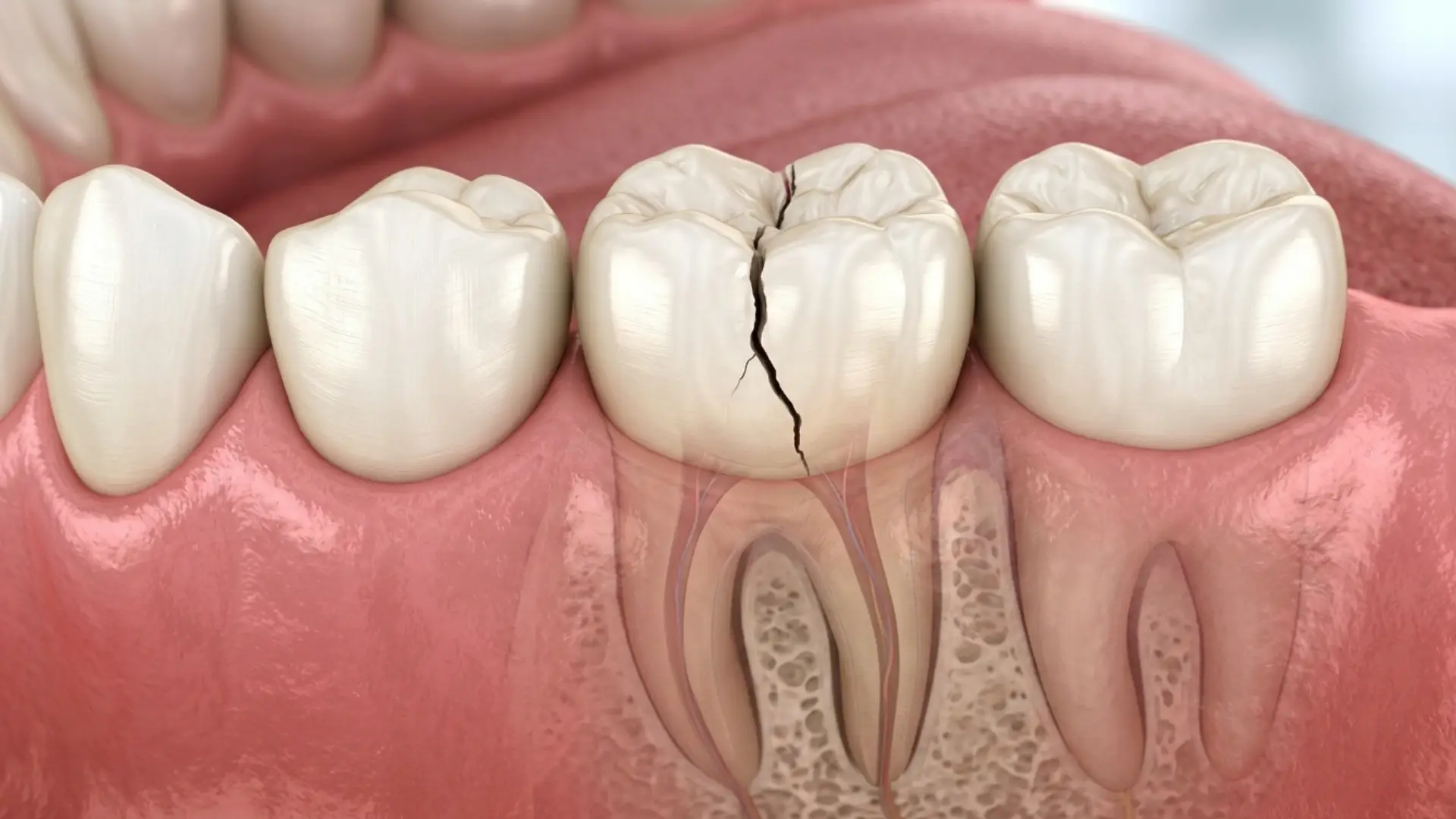
A crack or fracture can create discomfort in a previously treated tooth, but symptoms alone do not always confirm the problem. Pain when biting down, pain when releasing your bite, recurring swelling, or a small gum pocket near one tooth may point to structural damage.
The location and severity of the crack play an important role in determining your treatment options. A crack near the crown of the tooth may affect the tooth differently than a fracture that extends deeper toward the root.
Lingering Inflammation or Another Pain Source
Not all discomfort after a root canal comes from the treated tooth itself. Inflammation near the root tip, known as apical periodontitis, can sometimes remain after treatment and may cause tenderness, swelling, or drainage.
Pain can also come from another source, including:
- A nearby tooth with decay or a crack.
- Sinus pressure affecting upper teeth.
- Jaw clenching or grinding.
How Is Delayed Root Canal Pain Treated?
Once the cause of your pain is identified, your endodontist can recommend the treatment approach best suited to your tooth.
Non-Surgical Retreatment Options
Non-surgical retreatment addresses problems inside the root canal system while keeping the existing tooth structure whenever possible. This treatment involves reopening the tooth, removing previous root canal filling material, cleaning the canals again, and sealing the tooth to reduce the risk of reinfection.
Non-surgical retreatment may be recommended when the canal system requires additional cleaning and disinfection. During retreatment, an endodontist may use advanced tools and techniques, including:
- Dental magnification: Helps identify small details inside the tooth and locate complex canal structures.
- Rubber dam isolation: Keeps the treatment area clean and protected during the procedure.
- 3D imaging: Provides detailed views of the tooth and surrounding structures that traditional X-rays may not show.
After retreatment, your tooth will still need a strong final restoration, such as a crown or filling, to protect it long-term. Your endodontist can also work with your general dentist to coordinate the next steps in your care.
Learn more about when this approach may help by reading what to do when a root canal fails.
Apicoectomy and Root End Surgery
An apicoectomy, also called root end surgery, treats infection or inflammation near the root tip when non-surgical retreatment may not be the best option. An endodontist may recommend this approach if the tooth has already received retreatment or if accessing the canal through the crown is not practical.
During an apicoectomy, the endodontist:
- Accesses the root tip through a small opening in the gum.
- Removes infected tissue around the root.
- Removes the affected portion of the root tip.
- Seals the end of the root to help prevent further infection.
An apicoectomy offers another option when infection remains near the root tip after other treatment approaches. It is not the right solution for every case, so your endodontist will evaluate the condition of your tooth, surrounding bone, and source of the problem before recommending treatment.
If you are comparing your options, learn more about apicoectomy versus root canal retreatment.
When a Tooth Cannot Be Saved
Retreatment and apicoectomy preserve many teeth, but some situations make extraction the more suitable option. Your endodontist may recommend extraction when:
- A vertical root fracture extends through the root structure and cannot be repaired.
- The tooth lacks enough remaining structure to support a functional restoration.
- The tooth has already failed retreatment or apicoectomy more than once.
If your endodontist determines that saving the tooth is not a realistic option, Renovo Endodontic Studio can discuss replacement options, including dental implants, to help restore function and appearance after extraction.
What Warning Signs Require Urgent Endodontic Attention?
You may notice mild discomfort after a root canal, but certain symptoms deserve prompt attention. Pain that returns after weeks or months of feeling normal, discomfort when biting, or symptoms that gradually worsen can signal that your tooth needs another evaluation.
Contact an endodontist if you notice:
- Tooth pain that returns or increases over time.
- Pain when chewing or biting down.
- Swollen gums or a small bump near the treated tooth.
- Drainage, a bad taste, or signs of infection.
- A cracked tooth or damaged crown or filling.
Some symptoms require urgent care and should not wait for a routine appointment. Seek an emergency root canal evaluation if you experience:
- Facial swelling or swelling near the eye.
- Fever along with tooth pain or swelling.
- Rapidly worsening pain.
- Difficulty swallowing or breathing.
- Trouble opening your mouth.
Treatment that addresses the source inside the tooth is necessary; antibiotics alone cannot resolve the problem. Delaying care can allow the issue to become more difficult to treat.
If your treated tooth starts causing new symptoms, an endodontist can help identify the cause and recommend the right next step.
Schedule Your Root Canal Pain Evaluation With Renovo Endodontic Studio
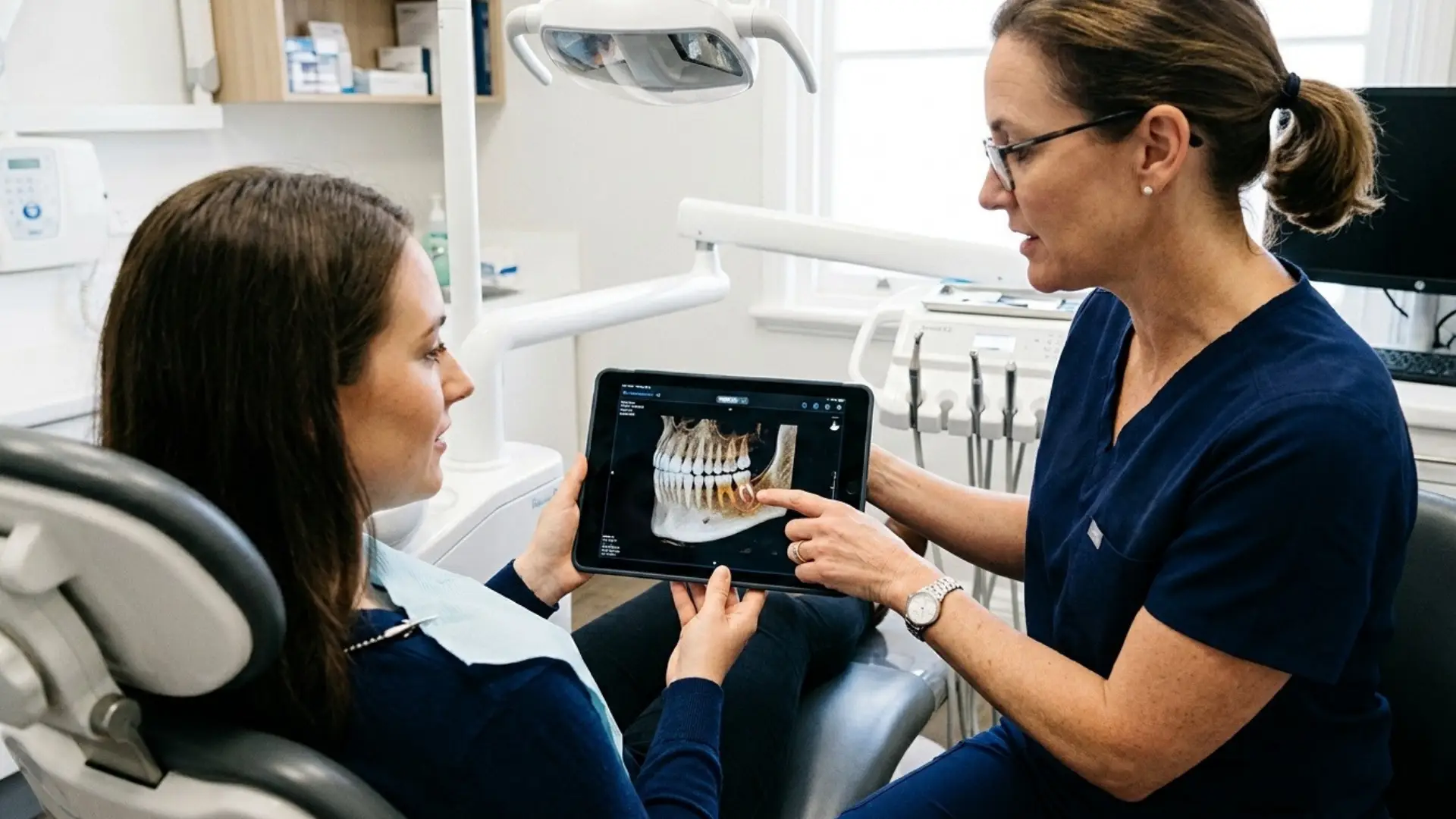
If your treated tooth starts hurting again, the next step is finding the cause. Rather than speculating about the cause, a thorough evaluation can identify the source of your pain and determine the right treatment approach for your specific situation.
At Renovo Endodontic Studio, we begin with a thorough evaluation that includes reviewing your symptoms, examining the tooth, and using advanced imaging when needed. After identifying the source of the problem, we can discuss options such as retreatment, microsurgery, or other care designed to address your specific needs.
Renovo Endodontic Studio also works with referring dentists to coordinate care and support your long-term oral health. Details about insurance and post-treatment instructions are available through our office once your visit is scheduled.
If your pain is severe, getting worse, or comes with swelling, contact us for a professional evaluation instead of waiting for the symptoms to resolve without intervention.
Frequently Asked Questions
Why does a root canal tooth hurt when chewing?
Pain when chewing after a root canal can happen for several reasons. A bite that feels uneven, inflammation around the root, or a crack in the tooth can all create discomfort when pressure is applied. An evaluation that includes bite testing, clinical exams, and imaging can help determine the cause of your pain and guide the right treatment approach.
Can a sinus infection cause pain in a treated upper tooth?
Yes. Your upper back teeth sit close to your sinus cavity, so sinus pressure or infection can sometimes feel like tooth pain. If your dental evaluation does not show a problem with the treated tooth, your symptoms may come from your sinuses, especially if the discomfort appears with congestion, allergies, or cold symptoms.
How long should mild tenderness last after root canal therapy?
Mild tenderness after root canal therapy should gradually improve as your tooth heals. The recovery timeline can vary depending on the tooth and the amount of inflammation before treatment. If your discomfort stays the same, returns after improving, or becomes worse over time, schedule an evaluation to determine what is causing the symptoms.
Will antibiotics permanently resolve delayed root canal pain?
No. Antibiotics alone cannot treat the source of an infected tooth. They do not remove bacteria inside the root canal system or repair issues like a damaged restoration. In some cases, an endodontist may recommend antibiotics along with the appropriate treatment. However, addressing the cause of the problem is necessary for long-term care.
Can a root canal fail after 10 years?
Yes. A root canal that has remained healthy for a decade or longer can still develop new problems. A damaged restoration, an undetected crack, or bacteria reaching the canal system can cause failure years after the original treatment. An evaluation can determine what is causing your specific symptoms and whether the tooth can be treated again.
Is it normal for a root canal to hurt years later?
No. A properly treated tooth should not cause ongoing pain years after treatment. New discomfort in a previously treated tooth usually points to an identifiable cause, such as a leaking restoration, a missed canal, or a crack. Schedule an evaluation if pain develops or returns.


