

Endodontic Services in Downers Grove: What Patients Should Know
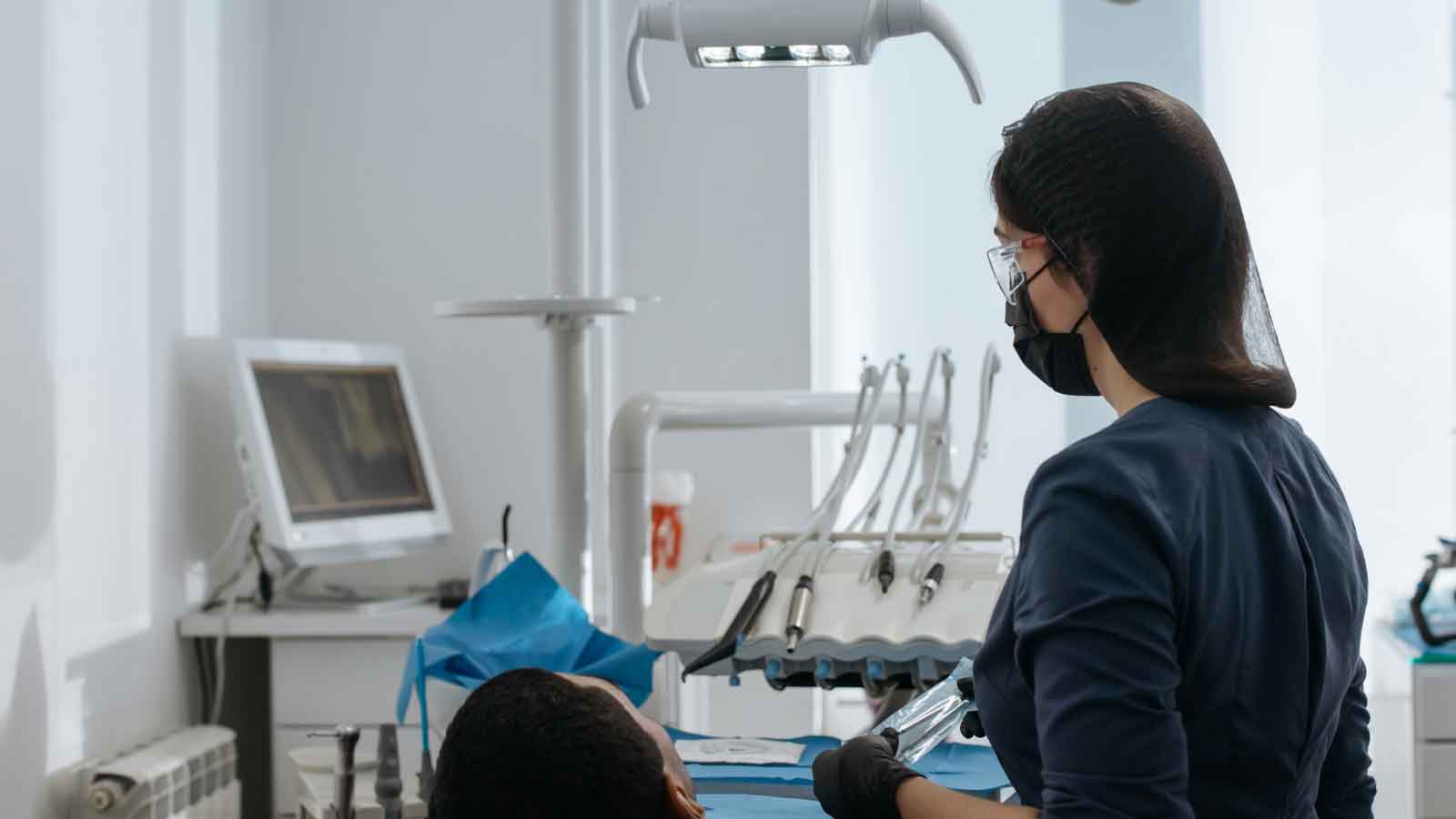
Few experiences disrupt daily life as completely as persistent tooth pain. When the discomfort reaches deep into the tooth or your general dentist confirms that the problem lies within the inner pulp, the next question is usually the same: who is actually qualified to fix this?
Endodontists are the specialists who handle exactly these cases. Their training goes years beyond dental school, focused entirely on diagnosing and treating conditions inside the tooth that general dentistry is not equipped to resolve. For patients in Downers Grove, Renovo Endodontic Studio offers that level of specialist care locally, with every procedure backed by 3D diagnostic imaging, operating microscopes, and a team whose sole focus is preserving natural teeth.
Table of Contents
- What is Endodontics?
- Endodontic Services Our Specialist Provides
- Root Canal Treatment
- Endodontic Retreatment
- Endodontic Surgery
- Trauma Management
- Regenerative Therapy
- Dental Implants
- Dental Extractions
- What to Expect at Your Appointment
- How to Choose an Endodontist in Downers Grove
- Schedule Your Visit
- FAQs
- What is the meaning of endodontic services?
- What services do endodontists perform?
- What is the most feared dental procedure?
- What is the most painful dental problem?
- How long does recovery take after a root canal?
- Will I need a crown after my root canal?
- Is saving my tooth better than getting an implant?

What is Endodontics?
Endodontics is the branch of dentistry focused on the soft tissue inside your tooth, known as the pulp. When the inner tissue becomes infected, inflamed, or damaged, an endodontist steps in to treat it and preserve the natural tooth rather than removing it.
Endodontic care covers a specific set of problems that general checkups rarely solve. Here is what the work typically addresses:
- Infected Pulp: Bacteria that reach the nerve and cause throbbing, persistent pain.
- Deep Decay: Cavities that extend past the enamel into the living core of the tooth.
- Cracked or Injured Teeth: Trauma that exposes or threatens the inner pulp.
- Failed Past Treatment: Old root canals that develop new infection over time.
- Abscess Formation: Pockets of infection at the root tip that need to be cleared.
The goal behind all of it stays the same. Specialists work to remove infection and rebuild long-term health, which is the core reason an endodontist can often save a tooth that looks beyond repair. Saving your own tooth protects your bite, your bone, and your comfort for years to come.
Endodontic Services Our Specialist Provides

Root Canal Treatment
Root canal treatment removes the infected nerve tissue, cleans and shapes the canal system, and then seals the space to stop bacteria from returning. The procedure resolves deep tooth pain at its source and saves a tooth that would otherwise require extraction, making it one of the most quietly effective procedures in modern dentistry.
Endodontic Retreatment
When a previously treated tooth develops renewed infection or fails to heal completely, retreatment reopens the canals, addresses what the original procedure left behind, and reseals the system to restore long-term function. It is often what stands between saving the natural tooth and losing it altogether.
Endodontic Surgery
Some infections settle deep at the root tip and resist non-surgical treatment. An apicoectomy (surgical removal of the root tip) addresses the source directly under microscope guidance, removing the affected tissue while preserving the rest of the natural tooth above it.
Trauma Management
A cracked, fractured, or knocked-out tooth is a time-sensitive emergency. Our specialists stabilize the injury quickly, reduce the risk of infection, and build a treatment plan focused on giving the tooth the strongest possible chance of long-term recovery.
Regenerative Therapy
Some of the most promising work in modern endodontics involves helping a damaged tooth heal itself. Regenerative therapy uses the body’s own biological response to repair pulp tissue, an approach that has become especially valuable for younger patients whose roots are still developing. Vital pulp therapy is one of these treatments, preserving living pulp before inflammation reaches the point of no return.
Dental Implants
When a tooth cannot be preserved, a dental implant provides a permanent replacement that restores both function and appearance. Our specialists coordinate implant planning alongside extraction and bone preservation so the path from removal to restoration feels seamless rather than fragmented.
Dental Extractions
When preservation is no longer a viable option, the next priority is protecting everything around the tooth. Our specialists perform each extraction with careful attention to the surrounding bone and soft tissue, planning the procedure so that future replacement options remain fully accessible.
What to Expect at Your Appointment
Most patients picture endodontic services as something to dread, but modern endodontic care feels closer to a routine filling. Your visit starts with a conversation about your symptoms and a close look at the tooth using detailed imaging.
A typical appointment moves through a few clear stages, and knowing them ahead of time tends to ease any worry:
- Diagnosis and Imaging: Digital scans and 3D imaging map the inside of the tooth before any treatment begins.
- Local Anesthesia: Targeted numbing keeps the area comfortable, so you feel pressure at most, not pain.
- Isolation: A thin dental dam keeps the tooth clean and dry throughout the procedure.
- Treatment: The specialist clears the infection, then cleans and shapes the canal with precision tools.
- Sealing: The cleaned space is filled and sealed tightly to prevent future bacterial growth.
Once treatment wraps up, you head home the same day with simple aftercare instructions. Mild tenderness for a day or two is normal and usually settles with over-the-counter pain relief.
How to Choose an Endodontist in Downers Grove
Selecting the right endodontist directly influences both your comfort during treatment and the long-term durability of the result. The strongest providers focus exclusively on endodontic cases, work with diagnostic and surgical technology that reflects current clinical standards, and communicate clearly at every stage of the process.
A few markers separate a strong endodontic practice from a general option, and they are worth checking before you book:
- Specialist Focus: A practice devoted to endodontics, not general dentistry on the side.
- Advanced Technology: CBCT imaging and surgical microscopes that improve accuracy.
- Comfort Options: Sedation choices for patients who feel anxious about treatment.
- Clear Communication: A team that walks you through diagnosis, options, and cost.
- Strong Reputation: Patient reviews and dentist referrals that reflect consistent care.
There is also a real benefit to choosing a specialist over a general dentist for complex cases, and understanding why a root canal is often best handled by an endodontist can help you feel confident in your decision. The right fit should leave you informed, not pressured.
Schedule Your Visit

If persistent tooth pain or a recent referral from your general dentist has you searching “endodontist in Downers Grove”, the team at Renovo Endodontic Studio is prepared to help you preserve your natural smile. Contact our Downers Grove practice at (630) 984-4544 to schedule your consultation. We are located at 3000 Woodcreek Drive, Suite 130, Downers Grove, IL 60515.
FAQs
What is the meaning of endodontic services?
Endodontic services treat the inside of the tooth, specifically the pulp and the root canal system. These procedures focus on removing infection, relieving pain, and saving the natural tooth whenever possible. Root canal treatment is the most common example, though the field also covers retreatment, surgery, and trauma care.
What services do endodontists perform?
Endodontists perform root canal treatment, retreatment of failed root canals, and surgical procedures such as apicoectomy. They also provide vital pulp therapy, regenerative care, trauma management, and extractions when a tooth cannot be saved. Their training focuses specifically on the inner structures of the tooth.
What is the most feared dental procedure?
The root canal carries a reputation as the most feared procedure, mostly due to outdated ideas about pain. Today, with strong local anesthesia and refined techniques, the experience is comparable to having a routine filling placed. Most patients are surprised by how comfortable it actually is.
What is the most painful dental problem?
An infected or abscessed tooth tends to cause some of the most intense dental pain people experience. The pressure from infection inside a confined space can throb constantly and disrupt sleep. Endodontic treatment relieves that pain by removing the source rather than masking it.
How long does recovery take after a root canal?
Most people feel back to normal within a few days of treatment. Mild soreness around the tooth is common and usually responds well to over-the-counter pain relievers. Any swelling or discomfort that worsens after the first few days is worth a quick call to your specialist.
Will I need a crown after my root canal?
Back teeth often need a permanent crown after a root canal to restore full strength and prevent fracture. Your general dentist usually places this crown once the treated tooth has settled. Front teeth sometimes need only a filling, depending on how much structure remains.
Is saving my tooth better than getting an implant?
Keeping your natural tooth is usually the preferred option when treatment is possible. A saved tooth maintains your natural bite, supports surrounding bone, and tends to cost less than an extraction followed by an implant. A specialist can tell you whether your tooth is a good candidate.


