

What Is Vital Pulp Therapy and How Does It Save Teeth?
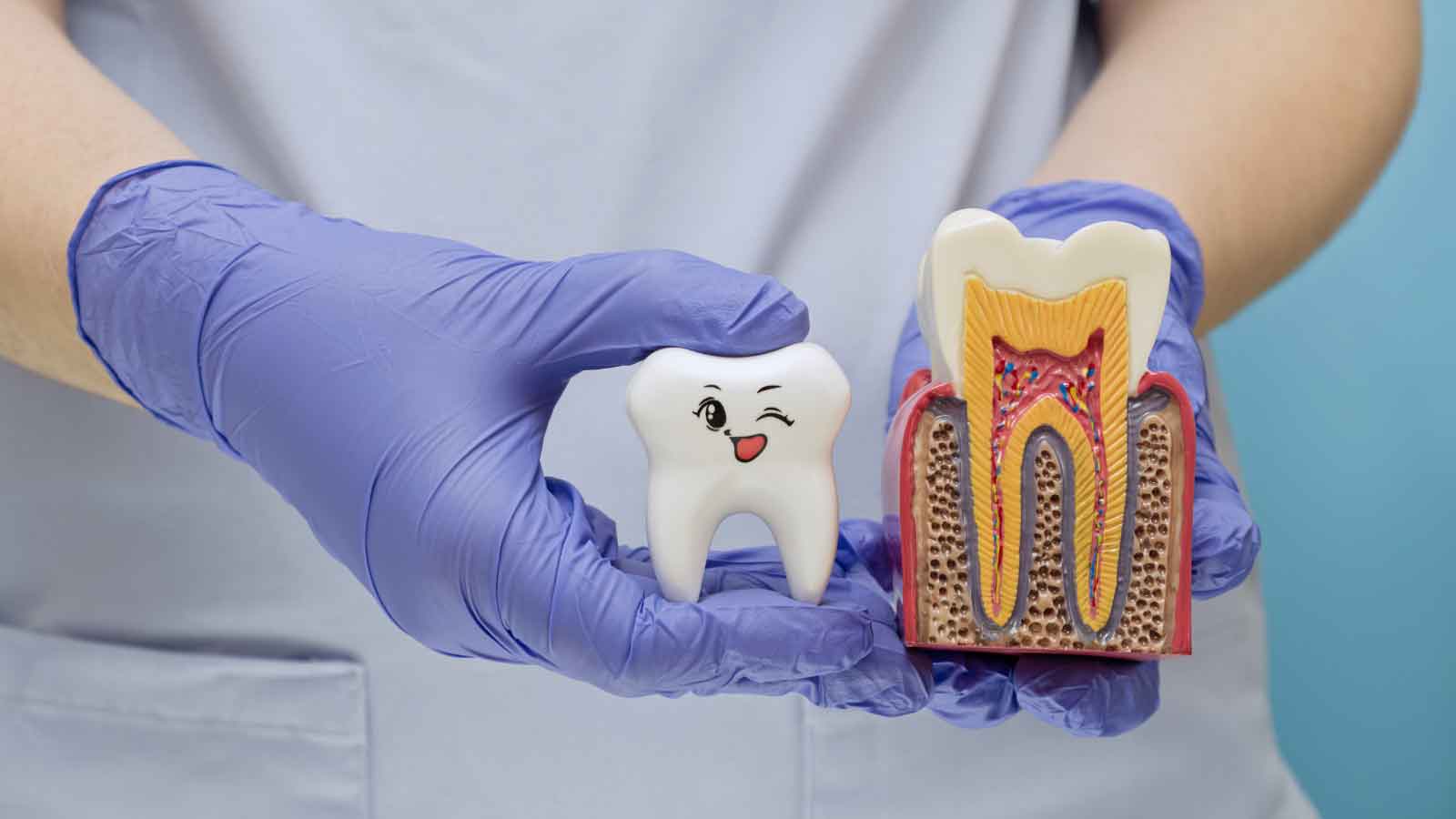
Not every tooth with deep decay or damage needs a full root canal. In some cases, the pulp, or the soft tissue at the center of your tooth, is still healthy enough to recover with the right treatment. Vital pulp therapy is a minimally invasive approach that treats the affected portion of the pulp while preserving healthy pulp.
Understanding your options before a procedure makes a real difference in how you feel as you walk into the chair. Here, you’ll learn what vital pulp therapy is, how it works, what procedures are involved, and whether it might be the right choice for your tooth.
Table of Contents
- How Does Vital Pulp Therapy Save Teeth?
- It Keeps the Tooth Alive
- It Removes Only What’s Diseased
- It Stimulates the Tooth to Heal Itself
- It Supports Root Development in Younger Patients
- It Reduces the Risk of Future Tooth Loss
- Types of Vital Pulp Therapy Procedures
- How to Know if You’re a Candidate?
- Call Renovo Endodontic Studio
- FAQ
- What Is the Purpose of Vital Pulp Therapy?
- How Does Vital Pulp Therapy Treat a Tooth Fracture?
- How Do You Save Tooth Pulp?
- Can a Badly Decayed Tooth Be Saved With This Treatment?
- Is Vital Pulp Therapy Painful?
- How Long Does Vital Pulp Therapy Last?
- Is Vital Pulp Therapy the Same as a Root Canal?

How Does Vital Pulp Therapy Save Teeth?
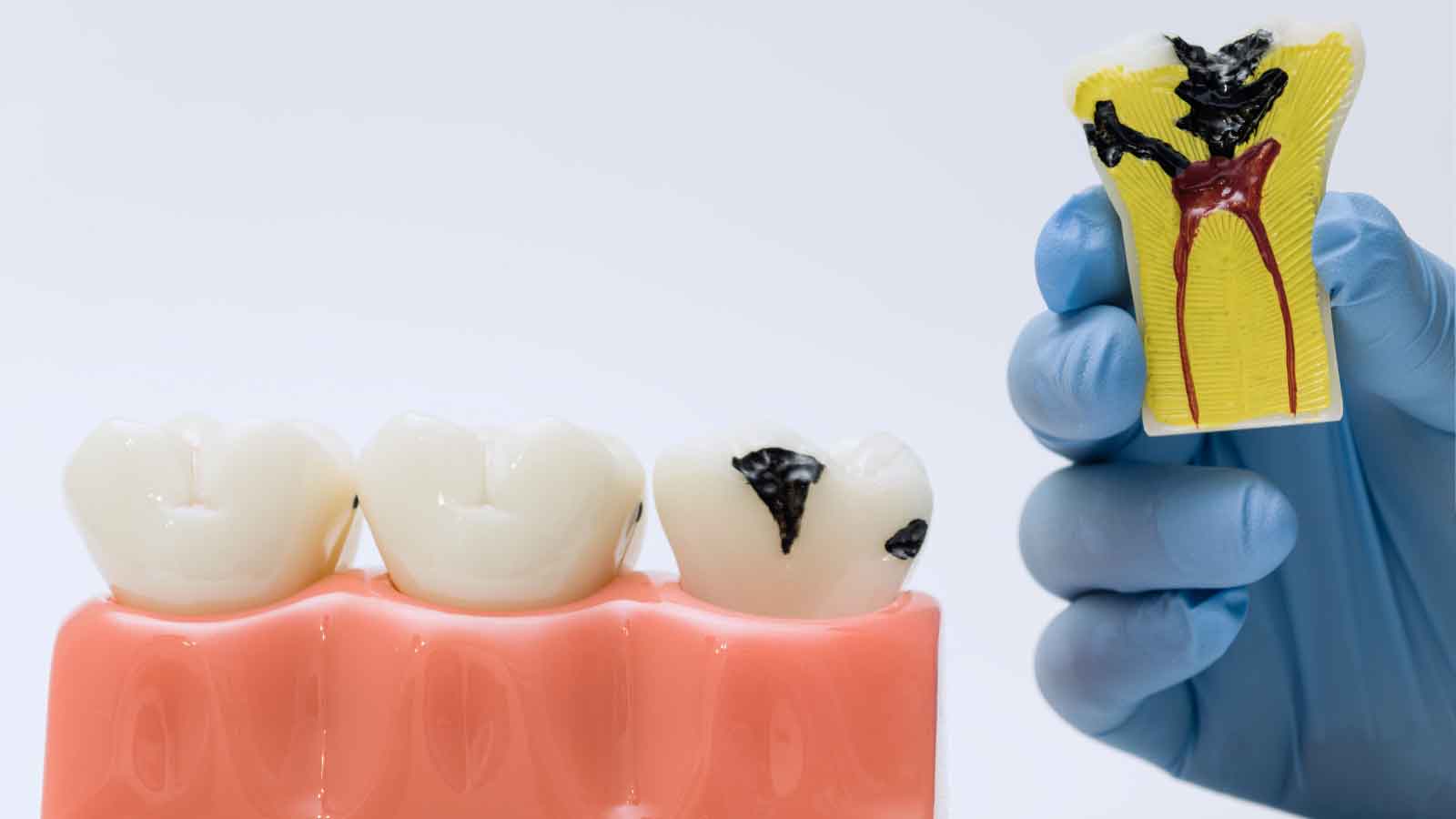
A tooth that retains its pulp stays alive. That distinction has meaningful consequences for how the tooth functions, feels, and holds up over time.
Vital pulp therapy works through several interconnected mechanisms, each one contributing to the tooth’s ability to recover and remain healthy. The sections below walk through exactly how that happens.
It Keeps the Tooth Alive
When the pulp remains intact, the tooth retains its nerve and blood supply. That means the tooth can still respond to temperature changes, pressure, and other sensations the way a healthy tooth should. A vital tooth is also better nourished at the root level, which helps it stay structurally sound rather than becoming dry and brittle over time.
It Removes Only What’s Diseased
One of the defining qualities of vital pulp therapy is its precision. Only the infected or inflamed portion of the pulp is treated, and the healthy tissue beneath it is left completely undisturbed. This conservative approach preserves as much of the tooth’s natural structure as possible, thereby directly supporting long-term durability.
It Stimulates the Tooth to Heal Itself
After the diseased tissue is removed, a biocompatible material like MTA or Biodentine (a calcium silicate-based cement used to stimulate healing) is placed directly on the remaining pulp.
These materials signal the pulp to produce reparative dentin, a new layer of tooth structure that seals the area and protects it from further bacterial invasion. Understanding how endodontists save your natural tooth can give you a clearer picture of why this biological response is so central to the entire treatment philosophy.
It Supports Root Development in Younger Patients
For children and adolescents with immature permanent teeth, preserving the pulp is particularly important. The pulp plays an active role in guiding root development; without it, the root may not complete its formation. Vital pulp therapy allows the tooth to continue growing and strengthening, giving younger patients a far better long-term foundation than extraction or other treatment.
It Reduces the Risk of Future Tooth Loss
A tooth without its pulp loses its internal support over time. It becomes more brittle, more prone to fracture, and ultimately more likely to fail. Vital pulp therapy helps the tooth maintain its natural resilience. Patients who undergo successful VPT are less likely to face extraction down the road, which also means avoiding the cost and complexity of tooth replacement options.
Types of Vital Pulp Therapy Procedures
Vital pulp therapy is not a single procedure, as it is a category of treatments, and the right one depends on how far the damage has progressed and how much of the pulp remains healthy. Your endodontist will carefully assess the condition of the pulp before recommending a specific approach.
The two most common procedures used in vital pulp therapy are:
- Direct Pulp Capping: A biocompatible material is placed directly onto an exposed pulp to encourage healing and formation. It is used when the exposure is small, and the pulp is otherwise healthy
- Pulpotomy: The diseased or inflamed portion of the pulp in the crown of the tooth is removed, while the healthy pulp in the root canals is left intact and protected with a medicament
Both procedures are performed with precision instruments and, at Renovo Endodontic Studio, with the magnification and imaging technology needed to assess the pulp accurately before and during treatment.
Trauma to the tooth is one of the more common reasons patients need vital pulp therapy, and proper dental trauma management in the critical window after an injury can make the difference between saving a tooth and losing it.
How to Know if You’re a Candidate?
Not every tooth with pulp involvement is a candidate for vital pulp therapy. The procedure works best when the pulp is inflamed but still capable of recovering. Once the infection has spread too deeply or an abscess has formed, a full root canal or other intervention becomes necessary.
Your endodontist will look at several key factors to determine whether VPT is appropriate for your tooth:
- Healthy Surrounding Tissue: No signs of infection in the bone or tissue surrounding the tooth root
- Reversible Pulpitis: The pulp is inflamed but has not been irreversibly damaged
- No Spontaneous Pain: Discomfort that resolves after the stimulus is removed is a more favorable indicator than constant, unprovoked pain
- Manageable Exposure Size: The area of pulp exposure is small and contained, not extensive
- Positive Pulp Vitality: Clinical testing confirms the pulp is still responsive and alive
- No Abscess Present: There is no evidence of acute infection or pus at the root tip
The best way to determine whether vital pulp therapy is right for you is through a thorough evaluation.
Our trusted endodontists at Renovo Endodontic Studio use 3D CBCT imaging and clinical pulp testing to make accurate, individualized assessments, so the treatment plan recommended genuinely fits your situation.
Call Renovo Endodontic Studio

If you have been told you have deep decay, a cracked tooth, or a traumatic injury, vital pulp therapy may save your tooth without a full root canal. The specialists at Renovo Endodontic Studio, serving patients in Schaumburg, Elgin, Downers Grove, and Rockford, are here to provide a thorough evaluation and a clear path forward.
Schedule your consultation today.
FAQ
What Is the Purpose of Vital Pulp Therapy?
Vital pulp therapy aims to preserve the living tissue inside a tooth damaged by decay or trauma. By treating only the affected portion of the pulp and stimulating healing, the procedure helps the tooth remain functional without the need for full removal of the nerve.
How Does Vital Pulp Therapy Treat a Tooth Fracture?
When a tooth fractures and exposes the pulp, vital pulp therapy can be used to protect and treat the exposed tissue before infection sets in. A biocompatible material is placed over the exposure to seal it and encourage the pulp to seal the exposure, giving the tooth a chance to recover rather than requiring extraction or full root canal treatment.
How Do You Save Tooth Pulp?
Saving the pulp requires prompt treatment and accurate diagnosis. If the pulp has been exposed or is inflamed but not yet irreversibly damaged, an endodontist can remove only the diseased tissue and apply a medicament that supports healing. The key is timing, as the sooner the tooth is evaluated, the more likely the pulp can be preserved.
Can a Badly Decayed Tooth Be Saved With This Treatment?
It depends on how far the decay has progressed. If the pulp is still vital and the decay has not caused irreversible damage or abscess formation, vital pulp therapy may be an option. Teeth with extensive infection or complete pulp breakdown typically require root canal therapy or extraction. An endodontic evaluation is the only way to know for certain.
Is Vital Pulp Therapy Painful?
The procedure is performed under local anesthesia, so patients should not feel pain during treatment. Some mild soreness or sensitivity in the days following is normal as the tooth responds to the medicament and begins the healing process. Most patients find the discomfort manageable and short-lived.
How Long Does Vital Pulp Therapy Last?
With proper materials, specialist technique, and an appropriate restoration placed after treatment, vital pulp therapy has a strong long-term success record. Studies show success rates of 80–95% depending on the material used and the patient’s pulp condition at the time of treatment. Regular follow-up visits allow the endodontist to monitor healing and catch any concerns early.
Is Vital Pulp Therapy the Same as a Root Canal?
No. A root canal removes all of the pulp tissue from inside the tooth, while vital pulp therapy preserves as much healthy pulp as possible. Both procedures treat pulp-related problems, but VPT is the more conservative option used when the pulp still has the capacity to heal. A root canal becomes necessary when the pulp is severely damaged or infected and cannot recover.


